
Uitstorting van de Heilige Geest — History & Facts
In the hushed moments of reverence, a palpable fear lingers beneath the surface of devotion, urging the viewer to confront the weight of faith and doubt. Look to the center of the composition, where a gathering of figures, each cloaked in vibrant hues, looks skyward in a mixture of awe and trepidation. The deliberate arrangement of their bodies forms a semi-circle, creating an intimate yet charged atmosphere. Notice how the light cascades from above, illuminating the Holy Spirit’s descent as a radiant dove, casting a divine glow on the faithful below, whose expressions range from rapture to uncertainty. Delve deeper into the tension between belief and fear, evident in the contrasting expressions of the figures.
Some appear hopeful, their hands outstretched in eager anticipation, while others recoil slightly, embodying a mixture of reverence and apprehension. The juxtaposition of vibrant colors against the somber tones of their faces serves to highlight the duality of faith — the promise of the Holy Spirit and the lurking anxiety of spiritual awakening. Each detail, from the folds of their garments to the light’s interplay, conveys a complex narrative of human emotion in the face of the divine. Created between 1534 and 1535, this work emerged during a period of religious strife and upheaval in Europe.
Georg Pencz, influenced by the Reformation, navigated the shifting landscape of faith, seeking to capture not just the event of divine intervention but its profound emotional impact on humanity. His exploration of fear, along with the transformative power of spirituality, reflects the broader artistic currents of the time, as artists grappled with the implications of belief in a rapidly changing world.
More Artworks by Georg Pencz
Browse all →
Parabel van de zaaier
Georg Pencz

Parabel van de arbeiders in de wijngaard
Georg Pencz
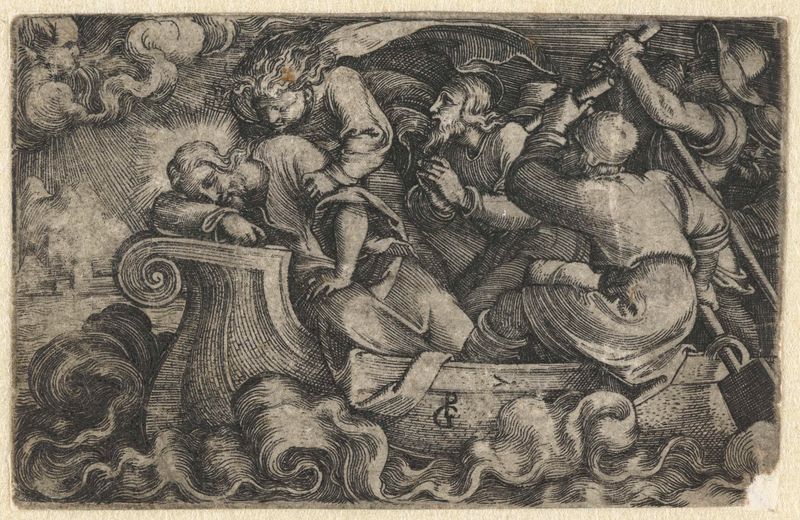
Discipelen wekken slapende Christus tijdens storm op Meer van Galilea
Georg Pencz

Afgunst (Invidia)
Georg Pencz
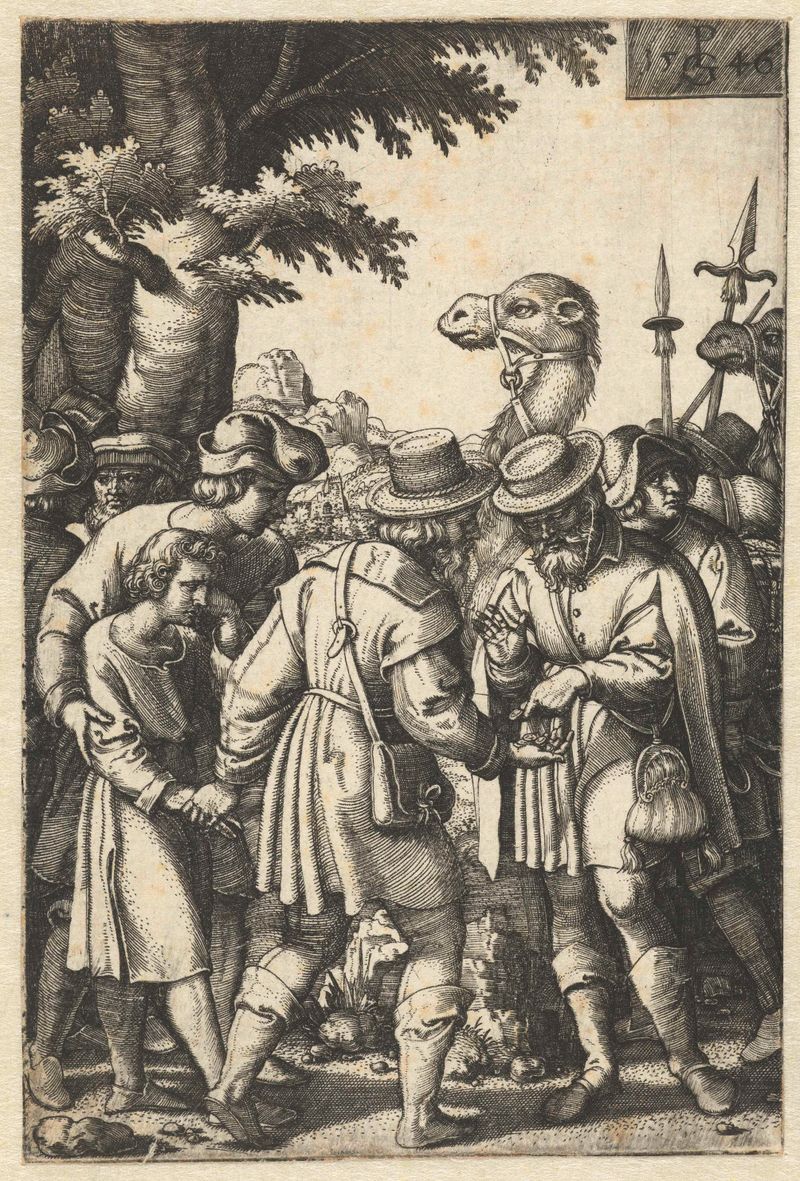
Jozef wordt verkocht aan kooplieden op weg naar Egypte
Georg Pencz

Aanbidding der koningen
Georg Pencz
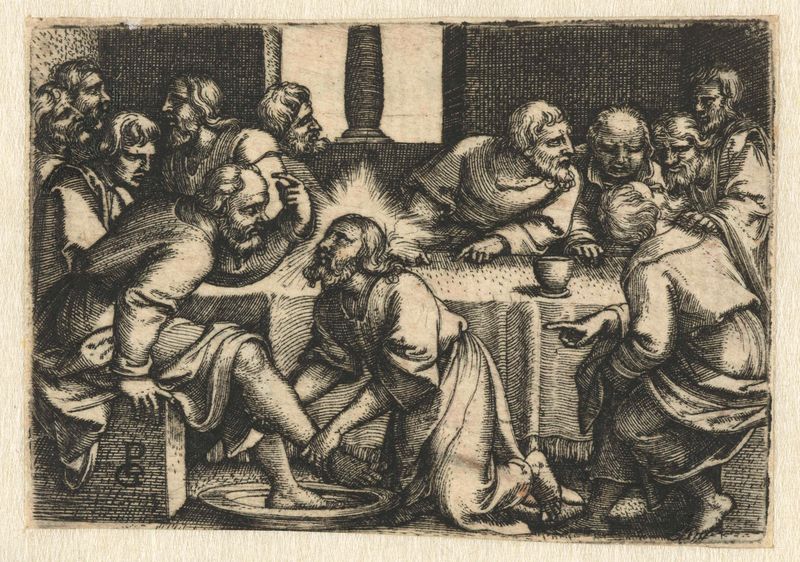
Petrus protesteert als Christus zijn voeten wast
Georg Pencz
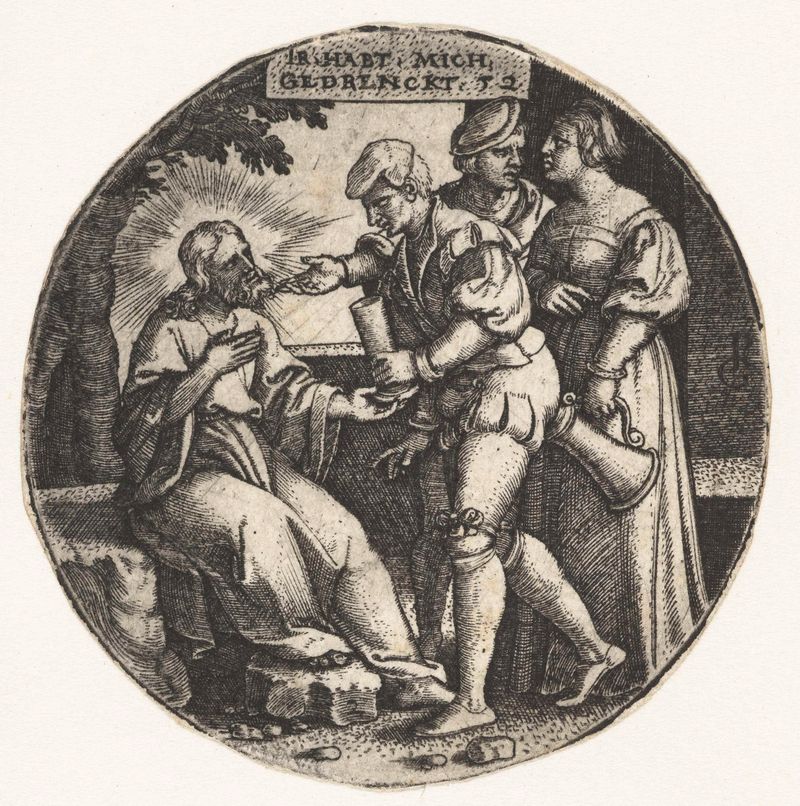
Christus heeft dorst en krijgt drinken aangeboden
Georg Pencz
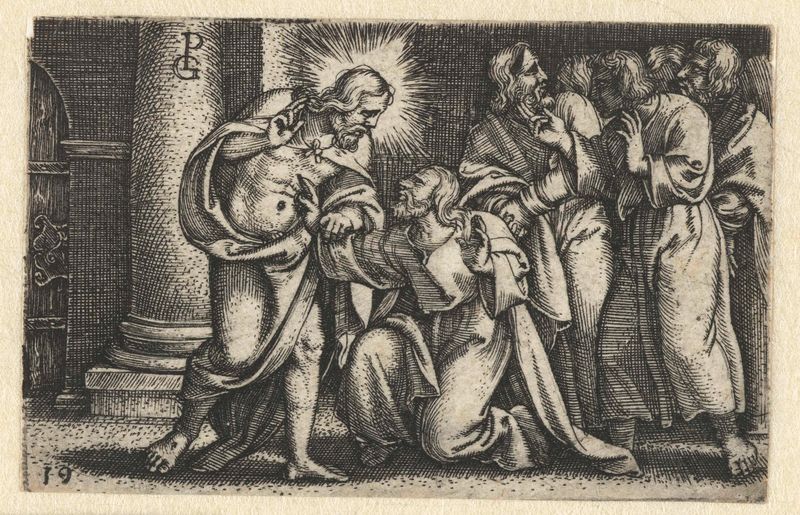
Ongelovige Thomas raakt wonden Christus aan
Georg Pencz

Offer van Abraham van Isaak
Georg Pencz
More Religious Art
Browse all →
The Return of the Prodigal Son
Rembrandt van Rijn

The Garden of Earthly Delights
El Bosco

Count Orgaz’ funeral
El Greco

The Hundred Guilder Print: the central piece with Christ preaching, the plate arched
Rembrandt van Rijn

The Descent from the Cross
Rogier van der Weyden

The return of the prodigal son
Rembrandt van Rijn