
Ulm — History & Facts
Who listens when art speaks of silence? In Ulm, the haunting echoes of decay resonate, drawing the viewer into a world suspended between memory and oblivion. Look towards the center of the canvas, where a crumbling facade of an ancient building stands resolute yet vulnerable. The weathered textures and muted earth tones invite you to trace the cracks that mar its surface, each fissure a testament to time's relentless passage. Notice how the light filters through fragmented shadows, illuminating the remnants of once-vibrant details that now linger in solemn whispers of their former glory. Beneath the surface, this artwork captures a poignant juxtaposition of resilience and fragility.
The interplay of light and shadow suggests not just decay, but also the beauty that exists within it. Each stroke reveals the quiet struggle against fading, hinting at stories untold and lives once lived. The stillness carries an emotional weight, inviting contemplation about what it means to exist in a world where memories fade and yet endure. Willem Adrianus Grondhout painted Ulm between 1888 and 1934, a period marked by profound change in the art world and society at large.
Working during a time when modernism began to redefine traditional perspectives, he infused his landscapes with personal reflections on decay and transience. This piece emerged in the interwar years, a time when artists sought to confront the realities of a rapidly shifting world, capturing both the beauty and melancholy of what once was.
More Artworks by Willem Adrianus Grondhout
Browse all →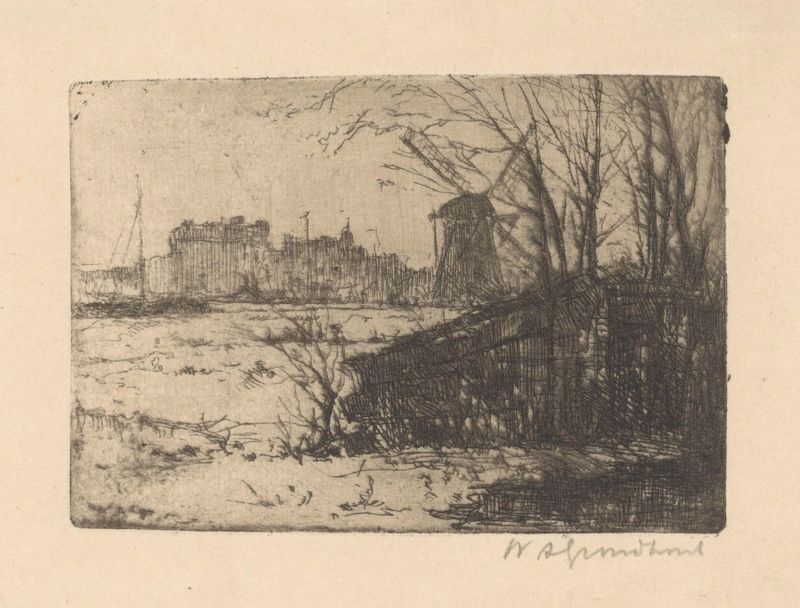
Landschap met molen in de Binckhorst in Den Haag
Willem Adrianus Grondhout
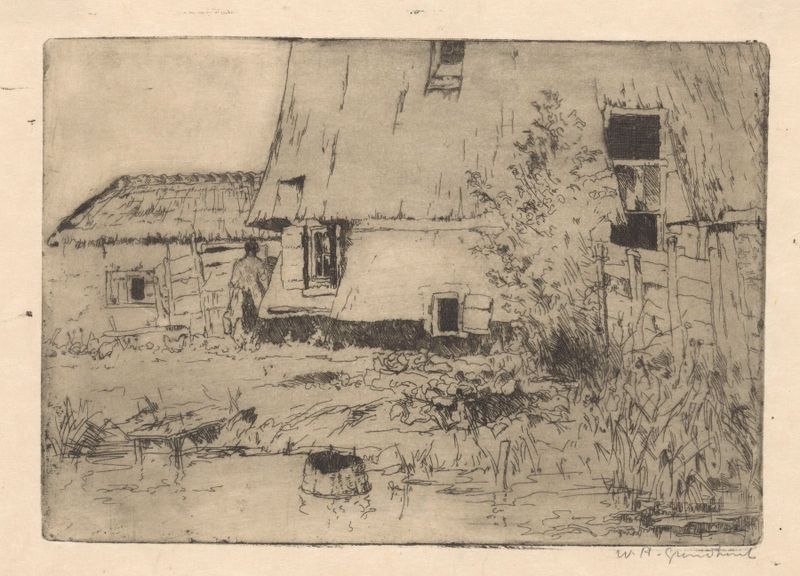
Voet van een molen in Voorburg
Willem Adrianus Grondhout
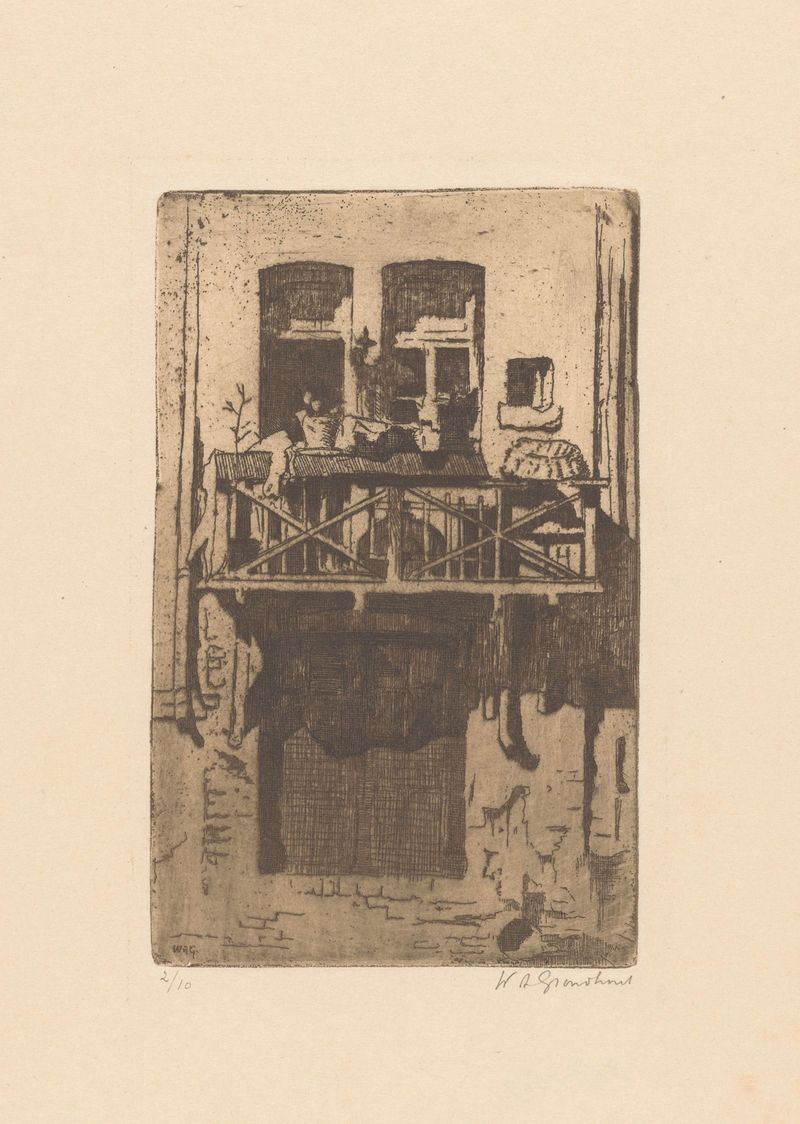
Balkon van een huis aan de Oudezijds Kolk in Amsterdam
Willem Adrianus Grondhout
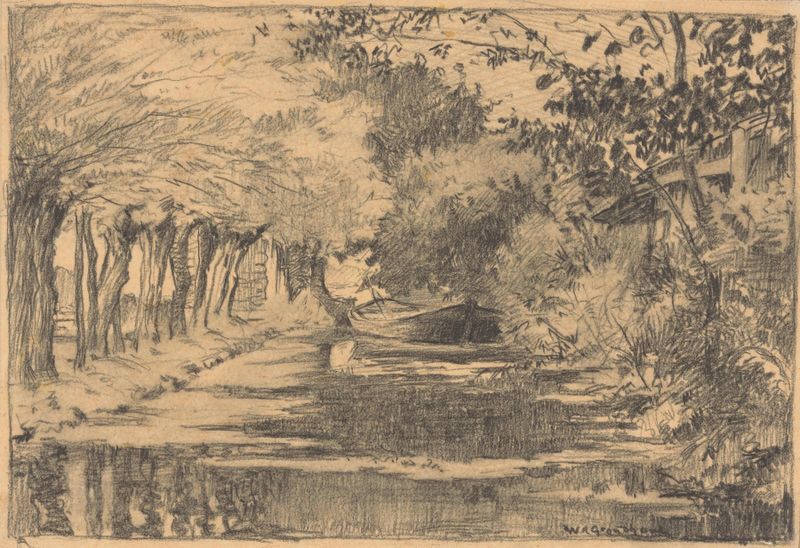
Broeksloot bij Voorburg
Willem Adrianus Grondhout
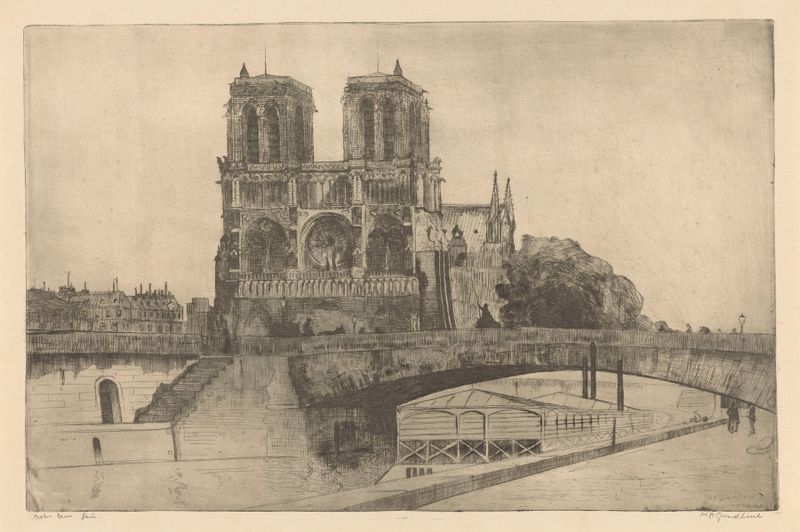
Notre-Dame, Paris
Willem Adrianus Grondhout
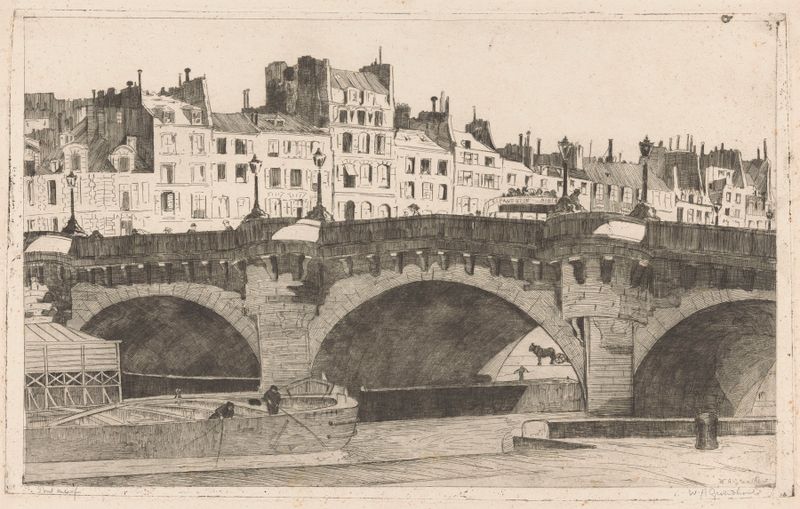
Pont Neuf
Willem Adrianus Grondhout
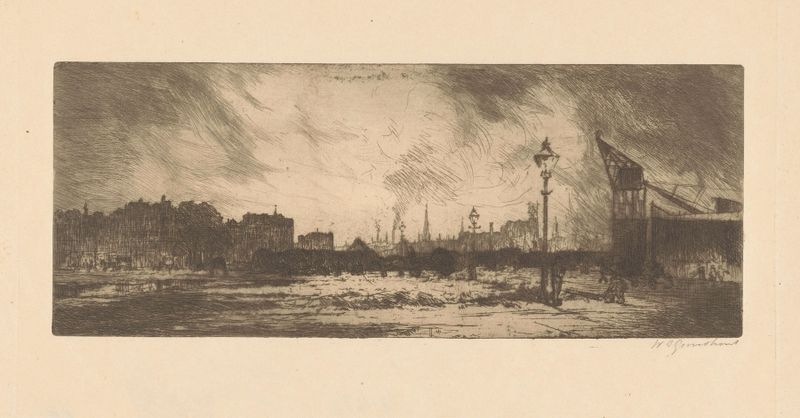
Havenkade met lantaarnpalen in Rotterdam
Willem Adrianus Grondhout
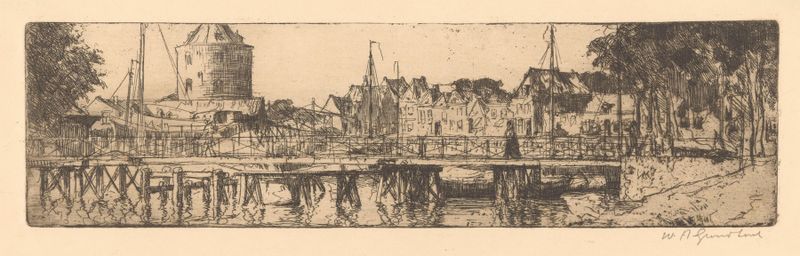
Enkhuizen
Willem Adrianus Grondhout
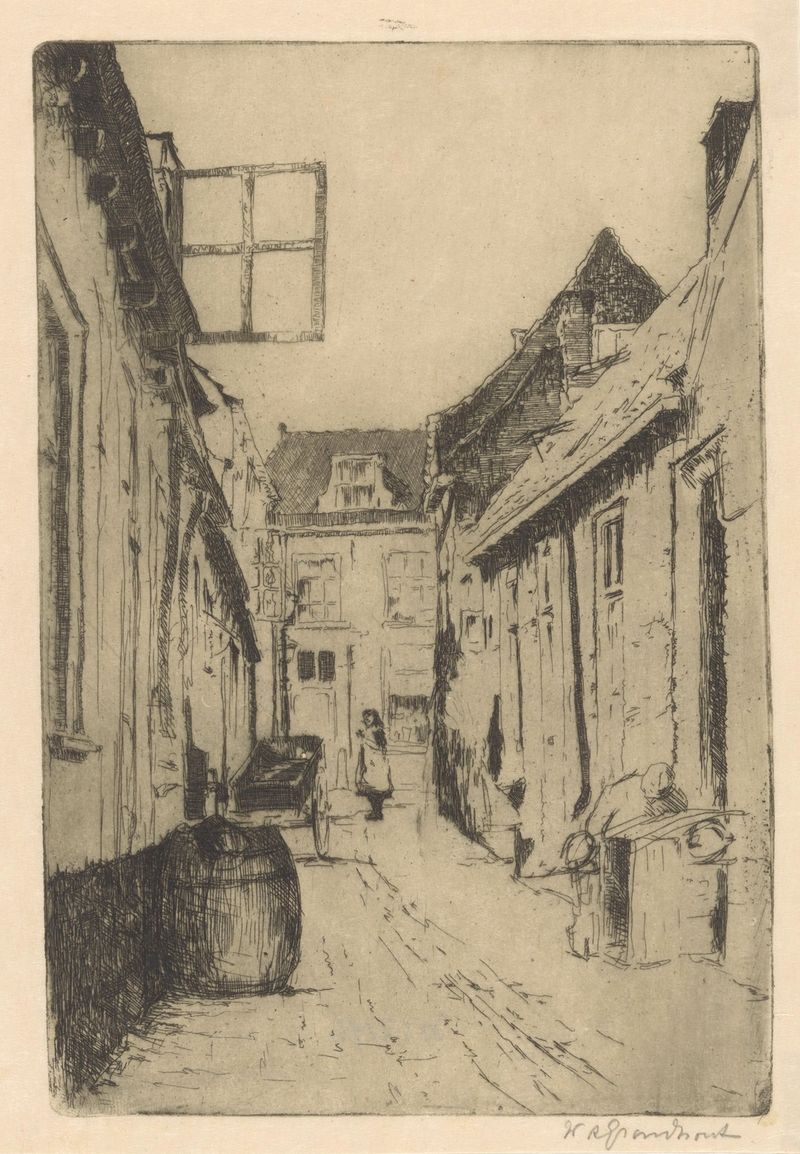
Straatje in Voorburg.
Willem Adrianus Grondhout
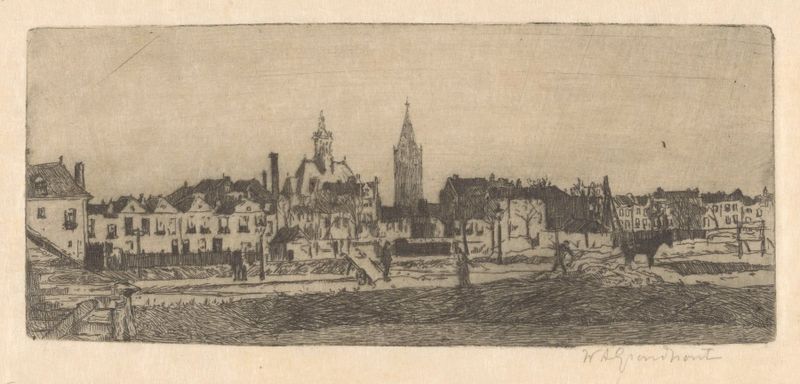
Delft
Willem Adrianus Grondhout
More Architecture Art
Browse all →
The statue of Liberty
Frédéric Auguste Bartholdi

View of Houses in Delft, Known as ‘The Little Street’
Johannes Vermeer

View of Houses in Delft, Known as ‘The Little Street’
Johannes Vermeer

The Cathedral in Rouen. The portal, Grey Weather
Claude Monet

The yellow house
Vincent van Gogh

The Church in Auvers-sur-Oise, View from the Chevet
Vincent van Gogh