
Ulm — History & Facts
The layers of reflection in Ulm evoke a haunting yet exquisite allure that compels the viewer to look deeper. Focus first on the shimmering waters at the center, where the surface seems to catch light like a thousand tiny diamonds. The painter expertly contrasts the tranquil blues and vibrant yellows, creating a sense of movement that leads the eye along the horizon's edge. Notice how the delicate brushstrokes mimic the waves, drawing in the emotions held within the rippling reflections of the surrounding landscape.
Each stroke feels deliberate, echoing the very essence of stillness and chaos intertwined. Delve beneath the surface, and you’ll uncover a tension between serenity and sorrow. The juxtaposition of the tranquil water against the distant, shadowy buildings suggests a world of stories untold—perhaps history's burdens reflected in the beauty of nature. Colors shift from warm to cool, hinting at the fleeting moments of joy overshadowed by underlying melancholy, inviting a contemplation of one's existence in an ever-changing landscape. In the years between 1888 and 1934, the artist created Ulm during a period of significant socio-political upheaval in Europe, where the remnants of the past mingled with the promise of the future.
This was a time when Grondhout’s innovative approaches offered new perspectives in the art world. His works often reflected an internal struggle with the changing dynamics around him, making this piece not just an ode to a location, but also an exploration of the human condition amid transformation.
More Artworks by Willem Adrianus Grondhout
Browse all →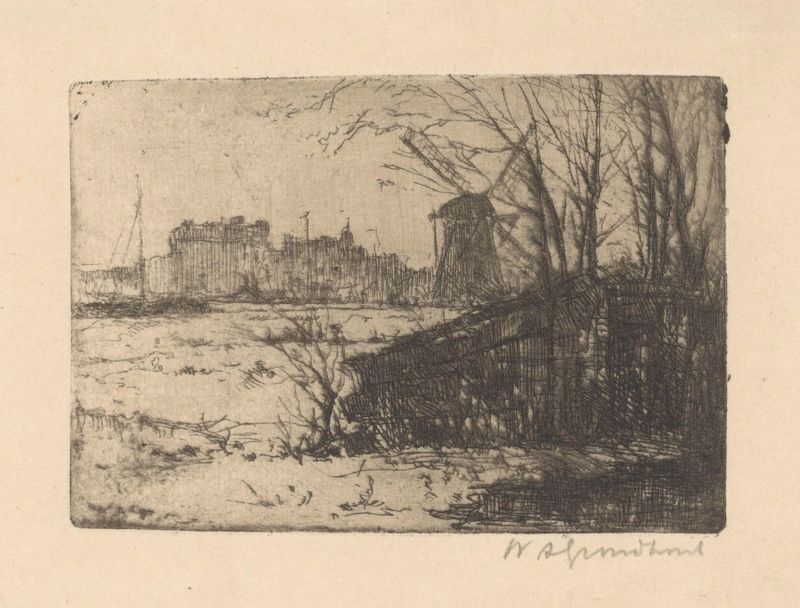
Landschap met molen in de Binckhorst in Den Haag
Willem Adrianus Grondhout
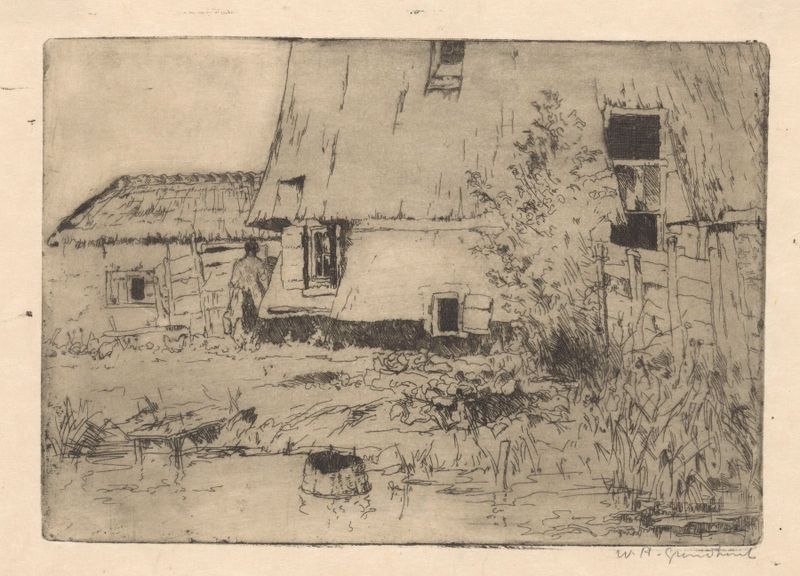
Voet van een molen in Voorburg
Willem Adrianus Grondhout
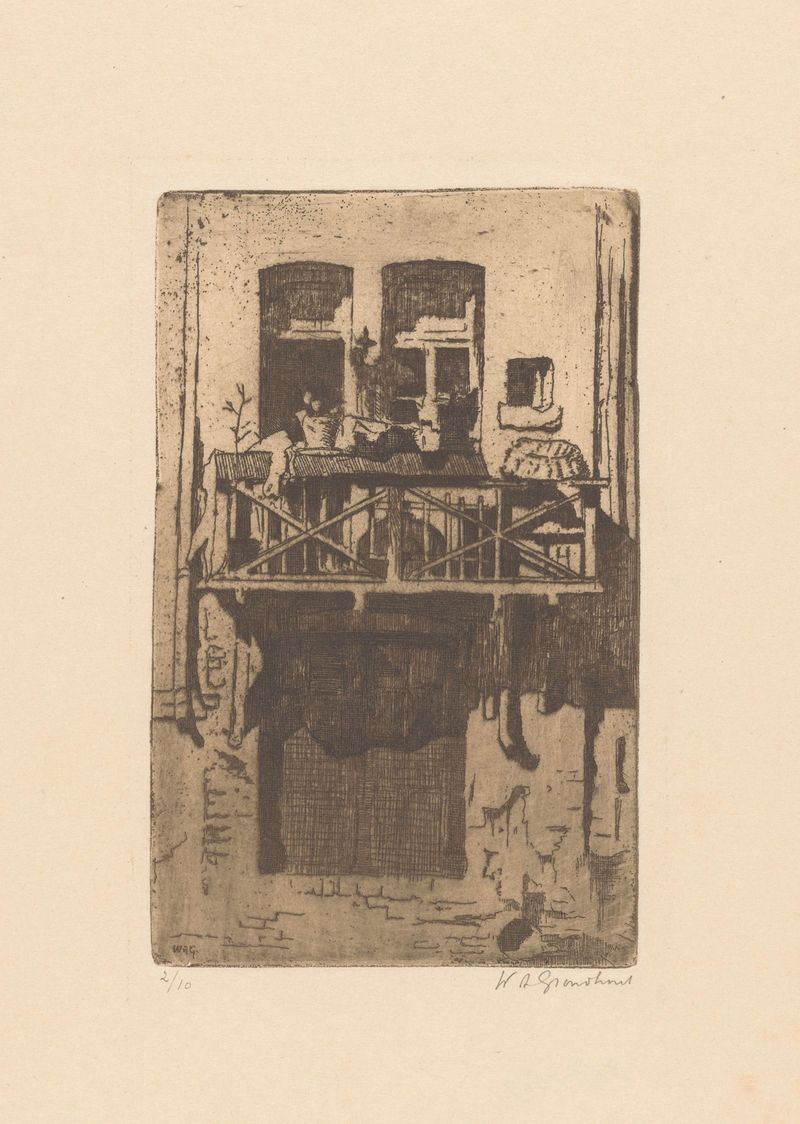
Balkon van een huis aan de Oudezijds Kolk in Amsterdam
Willem Adrianus Grondhout
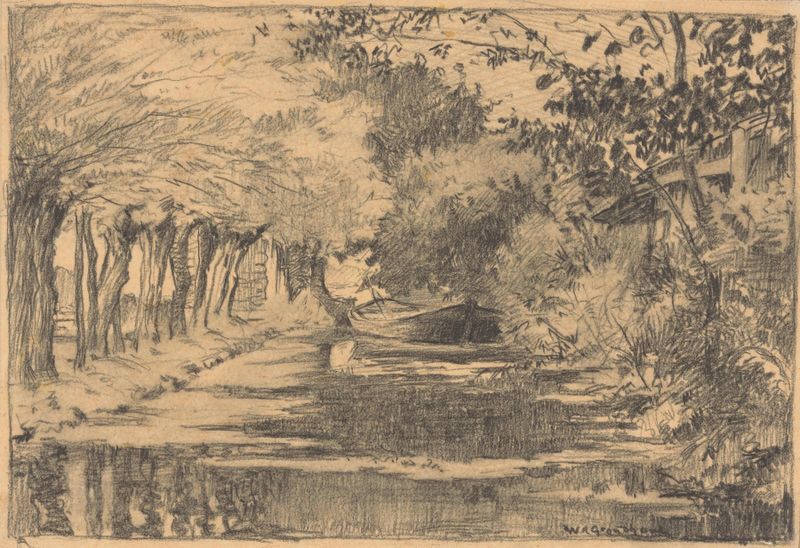
Broeksloot bij Voorburg
Willem Adrianus Grondhout
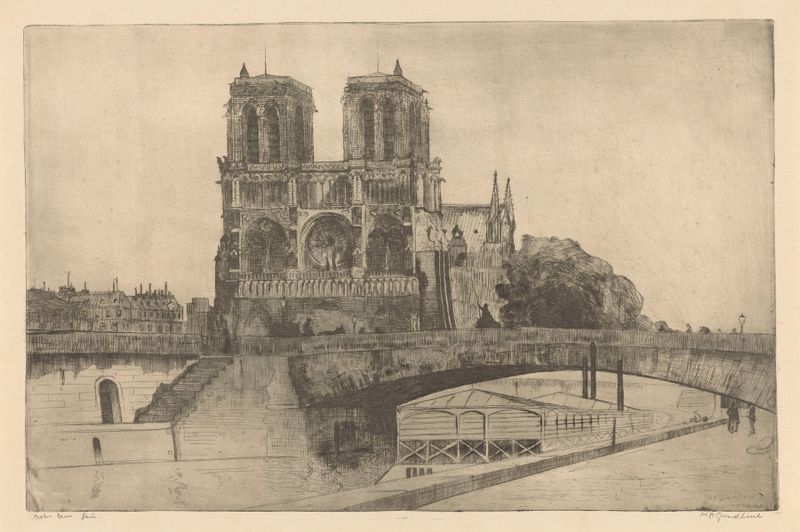
Notre-Dame, Paris
Willem Adrianus Grondhout
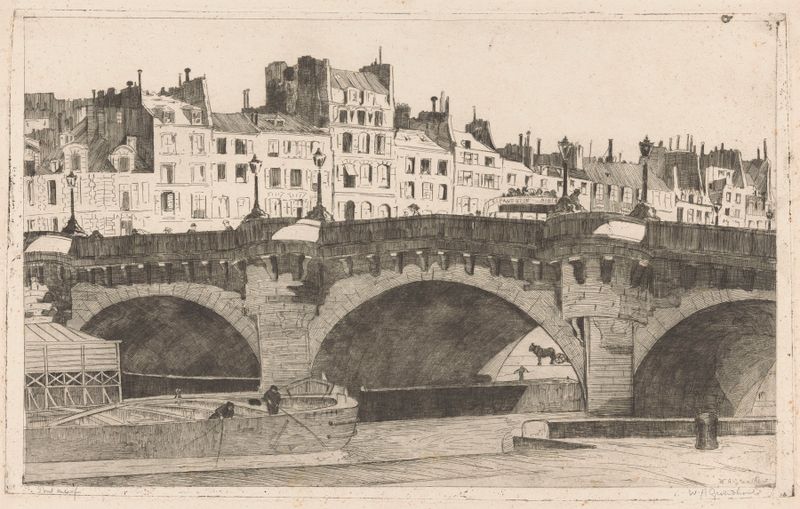
Pont Neuf
Willem Adrianus Grondhout
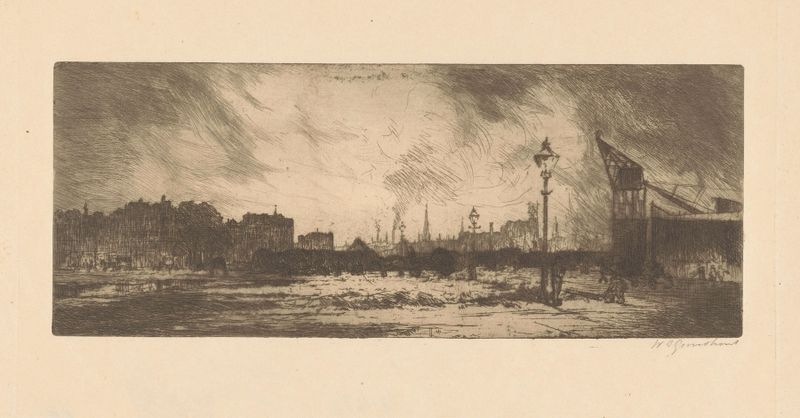
Havenkade met lantaarnpalen in Rotterdam
Willem Adrianus Grondhout
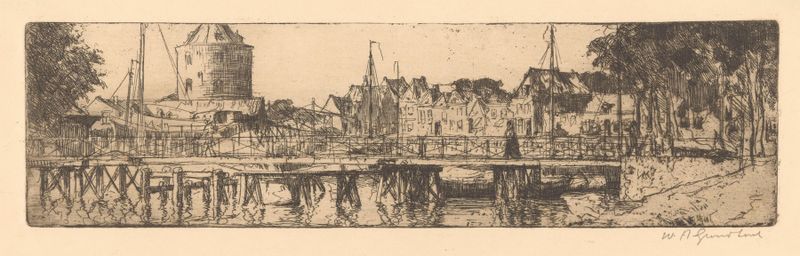
Enkhuizen
Willem Adrianus Grondhout
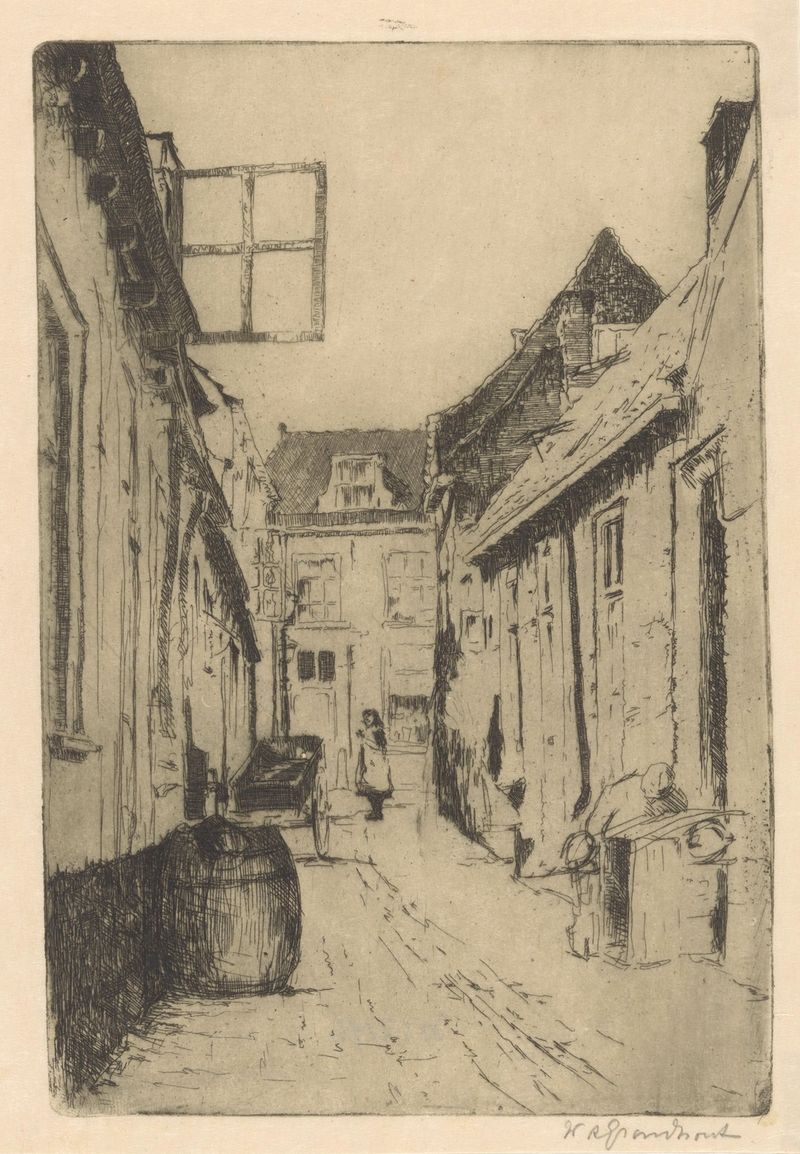
Straatje in Voorburg.
Willem Adrianus Grondhout
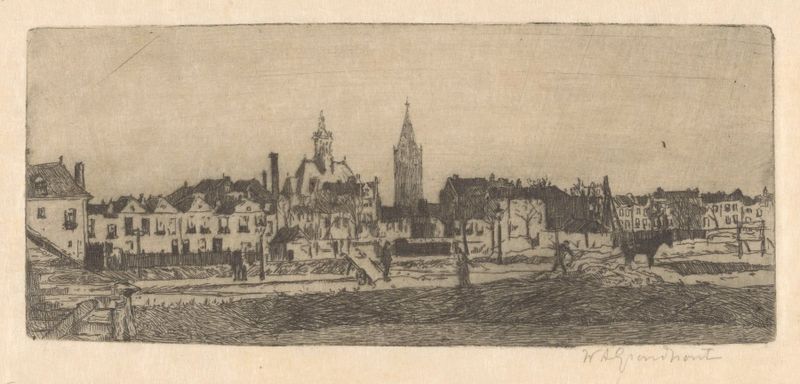
Delft
Willem Adrianus Grondhout





