
Ulm — History & Facts
When did color learn to lie? In the stillness of a landscape, silence intertwines with the vibrant hues, prompting a deep introspection of truth and perception. Look to the left at the bold strokes of green that sweep across the canvas, where fields lie quietly beneath a dusky sky. The interplay of light and shadow gives the impression of a fleeting moment, a serene time caught between dusk and night. Notice how the gentle gradients of color transition seamlessly, revealing the artist's keen understanding of texture and atmosphere. Beneath the surface, there exists a tension between the vibrant colors and the underlying silence.
The juxtaposition of bright yellows and greens against deeper blues hints at an emotional complexity, perhaps a longing or nostalgia for a place untouched by time. Each brushstroke seems to whisper secrets of the landscape, inviting the viewer to ponder the stories hidden within. Willem Adrianus Grondhout painted this work between 1888 and 1934, a period marked by artistic exploration and societal change. Living in the Netherlands during a time of shifting artistic movements, Grondhout embraced impressions of nature that reflected both tranquility and the turmoil of the world around him.
This piece stands as a testament to an artist navigating between the joyous hues of color and the profound silence of existence.
More Artworks by Willem Adrianus Grondhout
Browse all →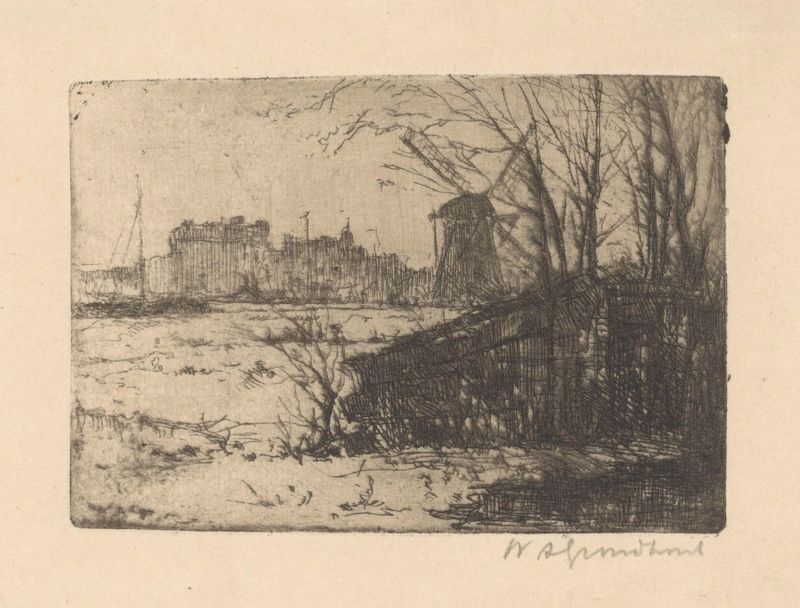
Landschap met molen in de Binckhorst in Den Haag
Willem Adrianus Grondhout
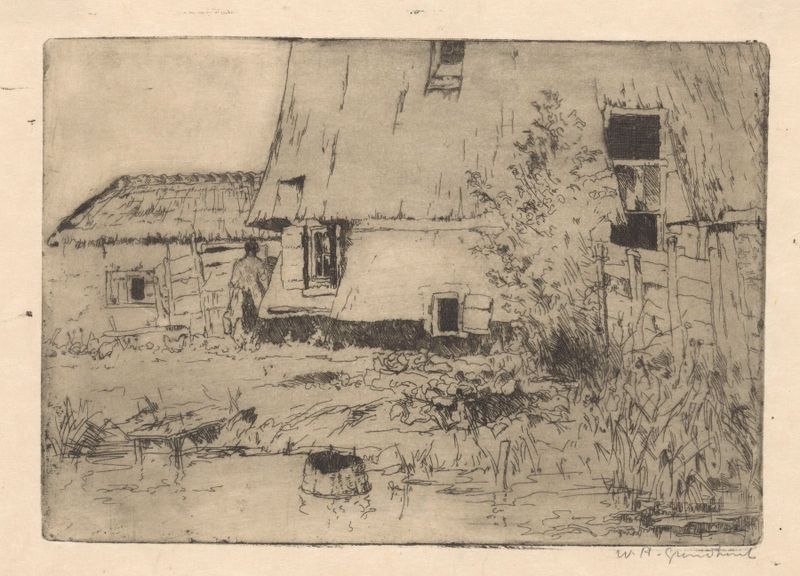
Voet van een molen in Voorburg
Willem Adrianus Grondhout
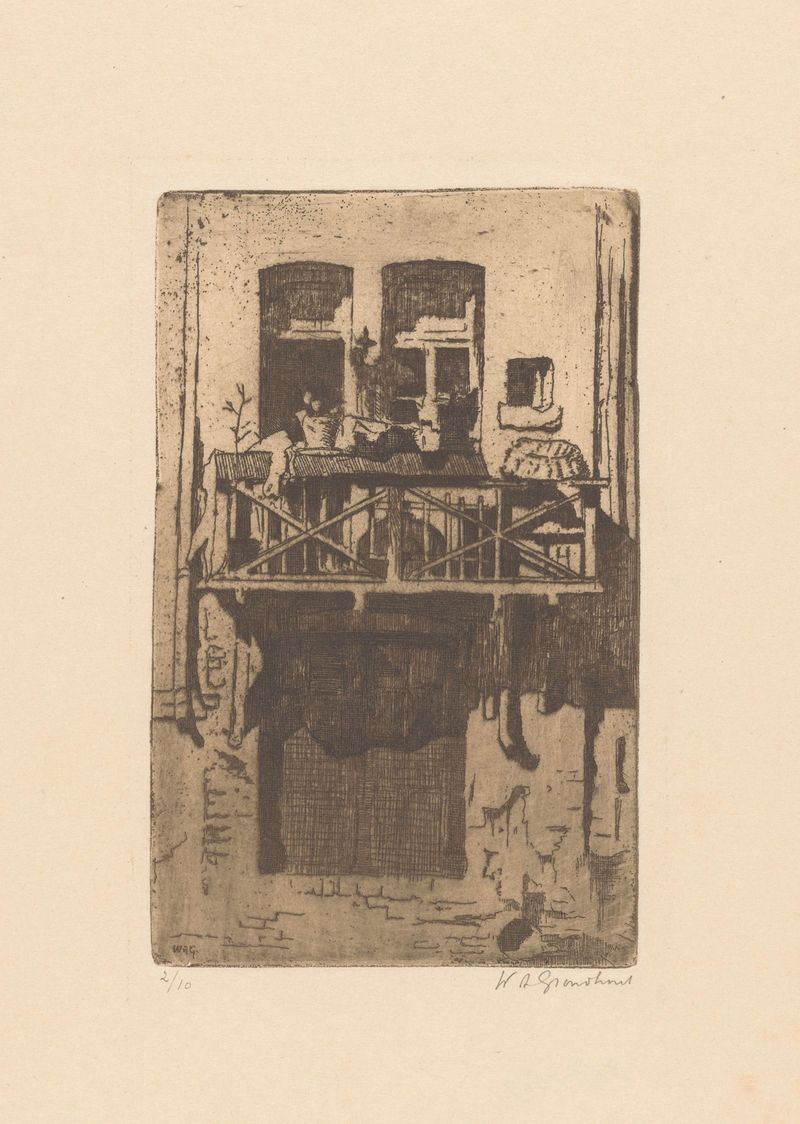
Balkon van een huis aan de Oudezijds Kolk in Amsterdam
Willem Adrianus Grondhout
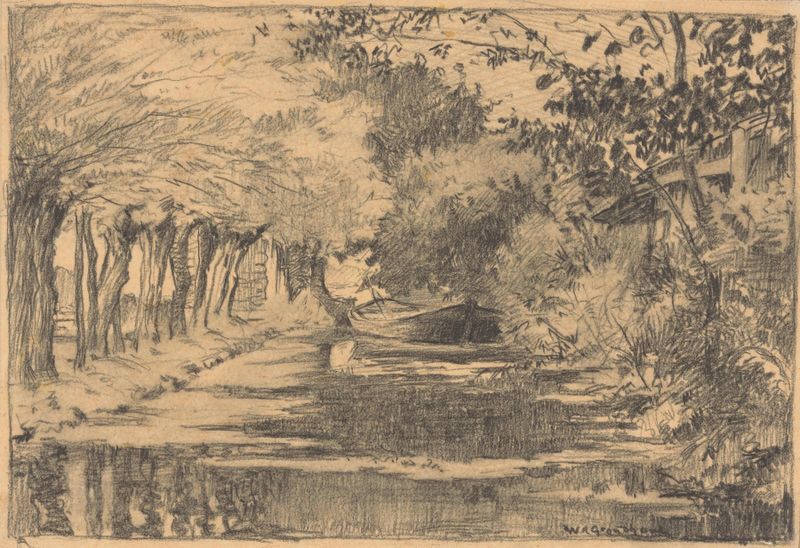
Broeksloot bij Voorburg
Willem Adrianus Grondhout
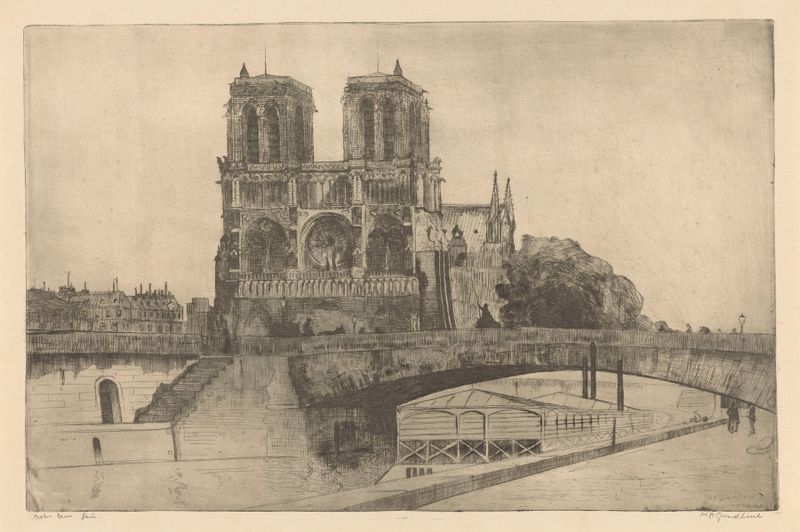
Notre-Dame, Paris
Willem Adrianus Grondhout
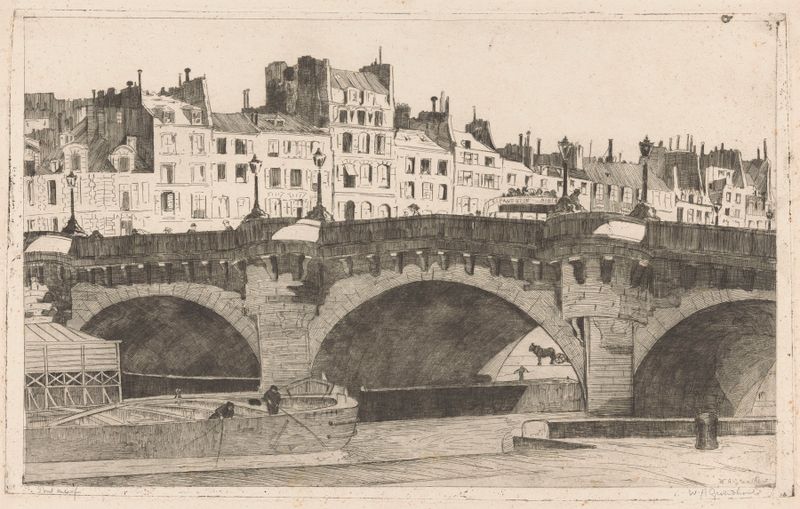
Pont Neuf
Willem Adrianus Grondhout
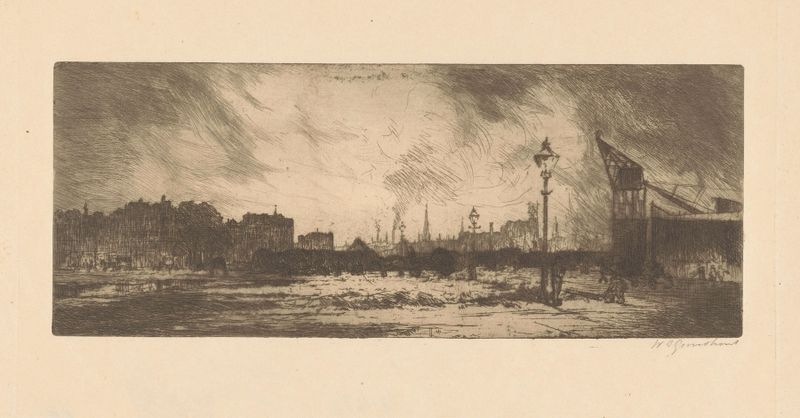
Havenkade met lantaarnpalen in Rotterdam
Willem Adrianus Grondhout
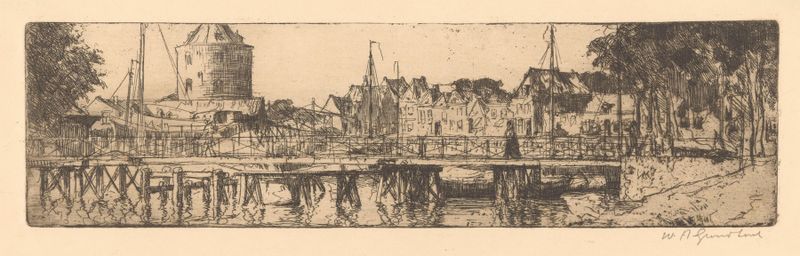
Enkhuizen
Willem Adrianus Grondhout
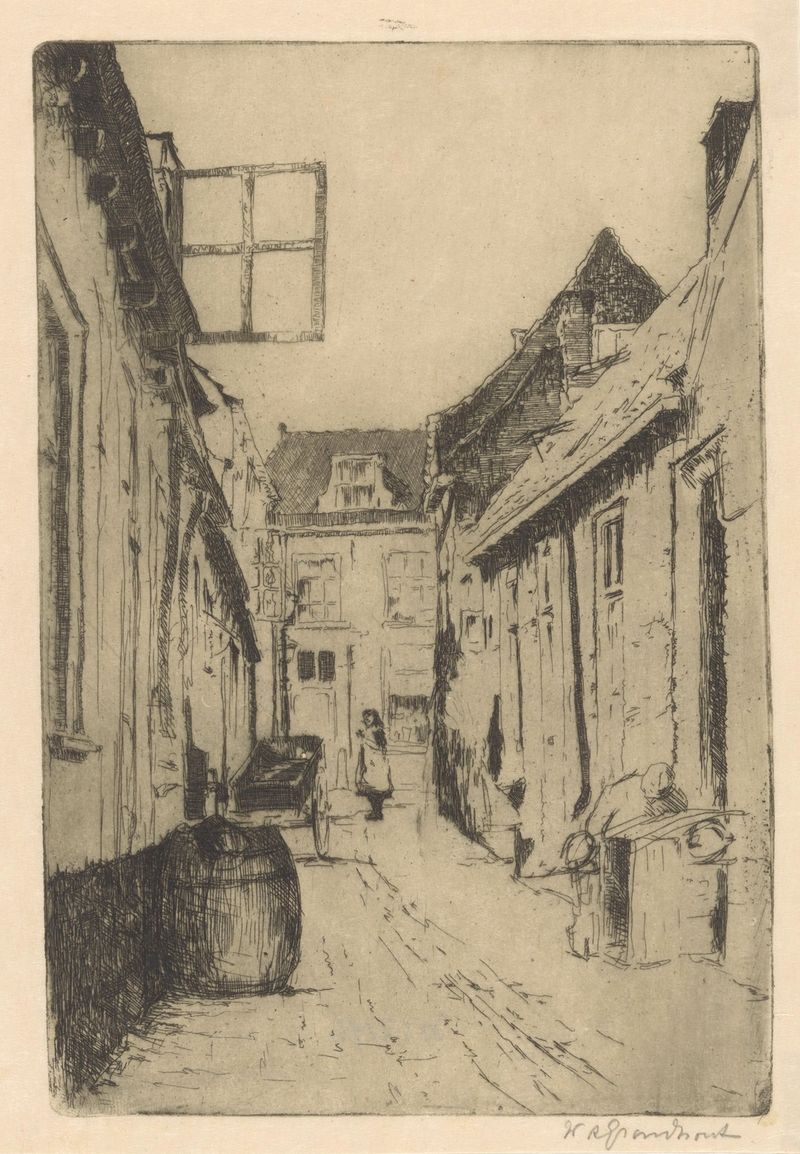
Straatje in Voorburg.
Willem Adrianus Grondhout
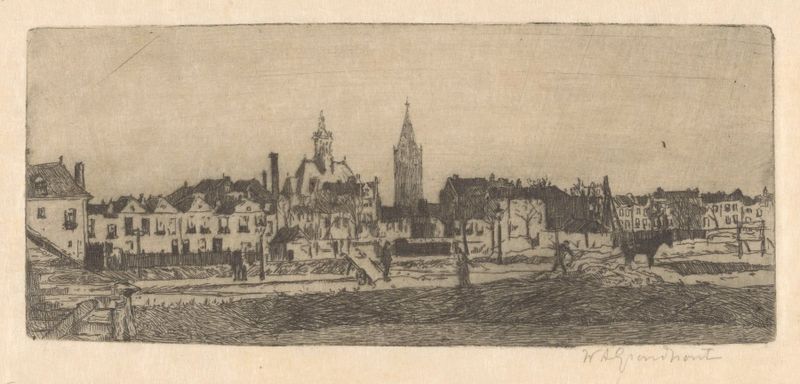
Delft
Willem Adrianus Grondhout





