Ulm — History & Facts
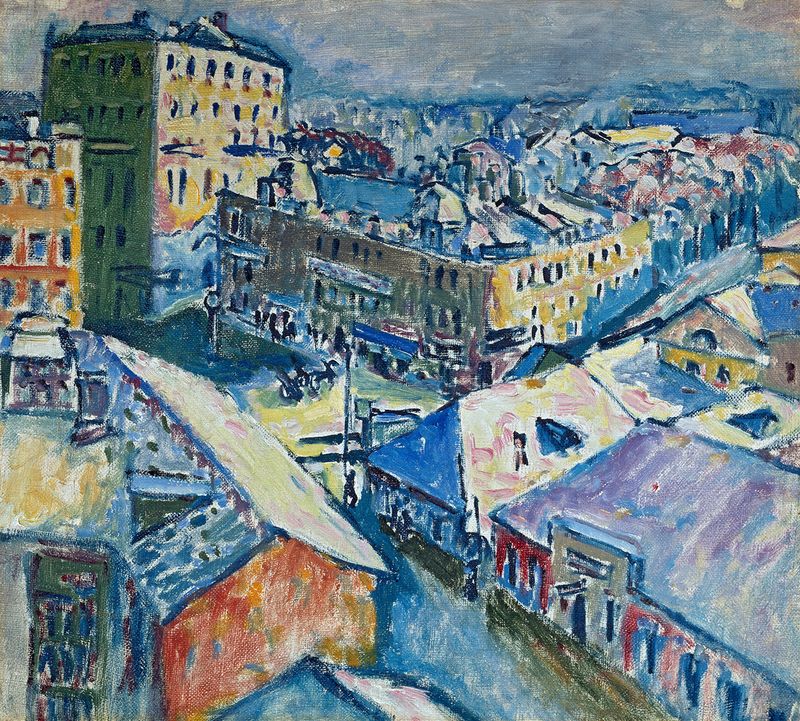
Could beauty survive in a century of chaos? In the tumultuous backdrop of the early 20th century, the quest for solace becomes a poignant visual exploration within this artwork. Look to the center, where bold strokes form a swirling dance of colors—an intricate interplay of blues and ochres, symbolizing the tension between order and discord. Notice how fragmented shapes converge, creating a rhythm that draws the eye deeper into the composition. The artist's technique evokes movement, as if the very essence of existence is trapped in this moment, caught between chaos and beauty. Delve into the details, where the faint outlines of structures emerge, suggesting a landscape both familiar and alien.
The chaotic brushwork hints at underlying turbulence, perhaps a reflection of the artist's own struggles amid societal upheaval. Contrasts of light and shadow not only enhance depth but speak to the emotional weight of hope battling despair. Willem Adrianus Grondhout painted this piece between 1888 and 1934, a period marked by significant upheaval in Europe. As he navigated the complexities of modernism and responded to the societal changes around him, this work encapsulated his contemplation of beauty as a refuge amidst chaos.
The influence of the avant-garde stirred within him, guiding his brush as he sought to capture the essence of a world on the brink of transformation.
More Artworks by Willem Adrianus Grondhout
Browse all →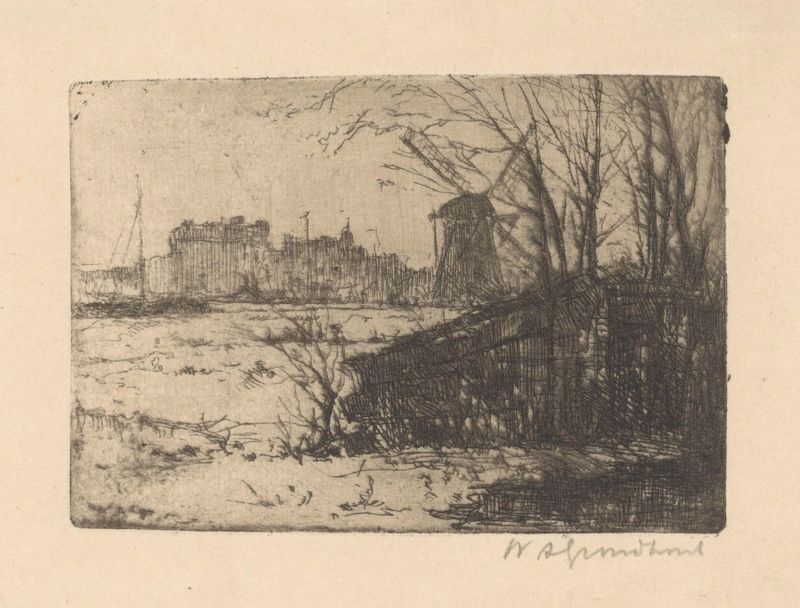
Landschap met molen in de Binckhorst in Den Haag
Willem Adrianus Grondhout
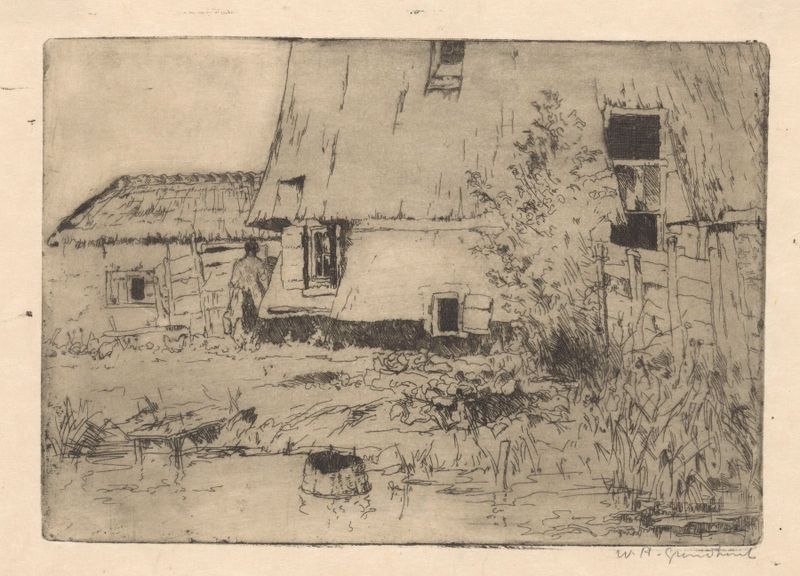
Voet van een molen in Voorburg
Willem Adrianus Grondhout
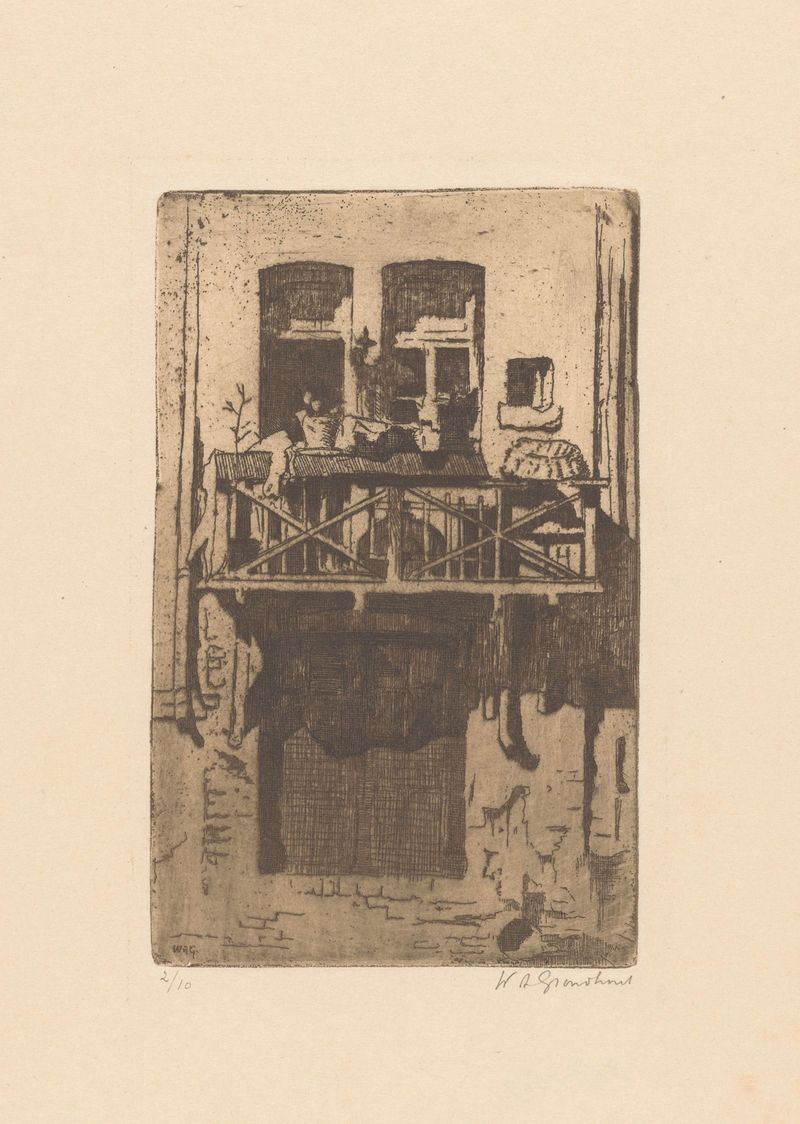
Balkon van een huis aan de Oudezijds Kolk in Amsterdam
Willem Adrianus Grondhout
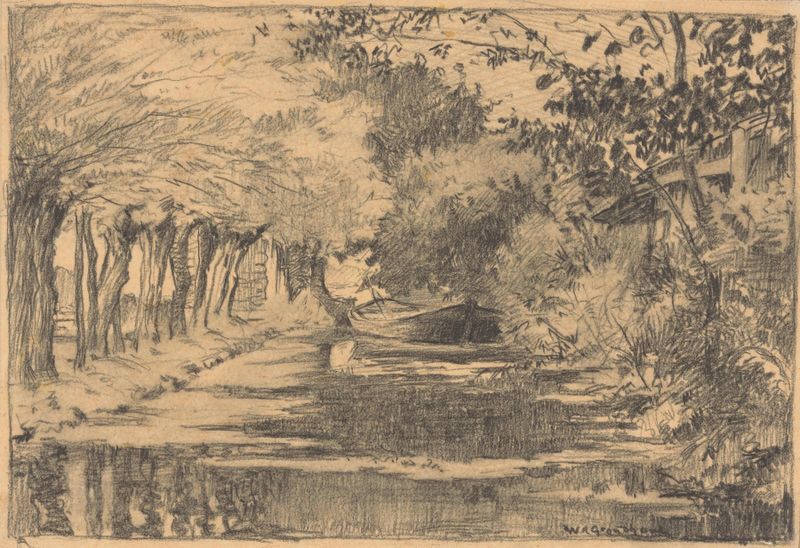
Broeksloot bij Voorburg
Willem Adrianus Grondhout
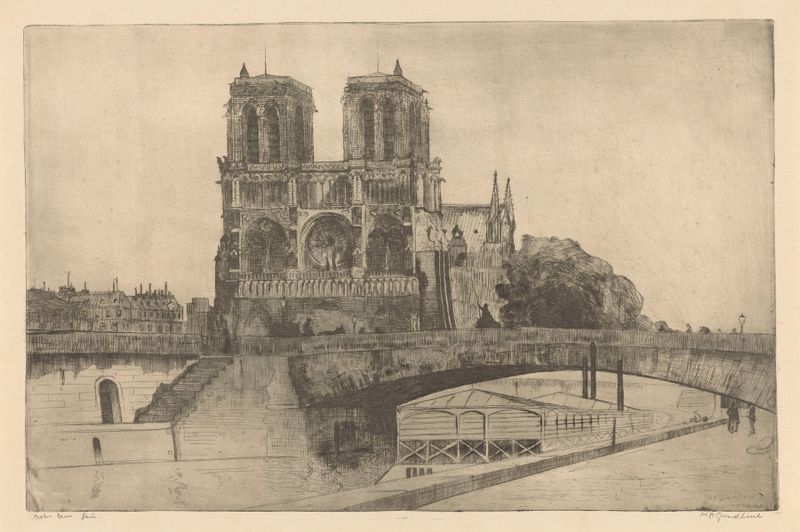
Notre-Dame, Paris
Willem Adrianus Grondhout
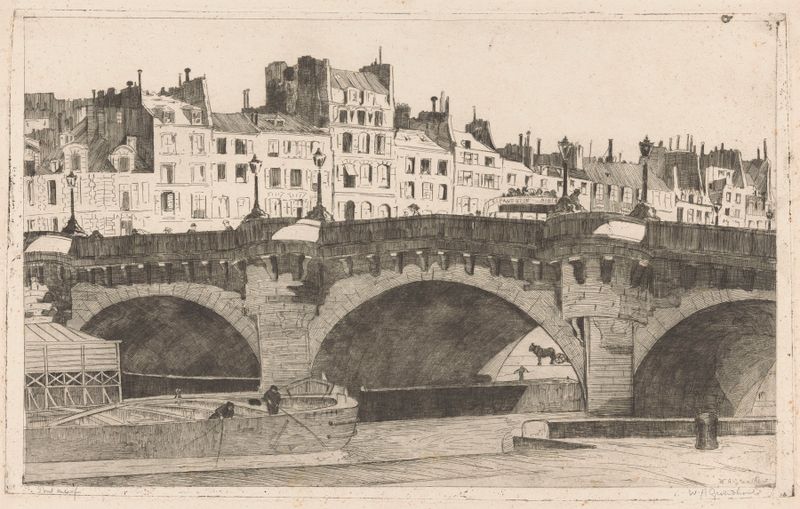
Pont Neuf
Willem Adrianus Grondhout
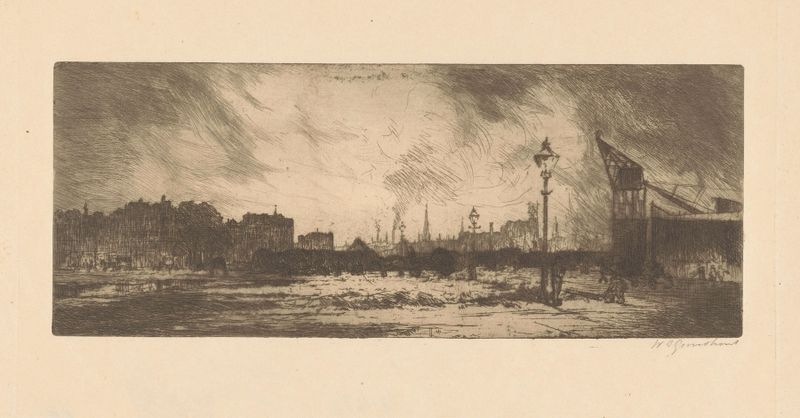
Havenkade met lantaarnpalen in Rotterdam
Willem Adrianus Grondhout
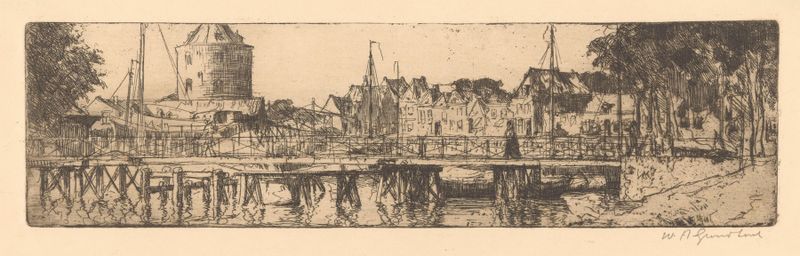
Enkhuizen
Willem Adrianus Grondhout
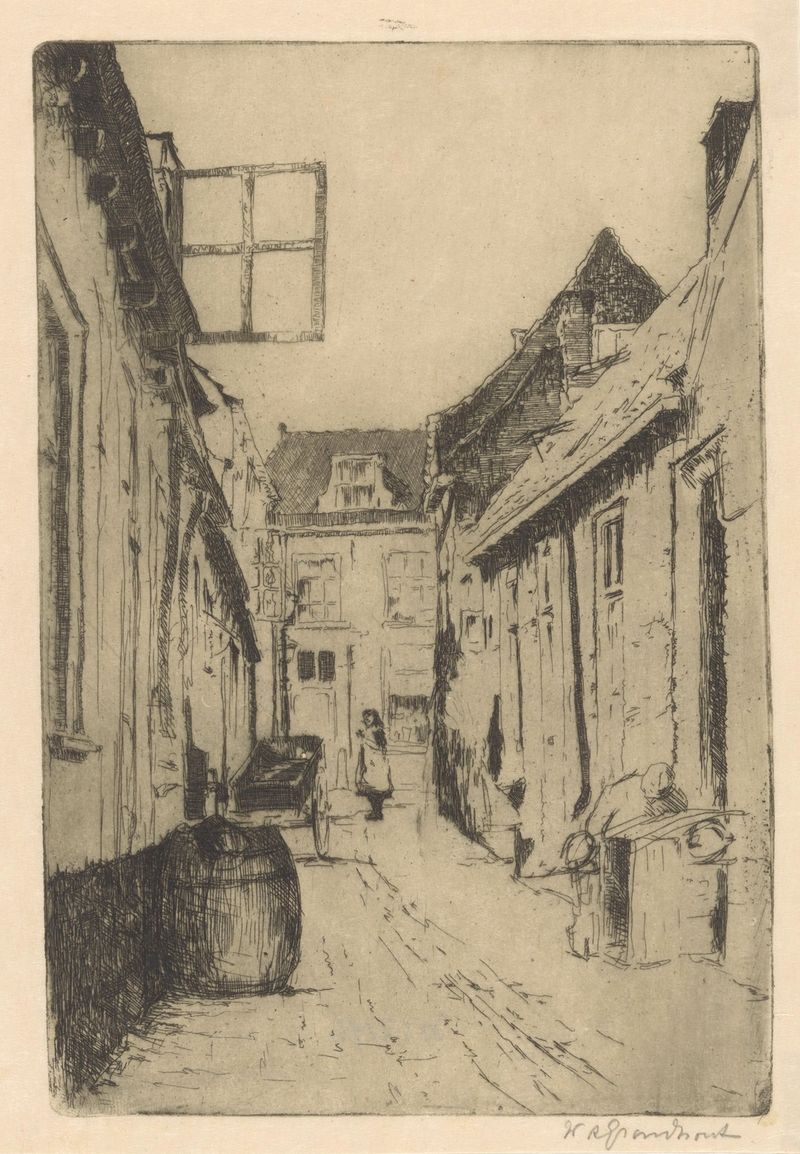
Straatje in Voorburg.
Willem Adrianus Grondhout
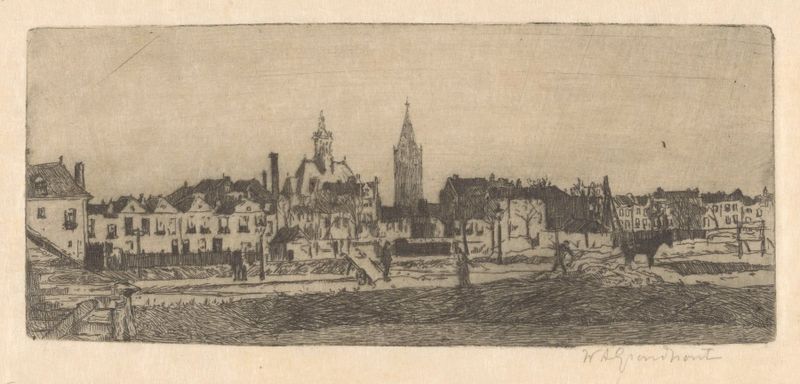
Delft
Willem Adrianus Grondhout