Ulm — History & Facts
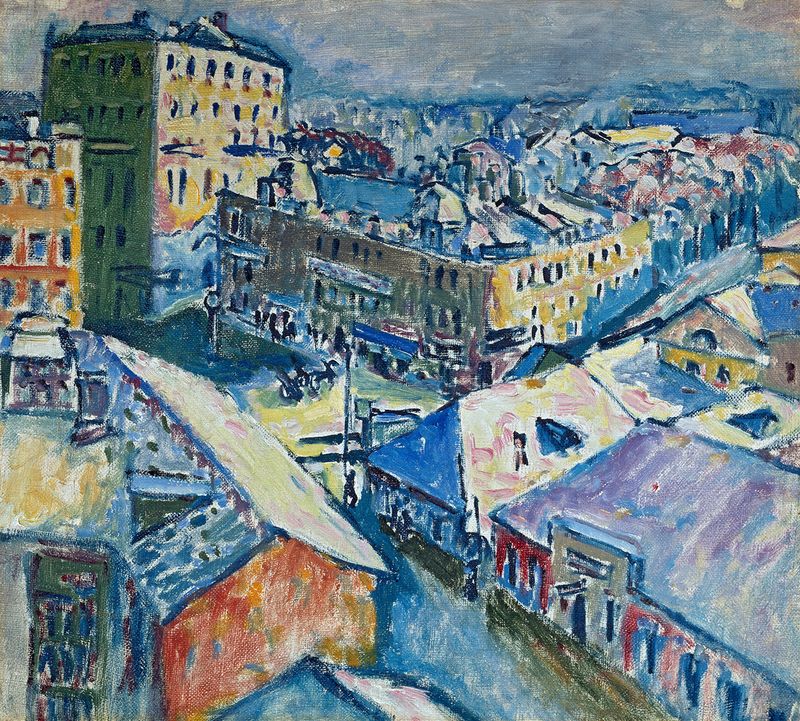
In the vibrant world of color, emotions intertwine and memories are etched in hues. Here, the transformative power of paint invites us to explore the depths of human experience captured on canvas. Look to the left at the bold swath of azure, where it meets a warm ochre that seems to pulse with life. The artist employs a dynamic interplay of colors that capture both the vitality of Ulm’s landscape and the essence of its spirit.
Fluid brushstrokes create a sense of movement, guiding the viewer’s gaze across the canvas as if navigating through a living panorama. Each layer reveals depth, inviting contemplation in the shadows and light that dance together. Beneath the surface, contrasting colors evoke a sense of duality—tranquility alongside vibrancy, nostalgia against the immediacy of the present. Subtle detail, such as the fragmented shapes that emerge from the blended colors, hints at memories of a place that is both familiar and elusive.
This tension between the abstract and representational challenges the viewer to decipher their own connection to the landscape and forge a personal narrative amidst the vivid colors. During the years between 1888 and 1934, the artist worked in a period marked by significant transitions in both his life and the art world. Living in the Netherlands, Grondhout witnessed the evolution from traditional techniques to modernist innovations. His focus on color and emotion reflects a broader movement in art that sought to transcend realism, echoing a growing fascination with expressionism and abstraction.
More Artworks by Willem Adrianus Grondhout
Browse all →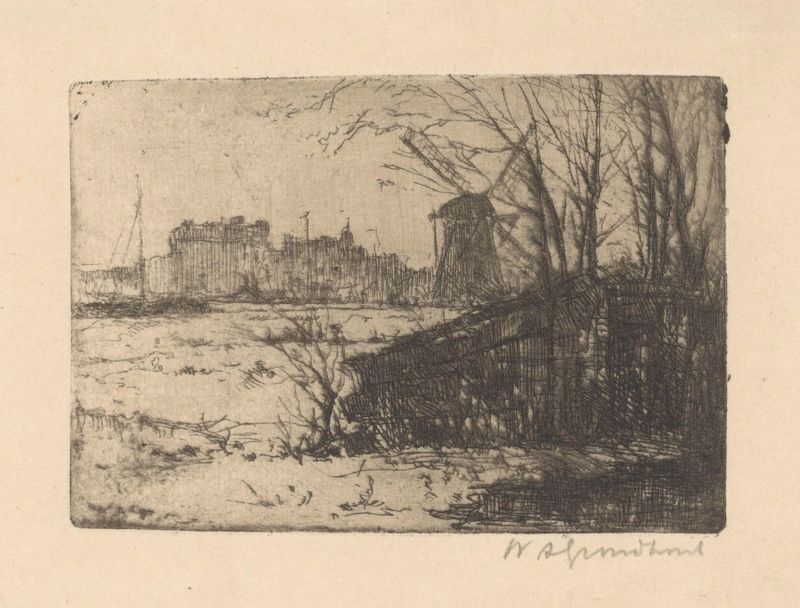
Landschap met molen in de Binckhorst in Den Haag
Willem Adrianus Grondhout
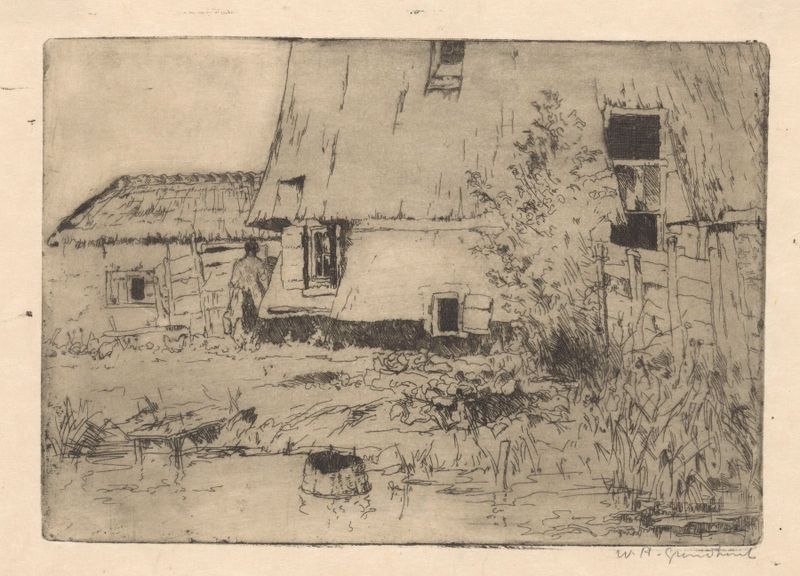
Voet van een molen in Voorburg
Willem Adrianus Grondhout
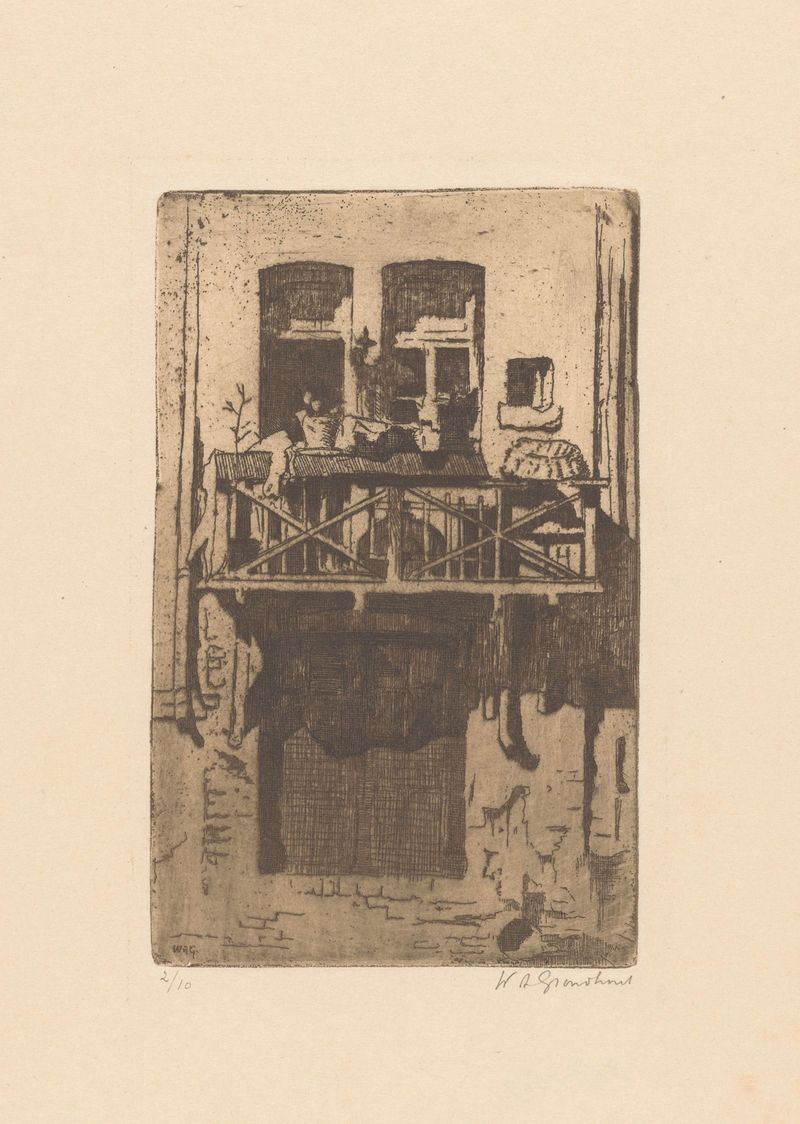
Balkon van een huis aan de Oudezijds Kolk in Amsterdam
Willem Adrianus Grondhout
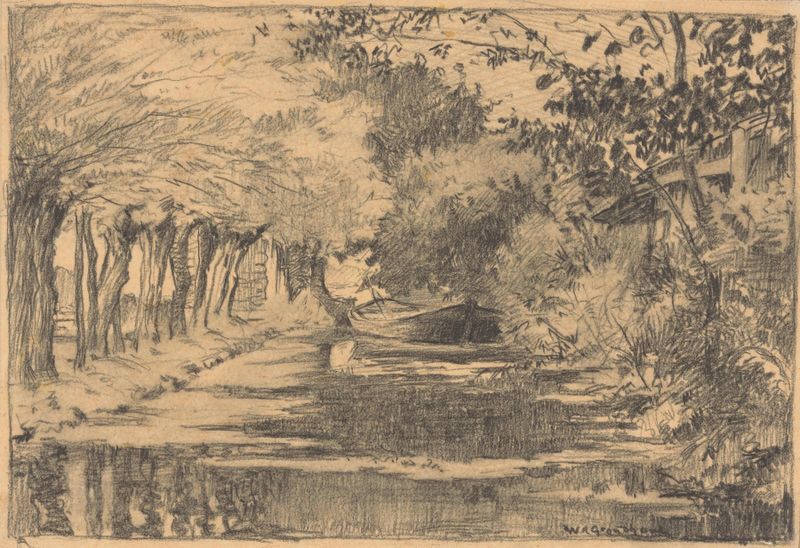
Broeksloot bij Voorburg
Willem Adrianus Grondhout
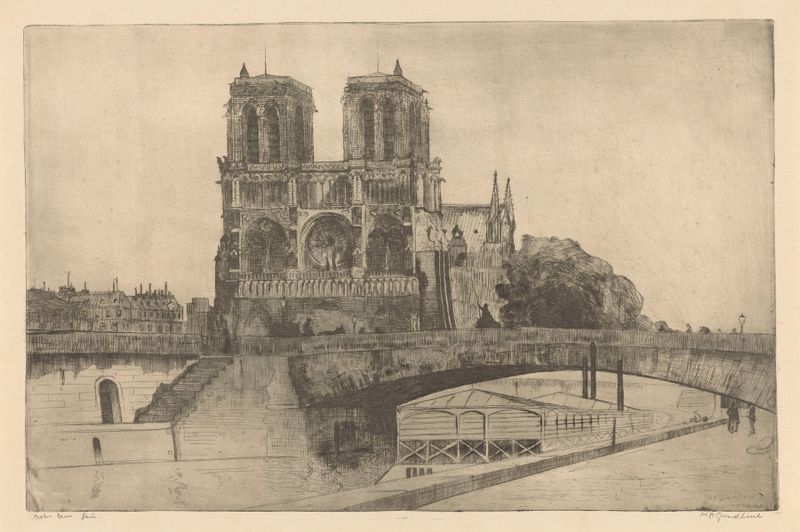
Notre-Dame, Paris
Willem Adrianus Grondhout
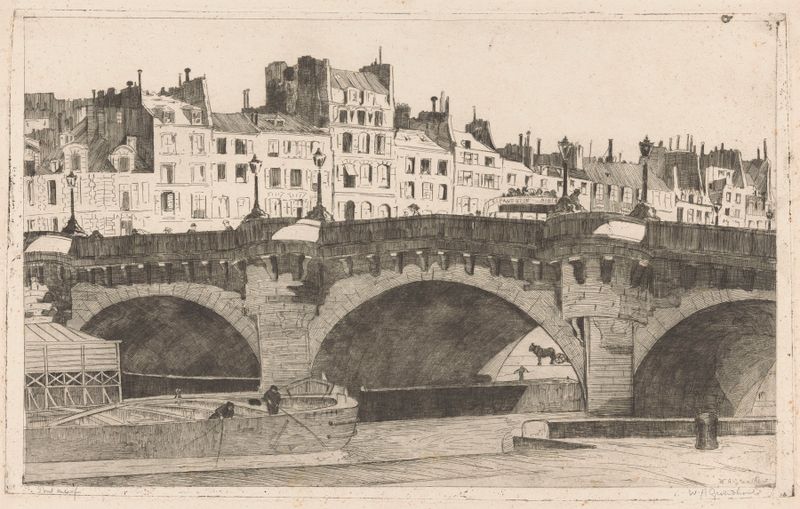
Pont Neuf
Willem Adrianus Grondhout
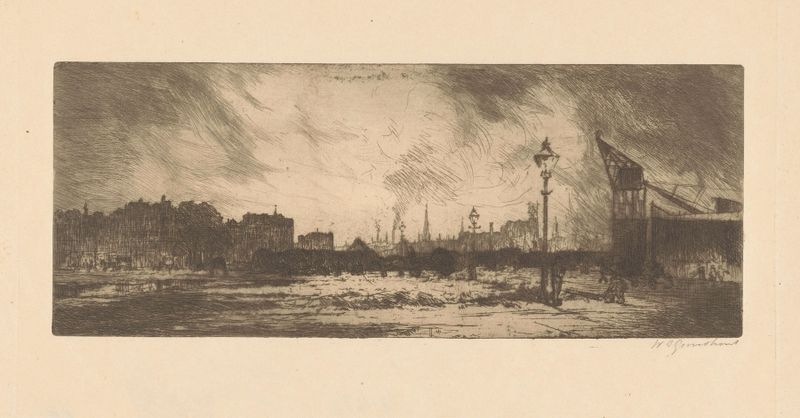
Havenkade met lantaarnpalen in Rotterdam
Willem Adrianus Grondhout
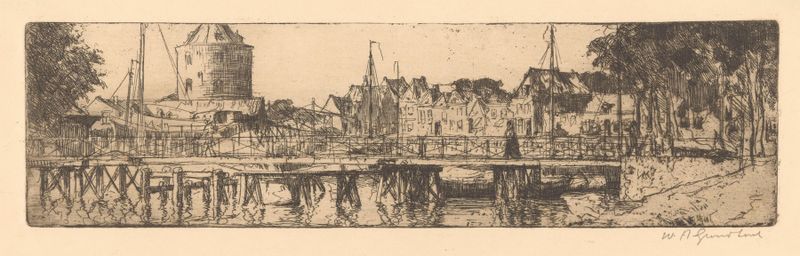
Enkhuizen
Willem Adrianus Grondhout
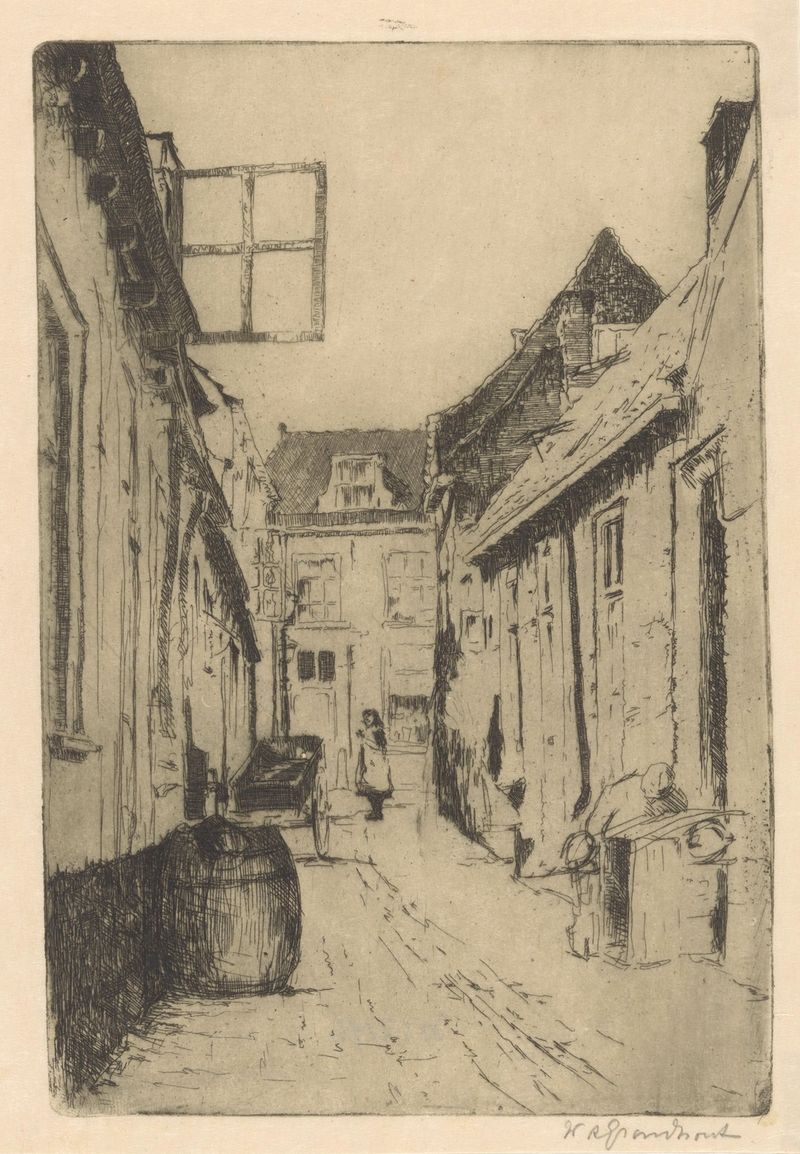
Straatje in Voorburg.
Willem Adrianus Grondhout
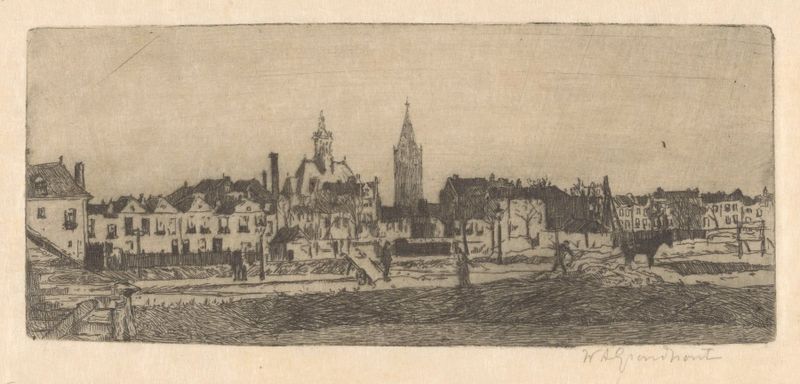
Delft
Willem Adrianus Grondhout