
Ulm — History & Facts
Could a single brushstroke hold eternity? In the stillness of Ulm, an expansive void invites contemplation, enveloping the viewer in a spell of introspection. Look to the left at the horizon line, where muted grays kiss soft, silent blues. The composition breathes simplicity, yet there is a profound weight in the emptiness that Grondhout captures. The strokes are deliberate, each layered with intention, and the canvas whispers a quiet dialogue between light and shadow.
The absence of detail begs the eye to linger, to trace the subtle variations of color that create a sense of depth, suggesting a world beyond what is depicted. Delve deeper into the starkness; here lies the emotional tension between presence and absence. The void can be interpreted as a metaphor for isolation, or perhaps the exploration of the human condition in an ever-expanding universe. The faint textures on the surface ripple with the unspoken, evoking a haunting recognition of what is left unsaid.
Each brushstroke resonates with the echo of thoughts lingering in the air, a moment suspended in time that reflects an inner landscape filled with longing. During the years between 1888 and 1934, Grondhout created Ulm amidst the backdrop of a world grappling with change. He was navigating personal challenges, while the art world experienced shifts towards modernism and abstraction. In this space of uncertainty, the artist found clarity in minimalism, utilizing it to probe the depths of human experience.
This work stands as a testament to that era's exploration of solitude and existence, captured eloquently on canvas.
More Artworks by Willem Adrianus Grondhout
Browse all →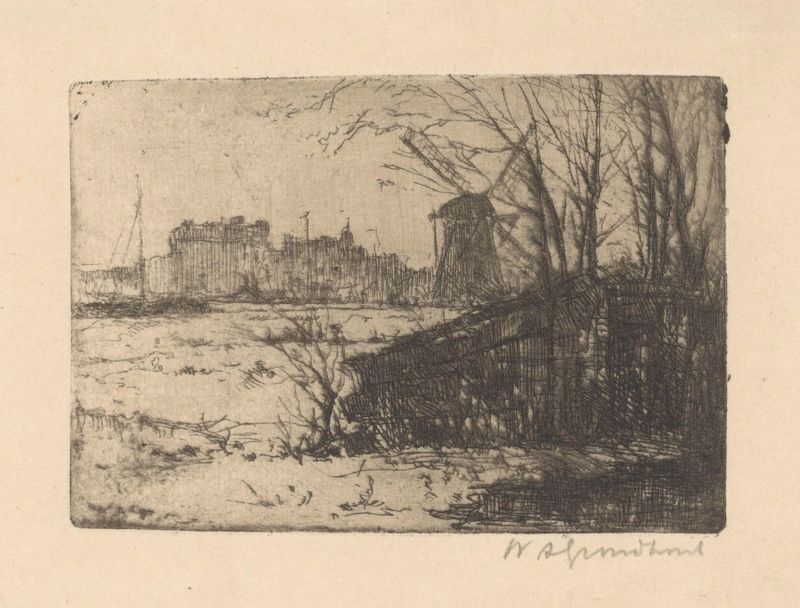
Landschap met molen in de Binckhorst in Den Haag
Willem Adrianus Grondhout
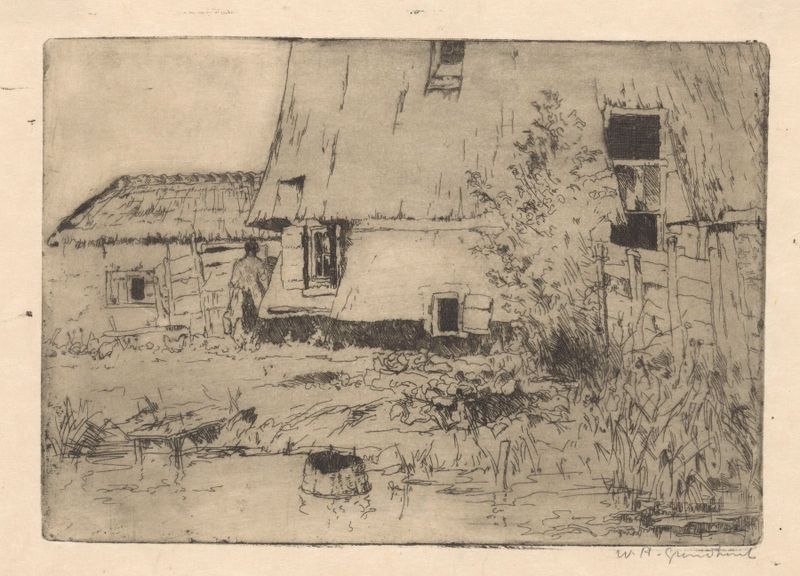
Voet van een molen in Voorburg
Willem Adrianus Grondhout
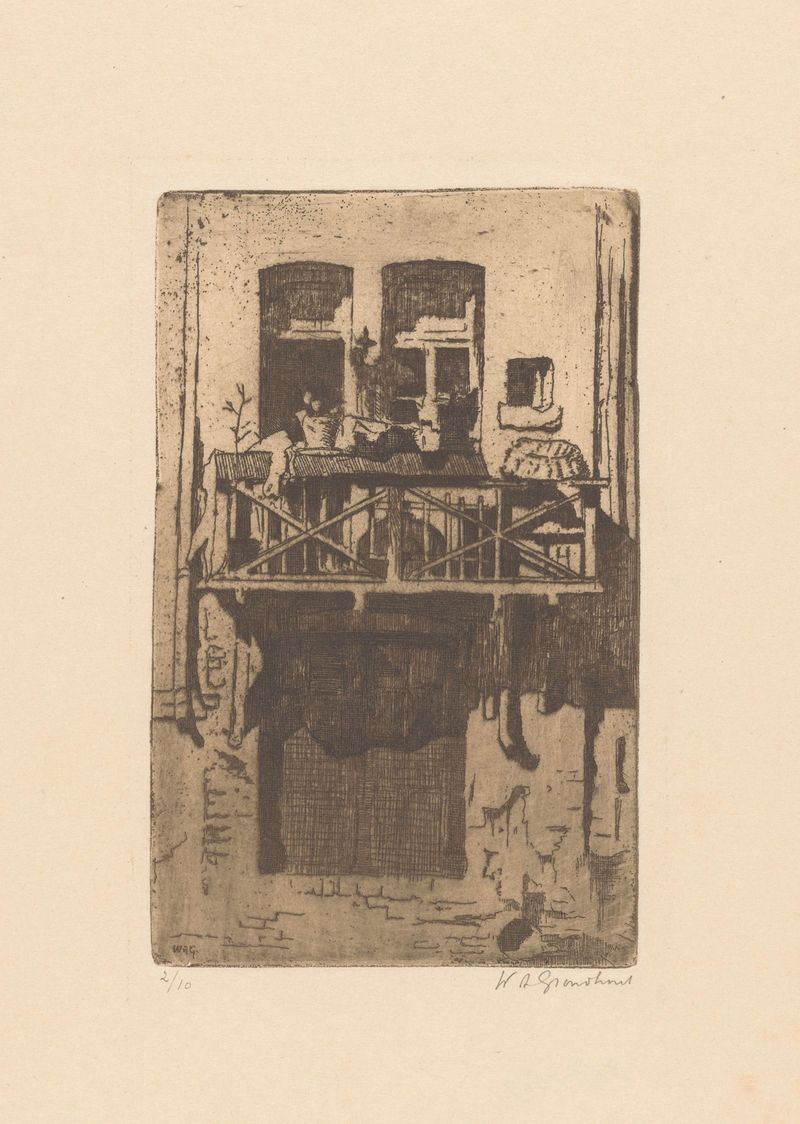
Balkon van een huis aan de Oudezijds Kolk in Amsterdam
Willem Adrianus Grondhout
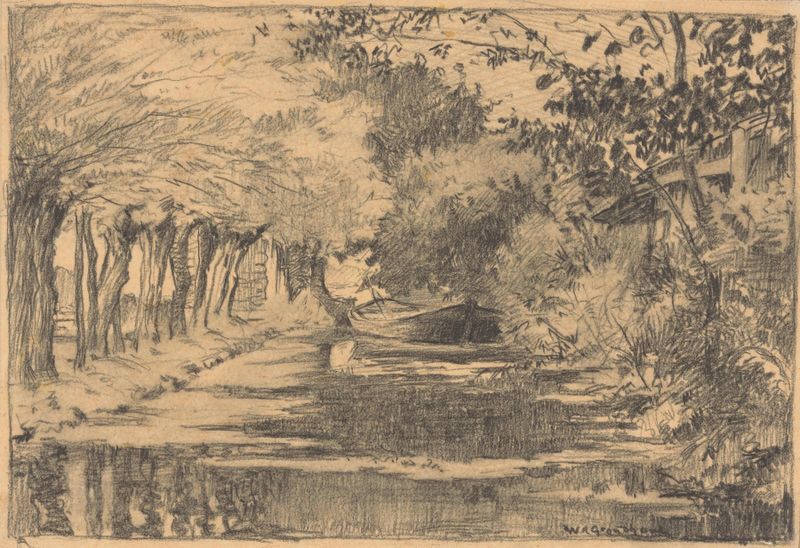
Broeksloot bij Voorburg
Willem Adrianus Grondhout
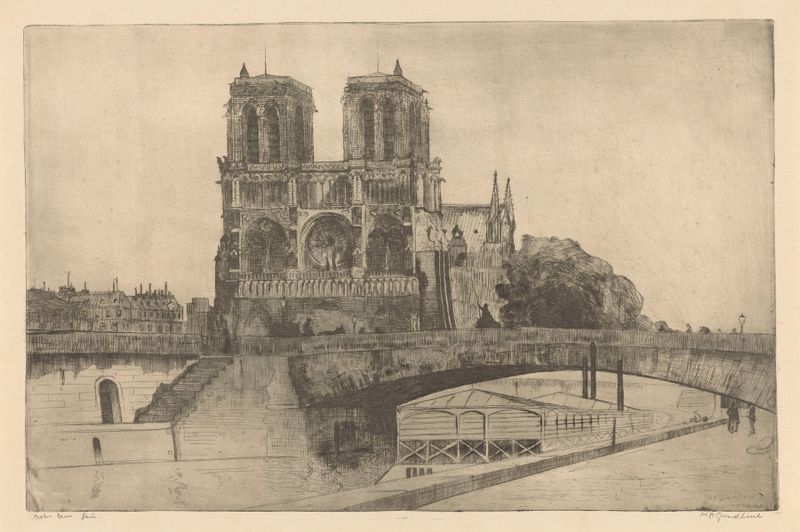
Notre-Dame, Paris
Willem Adrianus Grondhout
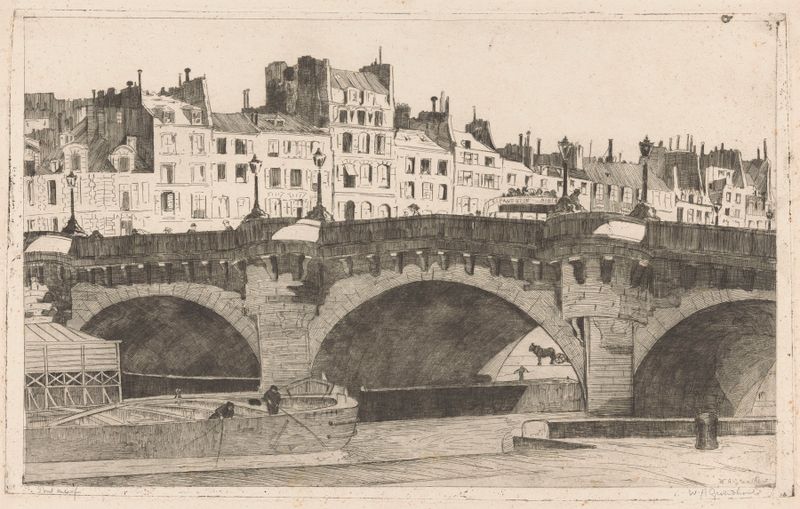
Pont Neuf
Willem Adrianus Grondhout
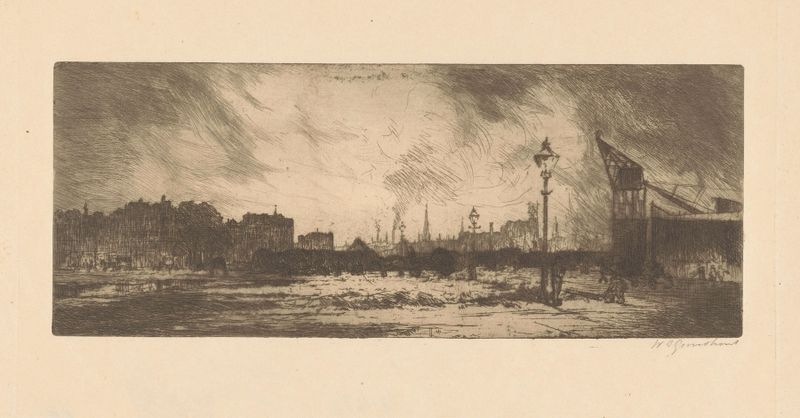
Havenkade met lantaarnpalen in Rotterdam
Willem Adrianus Grondhout
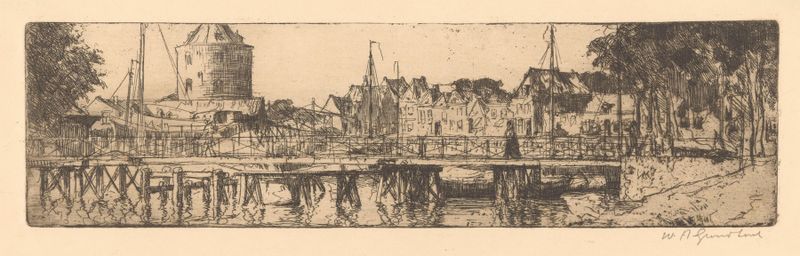
Enkhuizen
Willem Adrianus Grondhout
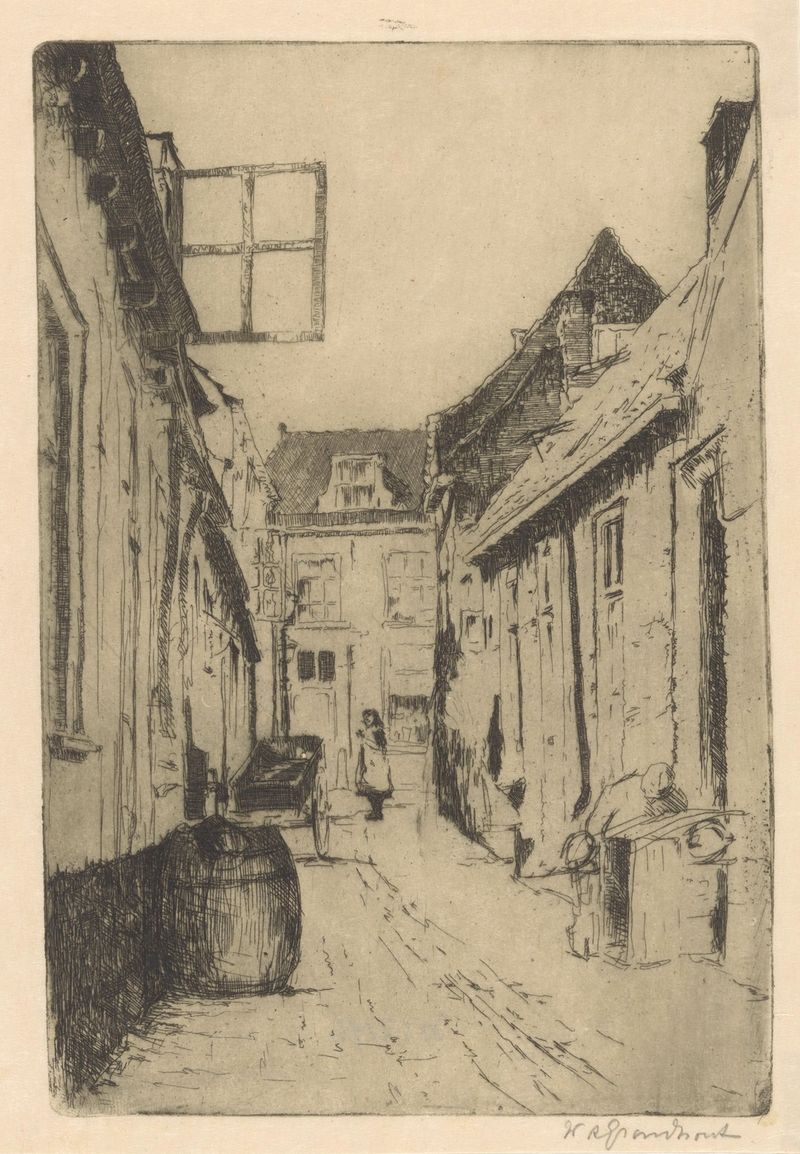
Straatje in Voorburg.
Willem Adrianus Grondhout
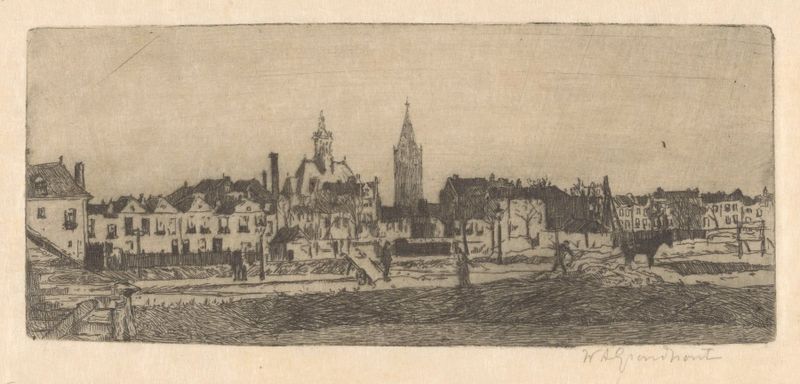
Delft
Willem Adrianus Grondhout





