
Un Hôtel de la rue d’Anjou — History & Facts
Is this a mirror — or a memory? The boundaries between reality and illusion blur, inviting viewers to reflect on their own perceptions of space and time. Look to the left at the graceful archways that frame the scene, each portal a gateway into a different world. The delicate play of light dances across the finely rendered surfaces, revealing intricate details that speak to a masterful command of technique. Soft hues blend harmoniously, evoking a sense of nostalgia that permeates the air, while the meticulous lines draw your gaze toward the inviting, yet enigmatic, interior. The painting captures a moment suspended in time, where the architecture serves not just as a backdrop but as a living entity steeped in stories.
Notice how the reflections in the windows suggest the presence of unseen figures, hinting at life beyond the canvas. There’s a tension between the structured environment and the softness of the light, reflecting the delicate balance between creation and the fleeting nature of memory itself. In 1926, the artist was influenced by the Art Deco movement, which emphasized elegance and modernity. Living in a rapidly changing world, he found inspiration in the architectural beauty of Paris, where this work was created.
It was a time when artists were exploring new forms of expression, and Boberg’s unique interpretation of space and light sought to capture the essence of contemporary life while reflecting on the enduring nature of human experience.
More Artworks by Ferdinand Boberg
Browse all →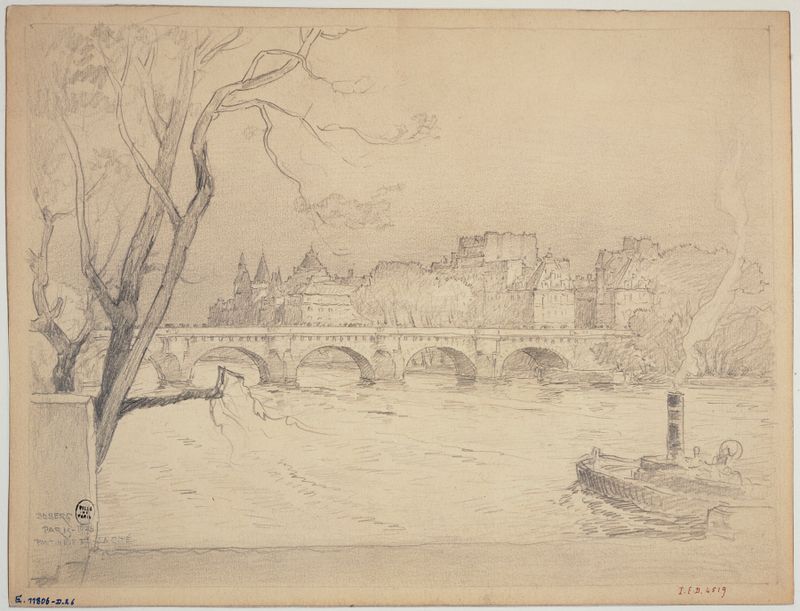
Le Pont-Neuf et la Cité
Ferdinand Boberg
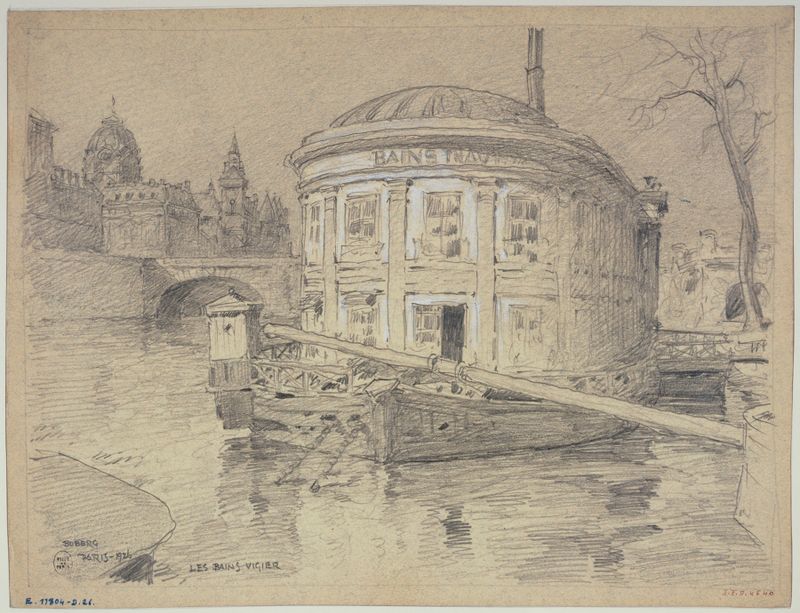
Les bains Vigier au Pont-Neuf
Ferdinand Boberg
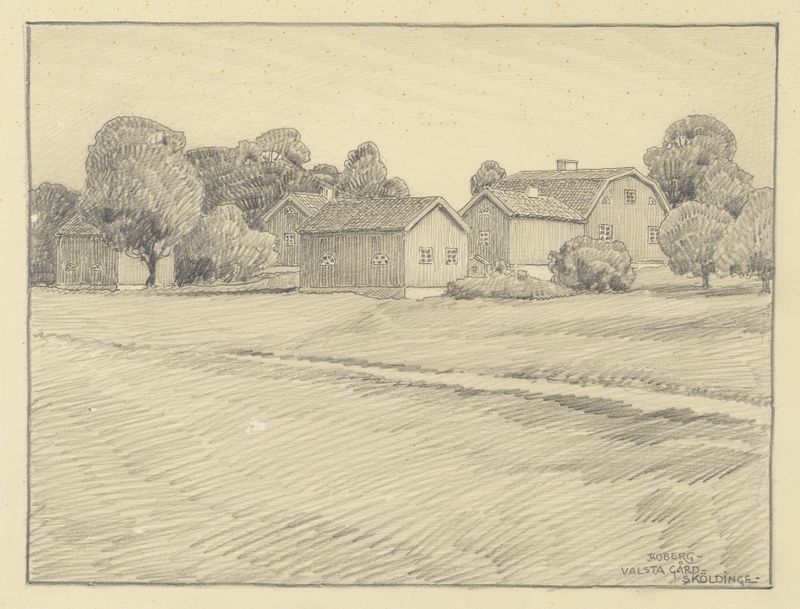
Valsta Gård
Ferdinand Boberg
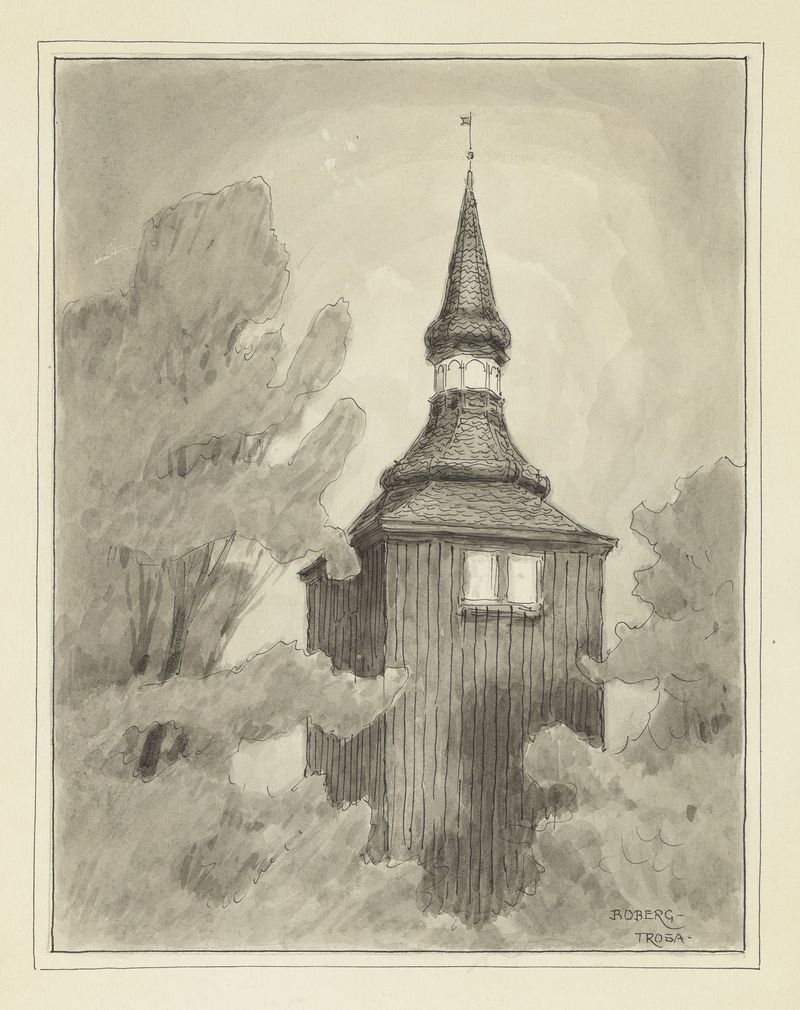
Trosa
Ferdinand Boberg
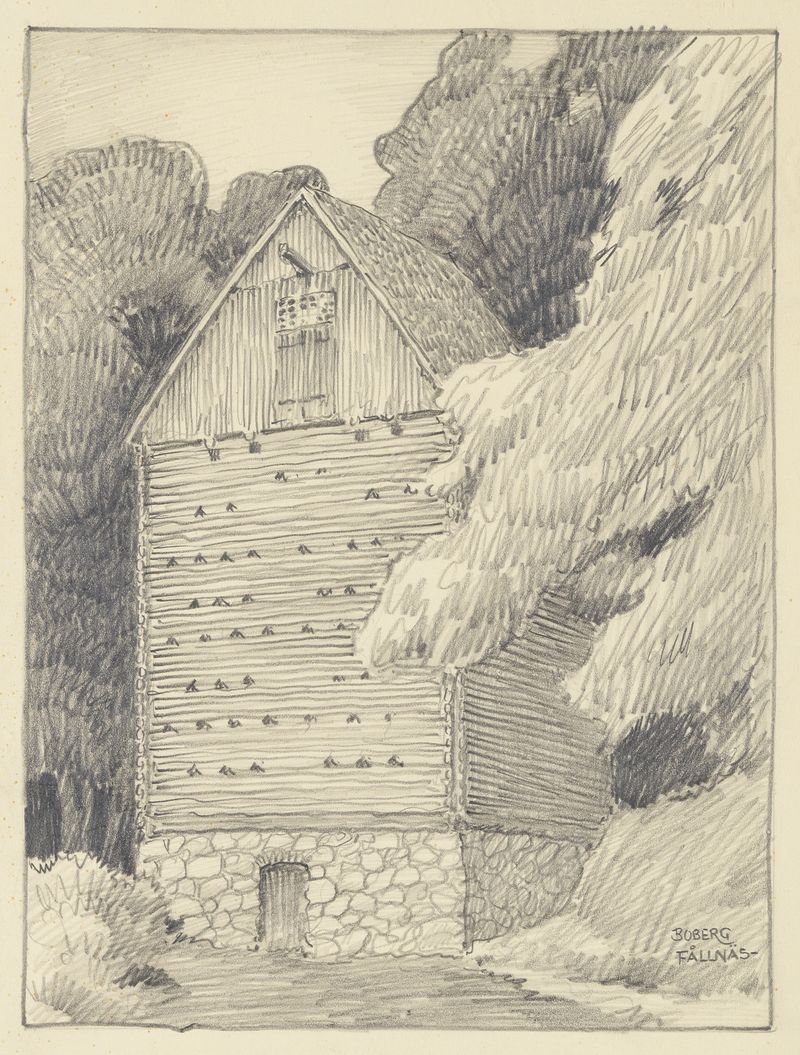
Fållnäs
Ferdinand Boberg
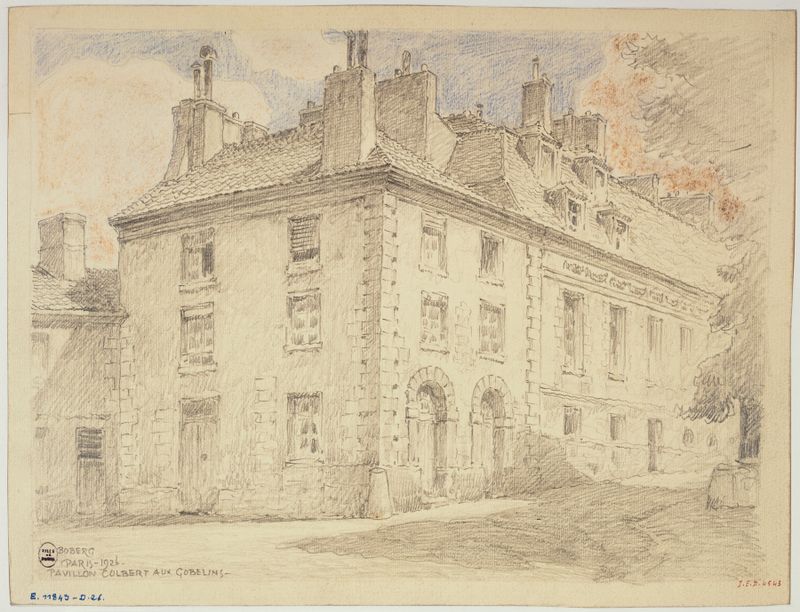
Le pavillon Colbert aux Gobelins
Ferdinand Boberg
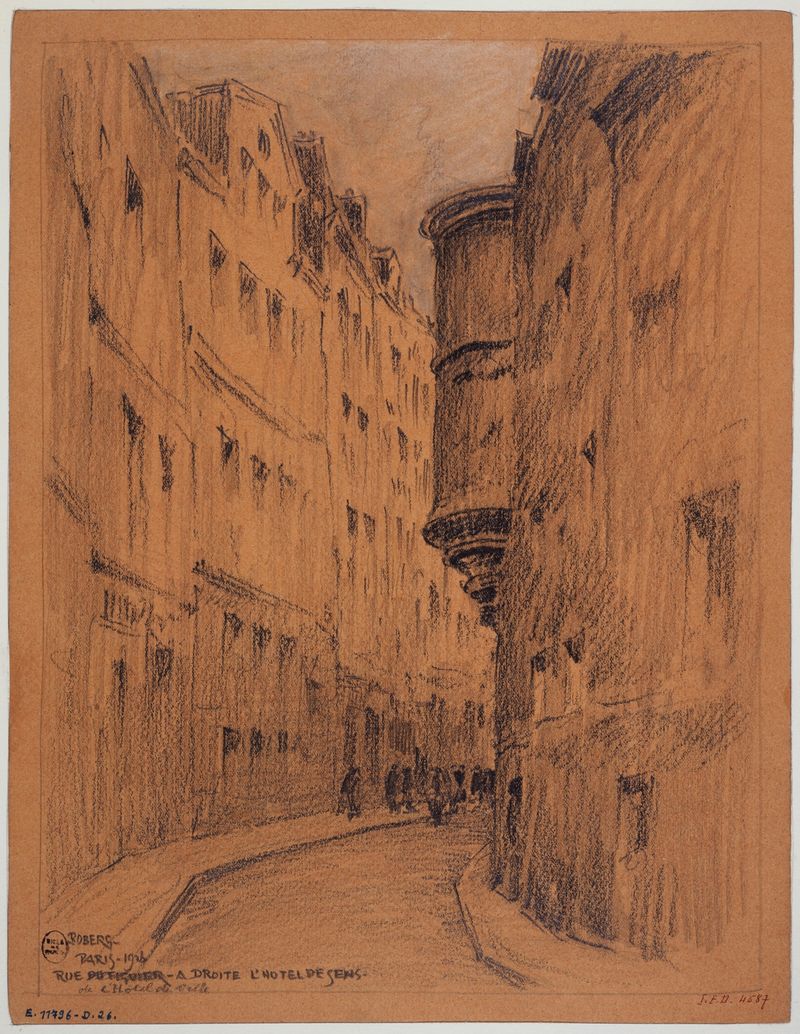
Rue de l’Hôtel de Ville; l’hôtel de Sens
Ferdinand Boberg
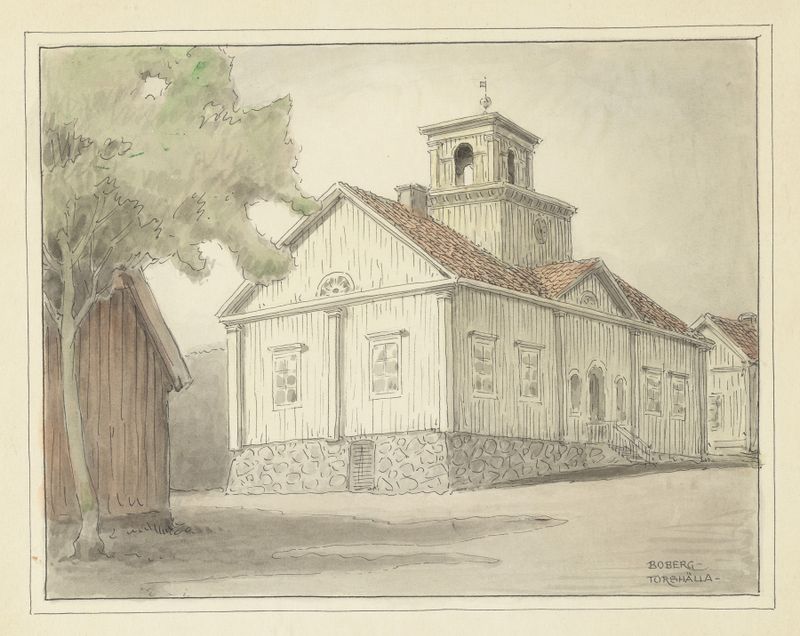
Torshälla
Ferdinand Boberg
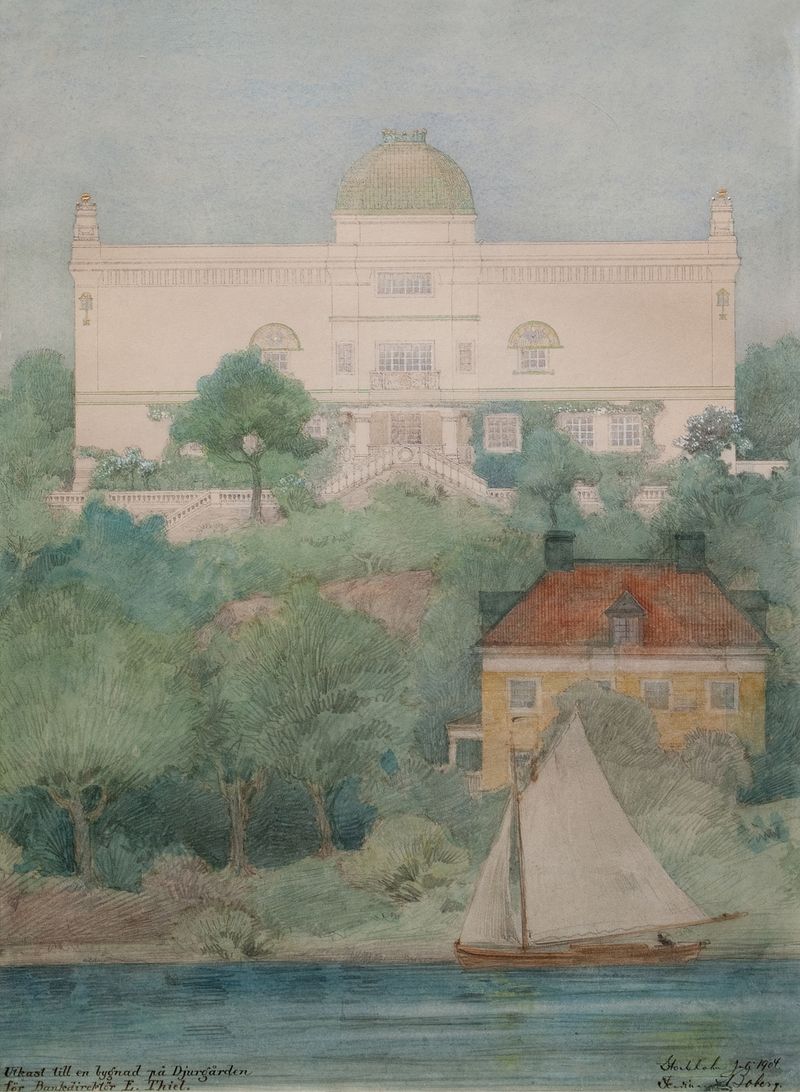
Sketch for a building for Thiel’s Gallery
Ferdinand Boberg
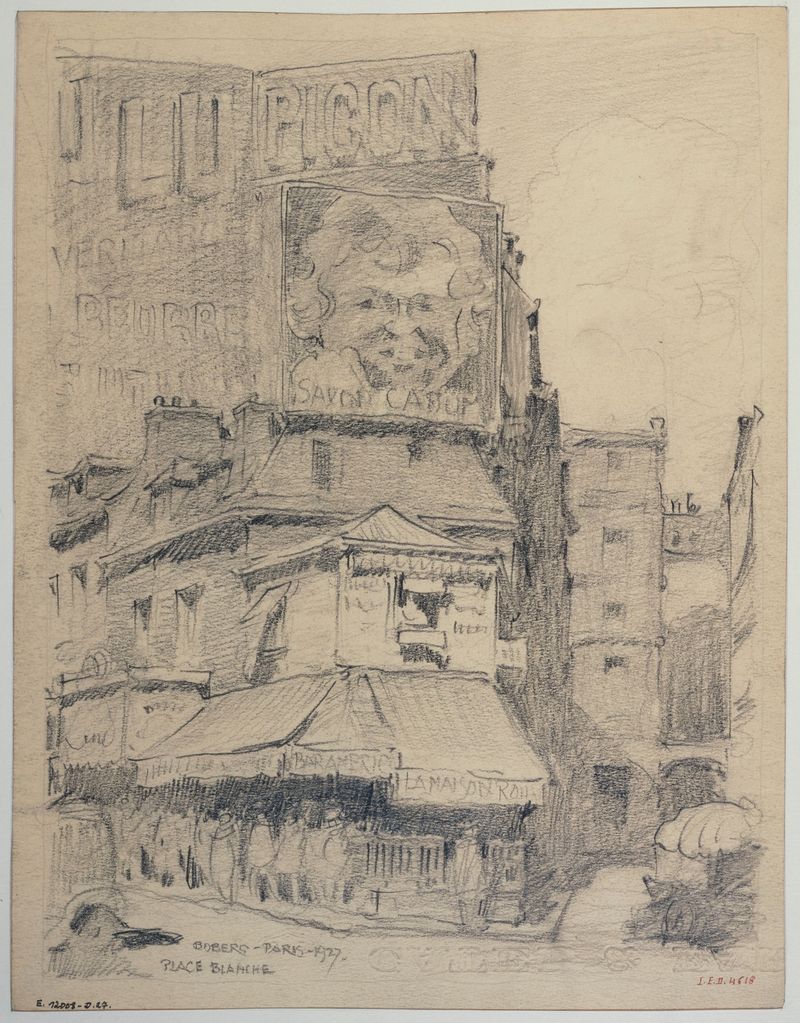
La place Blanche
Ferdinand Boberg
More Architecture Art
Browse all →
The statue of Liberty
Frédéric Auguste Bartholdi

View of Houses in Delft, Known as ‘The Little Street’
Johannes Vermeer

View of Houses in Delft, Known as ‘The Little Street’
Johannes Vermeer

The Cathedral in Rouen. The portal, Grey Weather
Claude Monet

The yellow house
Vincent van Gogh

The Church in Auvers-sur-Oise, View from the Chevet
Vincent van Gogh