
Un Matin De Pluie — History & Facts
Is this a mirror — or a memory? In Un Matin De Pluie, one might find both, as the delicate balance of nature and human experience intertwines seamlessly on the canvas. Focus first on the gentle cascade of rain, where droplets are captured mid-fall, blurring the line between reality and a dream-like state. The palette of soft greens and muted browns lends an air of tranquility, while the luminous sky peeks through the veil of clouds, inviting a sense of hope. Notice how the figures in the foreground, slightly obscured by the rain, evoke a sense of intimacy amid isolation, their gestures suggesting both connection and solitude. The contrast between movement and stillness is profound; the flowing water mirrors the characters’ contemplative poses, creating a rhythm that pulsates throughout the painting.
The umbrellas, bright yet solitary against the muted backdrop, symbolize protection against the elements but also hint at the barriers we erect in life. Each element, from the bending trees to the quiet figures, serves as a reminder of nature’s persistent presence and the emotional tides that accompany human existence. Henri Rousseau painted Un Matin De Pluie during a time of artistic upheaval in late 19th-century France, when impressionism was capturing the public's imagination. Living in Paris, he was largely self-taught and working outside of the mainstream art world, which influenced his unique, naive style.
This period was characterized by exploration and innovation, reflecting the broader societal shifts toward modernity.
More Artworks by Henri Rousseau
Browse all →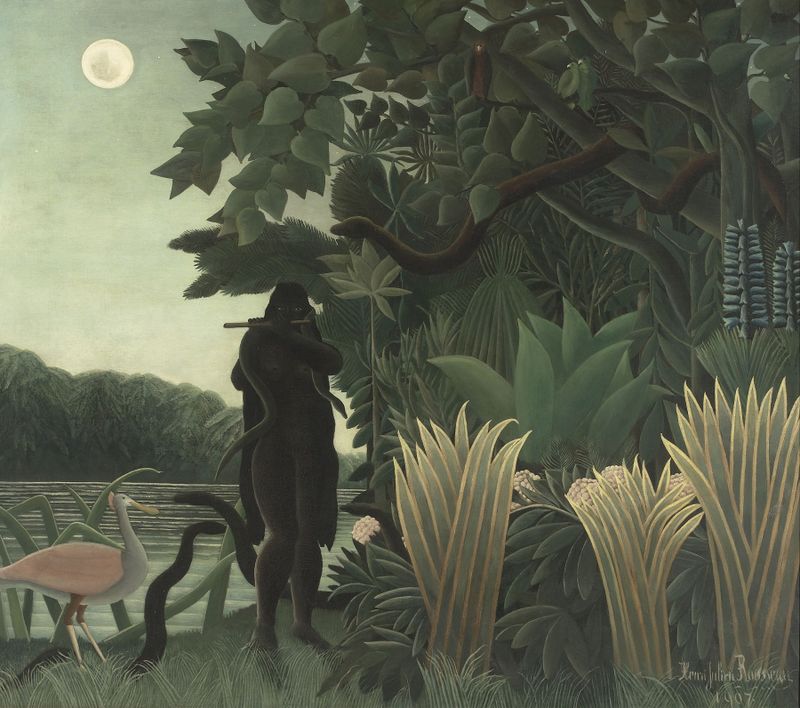
The Snake Charmer
Henri Rousseau
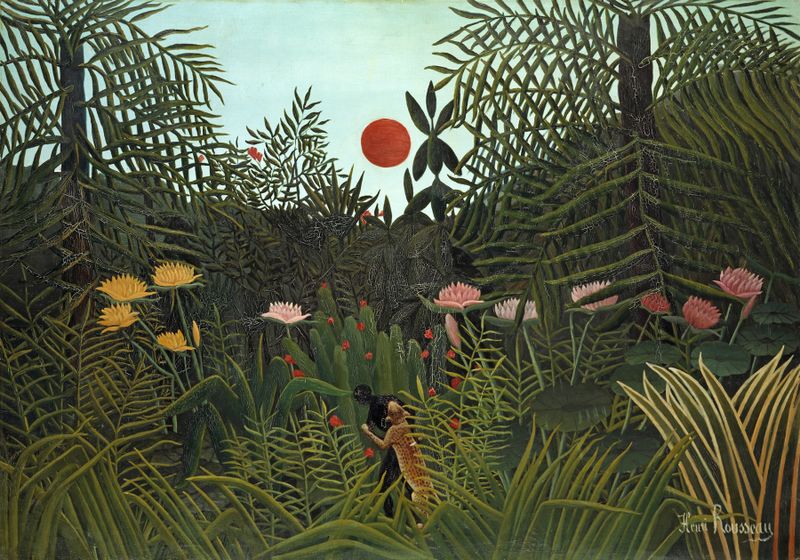
Jungle with Setting Sun
Henri Rousseau
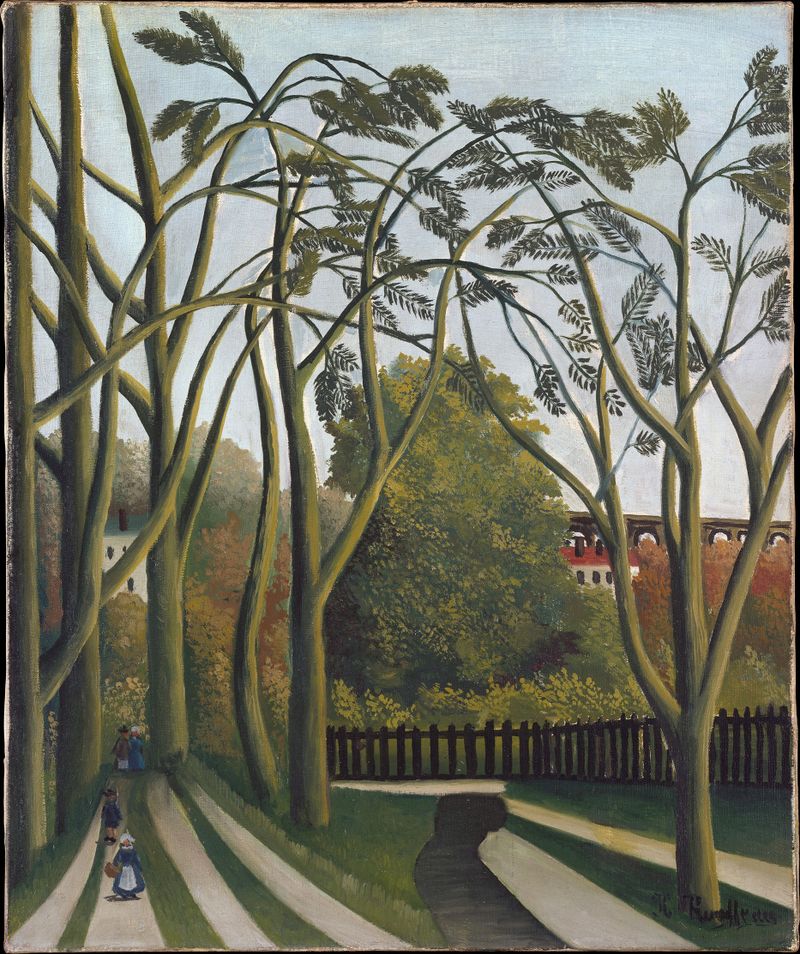
The Banks of the Bièvre near Bicêtre
Henri Rousseau
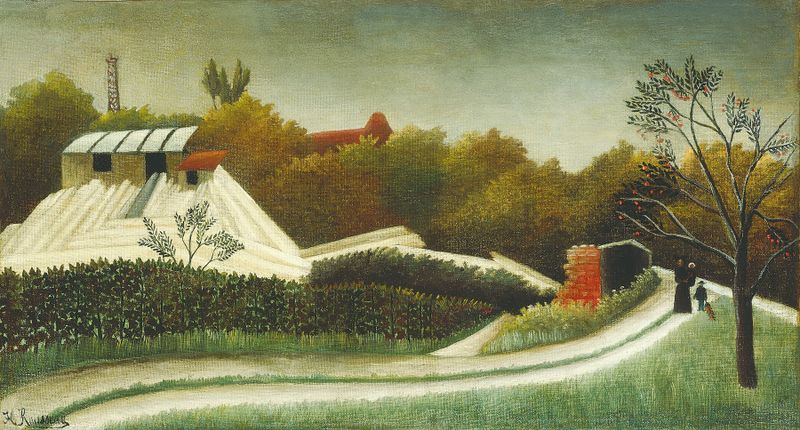
Sawmill, Outskirts of Paris
Henri Rousseau
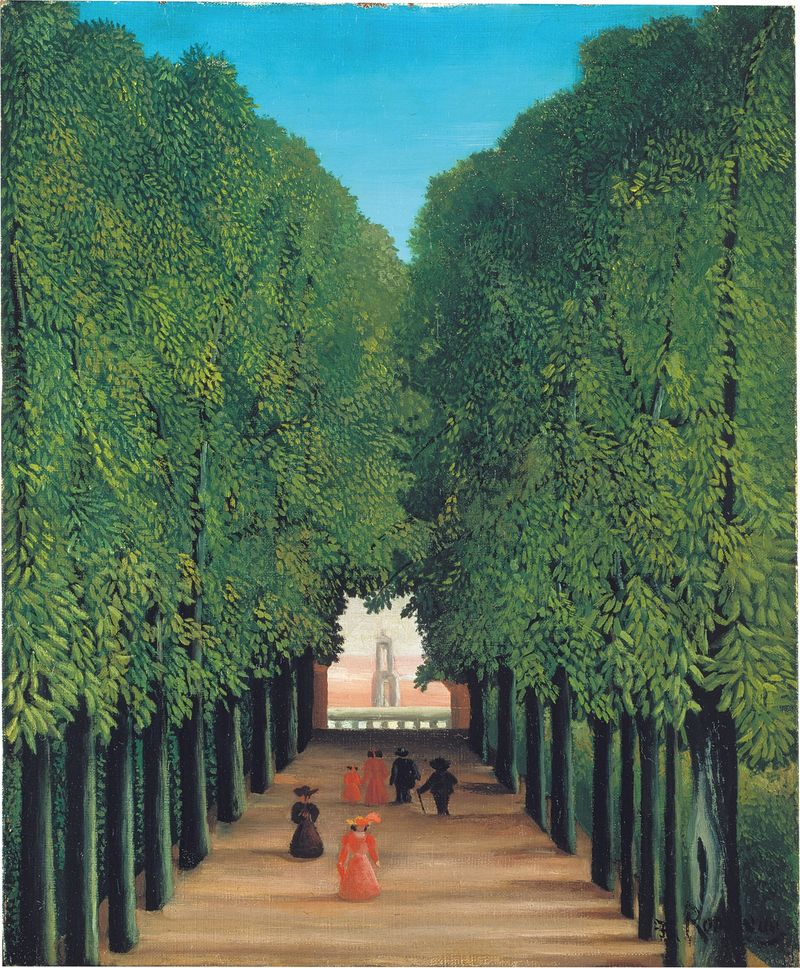
The Avenue in Saint-Cloud Park
Henri Rousseau

Sawmill, Outskirts of Paris
Henri Rousseau
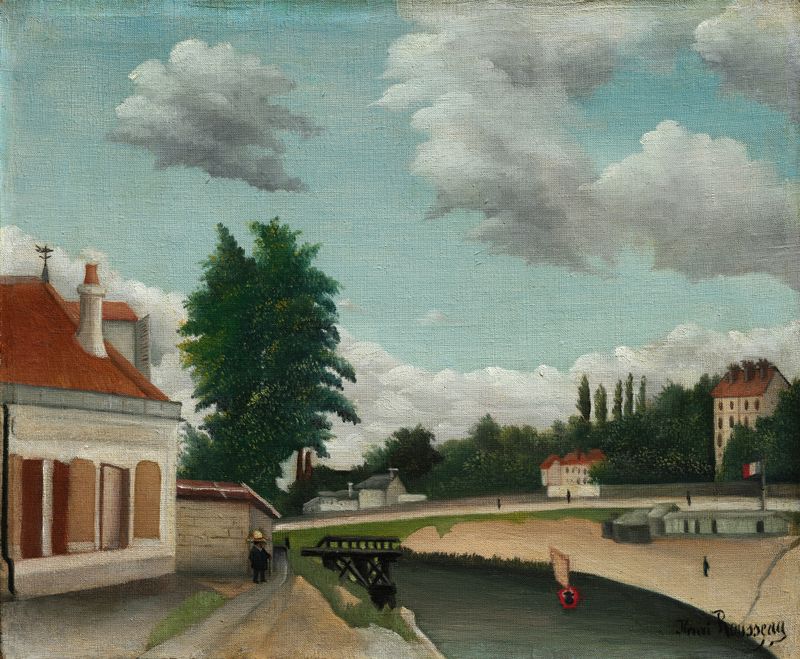
Outskirts of Paris
Henri Rousseau
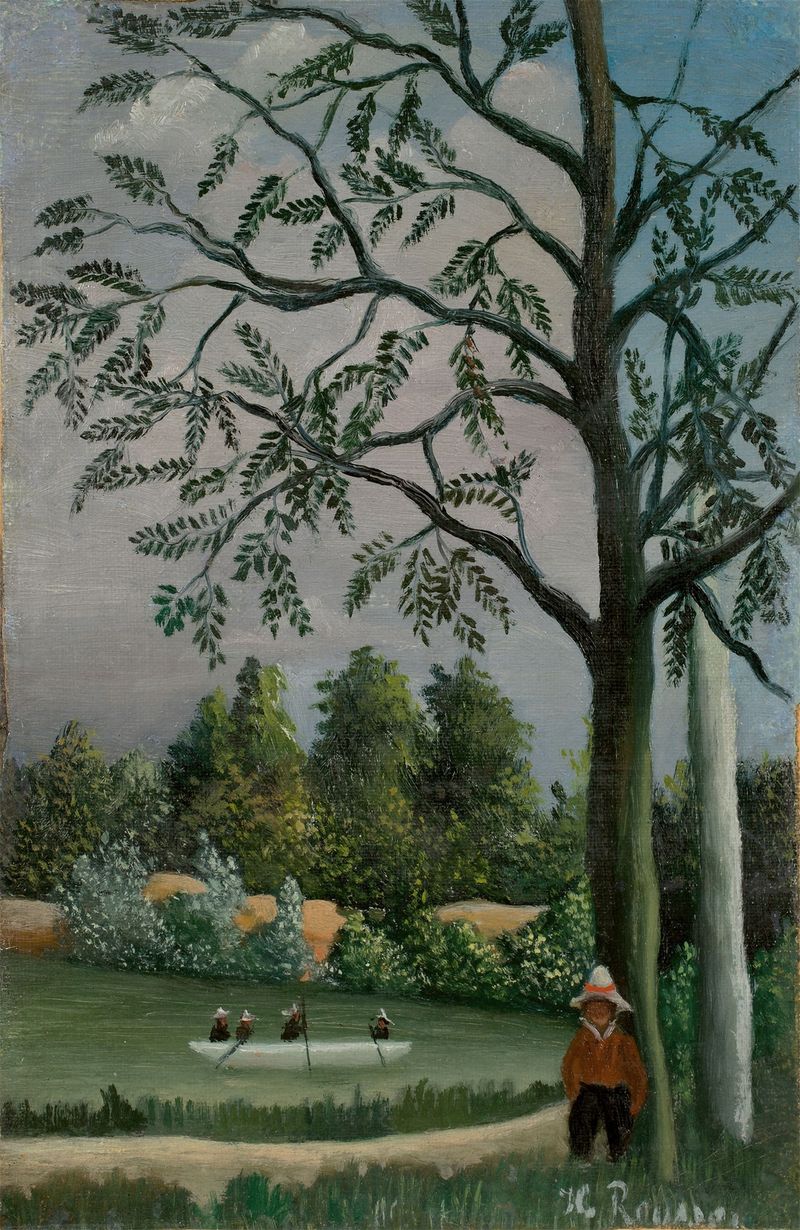
Paysage avec des pêcheurs
Henri Rousseau
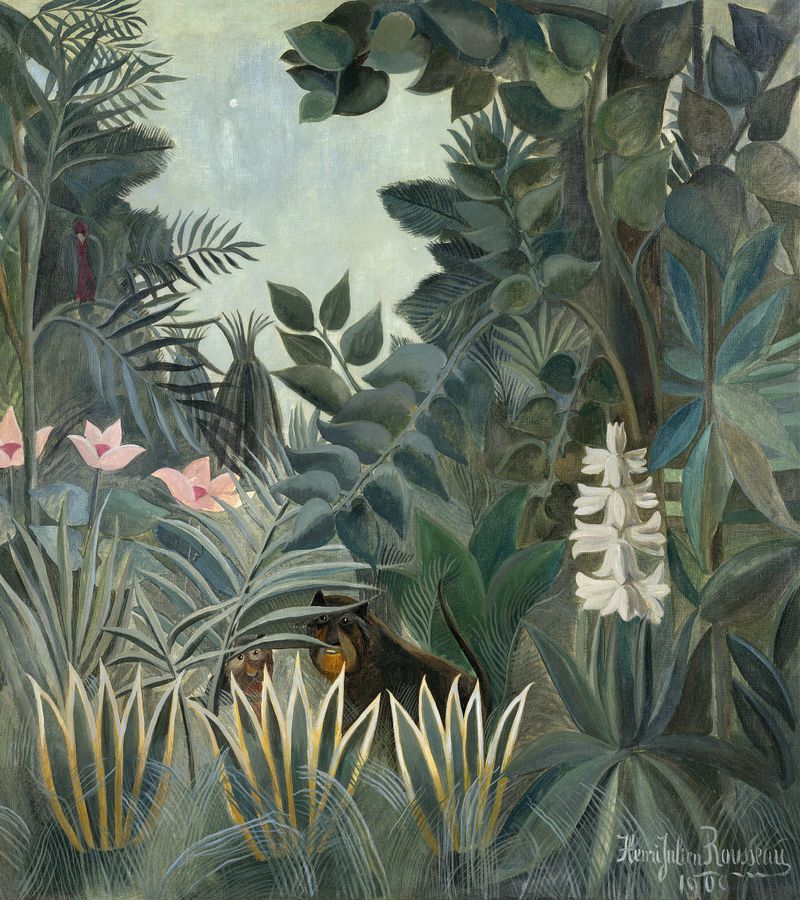
The Equatorial Jungle
Henri Rousseau
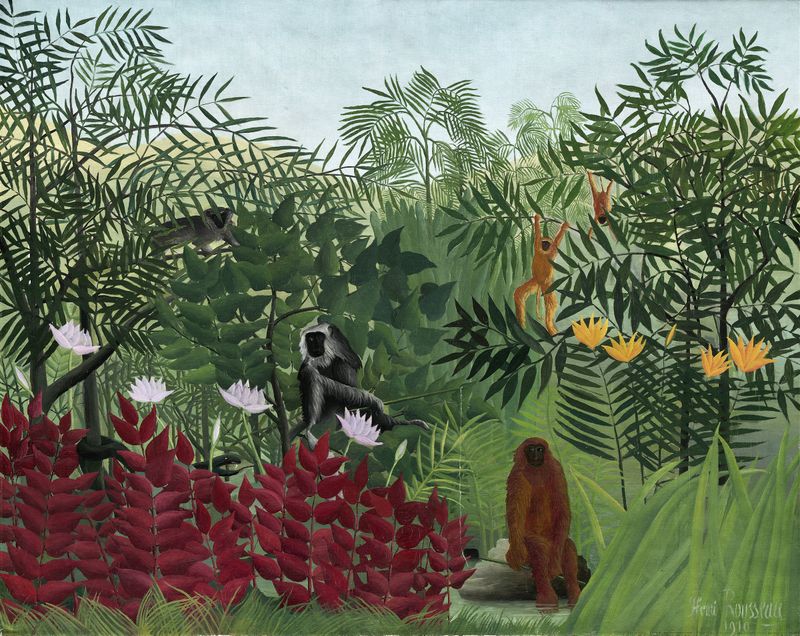
Tropical Forest with Monkeys
Henri Rousseau





