
Un moulin, dans le haut de Montmartre — History & Facts
Where does light end, and longing begin? In the delicate balance of Un moulin, dans le haut de Montmartre, we find both beauty and an unsettling undercurrent of fear lurking beneath the surface. Look closely at the bright hues that dominate the canvas, particularly the vibrant blues and soft yellows that dance together in the sky. Notice how the light spills over the windmill, casting elongated shadows that hint at a looming presence. The composition draws the eye upward, inviting you to trace the gentle curve of the landscape as it meets the horizon, yet the looming windmill remains steadfast, an enigmatic figure that evokes a sense of both safety and foreboding. The juxtaposition of the windmill against the expansive sky introduces a tension between nature and human structure.
Here, the windmill appears almost ghostly, a remnant of the past, while the surrounding landscape teeters on the brink of nostalgia. The brushwork captures the fleeting essence of time, leaving us to wonder what stories the landscape holds. This sense of longing for connection and the fear of its elusiveness resonates powerfully, allowing the viewer to reflect on their own relationship with memory and place. Ferdinand Boberg painted this piece in 1926 during a time when Montmartre was evolving from a bohemian haven into a bustling urban landscape.
Boberg, influenced by the vibrant art scene of post-war Paris, sought to capture the spirit of his surroundings through evocative landscapes. The windmill, a symbol of the area, represents both the idyllic past and the fears of change that accompanied modernization in this storied neighborhood.
More Artworks by Ferdinand Boberg
Browse all →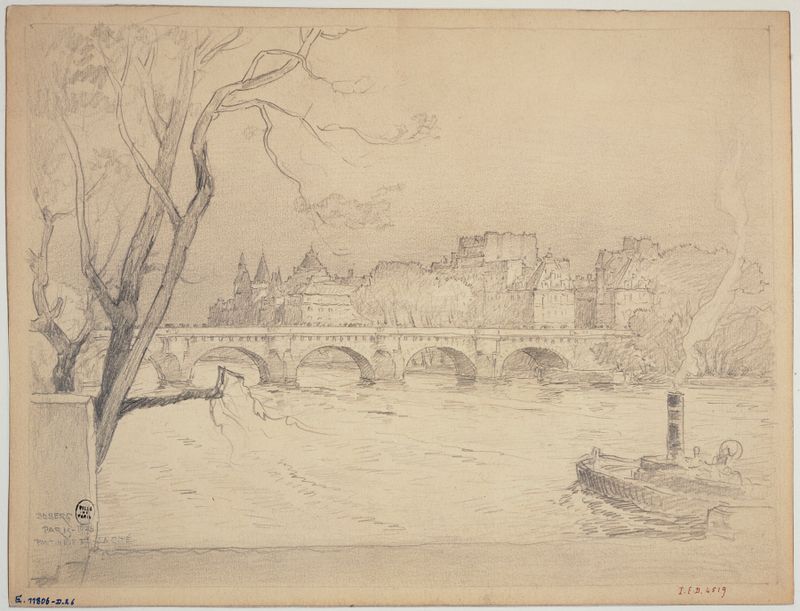
Le Pont-Neuf et la Cité
Ferdinand Boberg
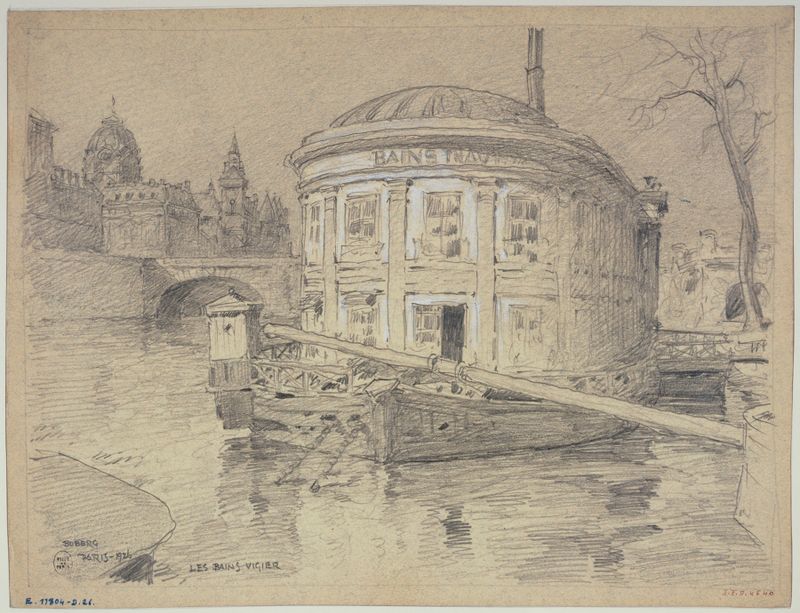
Les bains Vigier au Pont-Neuf
Ferdinand Boberg
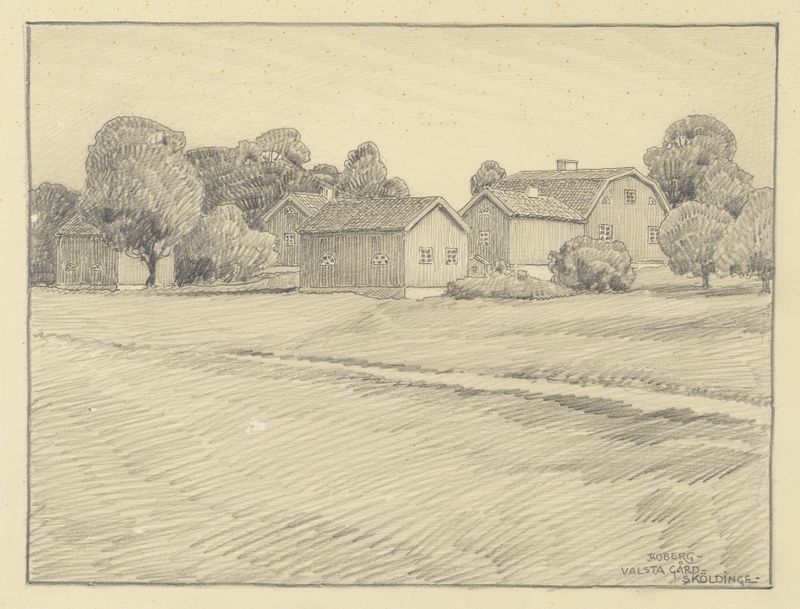
Valsta Gård
Ferdinand Boberg
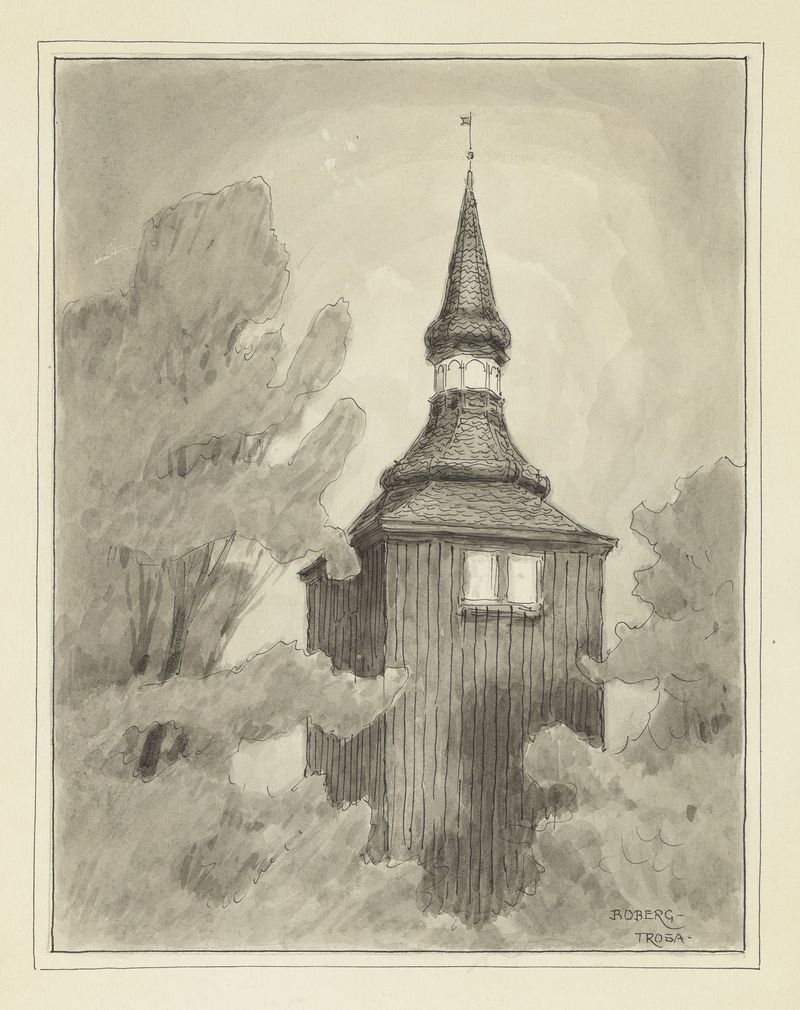
Trosa
Ferdinand Boberg
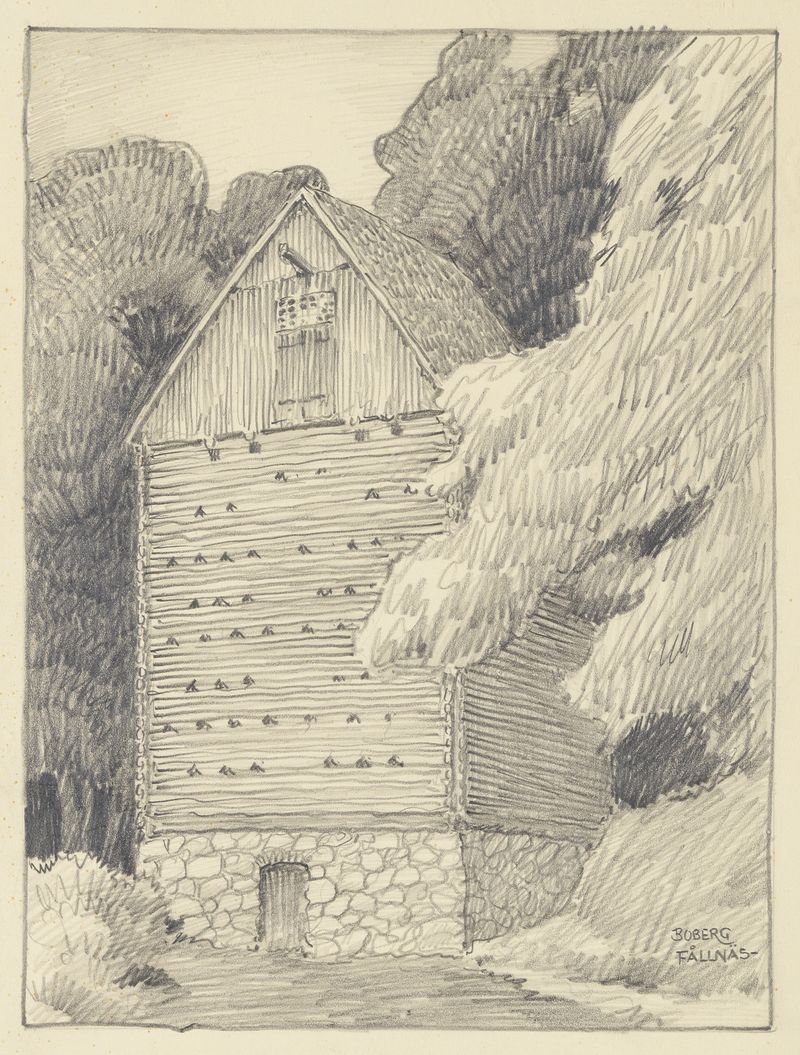
Fållnäs
Ferdinand Boberg
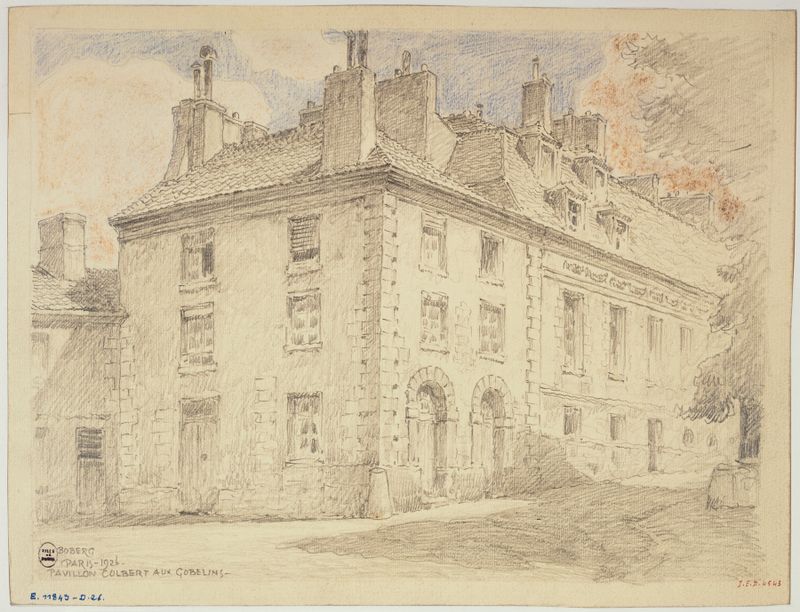
Le pavillon Colbert aux Gobelins
Ferdinand Boberg
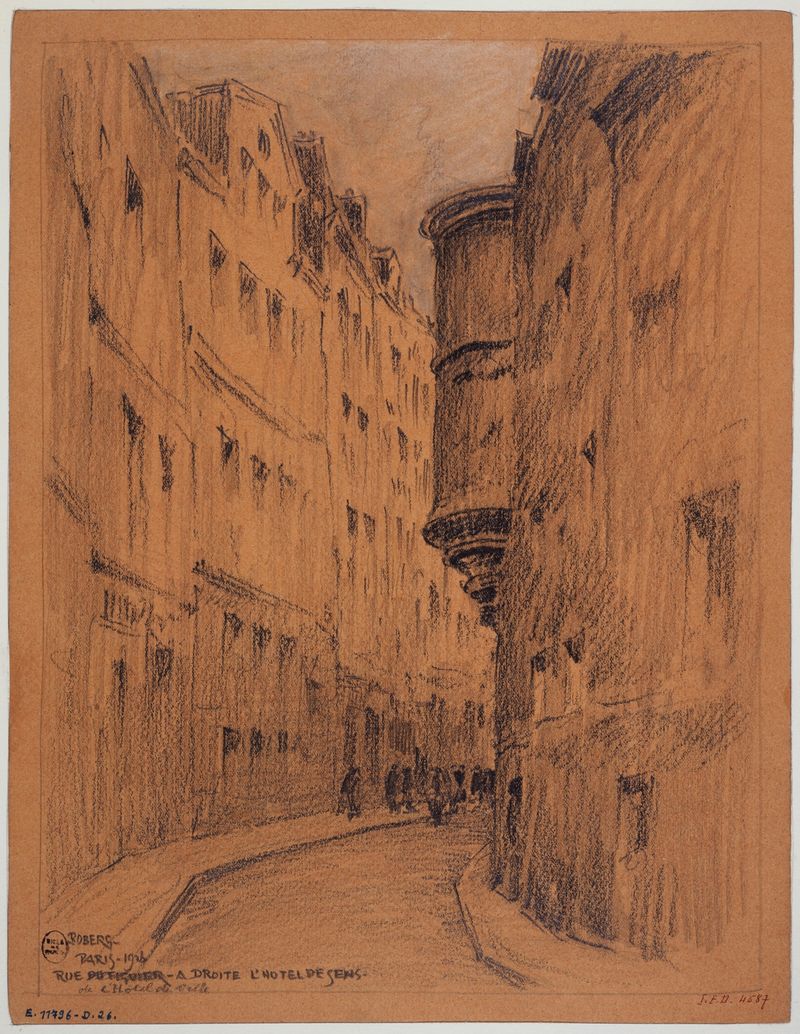
Rue de l’Hôtel de Ville; l’hôtel de Sens
Ferdinand Boberg
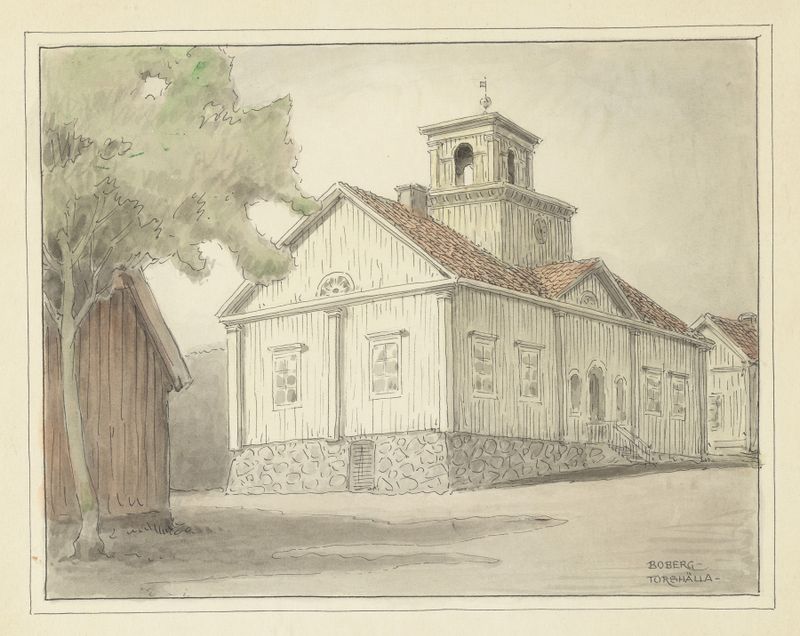
Torshälla
Ferdinand Boberg
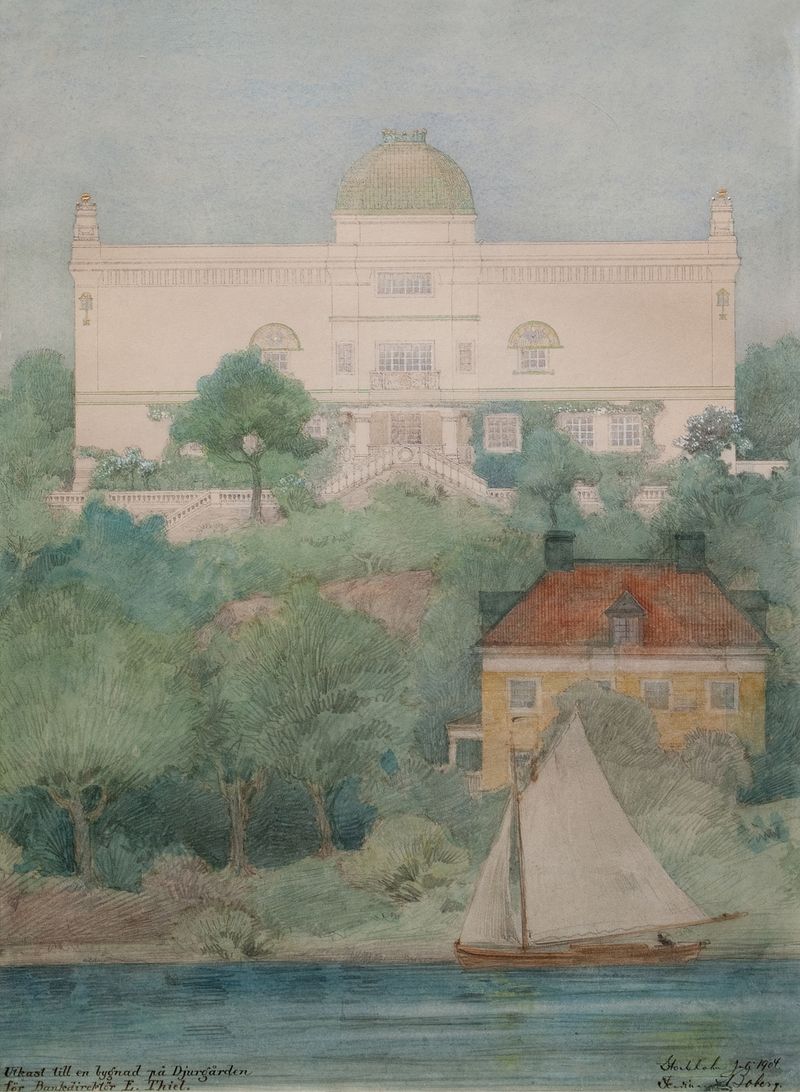
Sketch for a building for Thiel’s Gallery
Ferdinand Boberg
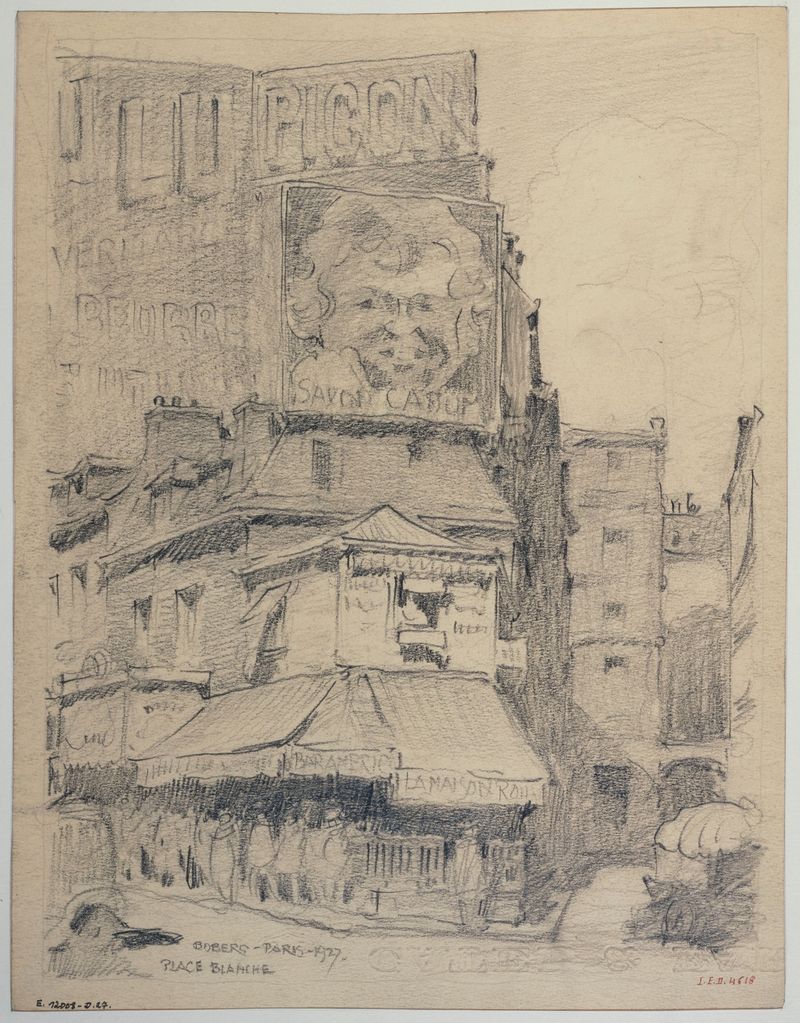
La place Blanche
Ferdinand Boberg





