
Under the Hill — History & Facts
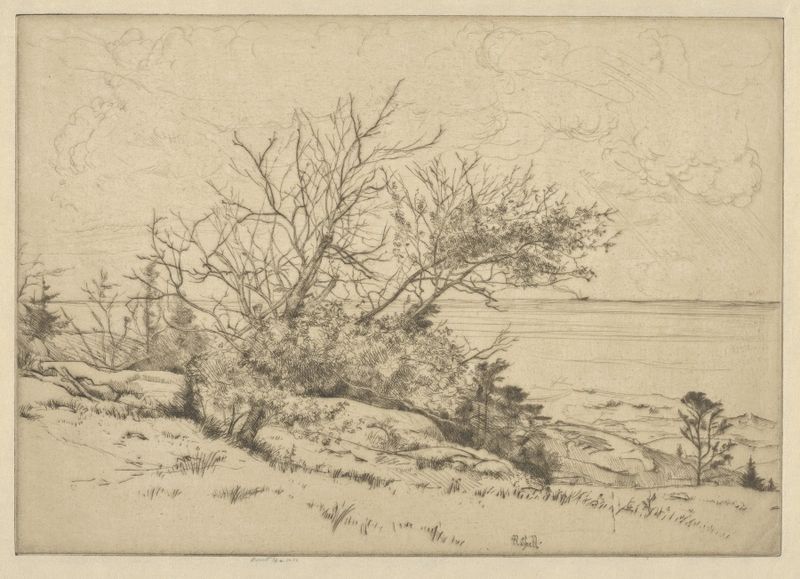
Where does light end, and longing begin? In the quiet embrace of twilight, the boundary between reality and dreams blurs, inviting us to explore the depths of our own destinies. Look to the center of the canvas, where a soft glow emerges from the horizon, illuminating the undulating hills that cradle a fleeting moment. The muted earth tones blend with hints of blue and gold, creating a serene yet poignant atmosphere. Notice how the light dances on the grassy knolls, casting delicate shadows that evoke a sense of stillness and reflection.
Each brushstroke carries the weight of emotion, guiding the eye gently across the landscape. Yet beneath this tranquil surface lies a profound tension. The hills, while inviting, suggest barriers—representing both obstacles and paths to be traversed. The interplay of light and shadow speaks to the duality of hope and despair, crafting a narrative that resonates with anyone who has contemplated their journey.
The distant haze hints at the unknown, a whisper of fate that lingers just beyond the horizon, urging us to ponder what lies ahead. In 1919, at the end of the First World War, the artist painted this work during a period of introspection and renewal. Emerging from a time of collective grief, Haskell sought to capture the essence of a world yearning for peace and purpose. His art reflects the changing tides of society, a mirror to the human experience that resonates with both individual and universal truths.
More Artworks by Ernest Haskell
Browse all →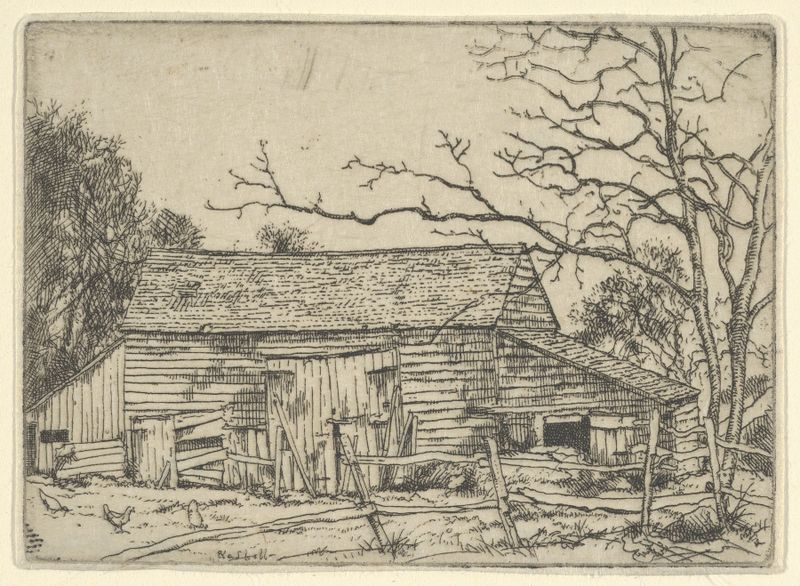
The Barn–Staten Island, N.Y.
Ernest Haskell

Four Live Oaks
Ernest Haskell
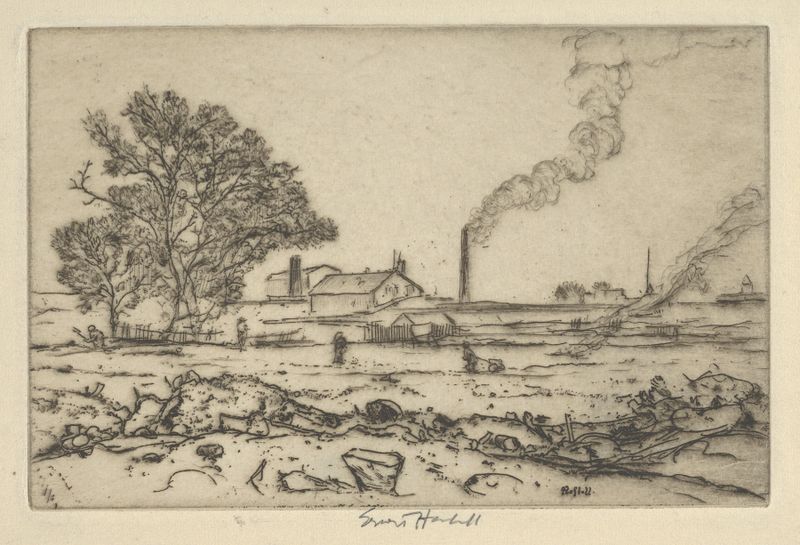
Outskirts of Boston
Ernest Haskell
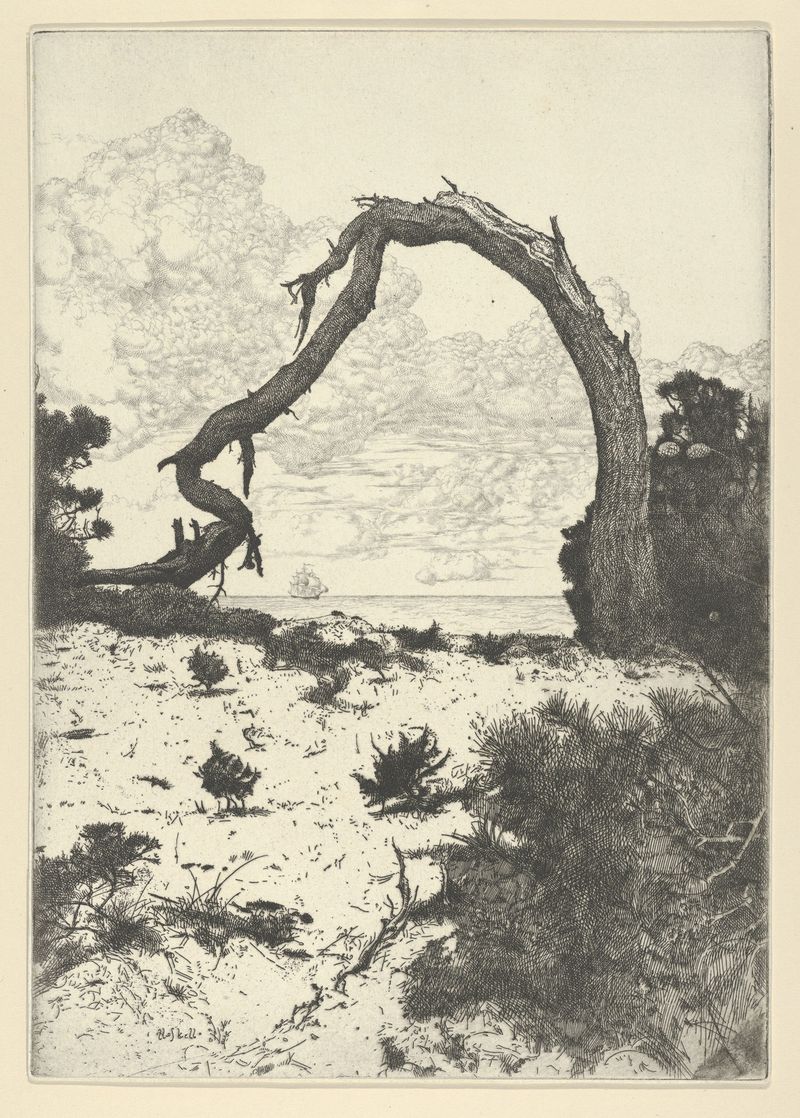
Pine Arch
Ernest Haskell

General Sherman
Ernest Haskell
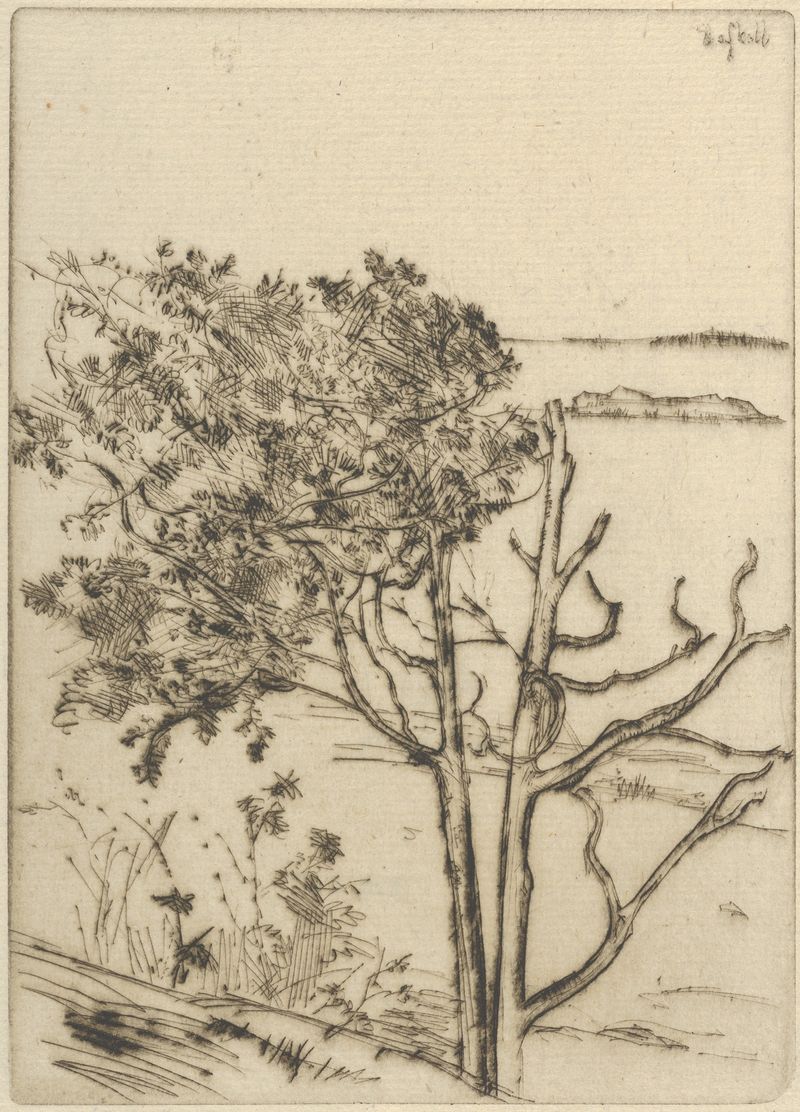
Ragged Tree – Maine
Ernest Haskell

Tide Mill
Ernest Haskell

Ship Building
Ernest Haskell
To the Southward – Ragged Island, Me.
Ernest Haskell
Long Island Marshes
Ernest Haskell





