
Undershot Mill, North Wales — History & Facts
A mossy stone mill nestles into the Welsh countryside, its waterwheel half-shaded and nearly swallowed by the wild growth around it. The artist, Alexander Fraser the Younger, draws the viewer in with a sense of lived-in quiet: the woman bent over the stream, the chickens scattered in the yard, the roof thick with turf and time. Light glances off the water, guiding the eye from the foreground’s trickling brook to the mill’s rough walls, then up to the distant, rounded hills.
Every detail — the crooked chimney, the dappling of sun and shadow, the scatter of stones — is chosen to make the place feel both ordinary and enchanted, a corner of the world where daily life and nature are inseparable. Works like this, painted between 1856 and 1870, belong to a moment when British artists looked to rural life for inspiration, capturing the textures of local industry and the rhythms of country existence. The undershot mill, a familiar sight in nineteenth-century Wales, stands here not as a monument but as part of the landscape’s fabric, its purpose and past suggested rather than explained. Such scenes were often collected for their sense of place, whether by local patrons or institutions like the Hunterian Museum and Art Gallery, where this painting now resides.
History has kept few traces of the mill’s real story, but Fraser’s brushwork invites us to imagine the generations who passed through its doorway — and to linger over the quiet drama of sunlight on stone.
More Artworks by Alexander Fraser the Younger

A Highland Landscape with Farm
Alexander Fraser the Younger
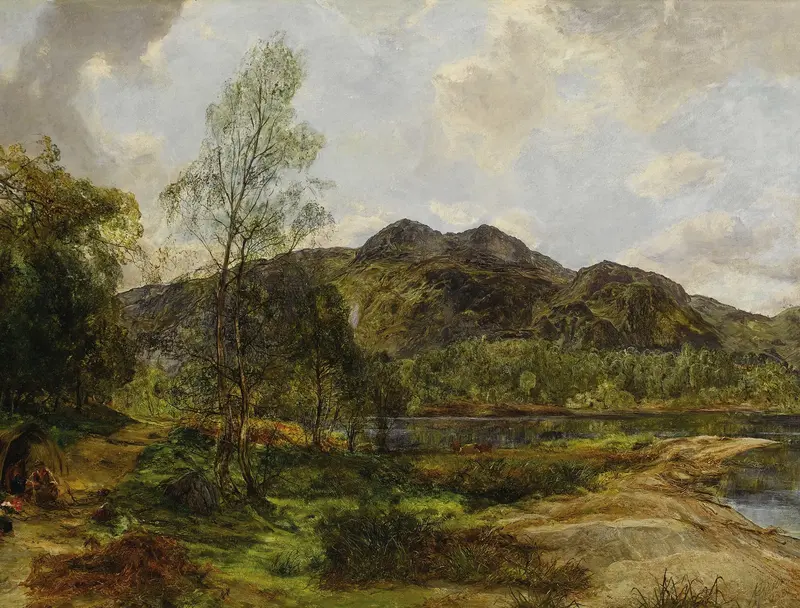
Ben Venue
Alexander Fraser the Younger
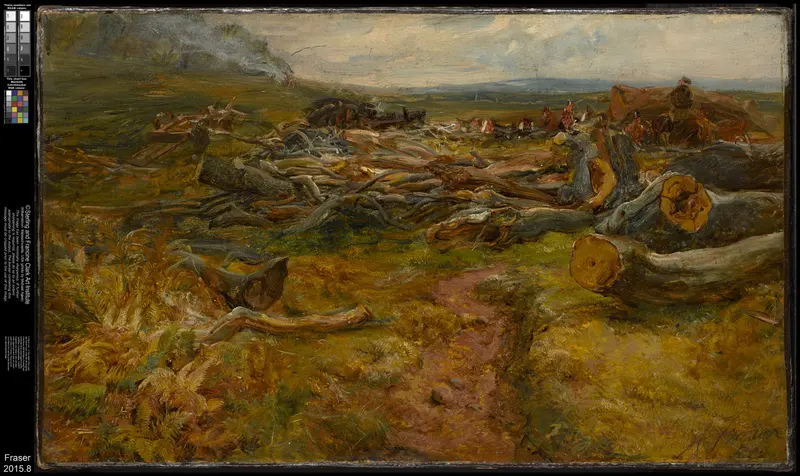
British Soldiers Clearing and Burning, Cadzow Forest, Scotland
Alexander Fraser the Younger
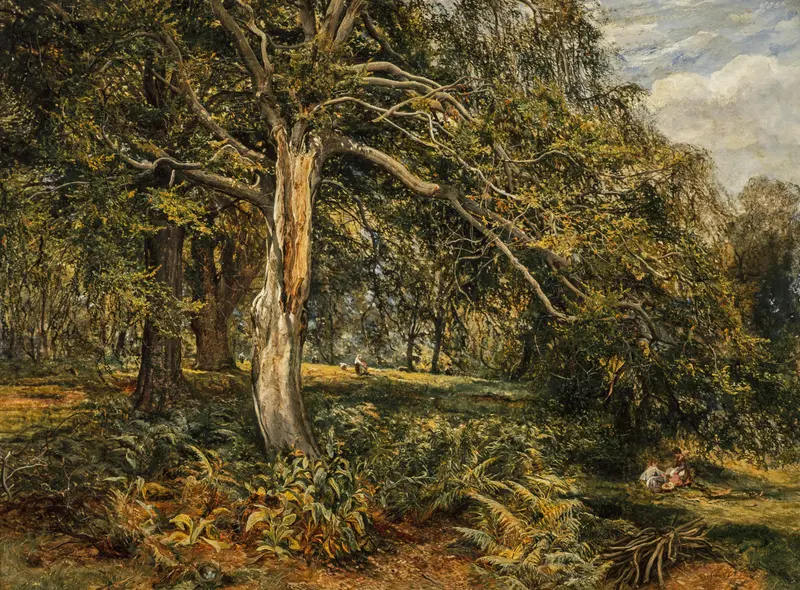
A Glade in Cadzow Forest
Alexander Fraser the Younger
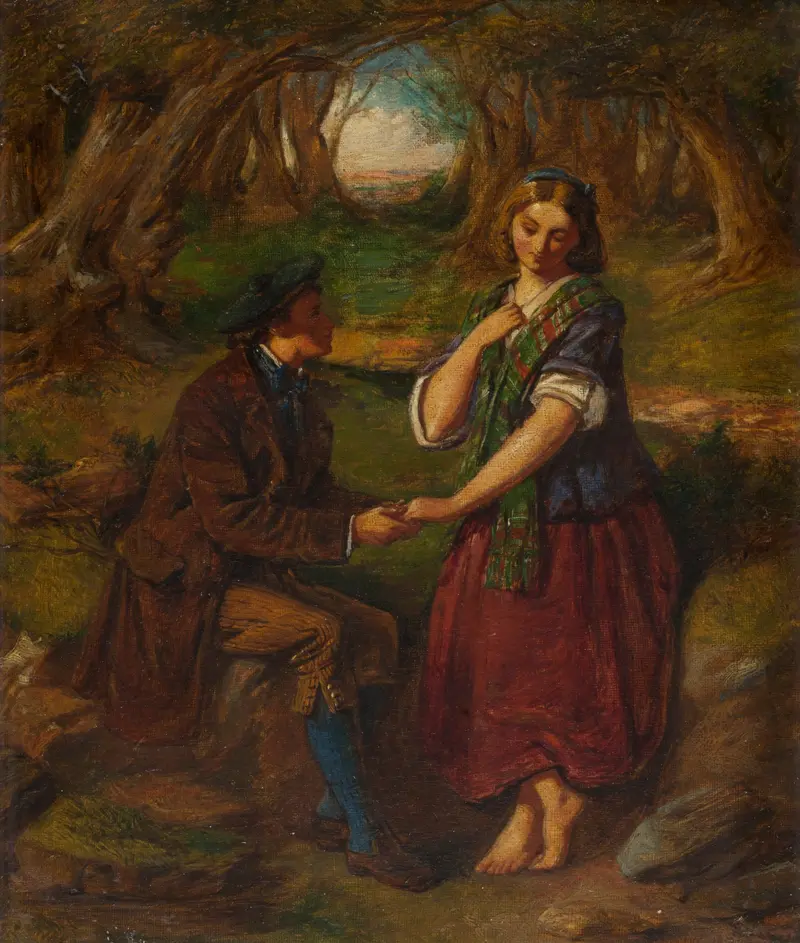
The Proposal
Alexander Fraser the Younger
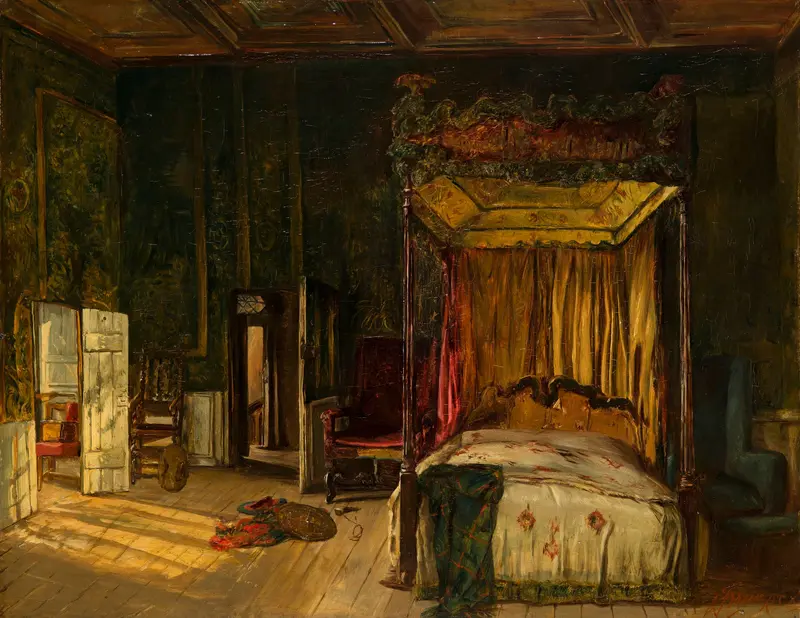
Mary, Queen of Scots Bedroom, Holyroodhouse
Alexander Fraser the Younger
More Landscape Art

The Starry Night
Vincent van Gogh

View of Delft
Johannes Vermeer

Water Lilies
Claude Monet

The Grand Canal, Venice, looking north-west from the Ca' Corner to the Ca' Contarini degli Scrigni, with the campanile of Santa Maria della Carità
Canaletto

Windsor Castle
Canaletto

The Grand Canal looking North-East from the Palazzo Dolfin-Manin to the Rialto Bridge
Canaletto