
The Proposal — History & Facts
What draws the eye first in The Proposal is the charged stillness between two figures, caught in a moment of decision beneath a canopy of ancient trees. The young man, seated and earnest, clasps the hand of a barefoot woman whose downcast gaze and gentle touch to her chest speak of hesitation, hope, or perhaps surprise. Sunlight filters through the branches, illuminating her face and the tartan shawl draped across her shoulders, while the forest behind them seems to close in protectively, making their exchange feel both intimate and secret.
Every detail—the man’s formal jacket, her practical skirt, the delicate meeting of their hands—serves to heighten the tension of this private drama. The palette, rich in earthy greens and browns, grounds the scene in the rural world, while the distant sliver of sky hints at possibilities beyond. Painted in England in 1876, this work belongs to a tradition of narrative genre painting that flourished in Victorian Britain, when artists often turned to scenes of everyday life to explore themes of love, morality, and social aspiration. Such paintings were prized by middle-class collectors, who found in them both sentimental value and moral instruction.
Alexander Fraser the Younger, though less widely known today, was part of this milieu, crafting images that invited viewers to read the subtle language of gesture and costume. Now held in the collection of the Los Angeles County Museum of Art as a gift from Florence and David Victor, The Proposal stands as a quietly resonant example of its era—inviting us, still, to wonder what answer the woman will give.
More Artworks by Alexander Fraser the Younger

A Highland Landscape with Farm
Alexander Fraser the Younger
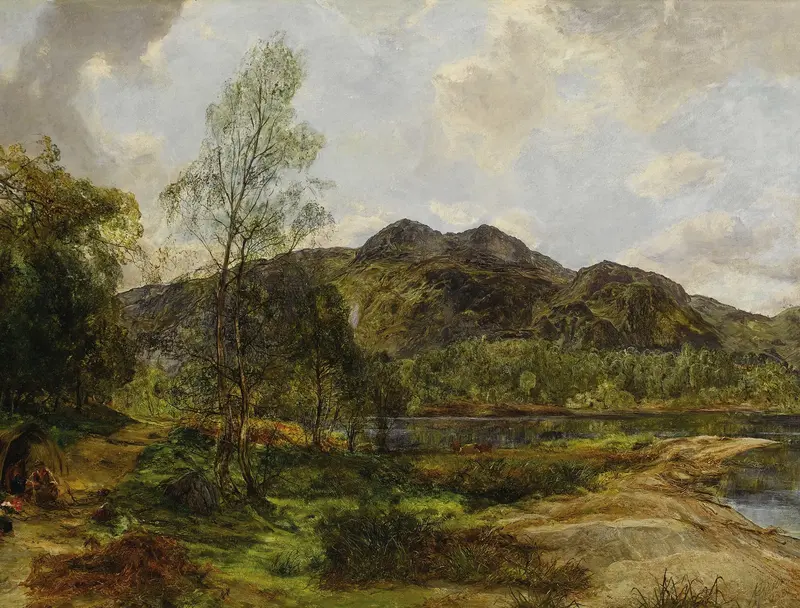
Ben Venue
Alexander Fraser the Younger
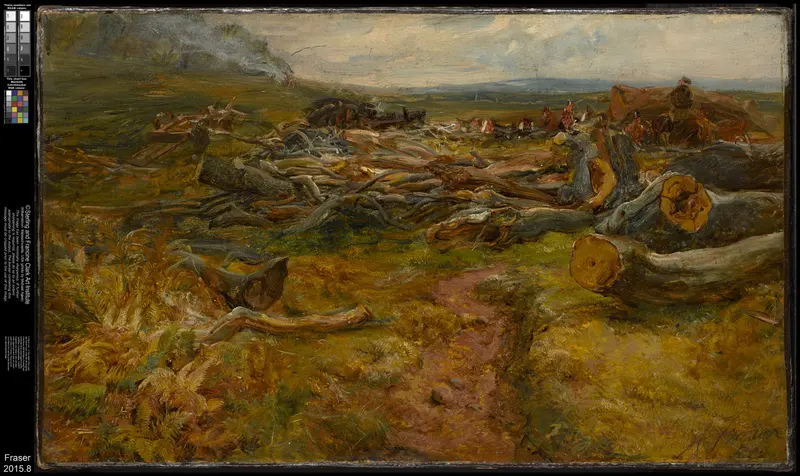
British Soldiers Clearing and Burning, Cadzow Forest, Scotland
Alexander Fraser the Younger
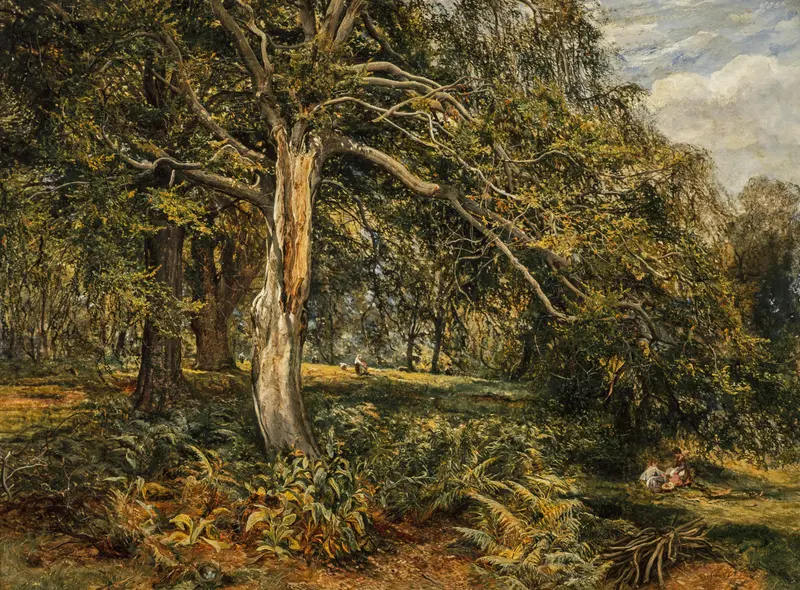
A Glade in Cadzow Forest
Alexander Fraser the Younger
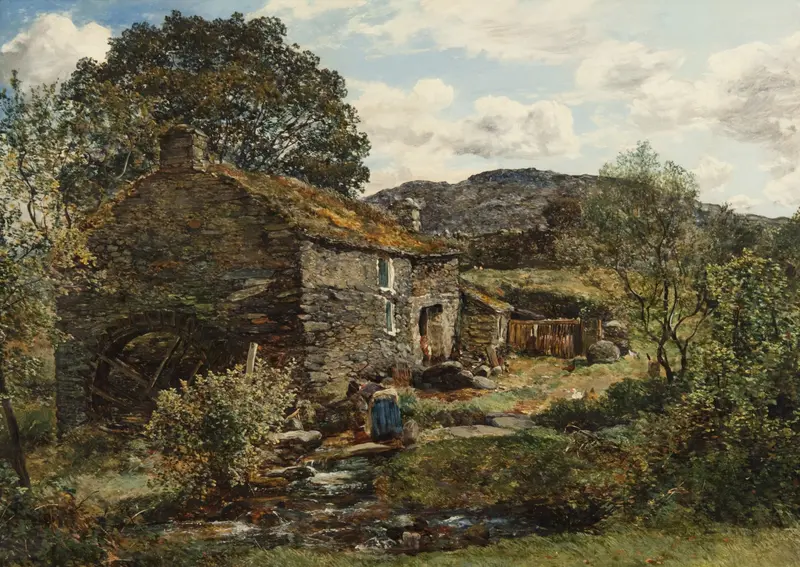
Undershot Mill, North Wales
Alexander Fraser the Younger
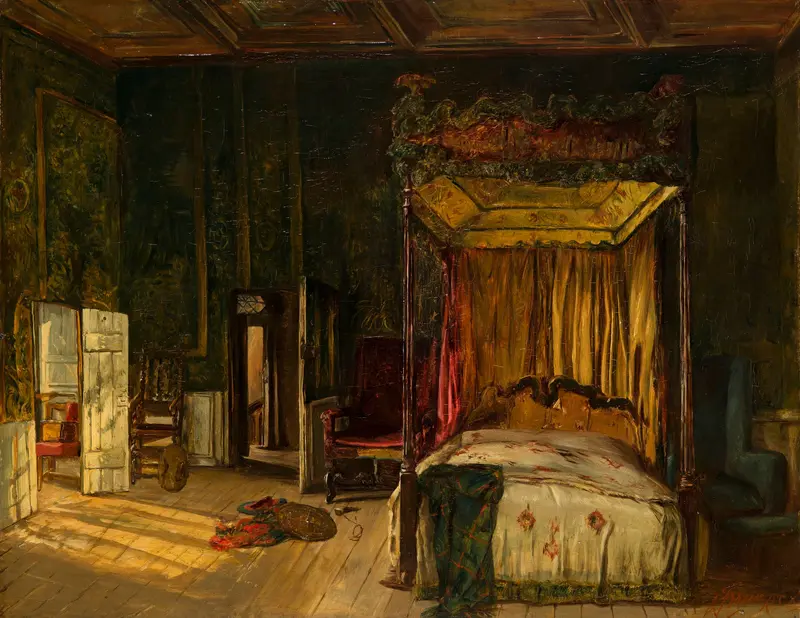
Mary, Queen of Scots Bedroom, Holyroodhouse
Alexander Fraser the Younger
More Genre Scene Art

Banquet of the Officers of the St George Civic Guard
Frans Hals

Rembrandt and Saskia in the Scene of the Prodigal Son
Rembrandt van Rijn

Bal du moulin de la Galette
Pierre-Auguste Renoir

Quadrille at the Moulin Rouge
Henri de Toulouse-Lautrec

A Burial at Ornans
Gustave Courbet

When Will You Marry?
Paul Gauguin