
Mary, Queen of Scots Bedroom, Holyroodhouse — History & Facts
What draws the eye first is the golden canopy bed, its heavy drapery catching the last, slanting rays of afternoon light. The room is empty of people, yet it teems with the residue of lives once lived here: a tartan thrown carelessly at the foot of the bed, a fur muff and a bright garment abandoned on the floor, the doors left ajar as if someone has just departed in haste. The painter, Alexander Fraser the Younger, uses the geometry of light and shadow to guide us from the warmth of the bed outward, through the cool, shadowed doors and into the deeper recesses of the palace.
The contrast between the sunlit wooden floor and the enveloping darkness of the walls creates a mood of both intimacy and unease, as if secrets still linger in the corners. Such interior scenes, especially those evoking royal or historical settings, became popular in the nineteenth century as artists and patrons alike sought to recapture the drama and romance of the past. The title, Mary, Queen of Scots Bedroom, Holyroodhouse, and the painting’s presence in the Royal Collection, point to a fascination with the tragic queen’s legend and the spaces she once inhabited. History has kept few traces of Fraser’s intentions or the painting’s early life, but works like this were often commissioned or collected to evoke national memory and royal heritage, turning rooms into silent witnesses.
The viewer is left to imagine the stories the chamber walls could tell, and to linger over every detail the artist has left behind.
More Artworks by Alexander Fraser the Younger

A Highland Landscape with Farm
Alexander Fraser the Younger
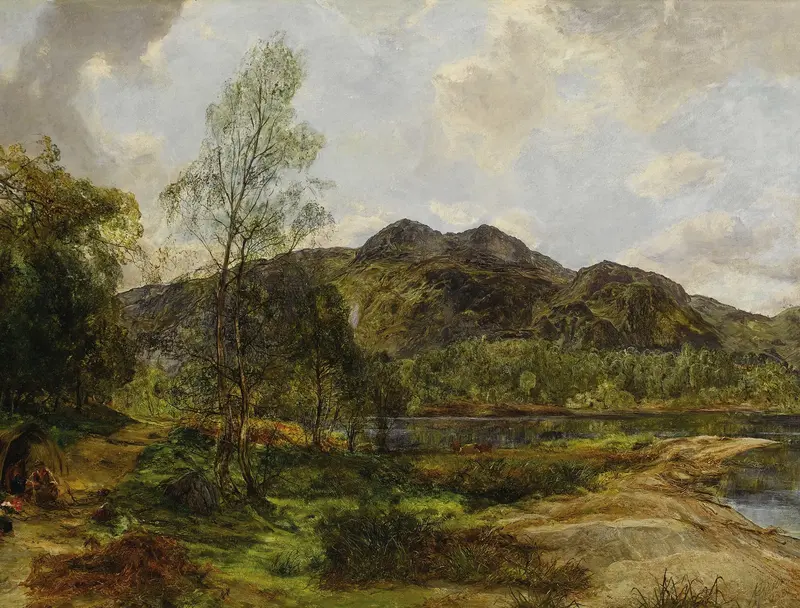
Ben Venue
Alexander Fraser the Younger
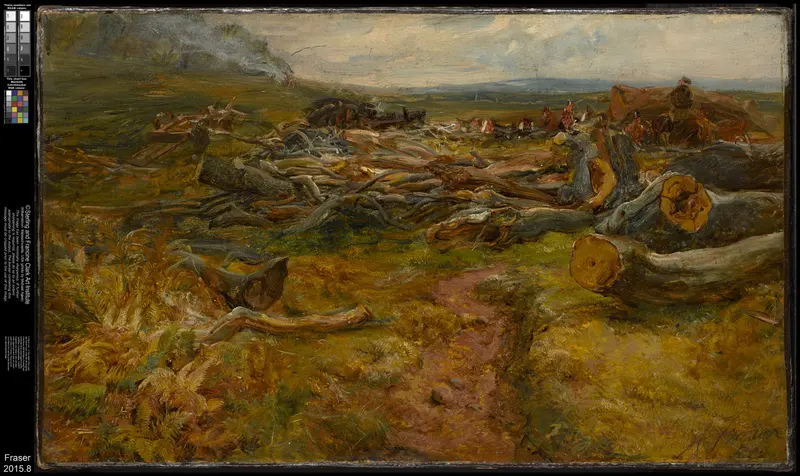
British Soldiers Clearing and Burning, Cadzow Forest, Scotland
Alexander Fraser the Younger
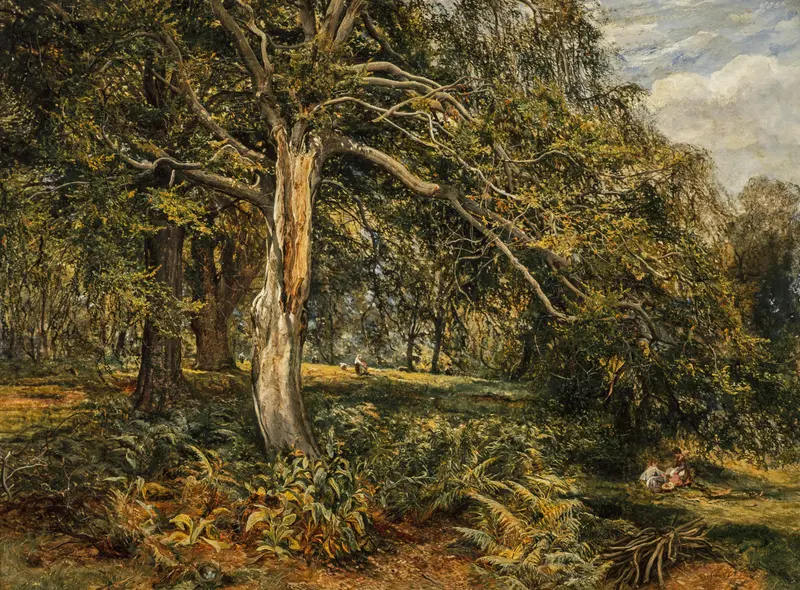
A Glade in Cadzow Forest
Alexander Fraser the Younger
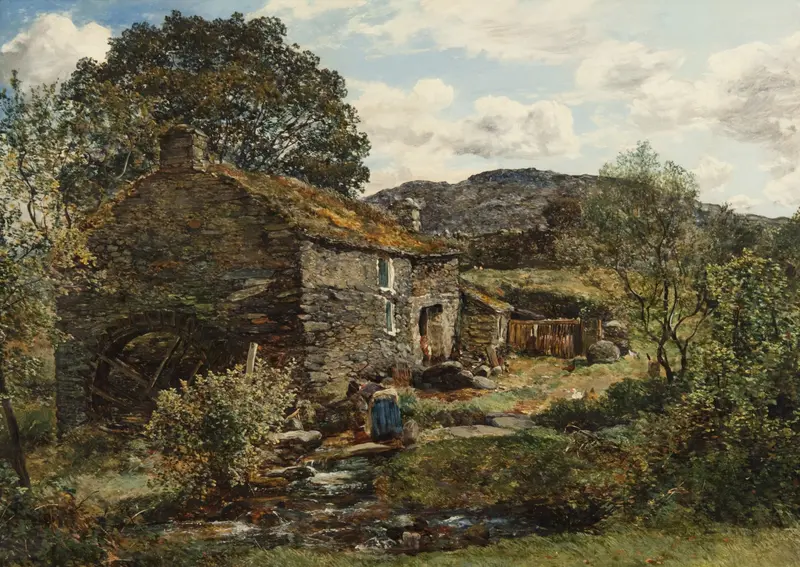
Undershot Mill, North Wales
Alexander Fraser the Younger
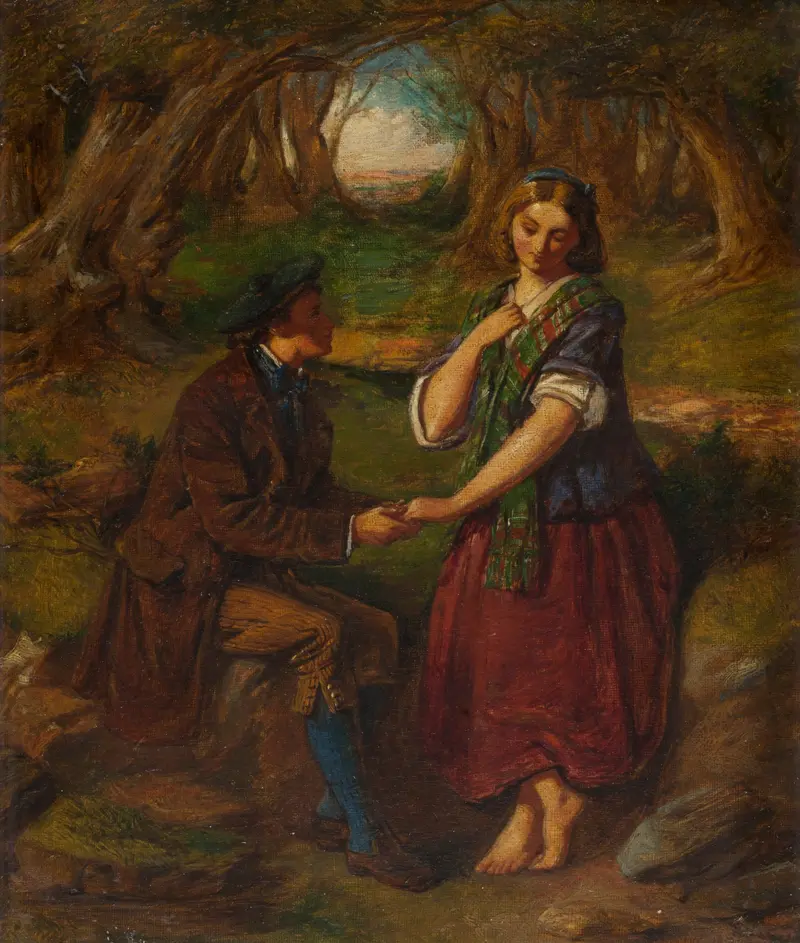
The Proposal
Alexander Fraser the Younger





