
Une maison, 70 rue Damrémont — History & Facts
This thought lingers as we observe the intricate dance of form and color in a world seemingly in constant transformation. The essence of metamorphosis is captured here, suggesting that even the most solid structures are subject to change. Look closely at the delicate interplay of light and shadow that defines the architecture in the foreground. Notice how the warm hues of ochre and soft whites contrast with the cool blues that envelop the sky.
The angular lines of the house create a sense of solidity, yet the fluidity of the brushwork around it evokes an air of uncertainty. Your gaze is inevitably drawn to the vivid foliage that swirls around the base, offering a vivid reminder of nature's persistent influence amidst human creation. Beyond the immediate beauty lies a contemplation of permanence and ephemerality. The house stands as a testament to human achievement, yet its surroundings pulse with life, hinting at inevitable decay and renewal.
The juxtaposition of the stable structure against the dynamic environment prompts reflections on what we build and how those creations are ultimately transformed by time and nature. Look closely and you might even sense the quiet whispers of history and memory woven into the very fabric of the scene. In 1927, Ferdinand Boberg was immersed in a time marked by significant shifts in the art world and society. Living in Paris, he was influenced by the avant-garde movements that flourished around him, encouraging a departure from traditional forms.
This period also witnessed the rise of modernism, inviting artists to explore new perspectives and techniques. Boberg’s work in this vibrant atmosphere reflects not only personal exploration but a broader dialogue with contemporary themes of change and the vitality of the human experience.
More Artworks by Ferdinand Boberg
Browse all →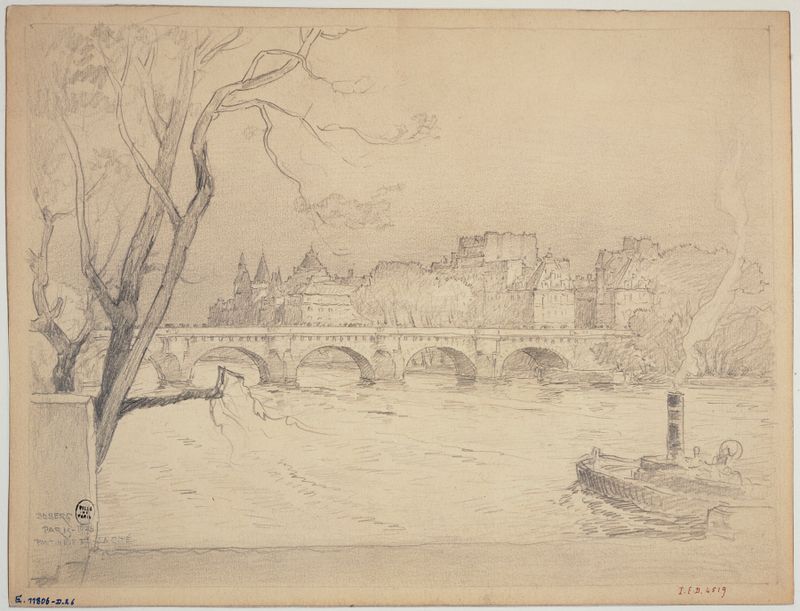
Le Pont-Neuf et la Cité
Ferdinand Boberg
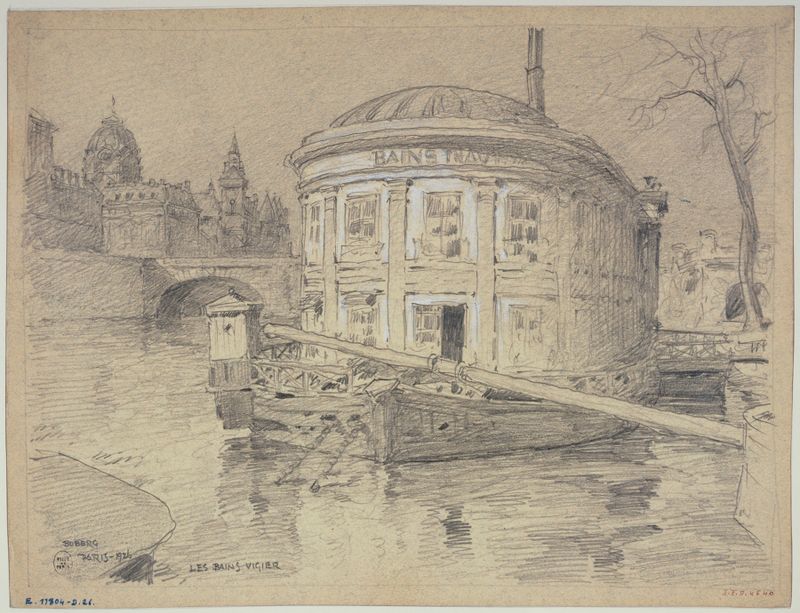
Les bains Vigier au Pont-Neuf
Ferdinand Boberg
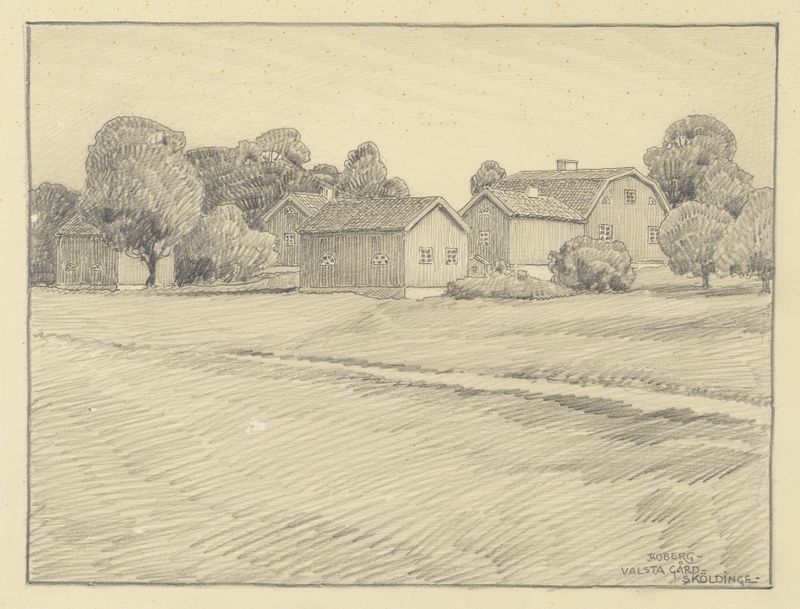
Valsta Gård
Ferdinand Boberg
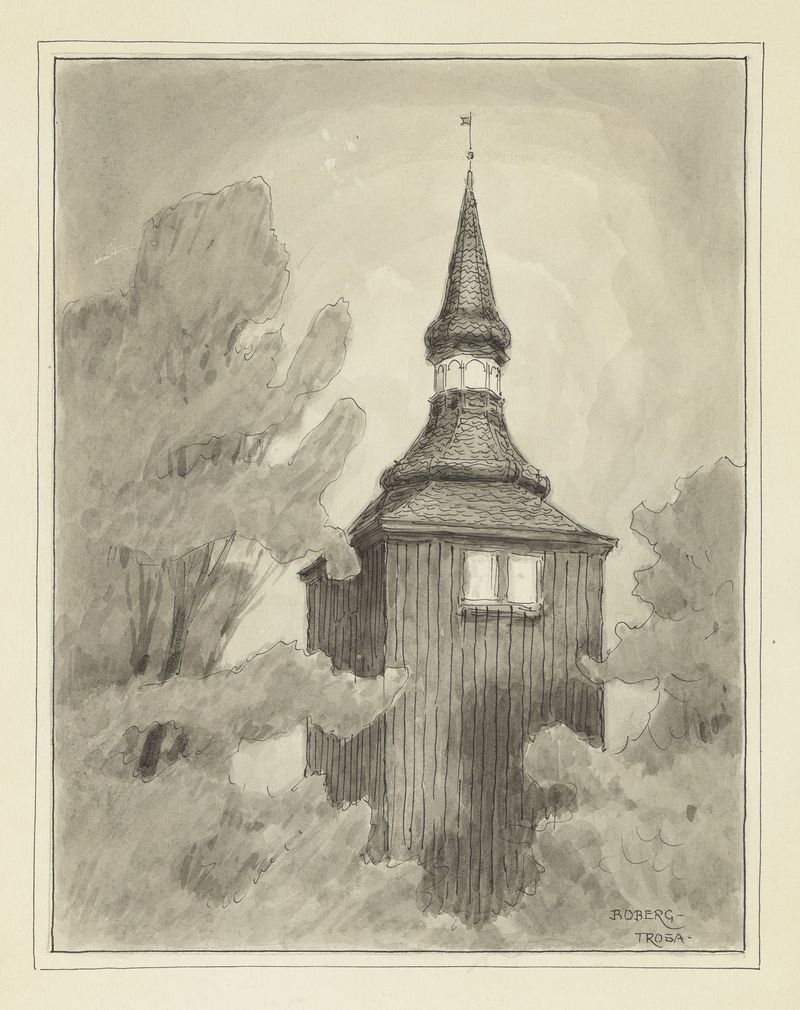
Trosa
Ferdinand Boberg
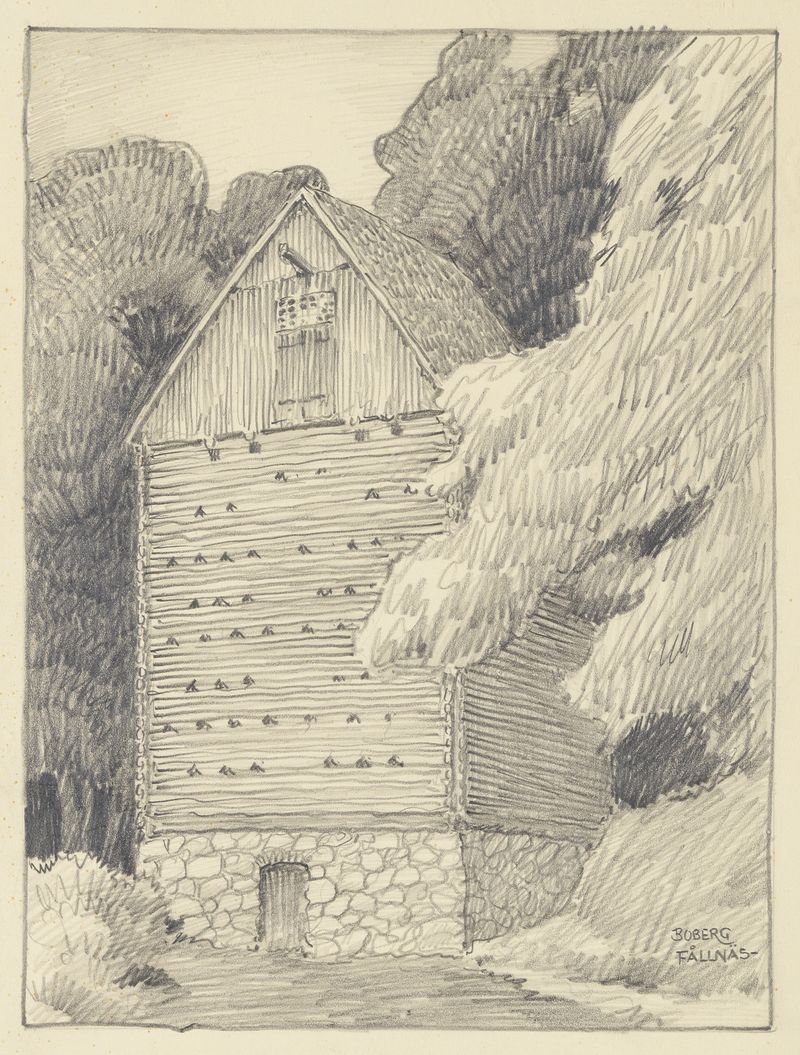
Fållnäs
Ferdinand Boberg
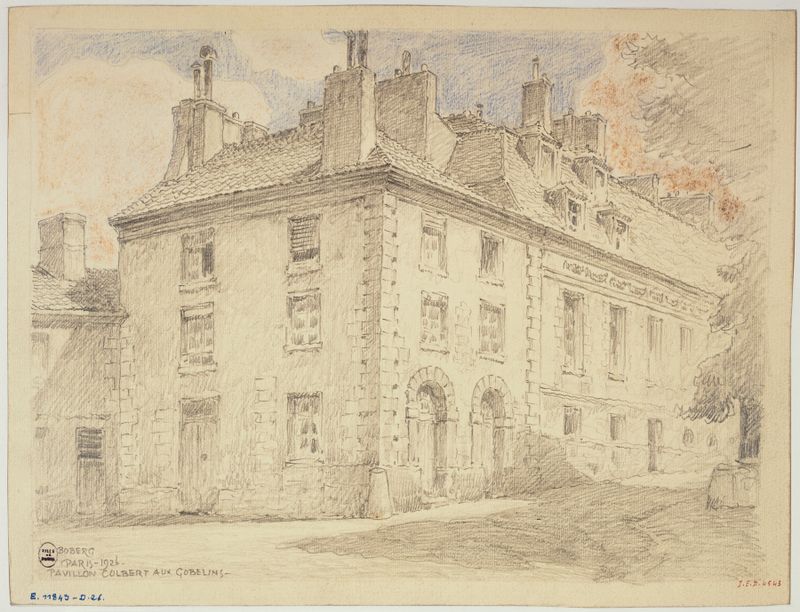
Le pavillon Colbert aux Gobelins
Ferdinand Boberg
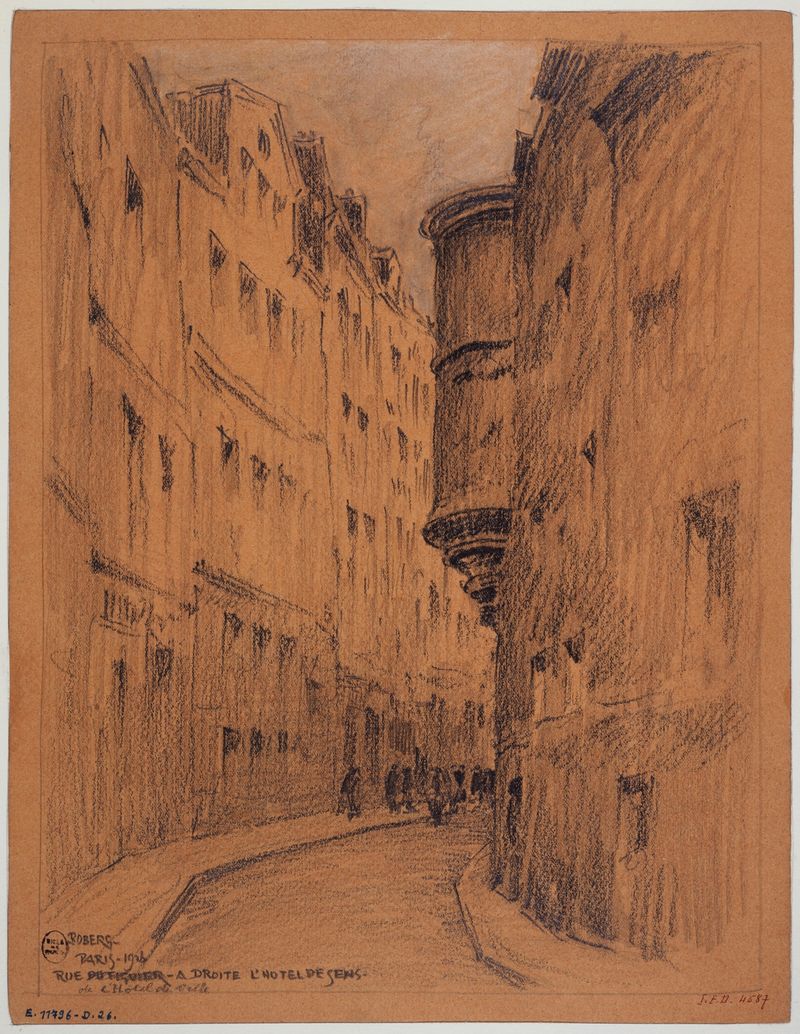
Rue de l’Hôtel de Ville; l’hôtel de Sens
Ferdinand Boberg
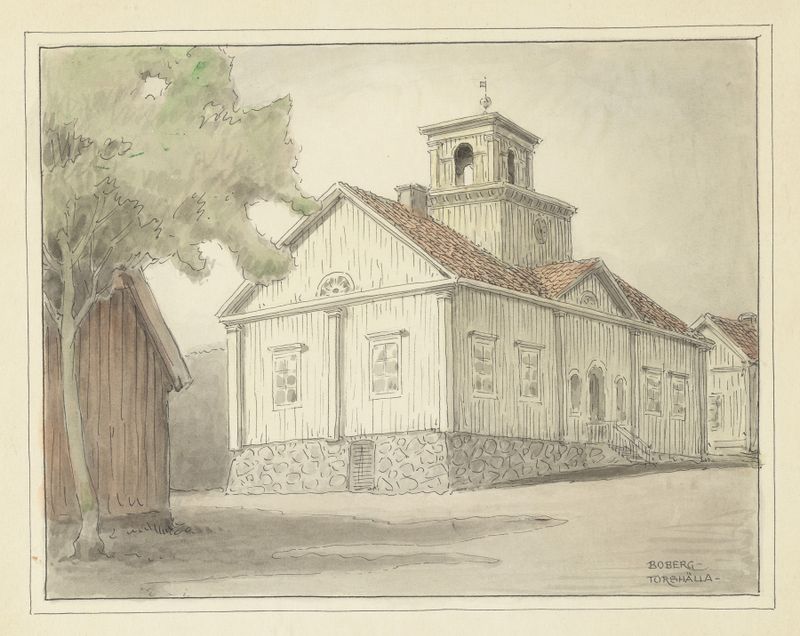
Torshälla
Ferdinand Boberg
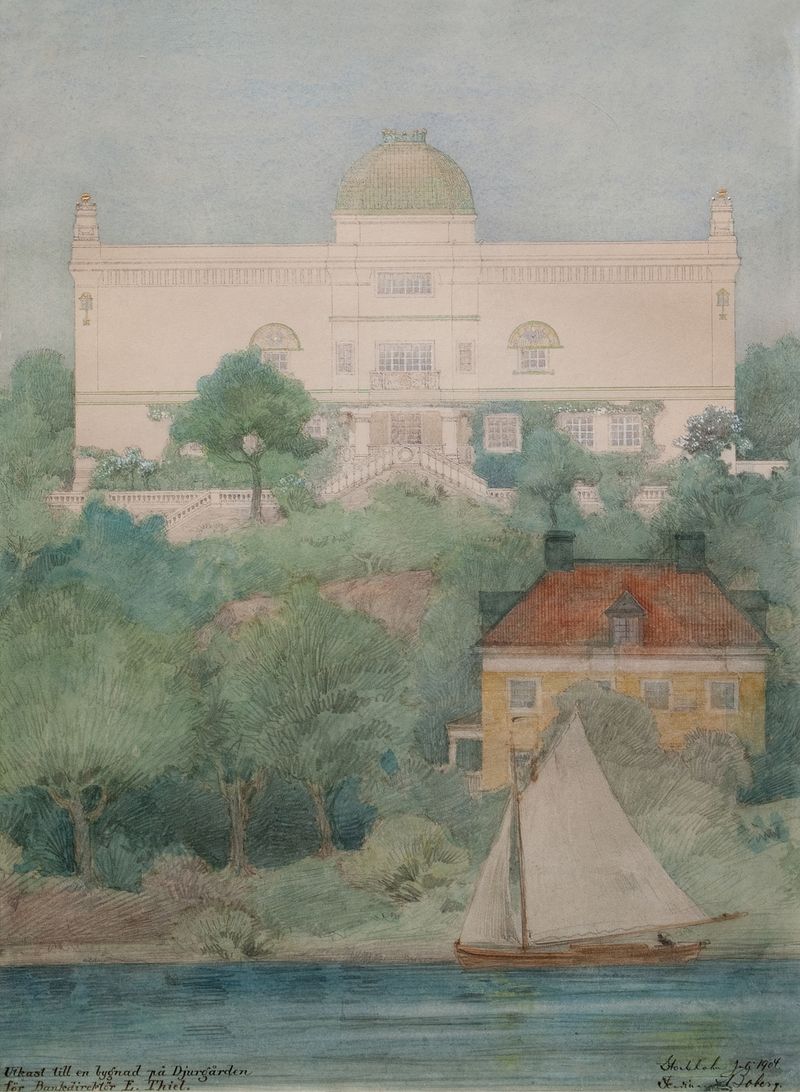
Sketch for a building for Thiel’s Gallery
Ferdinand Boberg
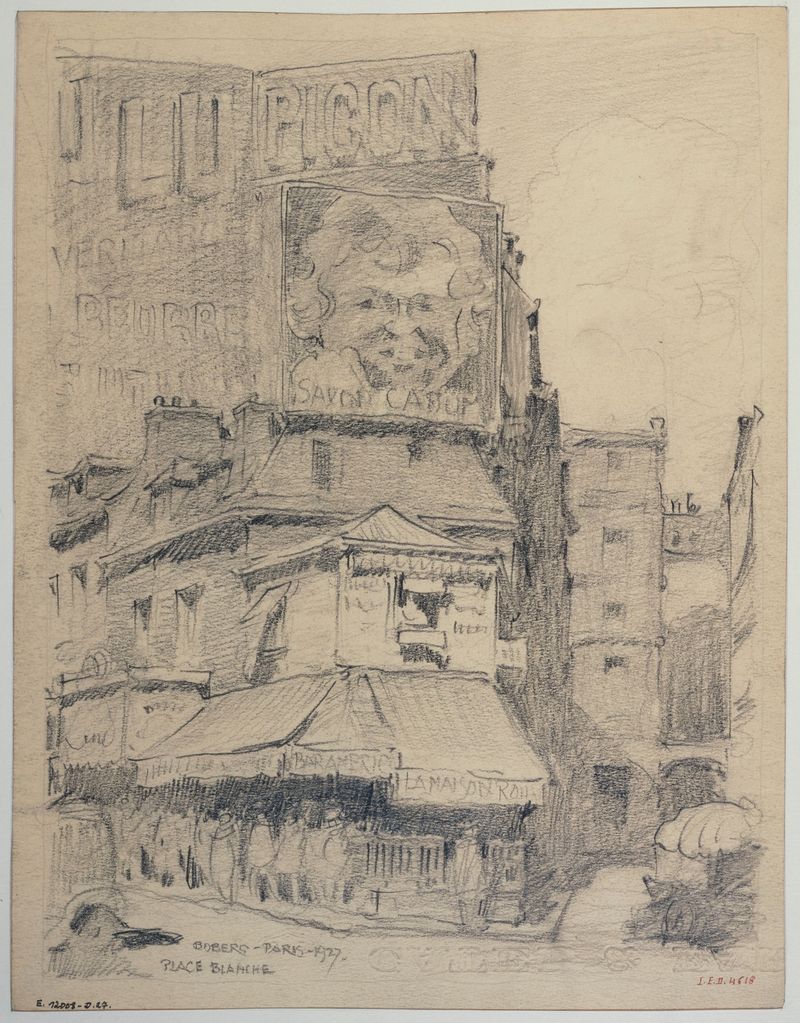
La place Blanche
Ferdinand Boberg
More Architecture Art
Browse all →
The statue of Liberty
Frédéric Auguste Bartholdi

View of Houses in Delft, Known as ‘The Little Street’
Johannes Vermeer

View of Houses in Delft, Known as ‘The Little Street’
Johannes Vermeer

The Cathedral in Rouen. The portal, Grey Weather
Claude Monet

The yellow house
Vincent van Gogh

The Church in Auvers-sur-Oise, View from the Chevet
Vincent van Gogh