
Untitled (man on horseback, woman on foot driving cattle) — History & Facts
What if silence could speak through light? In Untitled (man on horseback, woman on foot driving cattle), the stillness of the scene whispers of unseen tension, as the delicate balance between tranquility and underlying violence hangs in the air. Look to the left, where the silhouette of the man on horseback stands tall, framed against the warm hues of a fading sunset. His posture exudes authority, while the woman, grounded on foot, directs the cattle with an outstretched arm. The rich palette of ochres and deep blues captures the fading day, but it is the contrast in their movements—a calm strength versus an anxious urgency—that draws the eye.
The gentle strokes of the brush breathe life into the cattle, their forms both robust and vulnerable, embodying the complexity of their journey. Beyond the surface, the painting hints at deeper narratives of struggle and survival. The man, though dominant, casts a long shadow that suggests a hidden threat, while the woman’s firm grip on the cattle reflects resilience amidst uncertainty. The light plays a crucial role here, illuminating their faces while leaving much of the background in dim obscurity, hinting at the chaos lurking just beyond the scene.
This juxtaposition invites contemplation of the violence that can arise from nature's unforgiving landscape, evoking a sense of both beauty and foreboding. In 1880, when this piece was painted, Bannister was establishing his reputation in Providence, Rhode Island, a time marked by significant social challenges post-Civil War. His work reflects the anxieties of an evolving American identity, engaging with themes of race and the complexities of relationships in a changing society. This atmosphere of tension and hope permeates his art, making this untitled scene both a representation of everyday life and a profound commentary on the human condition.
More Artworks by Edward Mitchell Bannister
Browse all →
Landscape
Edward Mitchell Bannister
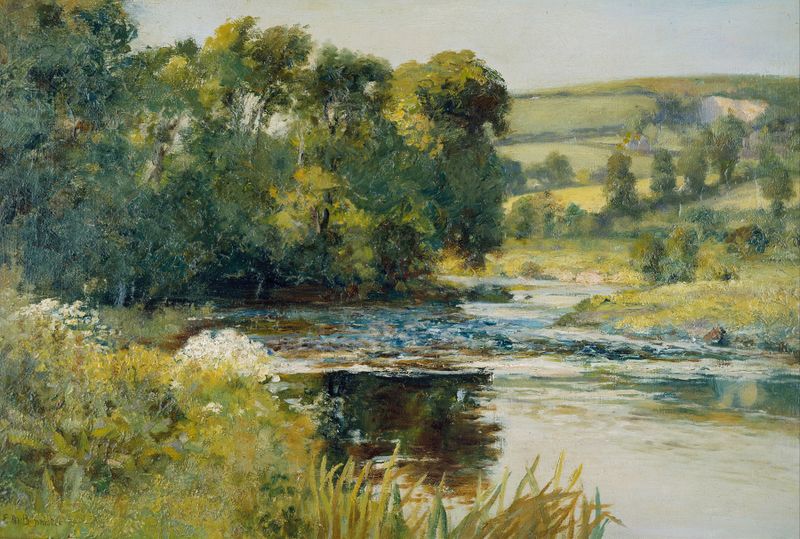
Streamside
Edward Mitchell Bannister

Untitled
Edward Mitchell Bannister

On the Seekonk
Edward Mitchell Bannister

Morning on the Shore
Edward Mitchell Bannister

Summer Twilight
Edward Mitchell Bannister
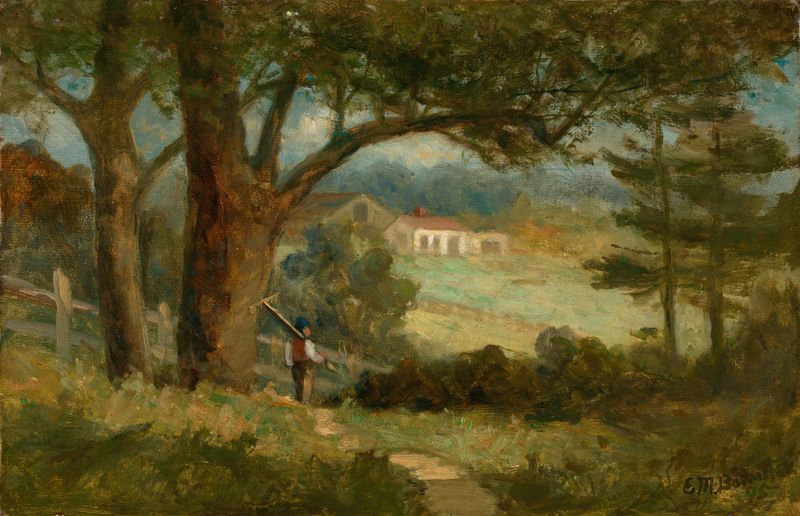
Homeward
Edward Mitchell Bannister
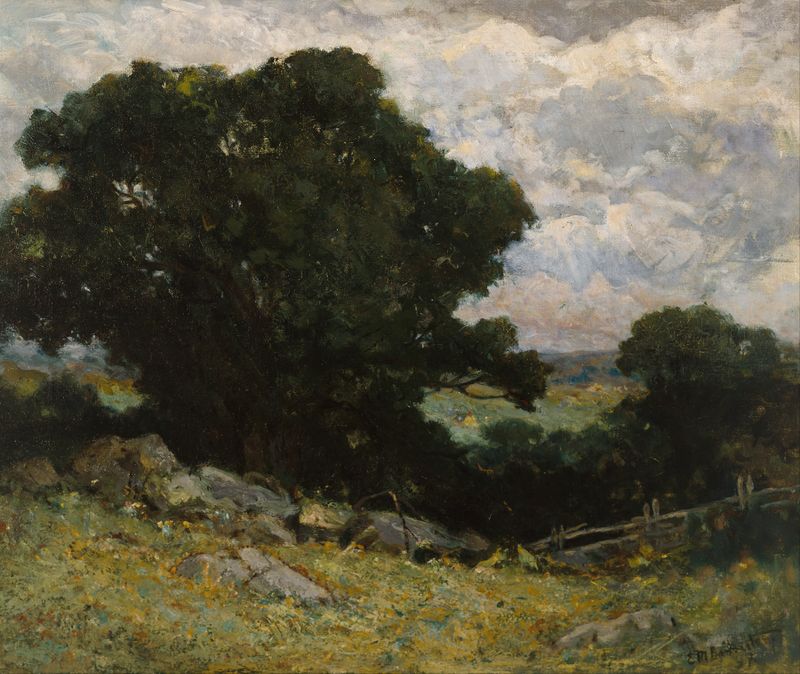
Landscape
Edward Mitchell Bannister
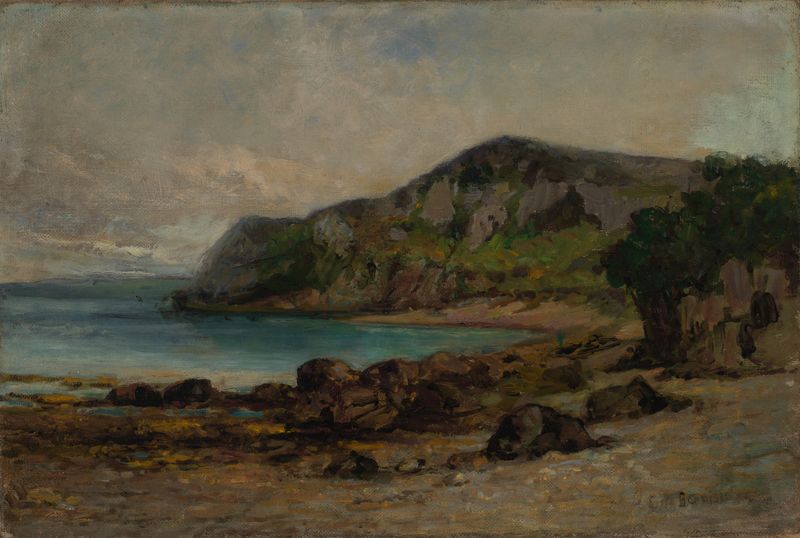
Rocks at Newport
Edward Mitchell Bannister

Sunset
Edward Mitchell Bannister





