Untitled painting by Arthur Bowen Davies, Phoenix Art Museum — History & Facts
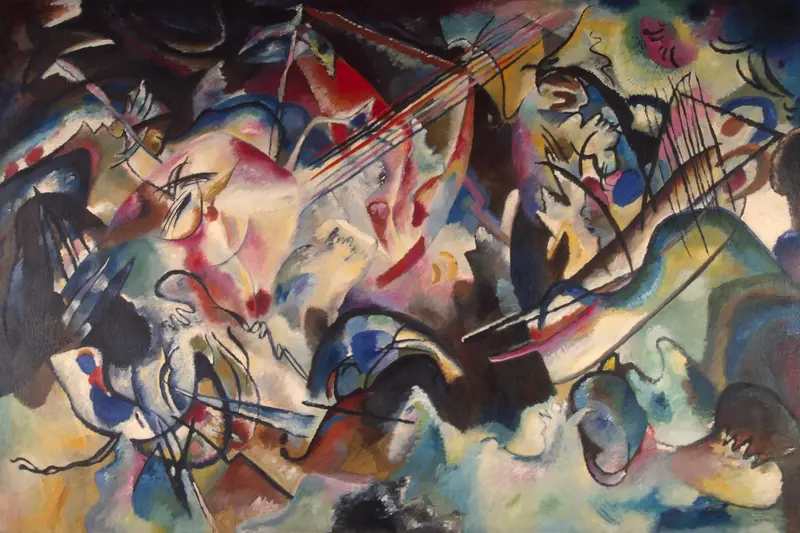
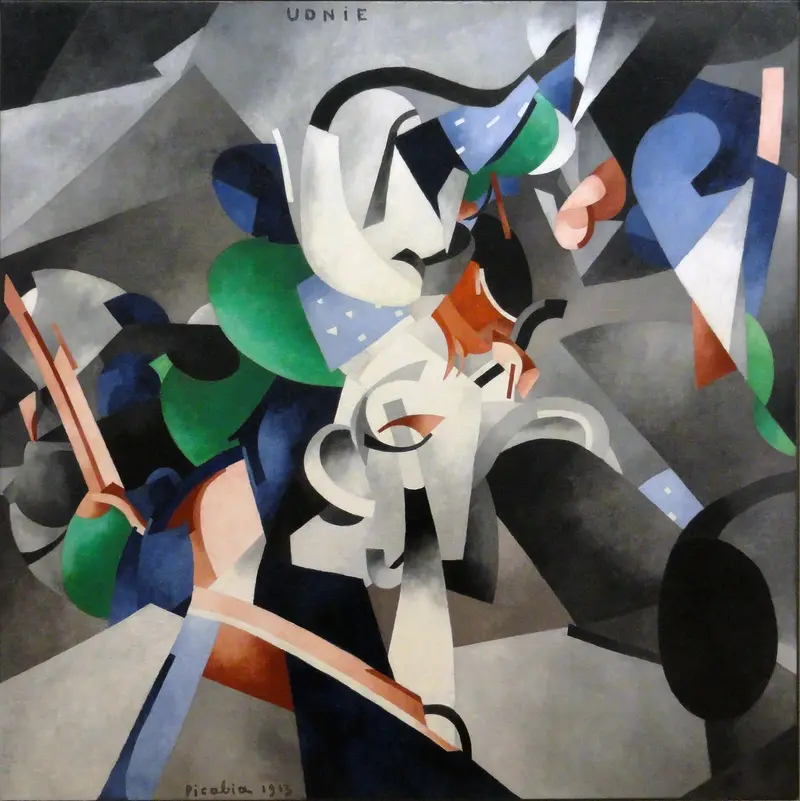
What first catches the eye in this Untitled painting by Arthur Bowen Davies is the kaleidoscopic rhythm of color and form, a mosaic of interlocking shapes that seem to pulse with quiet energy. The figures, abstracted almost to the point of dissolution, are woven together by bands of orange, violet, green, and blue, their limbs and torsos overlapping in a kind of communal dance. The artist’s use of fractured planes and repeated curves guides the viewer’s gaze in looping circuits, drawing attention to the way each figure both emerges from and dissolves into the others.
The light, diffused and even, flattens the space, making the composition feel less like a scene and more like a living tapestry. In this web of color, gesture becomes suggestion—a raised arm, a bowed head—leaving the narrative tantalizingly open. Painted in 1913, this work belongs to a moment of restless innovation in American art, when painters like Davies were absorbing the lessons of European modernism and forging new visual languages. The influence of Cubism and Synchromism is unmistakable here, with its emphasis on color as structure and form as rhythm.
Such paintings were rarely made for grand public display; rather, they spoke to a small circle of collectors and artists hungry for change, often finding homes in progressive museums or private collections. Now part of the Phoenix Art Museum, this panel stands as a vivid document of its era’s experimental spirit—a reminder that the search for new ways of seeing was, and remains, a deeply human endeavor. Look again, and the puzzle of forms may resolve into new meanings each time.
More Artworks by Arthur Bowen Davies

Mirror of Illusion
Arthur Bowen Davies
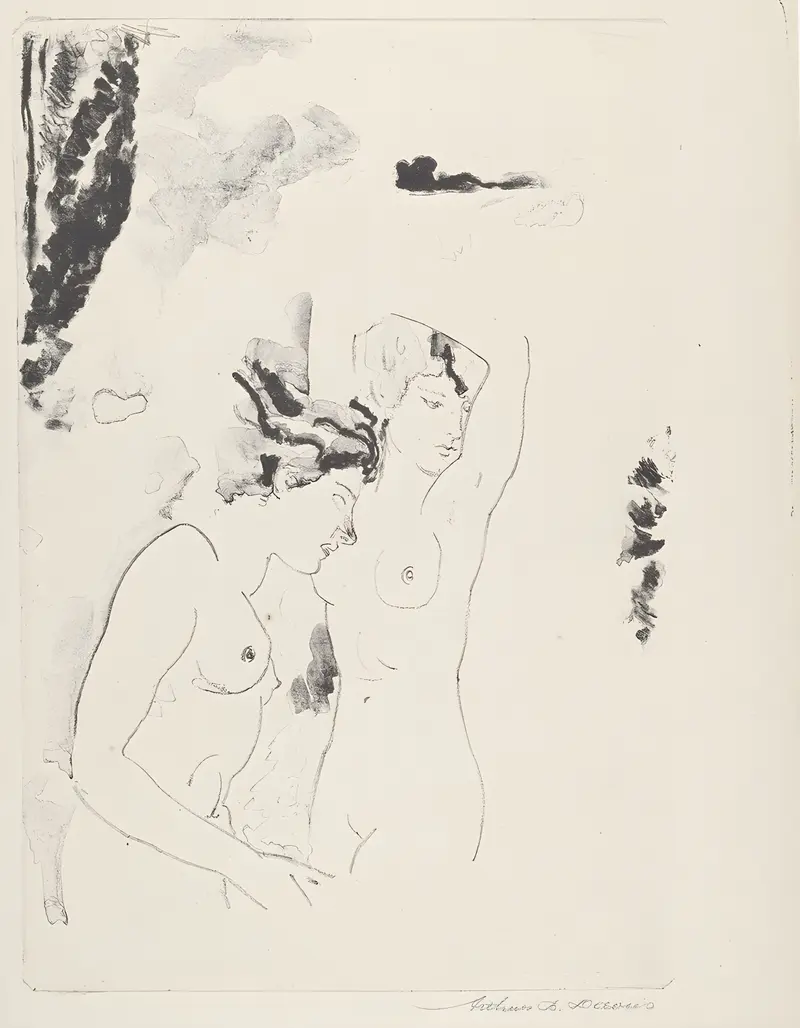
Nymphs of the Stream
Arthur Bowen Davies

Woman Dancing
Arthur Bowen Davies
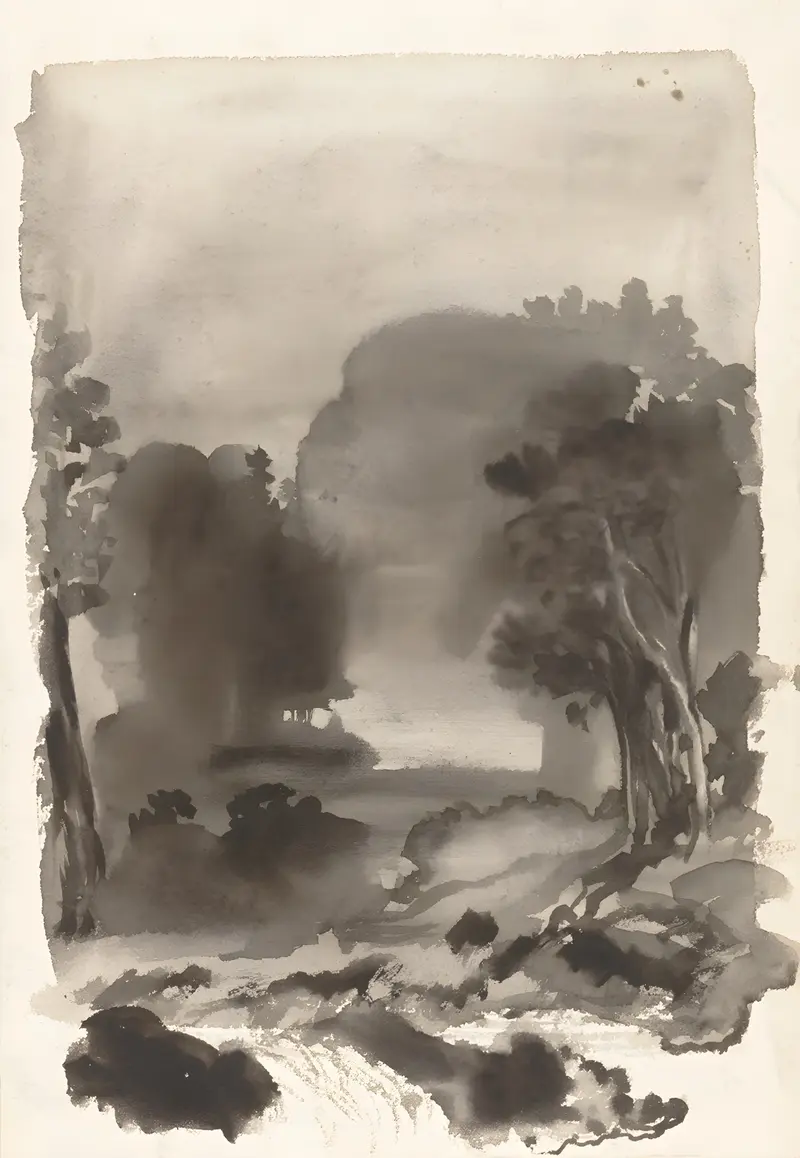
Landscape 2
Arthur Bowen Davies
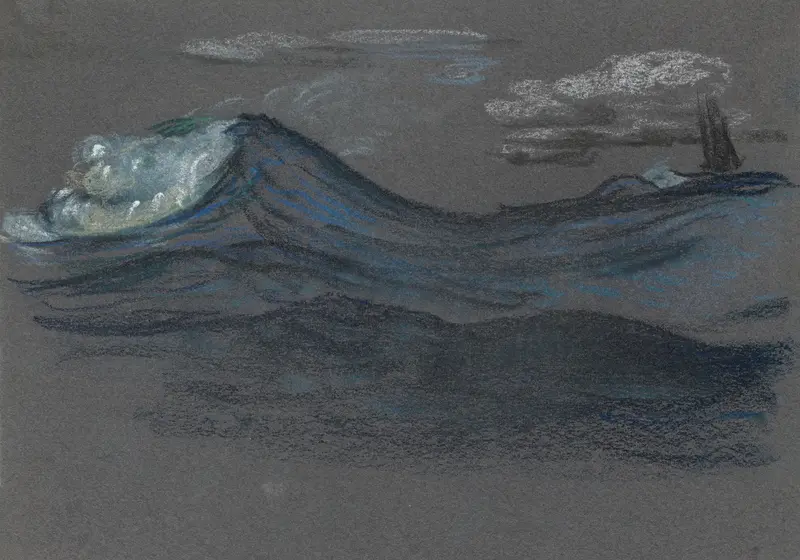
Ocean Swells
Arthur Bowen Davies
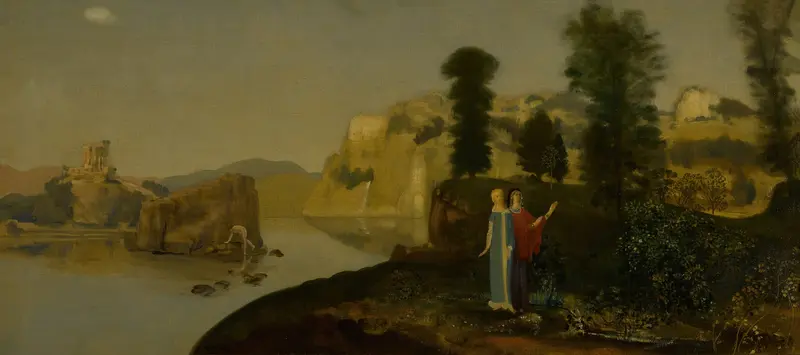
Silver Springs
Arthur Bowen Davies
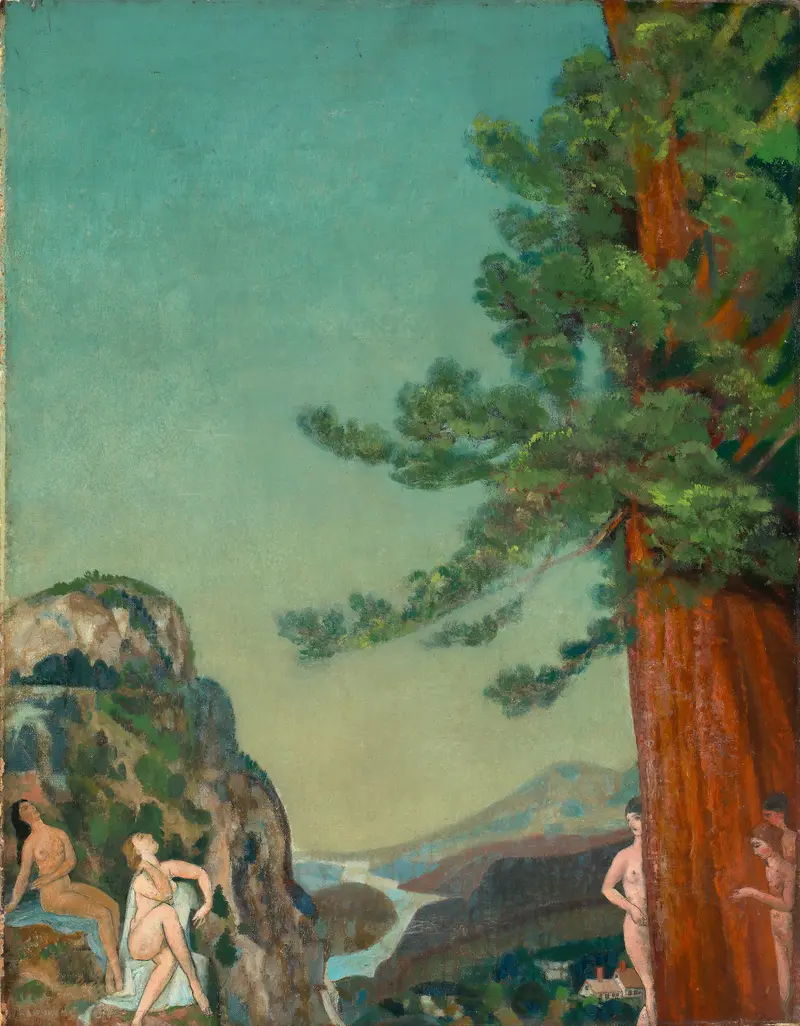
On the Cliffs
Arthur Bowen Davies

Landscape
Arthur Bowen Davies
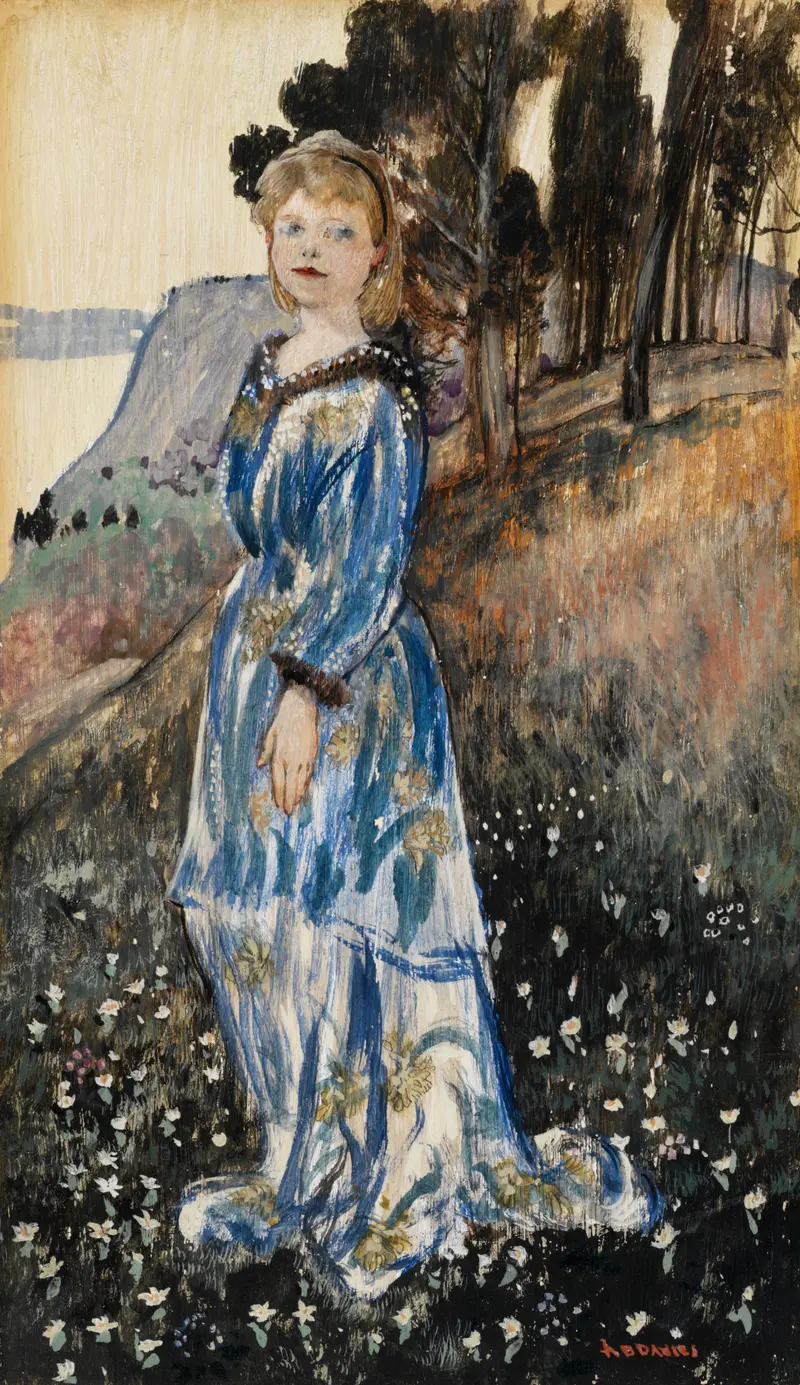
Flora
Arthur Bowen Davies
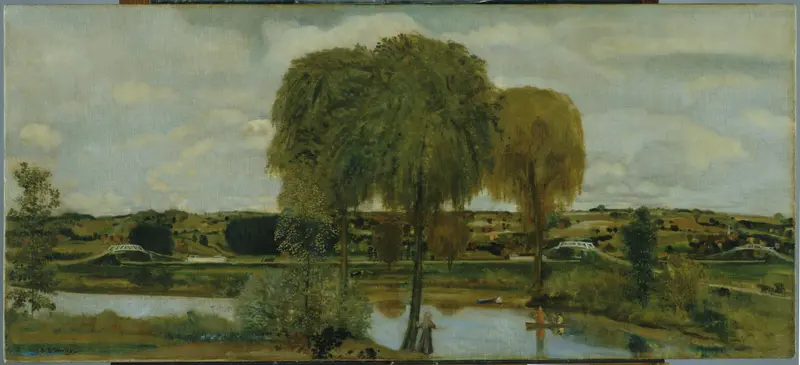
Along the Erie Canal
Arthur Bowen Davies