
Upper Sheepscott — History & Facts
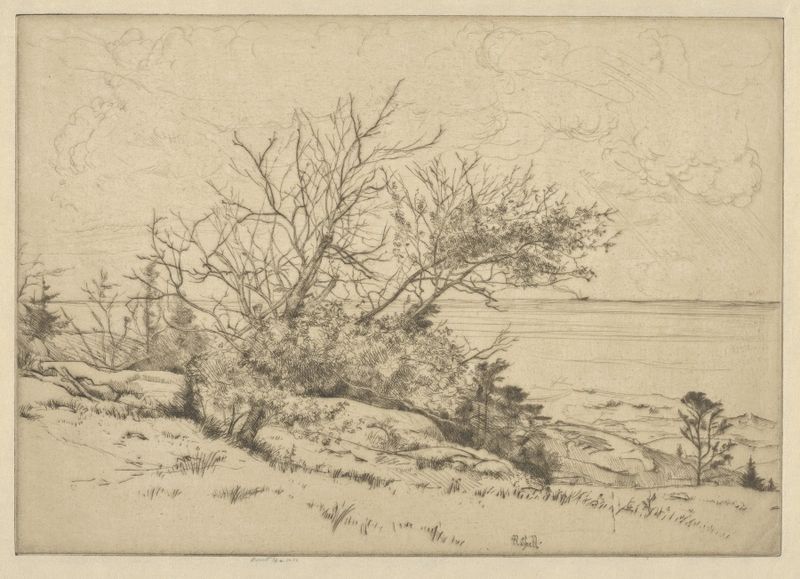
In the realm of emptiness, where memories drift like autumn leaves, a haunting stillness resides. The void captured here speaks louder than the busyness of life, evoking a profound sense of solitude and reflection. Look closely at the horizon, where delicate lines of soft blues and muted grays meet the quiet embrace of a barren landscape. The brushwork is understated, yet every stroke weaves a narrative of absence.
Haskell's palette, dominated by earth tones and pale highlights, invites you to wander through the serene expanse of the painting, leading your eye toward the distant hills that fade into obscurity. Amidst the calm, there is an emotional undercurrent. The starkness of the scene contrasts the weight of memories left behind, as if time has frozen, allowing space for introspection. Details such as a solitary tree or a winding path suggest journeys untaken, echoing the paradox of presence in absence.
This interplay transforms emptiness into a poignant meditation on loss, longing, and the quiet moments that define our existence. Painted between 1900 and 1925, this work emerges from Haskell's exploration of the New England landscape, during a time when the art world was shifting towards modernism. It reflects his deep connection with nature and the philosophical contemplations prevailing in that era. While grappling with personal and artistic transitions, the artist channeled his experiences into a visual language that resonates with the quietude of human emotion.
More Artworks by Ernest Haskell
Browse all →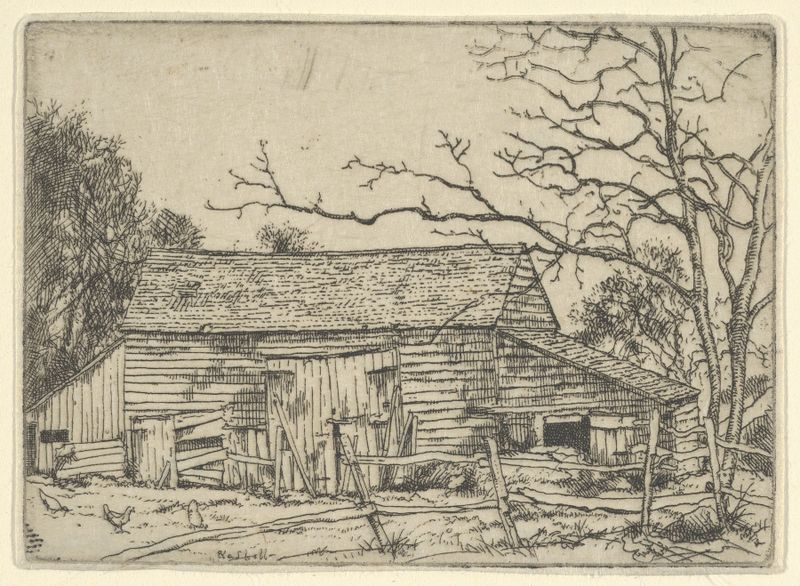
The Barn–Staten Island, N.Y.
Ernest Haskell

Four Live Oaks
Ernest Haskell
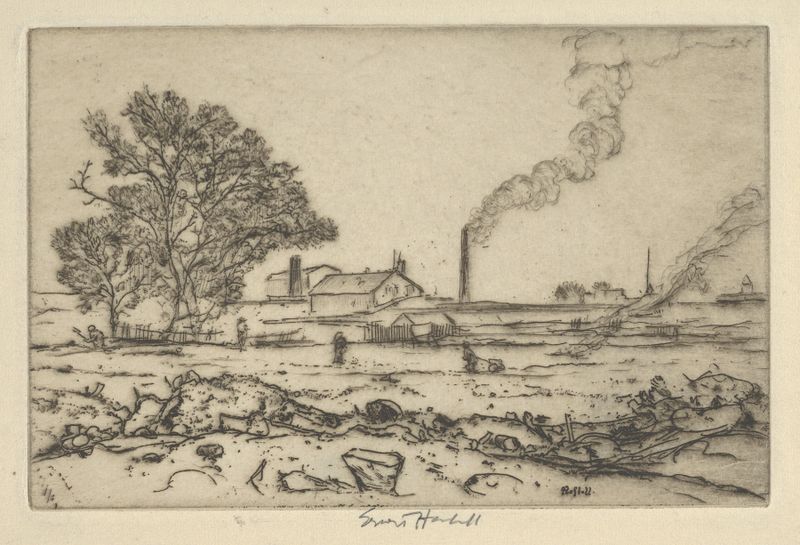
Outskirts of Boston
Ernest Haskell
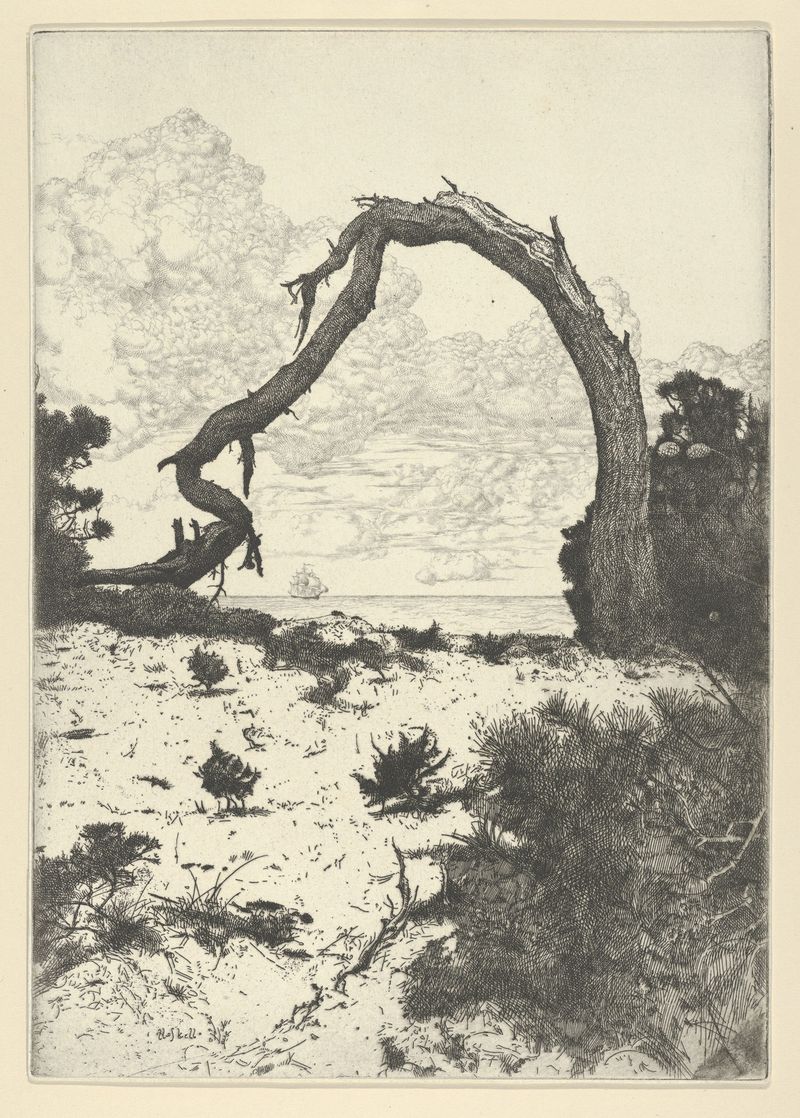
Pine Arch
Ernest Haskell

General Sherman
Ernest Haskell
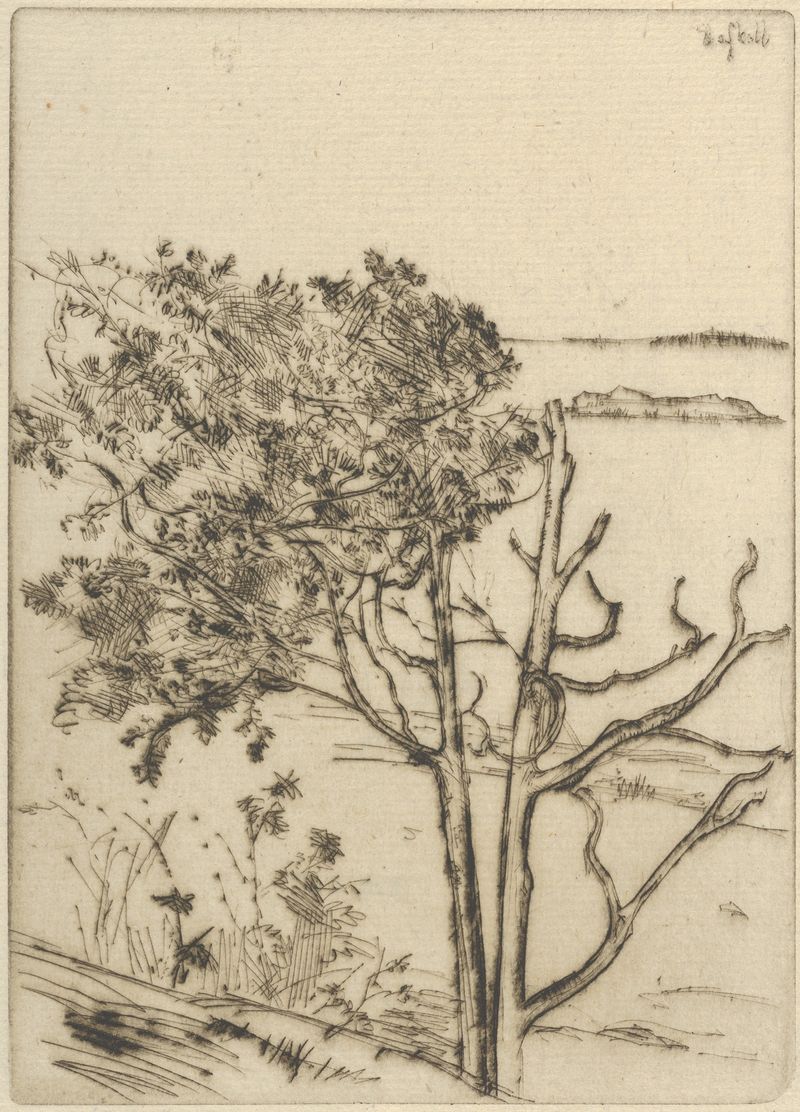
Ragged Tree – Maine
Ernest Haskell

Tide Mill
Ernest Haskell

Ship Building
Ernest Haskell
To the Southward – Ragged Island, Me.
Ernest Haskell
Long Island Marshes
Ernest Haskell





