
Urayasu no zansetsu (Lingering snow at Urayasu) — History & Facts
What secret hides in the quiet of the canvas? In the delicate embrace of winter, the world seems to hold its breath, inviting viewers to step into a moment suspended in time. Focus on the soft hues of blue and white that wash over the landscape, creating a serene tableau. The foreground draws the eye to a weathered wooden fence, its slats dusted with freshly fallen snow, while beyond, the gentle outlines of distant trees fade into a misty horizon. Notice how the light plays across the scene — a subtle glow illuminating the snow, breathing life into the stillness.
Each brushstroke captures not just a place, but a profound sense of nostalgia, evoking memories of quiet winter mornings. Yet, beneath this tranquil surface lies a profound emotional depth. The contrast between the rigid, cold fence and the soft, gentle snow speaks to the passage of time and the fragility of memory. The loneliness of the scene may evoke feelings of longing, as if one yearns for the warmth of connection in a world that feels harrowing yet beautiful.
The orchestration of light and shadow further enhances this sentiment, suggesting both comfort and melancholy in the quietude. Created in 1932, this piece emerged during a pivotal time for the artist, who was deeply influenced by the shin-hanga movement, combining traditional Japanese aesthetics with Western techniques. Painting from his studio in Tokyo, he explored landscapes that resonated with the spirit of the era, reflecting a Japan caught between its rich heritage and the encroaching modern world. In Urayasu no zansetsu, the artist captures not only a scene but a profound meditation on the ephemeral beauty of life itself.
More Artworks by Kawase Hasui
Browse all →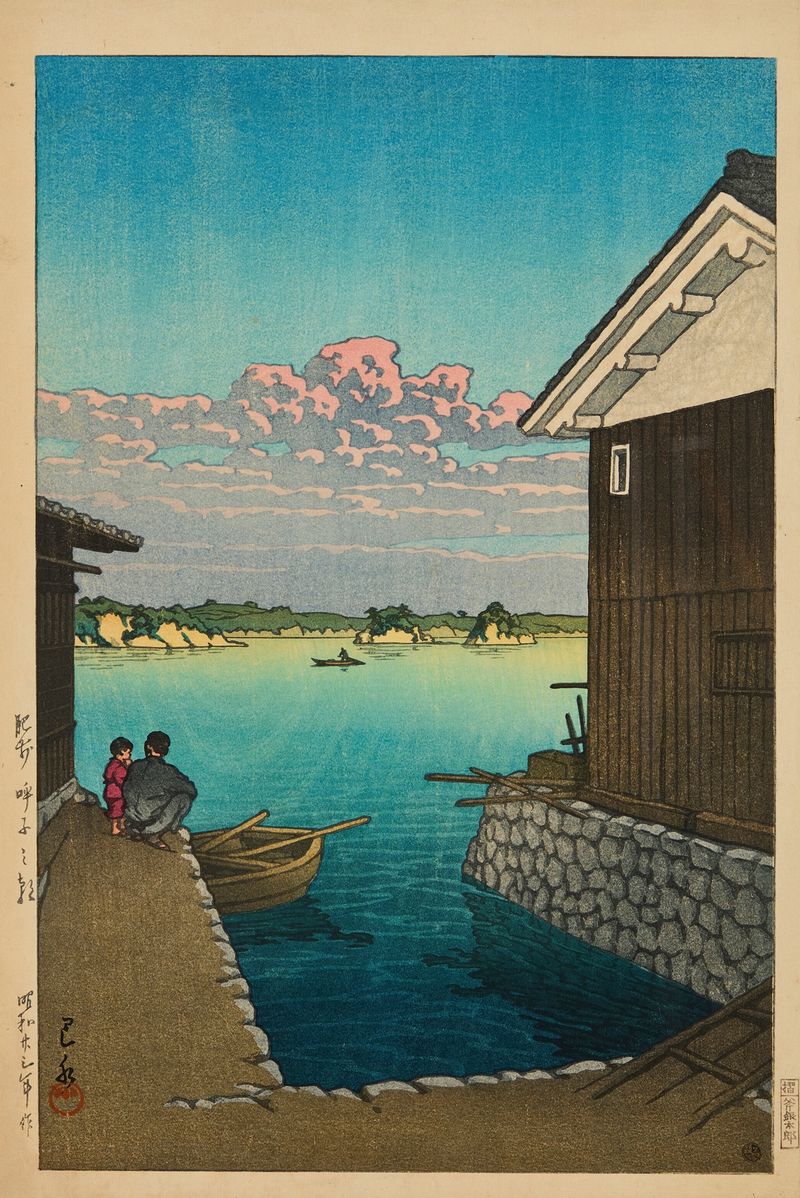
Hizen Yobuko no asa (Morning in Yobuko, Hizen)
Kawase Hasui
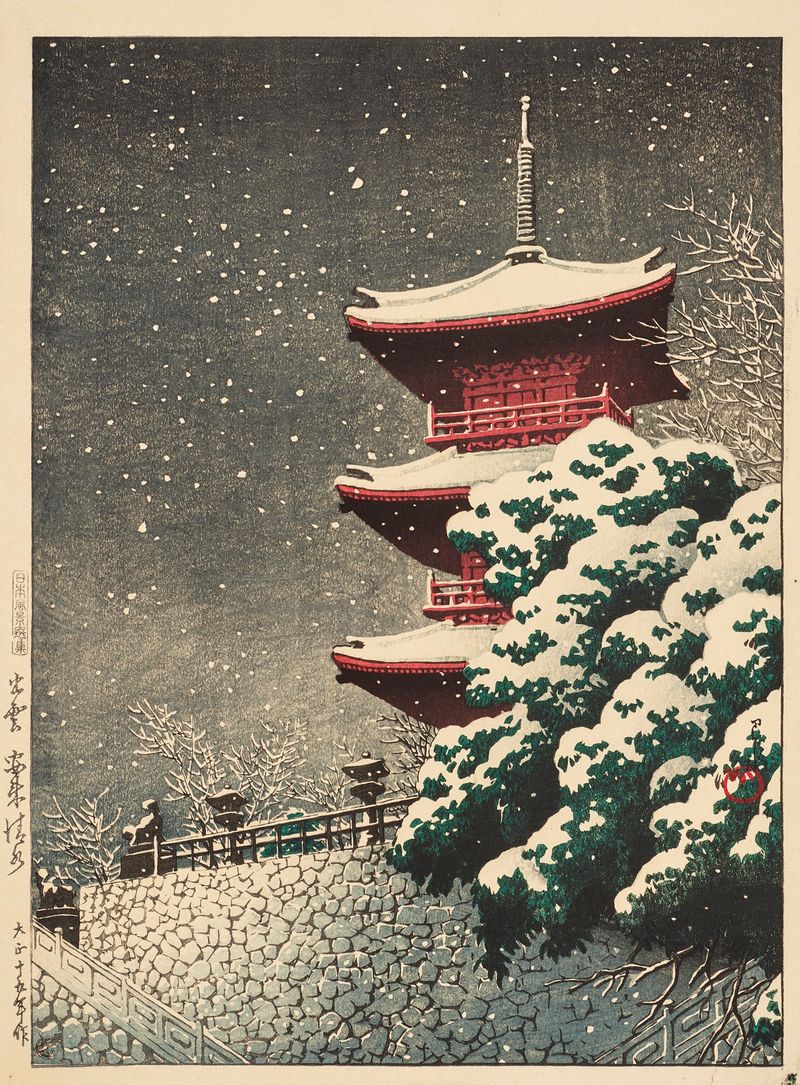
Izumo, Yasugi Kiyomizu (Yasugi Kiyomizu Temple at Izumo)
Kawase Hasui
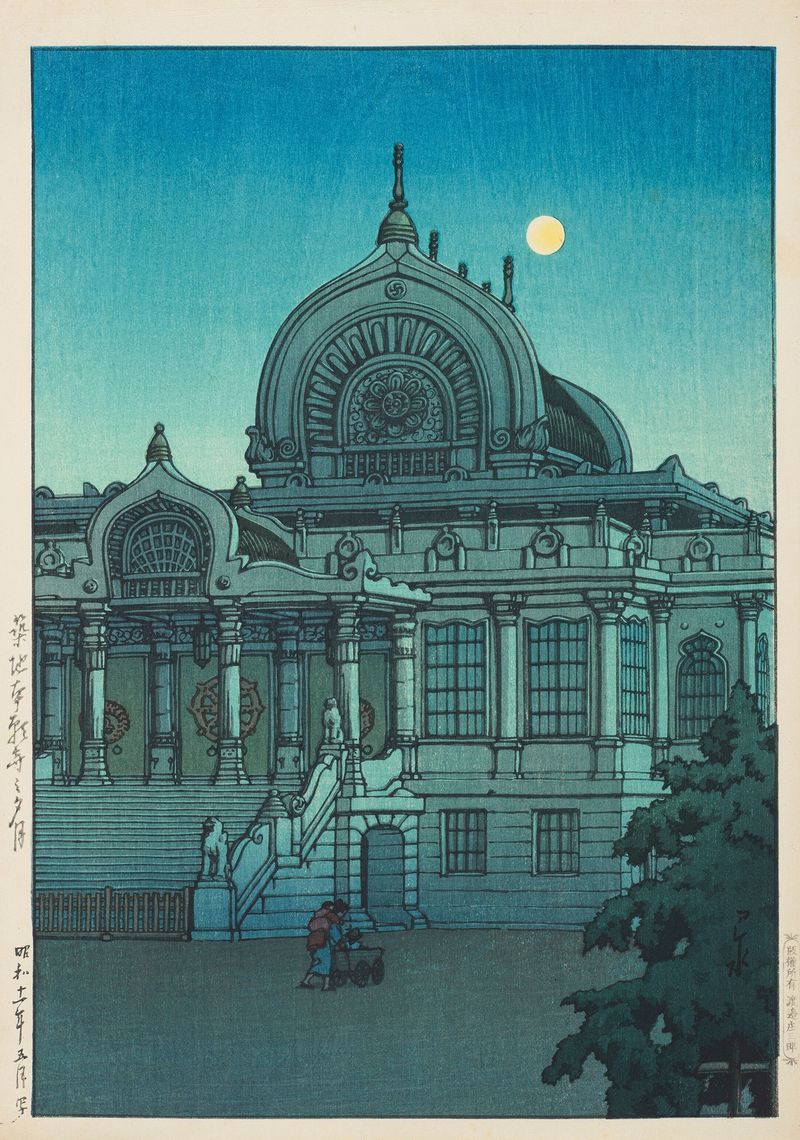
Tsukiji Honganji no yuzuki (Evening moon at Honganji Temple in Tsukiji)
Kawase Hasui
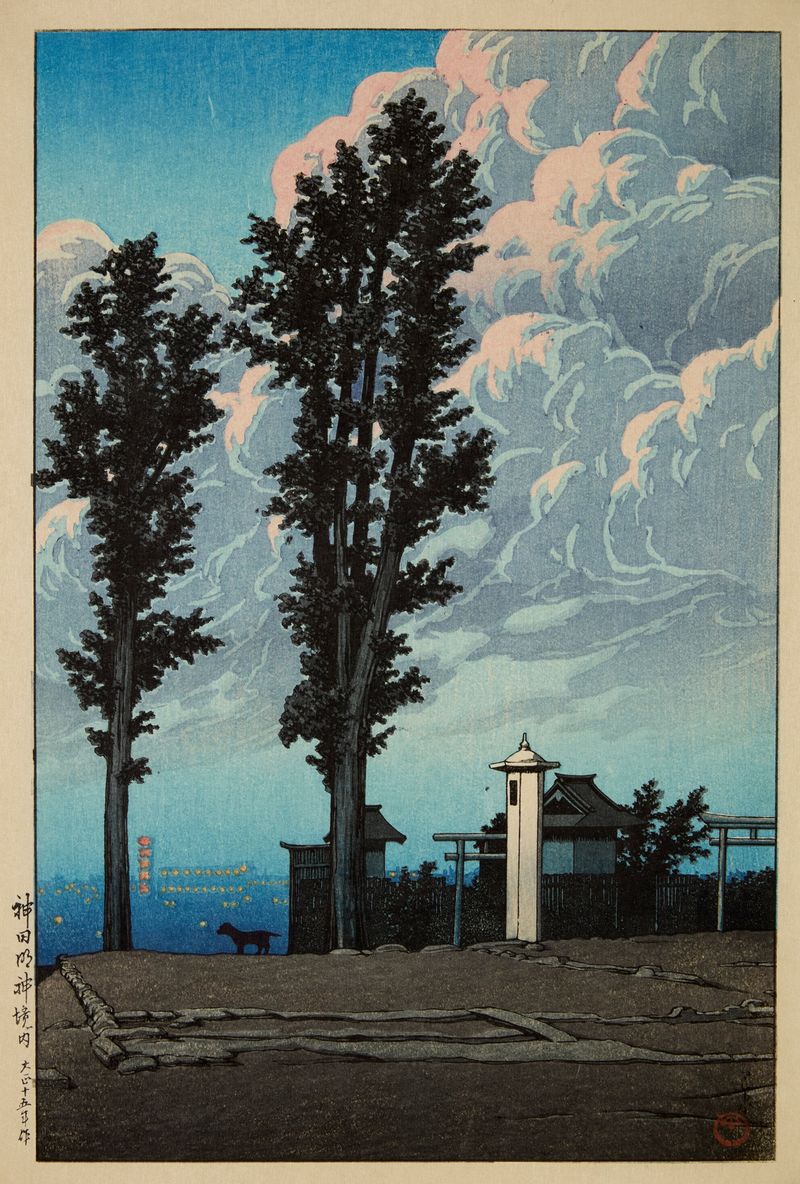
Kanda Myojin keidai (Kanda Myojin Shrine precent)
Kawase Hasui
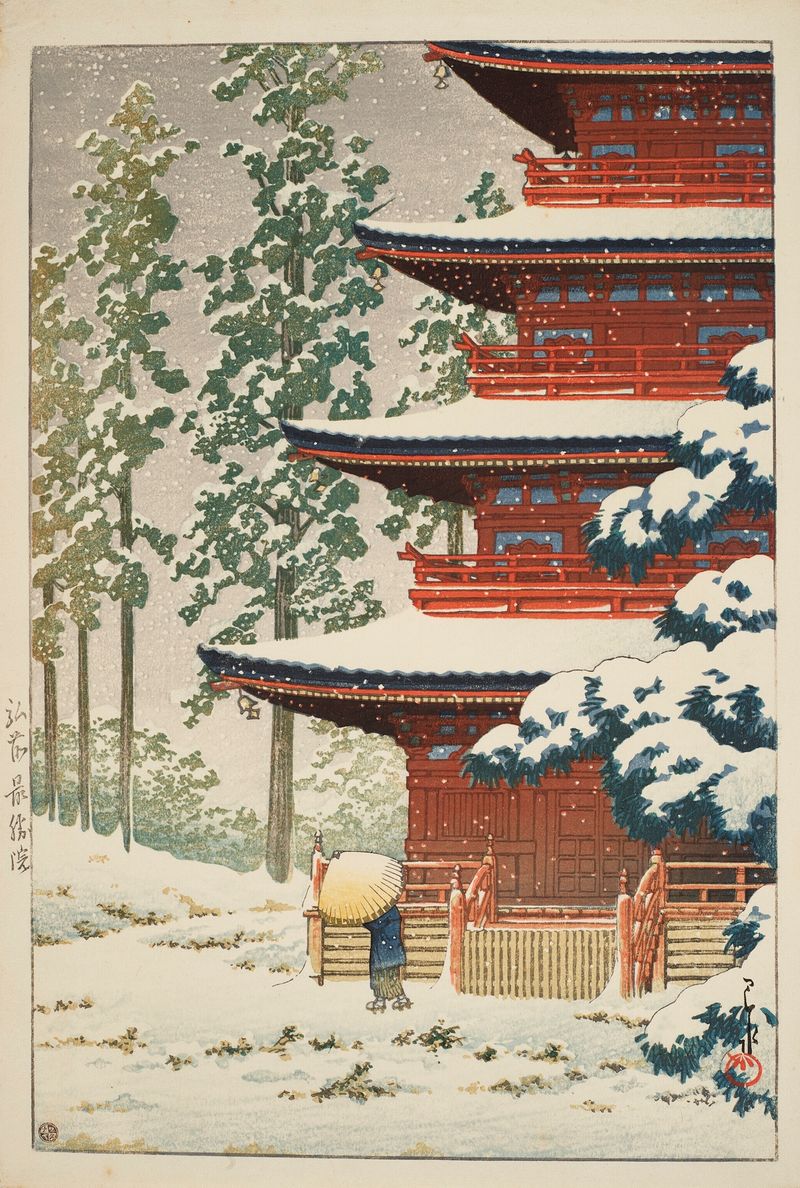
Saisho-in Temple, Hirosaki
Kawase Hasui
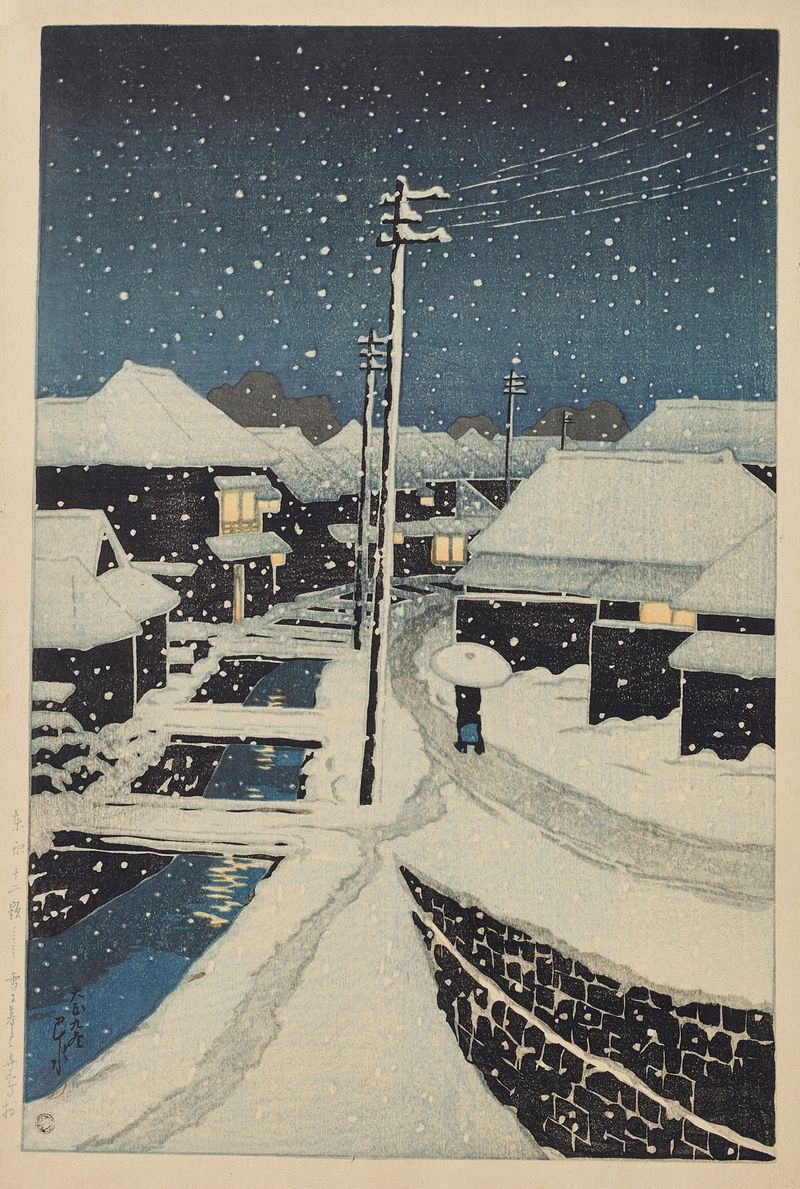
Yuki ni fururu Terajima mura (Evening snow at Terajima Village)
Kawase Hasui
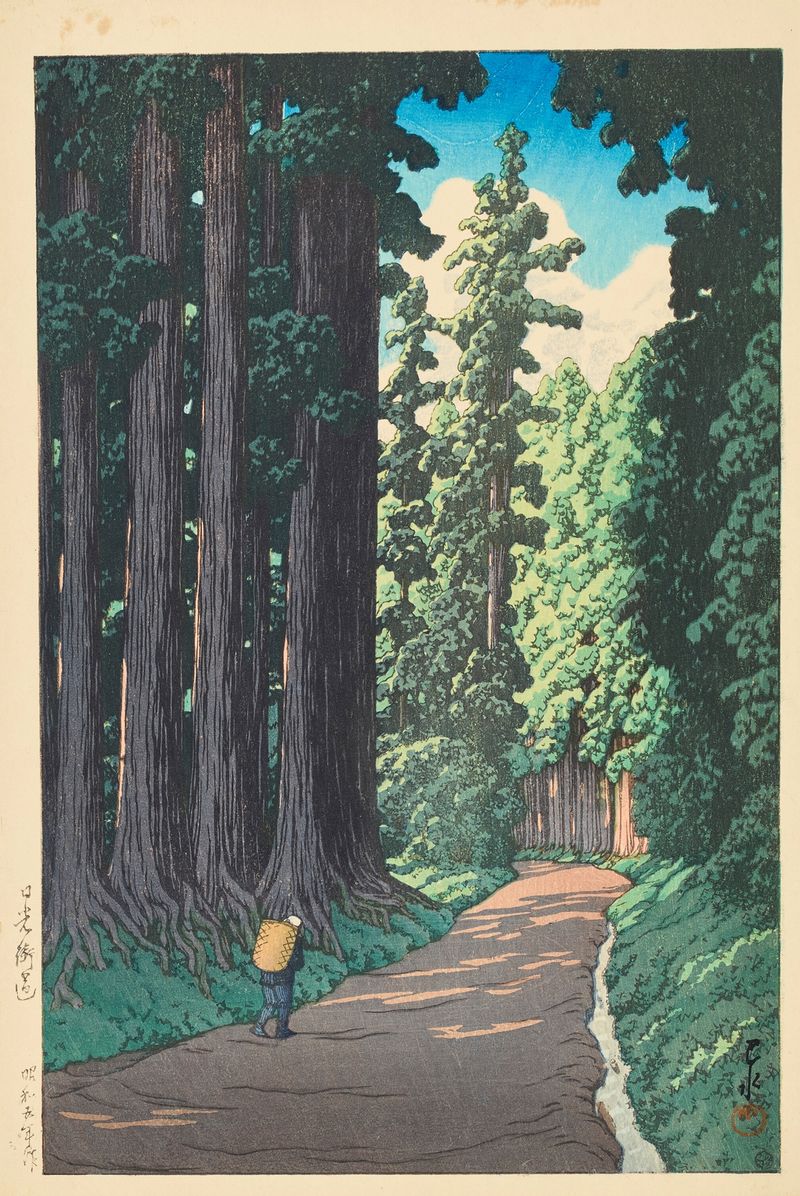
Nikko gaido (The Road to Nikko)
Kawase Hasui
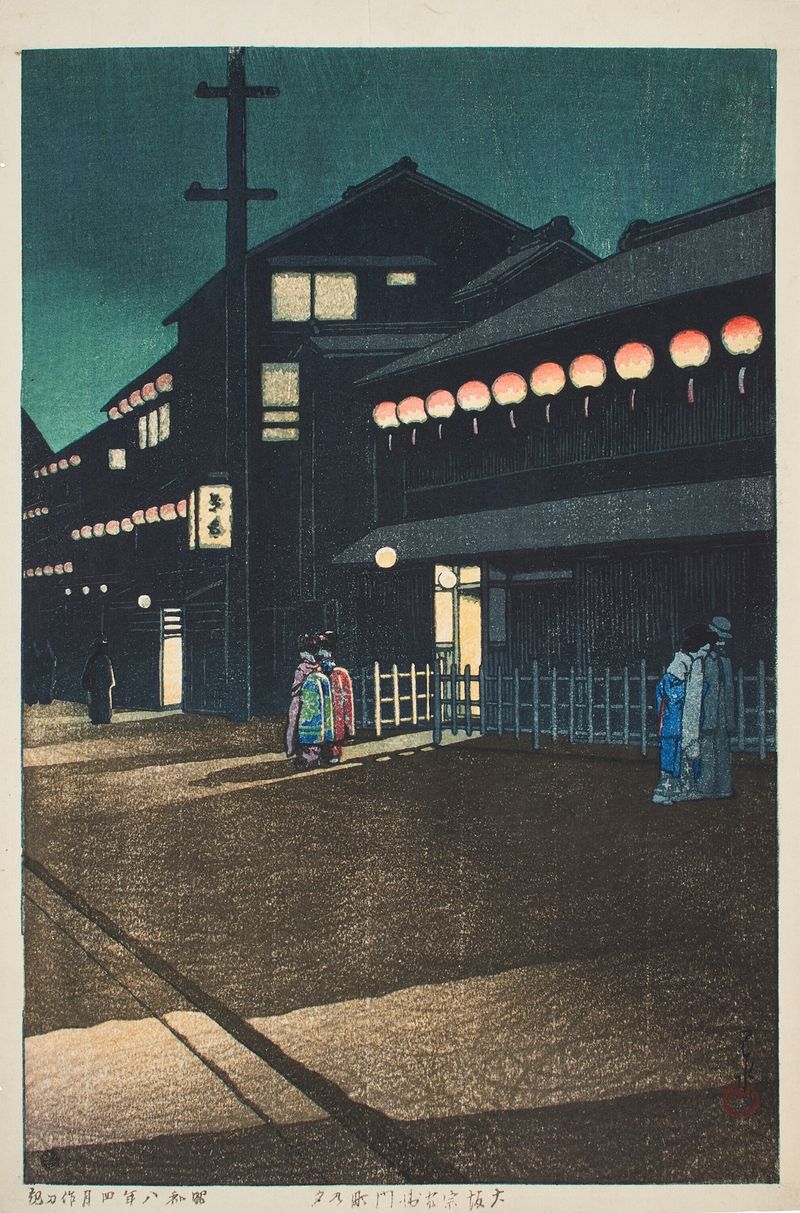
Osaka Soemon-cho no yu (Evening in Soemon-cho, Osaka)
Kawase Hasui
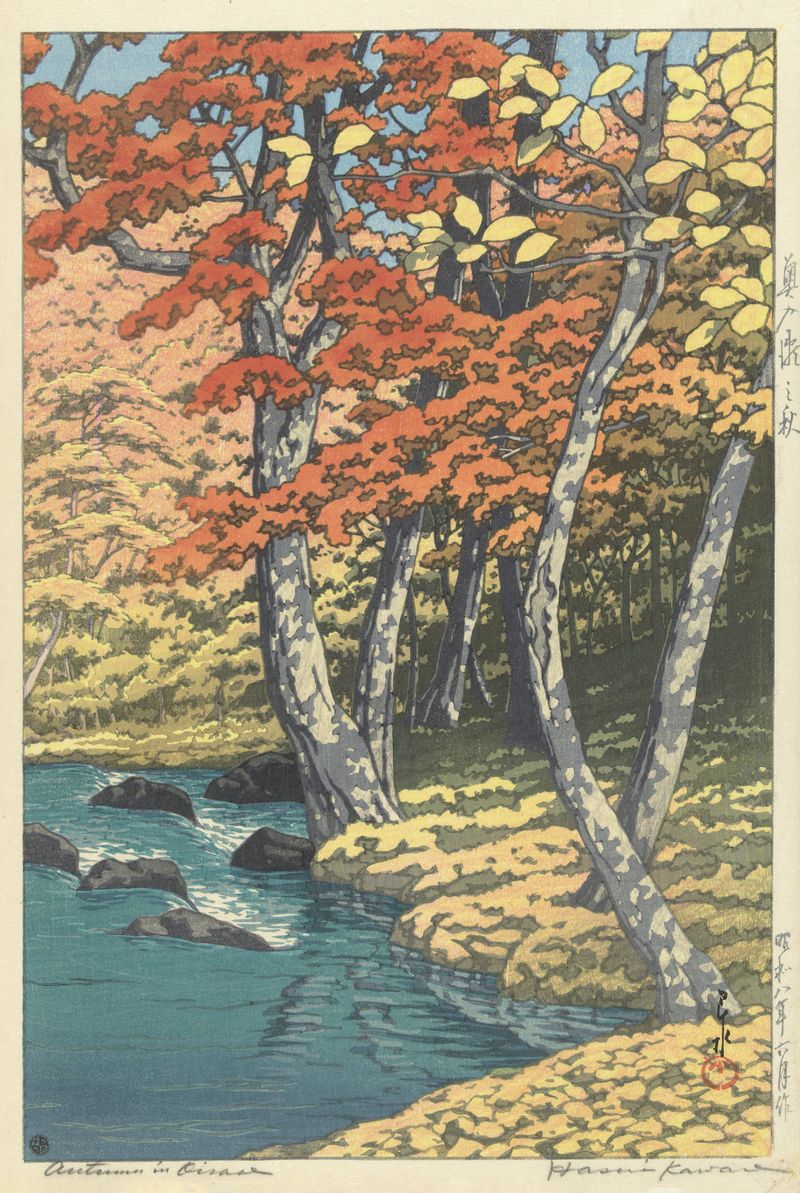
Autumn In Oirase
Kawase Hasui
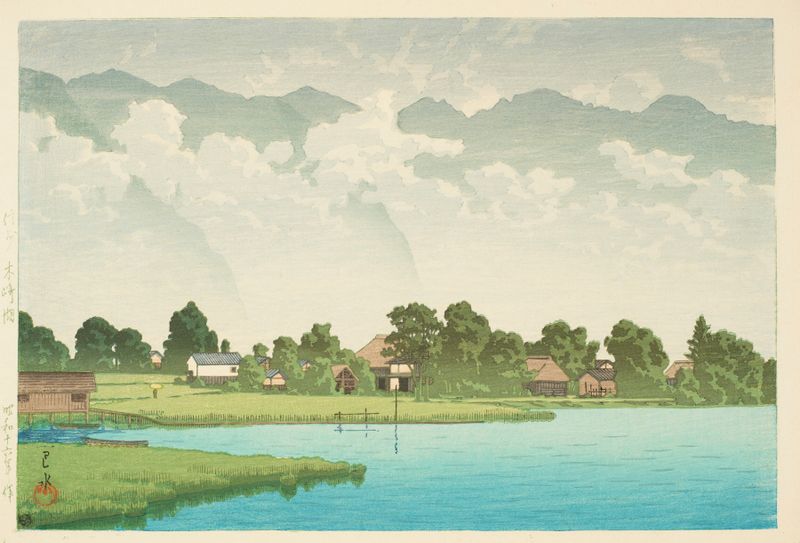
Shinshu Kizakiko (Kizaki Lake in Shinshu)
Kawase Hasui





