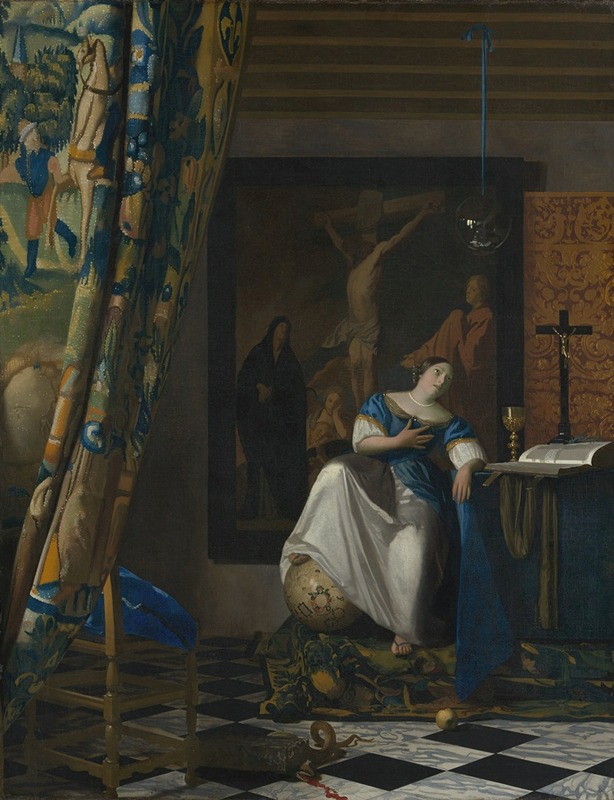
Uur van de Dood — History & Facts
Could beauty survive in a century of chaos? In Uur van de Dood, a haunting atmosphere envelops the viewer, inviting them into a moment steeped in loss and introspection. Look to the center, where a stark contrast between light and shadow unfolds. The figure of Death, cloaked in dark robes, looms over an elegantly dressed woman whose expression teeters between resignation and grace. Notice how the light falls gently on her face, illuminating a delicate balance of vulnerability and dignity amidst the encroaching darkness.
The palette—muted earth tones punctuated by the soft sheen of silk—creates a sense of stillness, forcing us to confront the inevitability of fate. Beneath the surface, layers of meaning intertwine, reflecting the emotional tensions of life and mortality. The woman’s poised demeanor suggests acceptance, yet the slight tremor of her hand hints at an unspoken fear of what lies ahead. The juxtaposition of her beauty against the ominous figure of Death speaks to the fragility of existence; it is a reminder that even in moments of deep despair, grace and elegance may flicker like a candle in a storm.
The small details—the delicate embroidery of her garment, the ghostly grip of Death—illuminate the complexity of human emotions when faced with loss. Created between 1642 and 1644, this work emerged during a transformative period for Ferdinand Bol, who was influenced by the dramatic chiaroscuro of Rembrandt. As Bol carved out his distinct style, the art world grappled with questions of identity and mortality, resonating throughout the turbulence of 17th-century Europe. This painting captures not just a moment but the essence of the human condition—beauty intertwined with the ever-looming shadow of demise.
More Artworks by Ferdinand Bol
Browse all →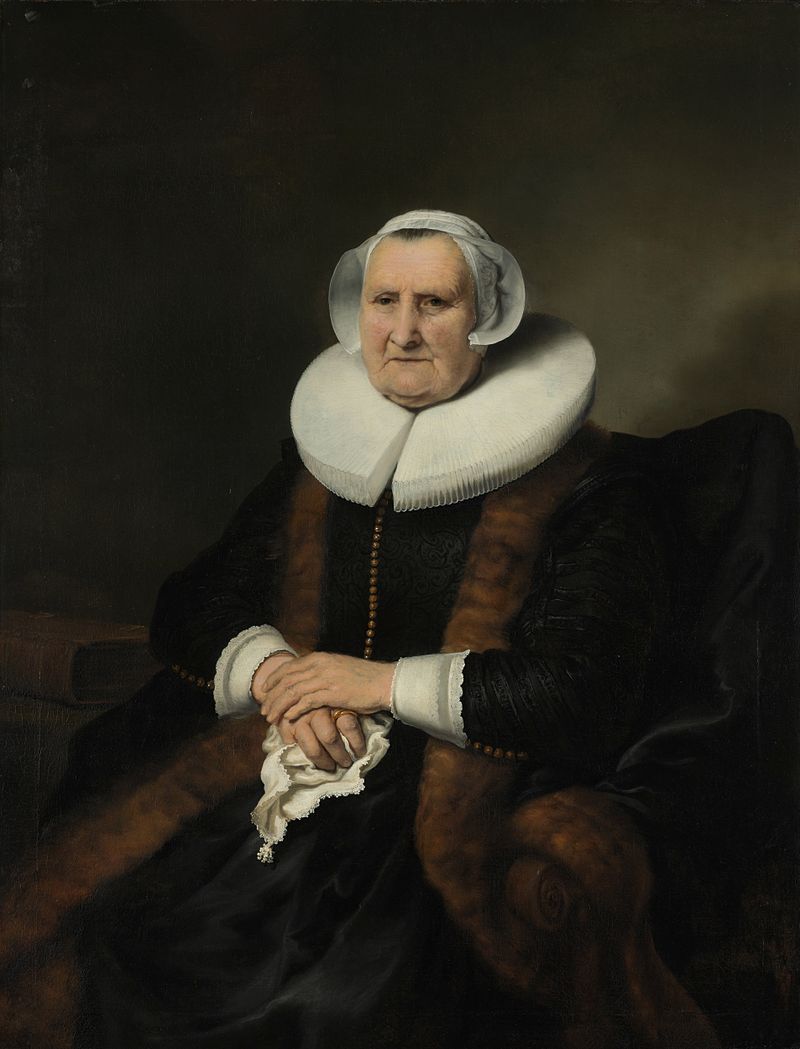
Portrait of an Old Lady, possibly Elisabeth Bas
Ferdinand Bol
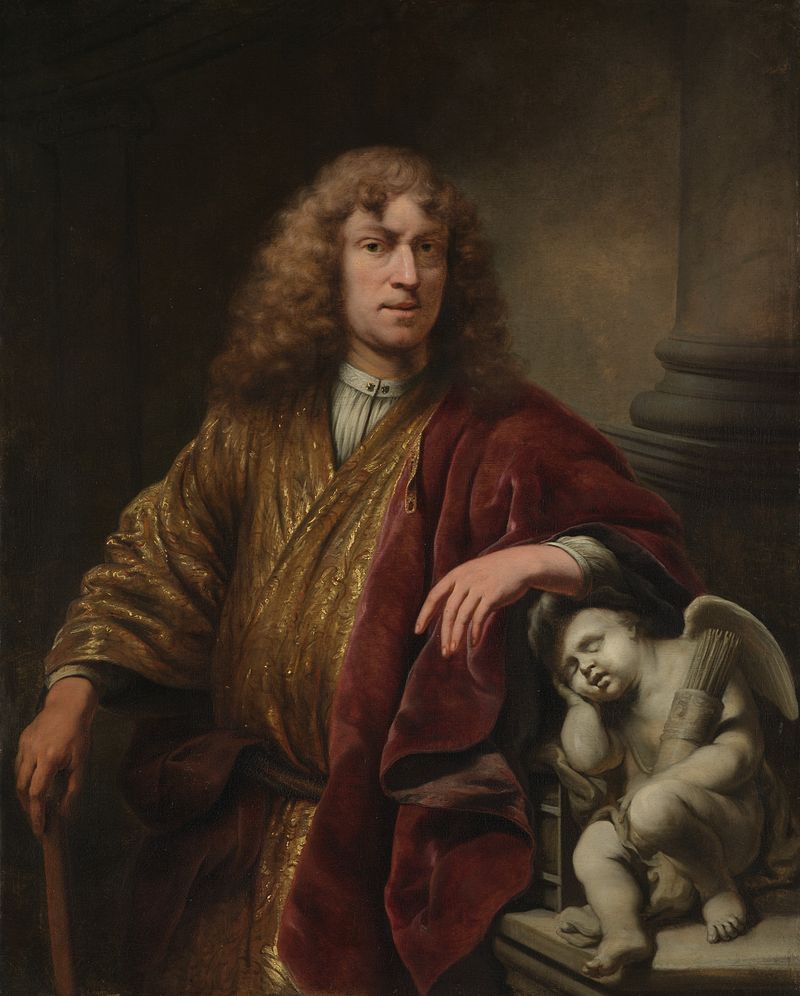
Self-Portrait
Ferdinand Bol

Portrait of Roelof Meulenaer
Ferdinand Bol
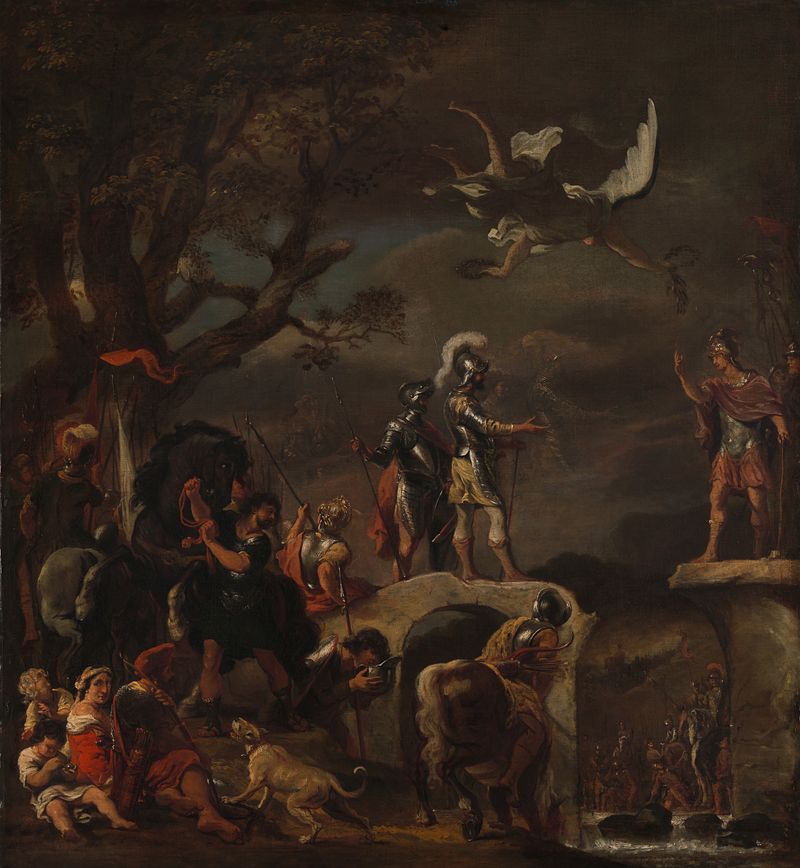
The Peace Negotiations between Claudius Civilis and Quintus Petillius Cerealis on the Demolished Bridge.
Ferdinand Bol
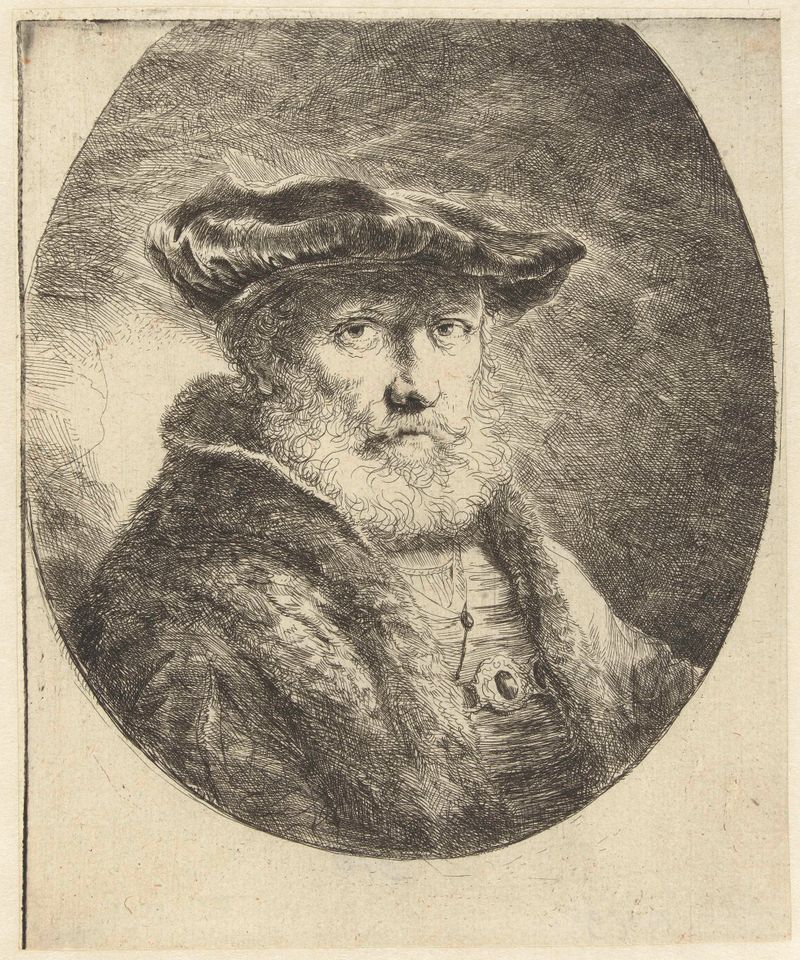
Buste van een oude man met fluwelen baret
Ferdinand Bol

Zelfportret
Ferdinand Bol
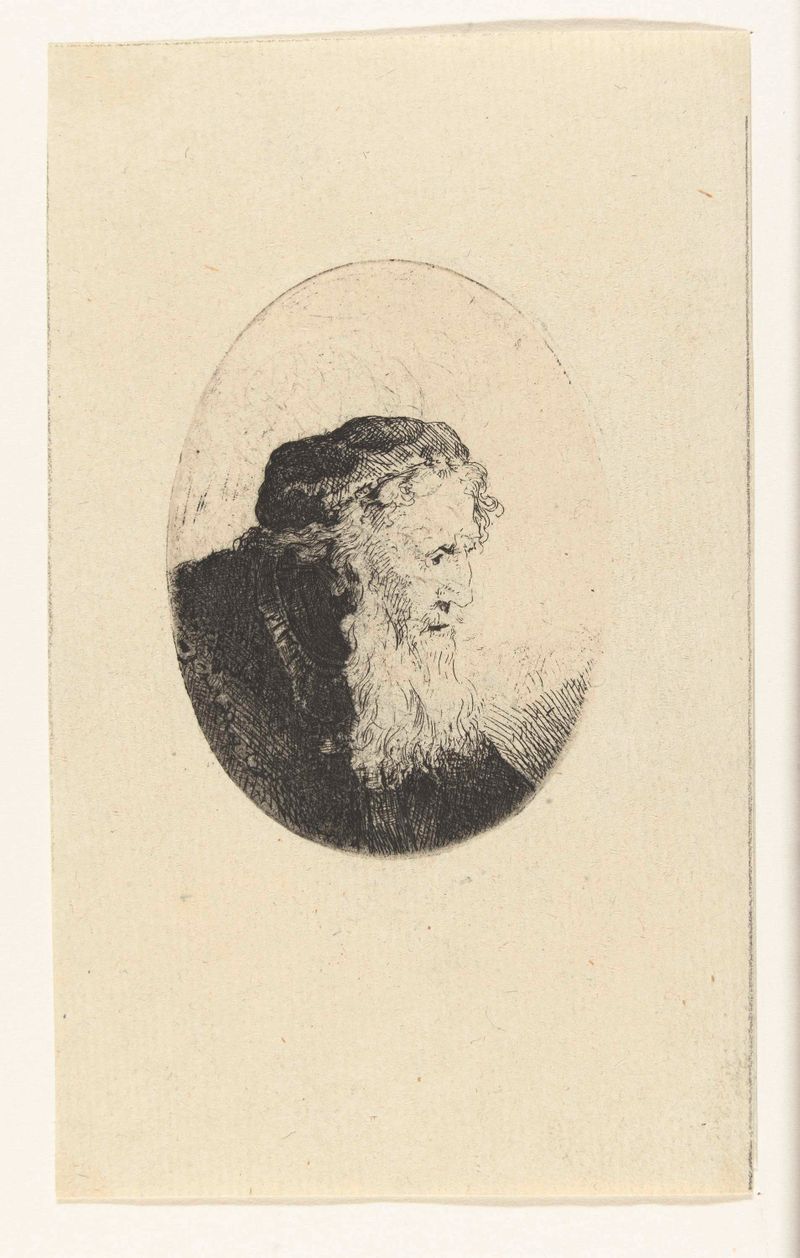
Oude man met baard
Ferdinand Bol

Jozef stelt zijn vader aan de Farao voor
Ferdinand Bol

Venus and Adonis
Ferdinand Bol

Filosoof
Ferdinand Bol