Vaison, la vieille ville (Vayson) — History & Facts
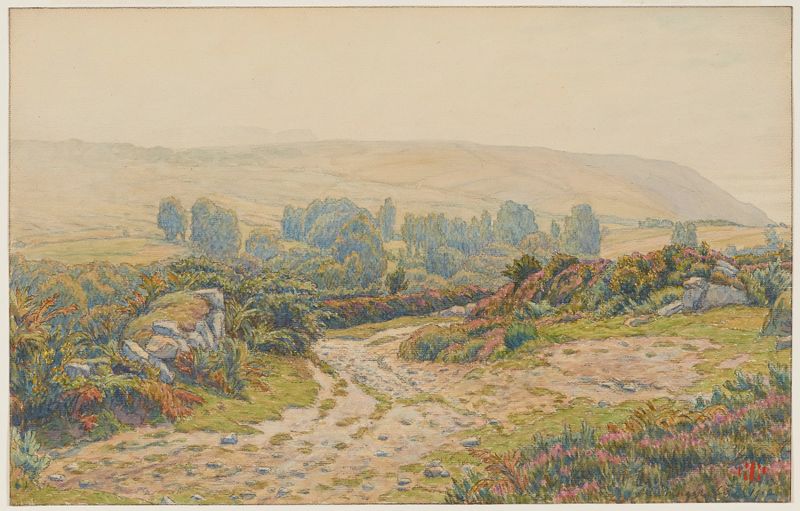
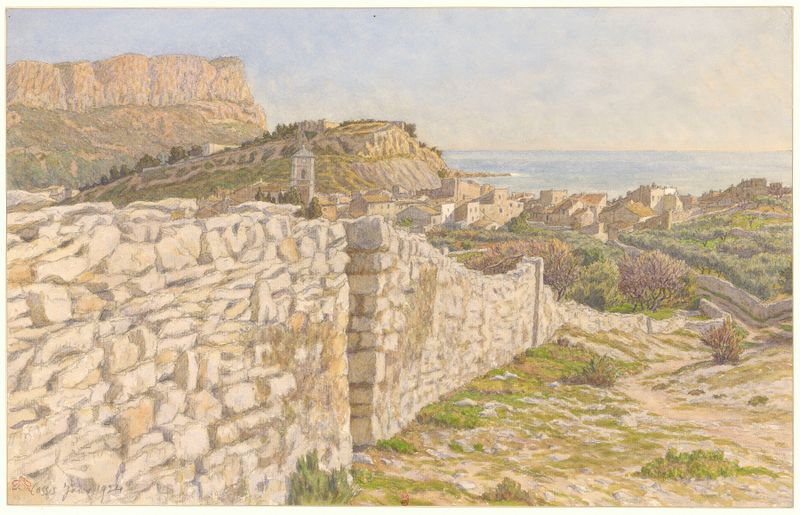
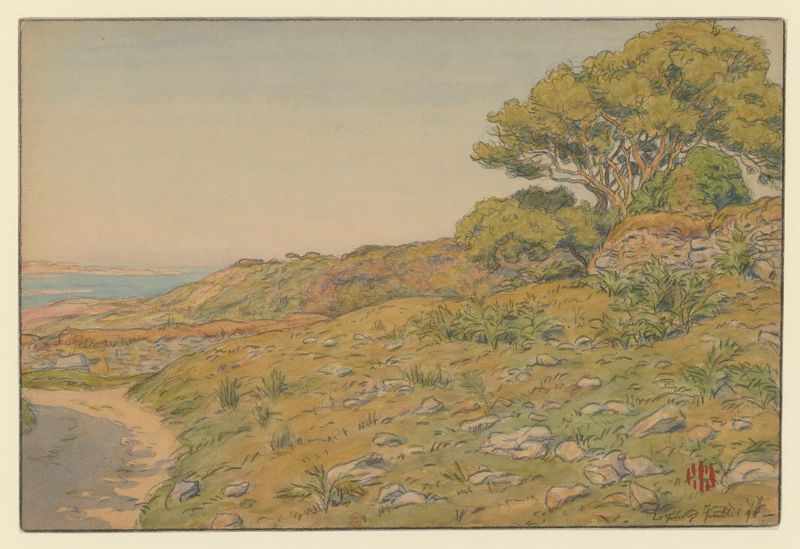
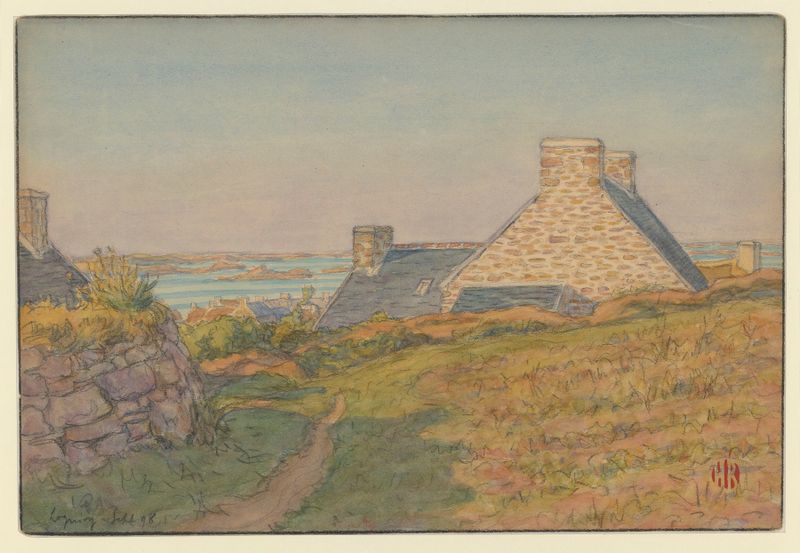
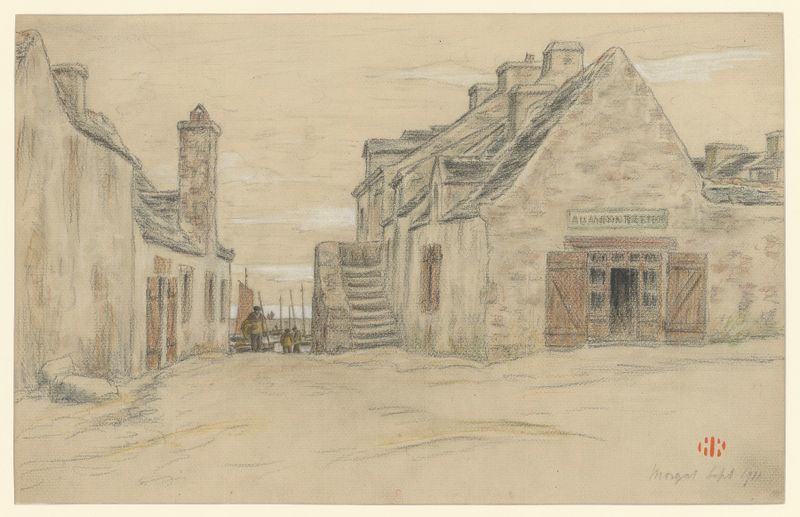
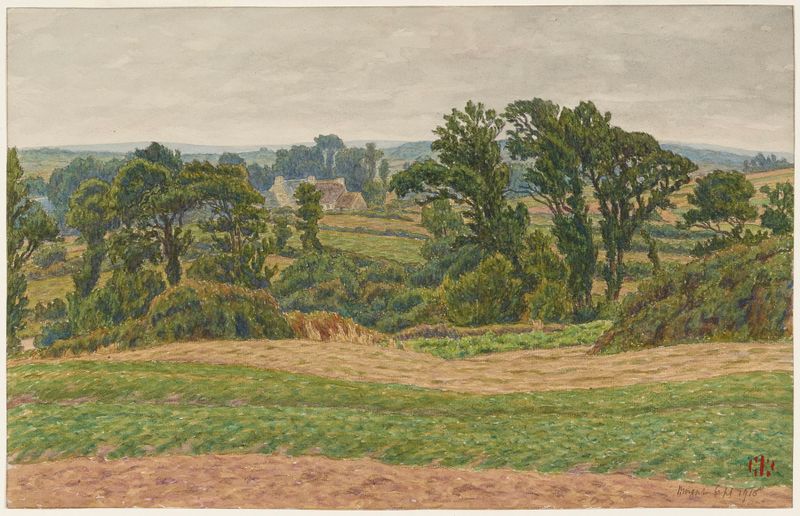
Did the painter know this moment would outlive them? In Vaison, la vieille ville, a landscape unfolds, revealing the timeless dialogue between nature and humanity, where each brushstroke sings of revelation and nostalgia. Look to the left at the ancient stone buildings, their weathered facades illuminated by a warm, golden hue. Notice how the light delicately caresses the rooftops, creating a gentle contrast against the cool blues of the distant sky. The winding streets, carved into the earth, guide the viewer's eye into the heart of the composition, drawing attention to the interplay of shadows and sunlight.
Rivière's choice of color evokes both a sense of warmth and melancholy, encapsulating the essence of a place steeped in history. The painting captures a moment that bridges the past and present, evoking a quiet contemplation. The juxtaposition of the robust, enduring architecture against the ethereal nature of the landscape highlights a deeper harmony between civilization and the natural world. Each element within the frame tells a story of resilience and memory, suggesting that while the physical structures may age, the spirit of the place remains vibrant and alive in the hearts of its beholders. Henri Rivière created Vaison, la vieille ville in 1934, during a period marked by significant change and reflection in the art world.
Living in the aftermath of World War I, he sought to explore themes of history and identity through his work. This painting emerged from a time when artists increasingly turned to the landscapes of their own countries, celebrating both personal and collective memory, as they pondered the transience of life and the power of art to capture fleeting moments.