
Vallée Solitaire — History & Facts
In the delicate whispers of nature, the solitude of the human experience finds its truest expression. Within the lush embrace of trees and the quiet flow of water, a profound sense of loneliness envelops the viewer, revealing the heart of the landscape in stark clarity. Look closely at the soft greens and muted earth tones that dominate the canvas; they invite you into a tranquil yet melancholic realm. Focus on the gentle play of light filtering through the leaves, casting soft shadows on the ground.
Notice how the solitary figure stands by the water’s edge, almost merging with the surroundings, embodying both presence and absence. The meticulously crafted brushstrokes breathe life into the scene while simultaneously suggesting a deep emotional distance. Beneath the surface, hidden meanings unfold. The solitary figure, though clearly present, evokes a sense of yearning and isolation, contrasting with the vibrant yet serene environment.
The stillness of the water reflects not just nature, but also the introspection that often accompanies solitude. The juxtaposition of color and emptiness serves as a poignant reminder of the duality of existence—how beauty can exist alongside profound loneliness. In the years between 1870 and 1874, the artist explored themes of nature and emotion, painting Vallée Solitaire during a period of personal introspection. Living in France amidst the shifting tides of the art world, Corot was known for his innovations in landscape painting, focusing on the interplay of light and atmosphere.
This work reflects his ongoing quest to capture the essence of human experience through the lens of the natural world, blending beauty with solitude in a transformative way.
More Artworks by Jean-Baptiste-Camille Corot
Browse all →
View of Genoa
Jean-Baptiste-Camille Corot
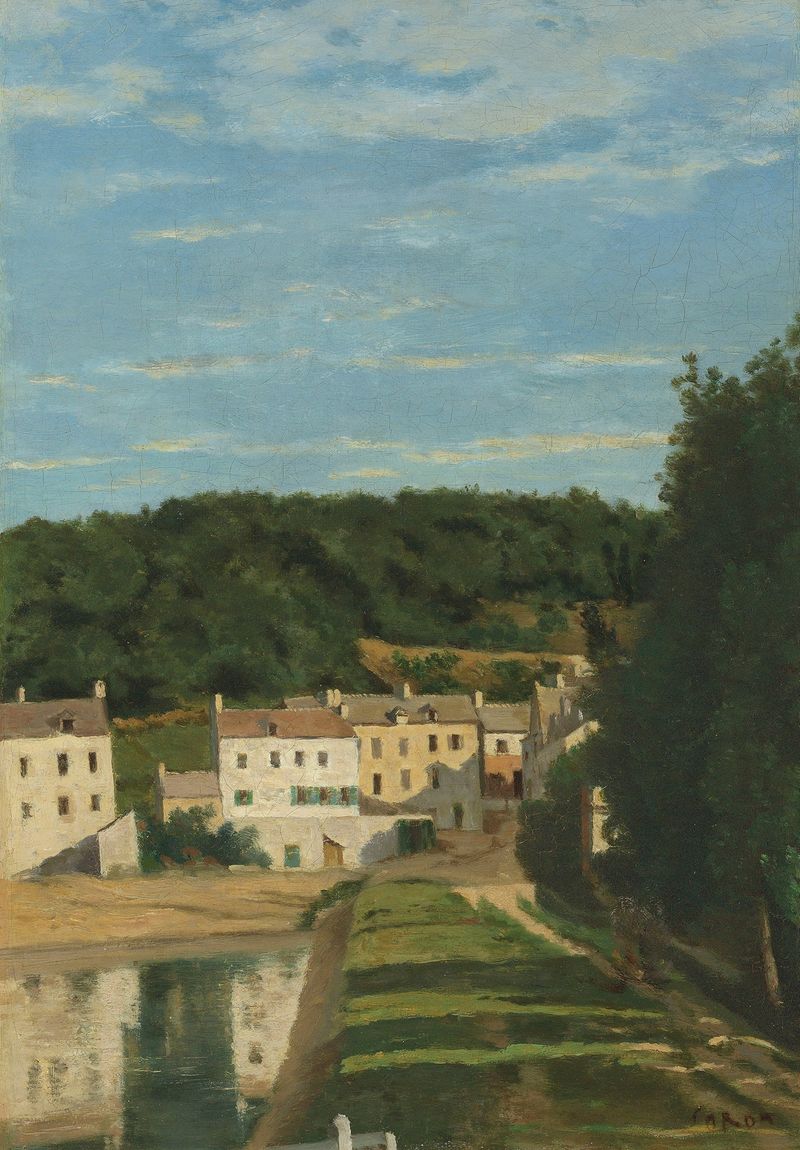
Les Maisons Cabassud À Ville D’avray
Jean-Baptiste-Camille Corot

La solitude. Souvenir de Vigen (Limousin)
Jean-Baptiste-Camille Corot
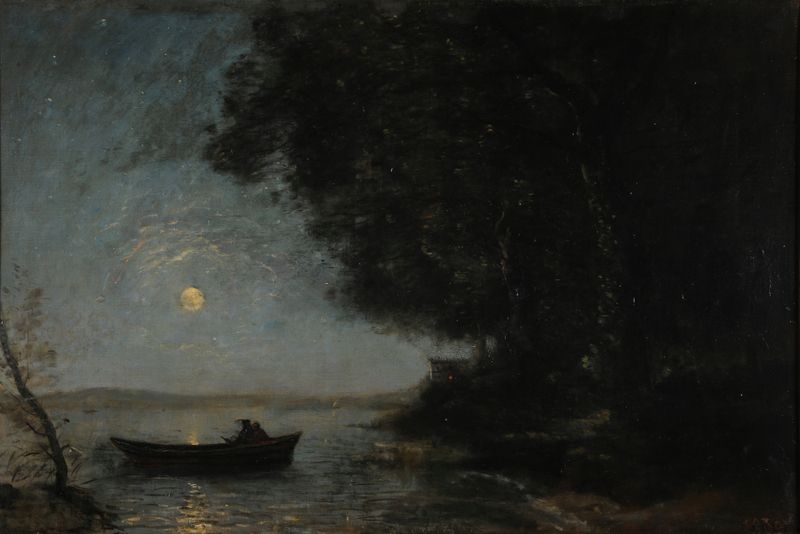
Le lac ; effet de nuit
Jean-Baptiste-Camille Corot
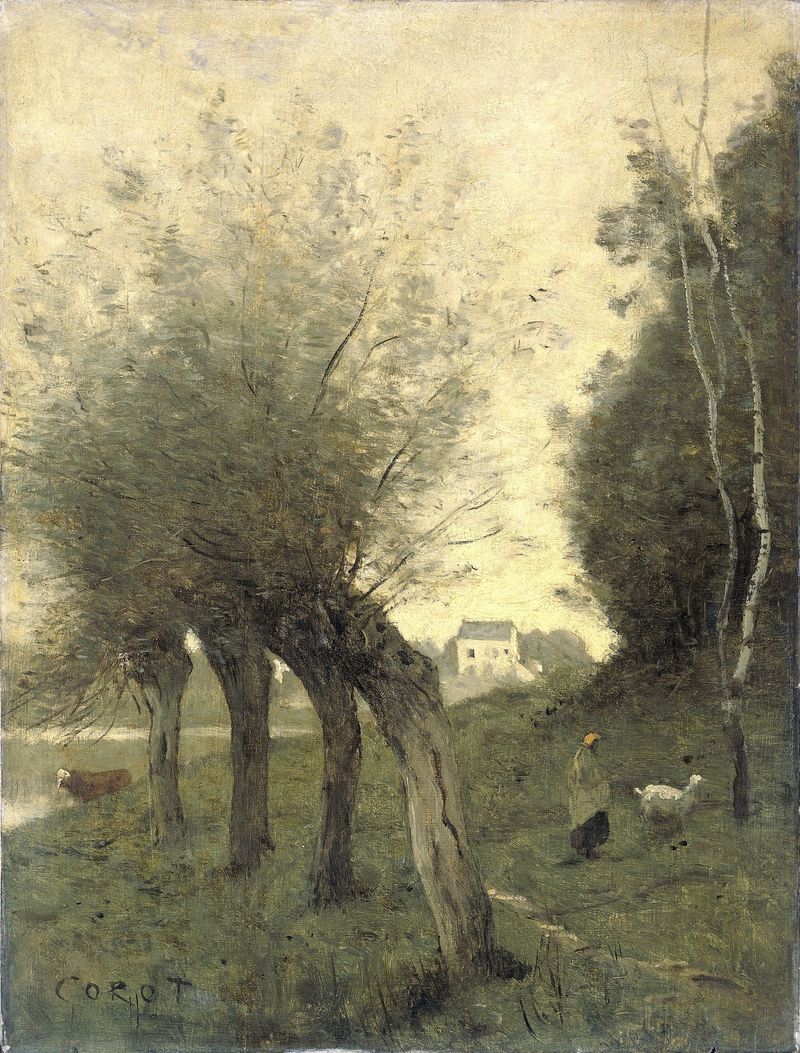
Landscape with Pollard Willows
Jean-Baptiste-Camille Corot
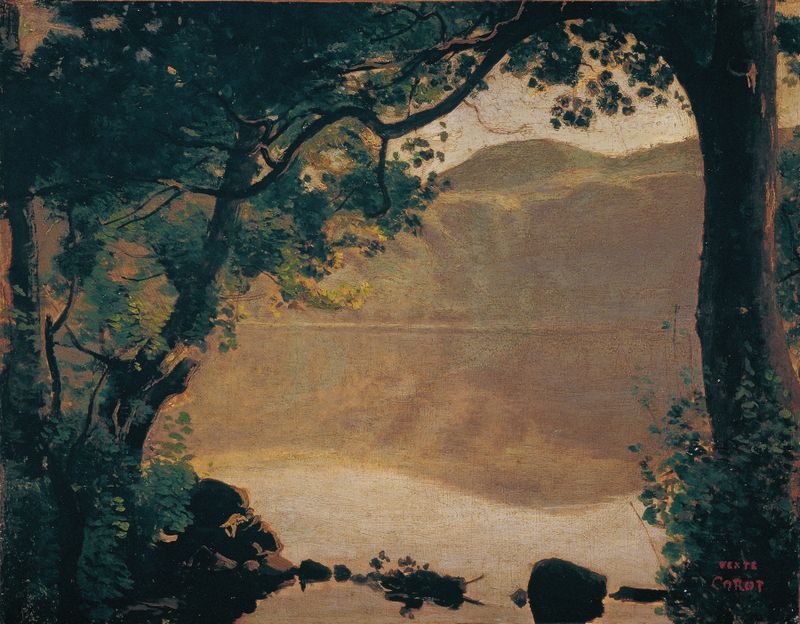
Der Nemisee
Jean-Baptiste-Camille Corot
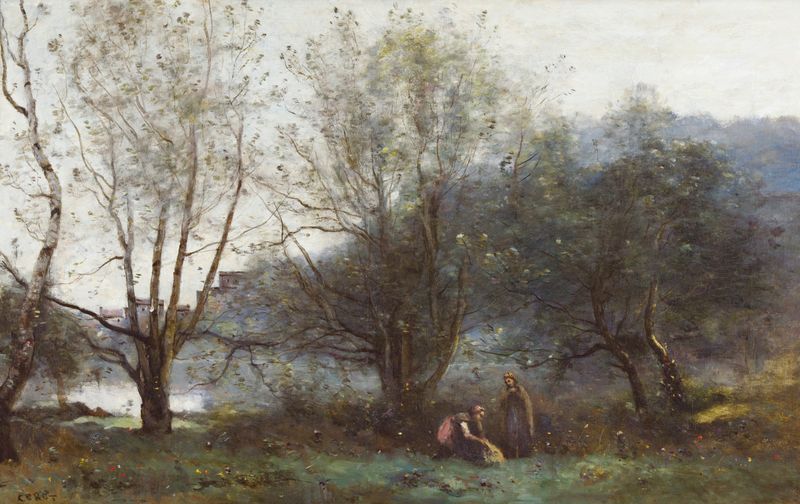
Les Étangs De Ville D’avray
Jean-Baptiste-Camille Corot
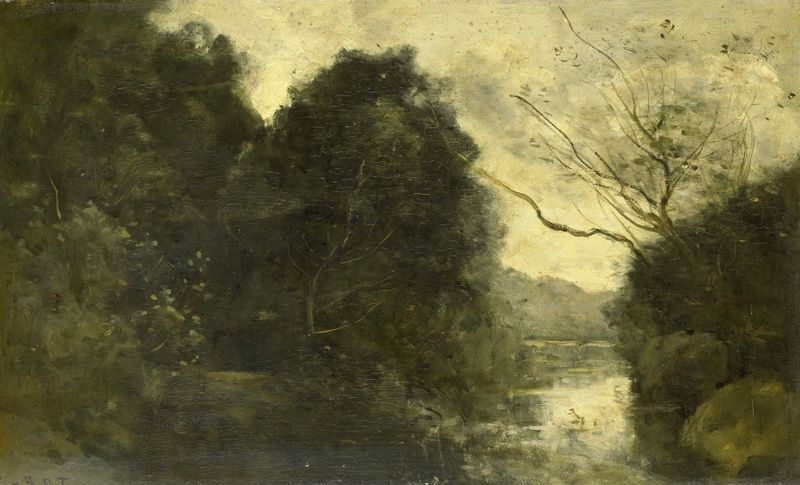
Pond in the Woods
Jean-Baptiste-Camille Corot
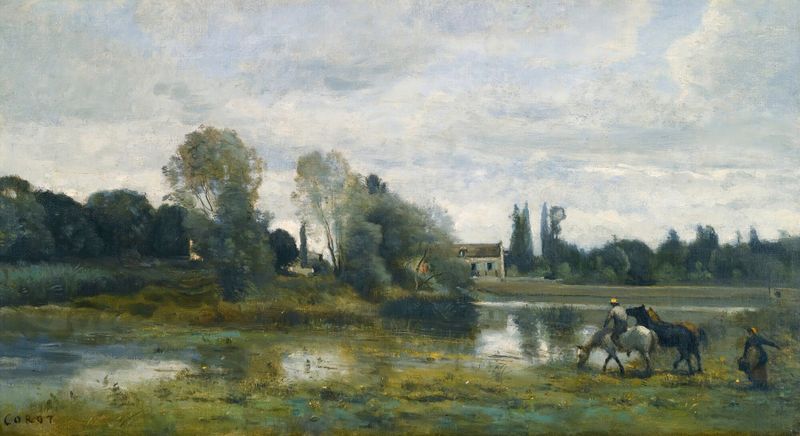
Ville D’avray; L’abreuvoir Des Chevaux
Jean-Baptiste-Camille Corot
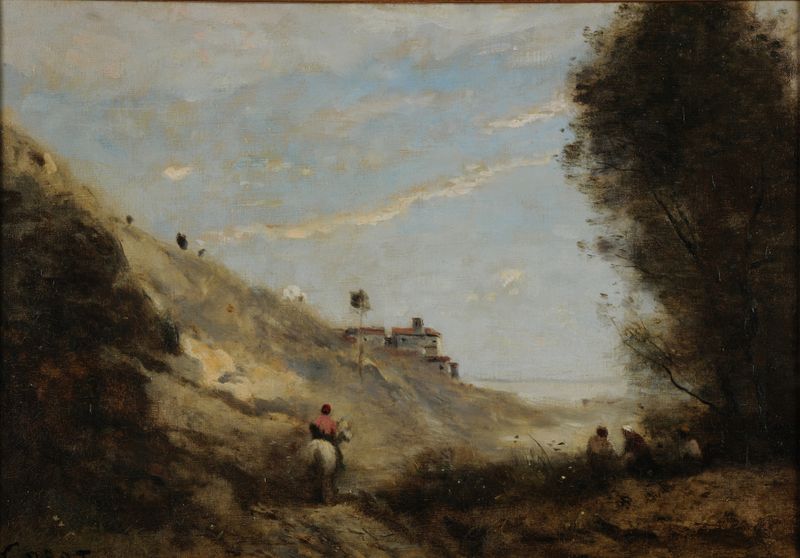
Le vallon au cavalier
Jean-Baptiste-Camille Corot





