
Van Cortlandt manor house — History & Facts
Could beauty survive in a century of chaos? In the early 20th century, as the world grappled with change, this question lingered in the air, inviting contemplation through art. Look closely at the foreground of the piece, where the meticulously rendered facade of Van Cortlandt manor stands resolute against the backdrop of a shifting landscape. Notice the way light dances along the textured surfaces of the stone, illuminating intricate details that speak to a bygone era. The artist employs a warm, golden palette to evoke a sense of nostalgia, compelling the viewer to reflect on the passage of time and the stories held within these walls. In the juxtaposition of the sturdy architecture against the encroaching nature, there's a palpable tension that suggests resilience in the face of inevitable change.
The delicate branches reaching toward the manor create a visual dialogue between humanity and the wild, while the play of light sets a serene but poignant mood. It's a reminder of the transient beauty of life and the enduring strength of memory, whispering the tales of those who once inhabited this space. Created in 1901, this work reflects Mielatz’s deep engagement with American landscapes and architecture during a time of industrial growth. Living in New York, he was influenced by the Arts and Crafts movement, which celebrated craftsmanship and the beauty of the natural world.
In this piece, he captures not only a physical structure but also the spirit of an era poised on the brink of modernity, contemplating what would be lost and what might endure.
More Artworks by Charles Frederick William Mielatz
Browse all →
View of Rockwood Tarrytown on the Hudson, residence of William Rockefeller, no. 1
Charles Frederick William Mielatz
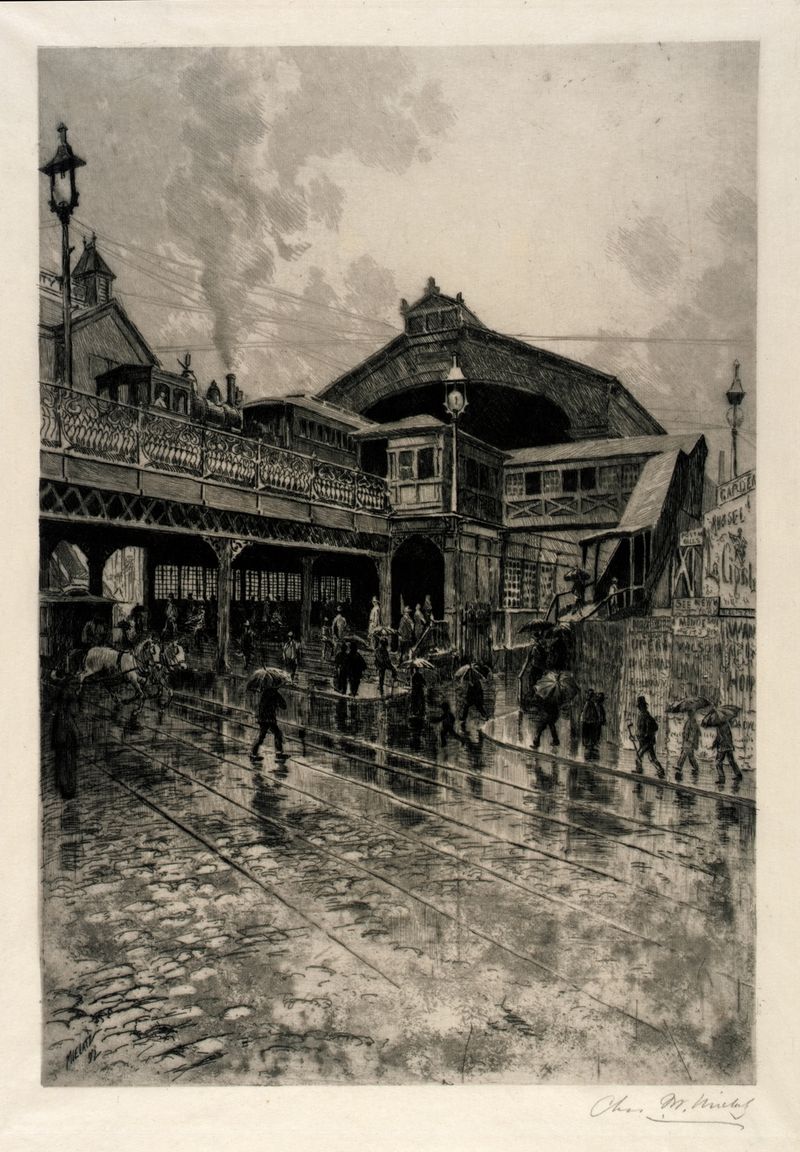
Entrance to Brooklyn Bridge
Charles Frederick William Mielatz
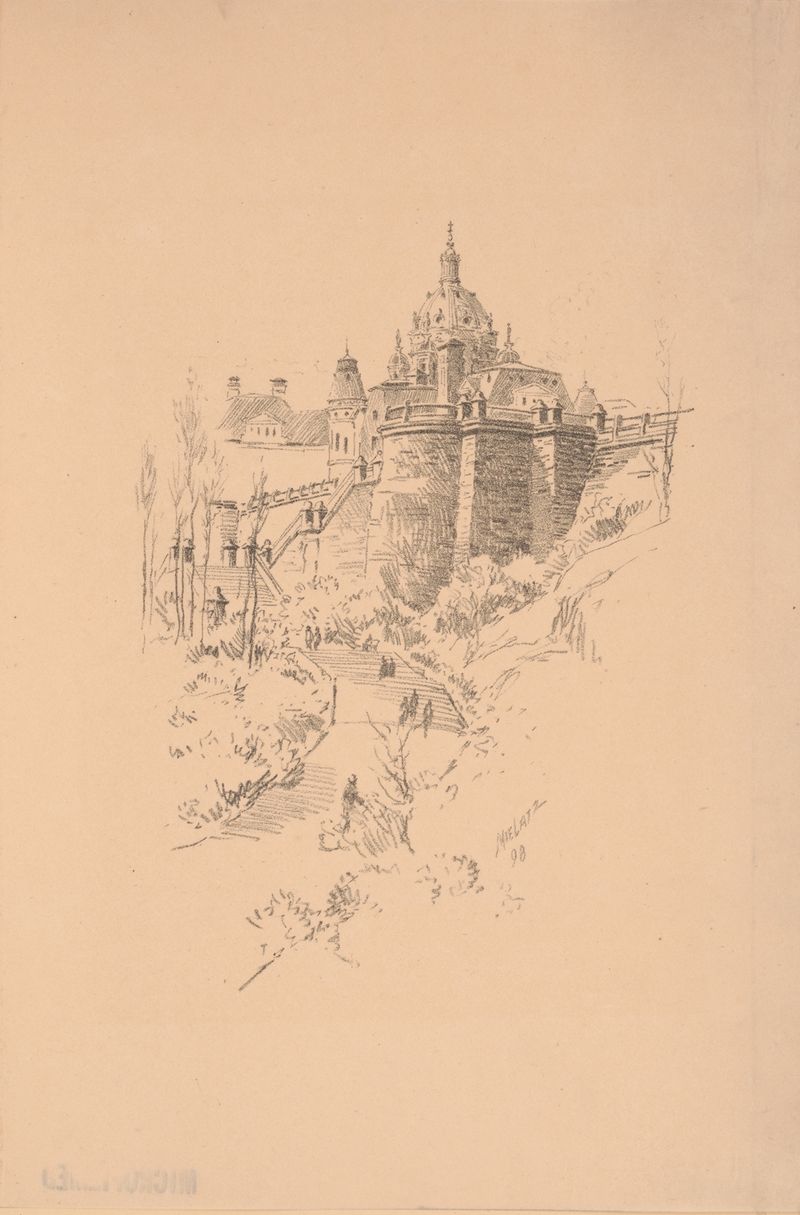
Morningside Park and St. Luke’s Hospital
Charles Frederick William Mielatz

Street Scene under Steel Bridge
Charles Frederick William Mielatz
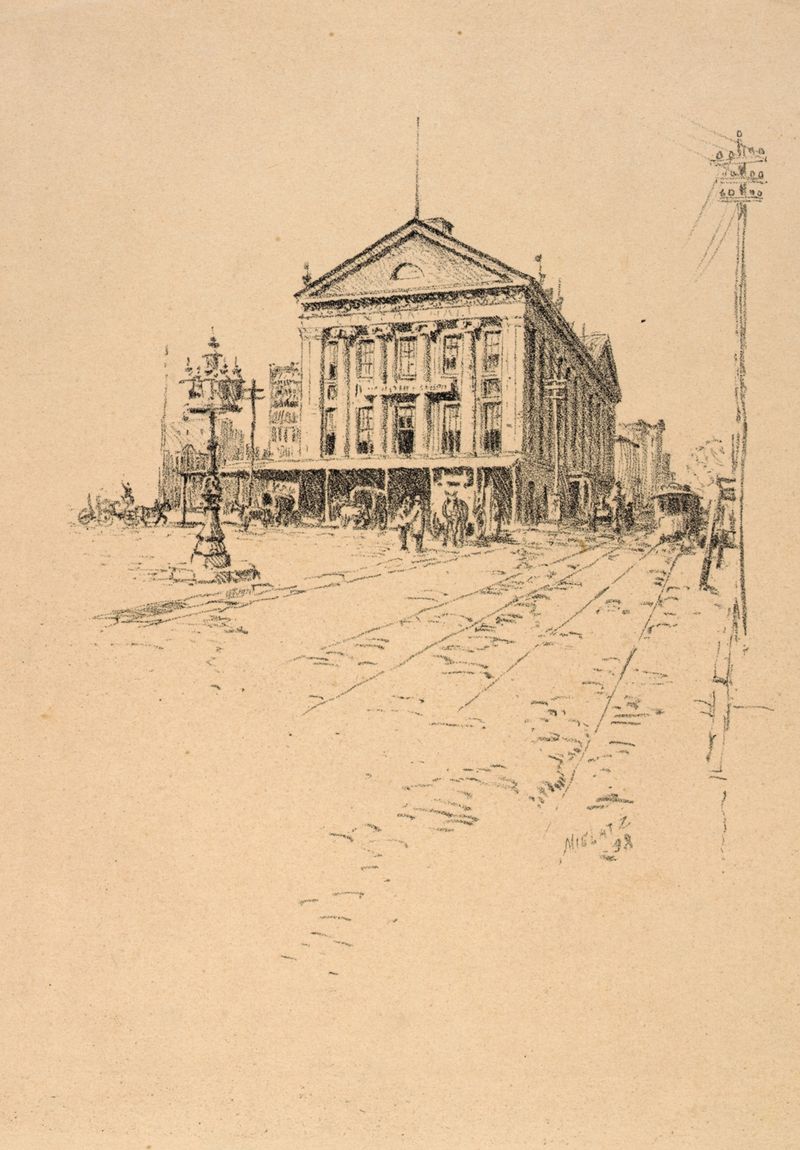
Clinton Hall
Charles Frederick William Mielatz
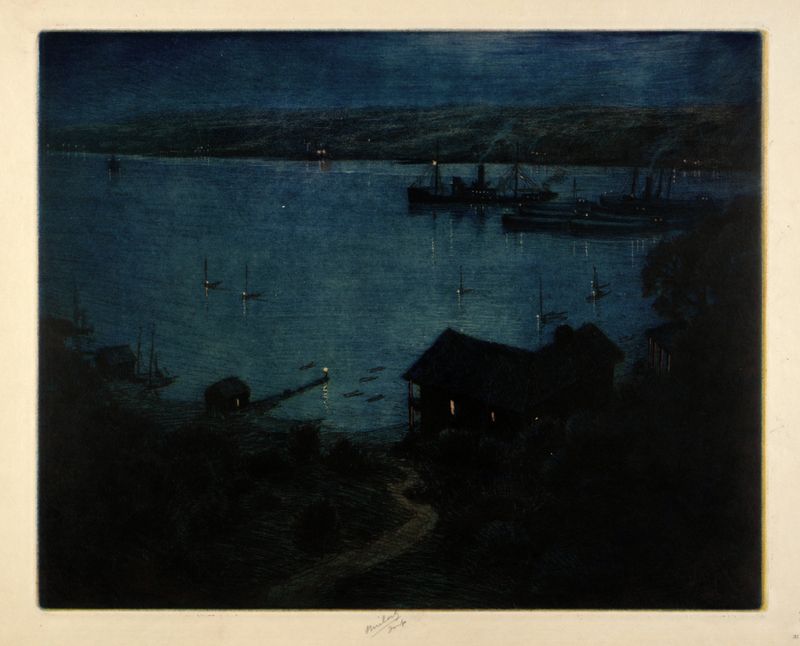
Moonlight–Hudson River
Charles Frederick William Mielatz
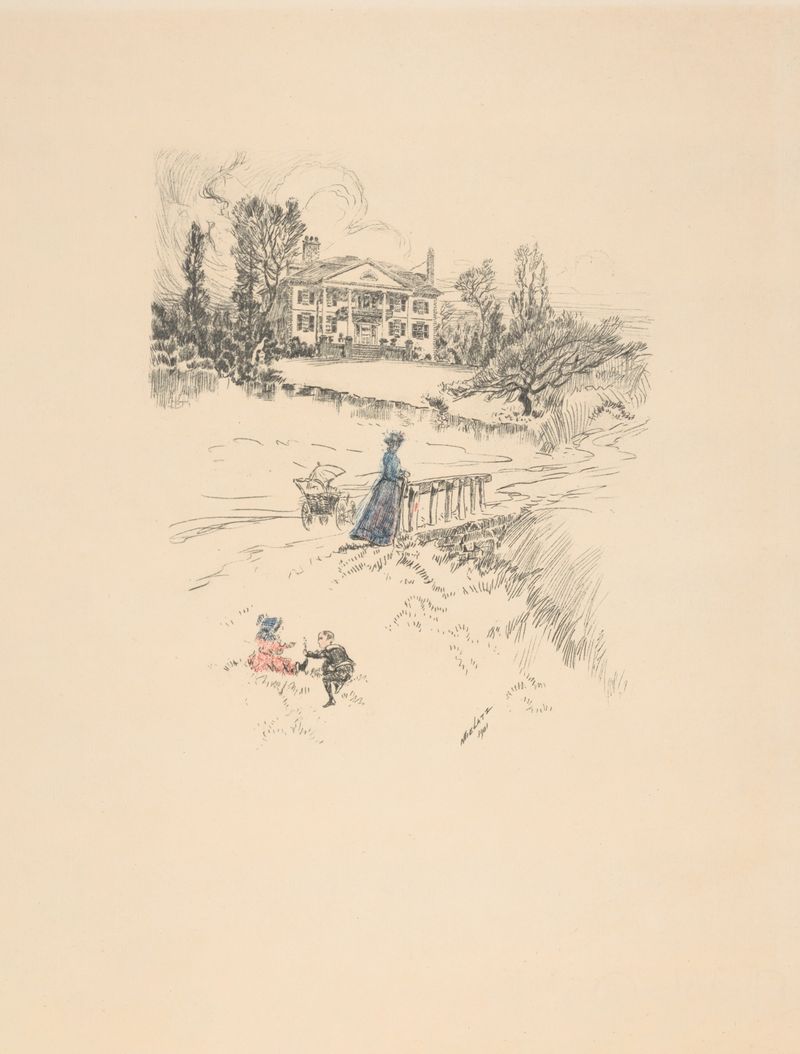
Jumel mansion
Charles Frederick William Mielatz
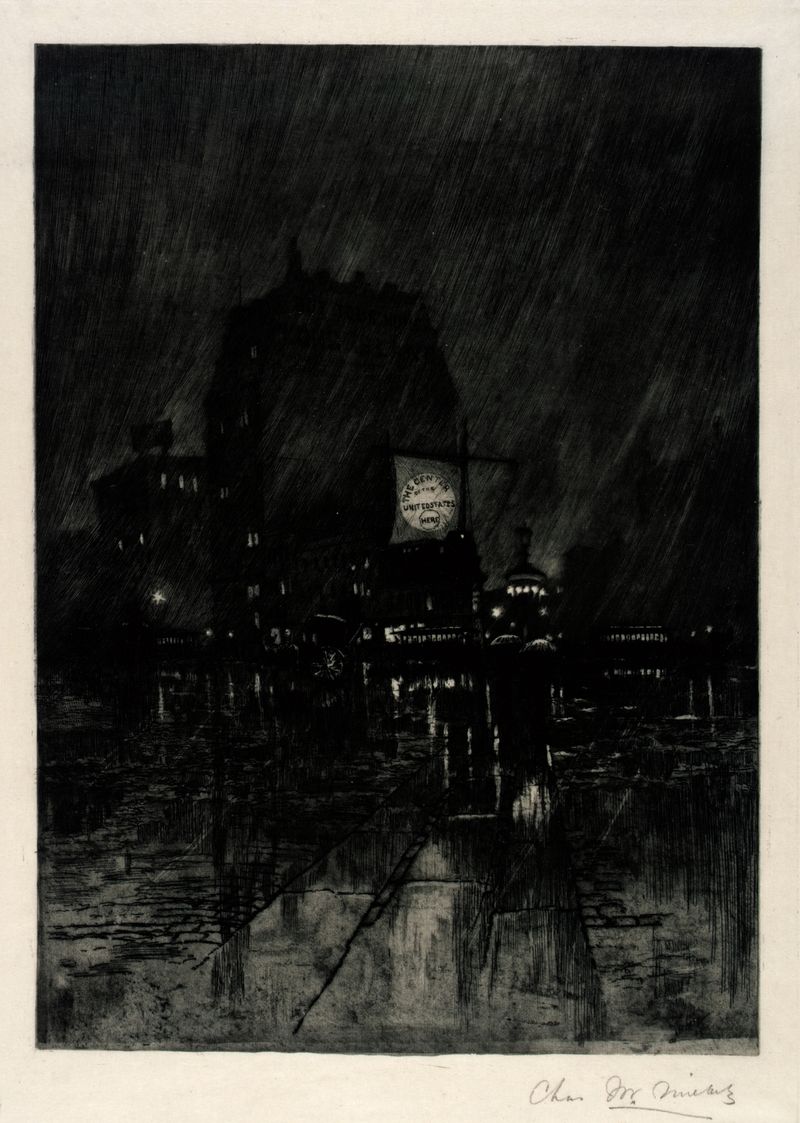
Rainy Night, Madison Square
Charles Frederick William Mielatz
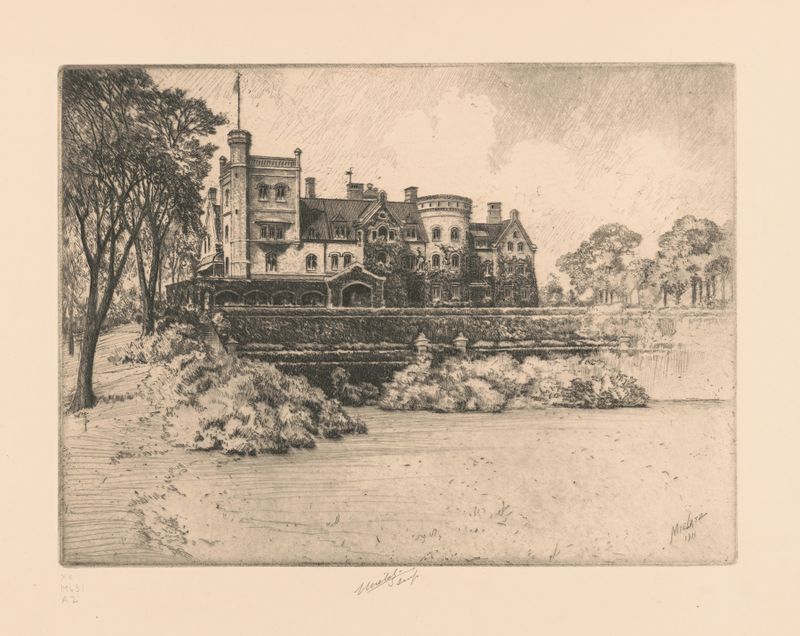
View of Rockwood, Tarrytown on the Hudson, residence of William Rockefeller, no. 3
Charles Frederick William Mielatz

View of Rockwood, Tarrytown on the Hudson, residence of William Rockefeller, no. 5
Charles Frederick William Mielatz
More Architecture Art
Browse all →
The statue of Liberty
Frédéric Auguste Bartholdi

View of Houses in Delft, Known as ‘The Little Street’
Johannes Vermeer

View of Houses in Delft, Known as ‘The Little Street’
Johannes Vermeer

The Cathedral in Rouen. The portal, Grey Weather
Claude Monet

The yellow house
Vincent van Gogh

The Church in Auvers-sur-Oise, View from the Chevet
Vincent van Gogh