
Van Tromp, Going About to Please His Masters — History & Facts
What secret hides in the quiet of the canvas? Beneath the surface calm of the sea, the tension of power and control simmers, unseen yet palpable. Look to the bottom right of the painting, where the ship Van Tromp cuts through the water, its sails billowing in an unseen wind. The intricate brushwork captures the gentle lapping of waves against the hull, while the horizon blurs into a dreamlike haze of blues and grays. Notice how Turner's use of light creates a contrast between the sun-drenched foreground and the darker, turbulent skies above, suggesting an impending storm, both literal and metaphorical. This work speaks to the violent undercurrents of ambition and obligation.
The ship's position in the frame — proud, yet precariously balanced — exemplifies the fine line between success and failure in the pursuit of pleasing one's masters. The spectral clouds loom like specters of judgment, hinting at the threat of chaos lurking behind the facade of tranquility. Each stroke reveals not just the beauty of the maritime world but the hints of conflict simmering beneath it. During the mid-19th century, Turner created this piece amidst a revolution in artistic expression, striving to convey emotion through light and color rather than strict realism.
As he explored new techniques, the art world began to shift towards Impressionism, reflecting the tumult of a society grappling with rapid changes. In this context, Turner's canvas becomes a vessel for the turbulence of both nature and human ambition, capturing a moment that resonates with the complexities of existence.
More Artworks by Joseph Mallord William Turner
Browse all →
Dort or Dordrecht- The Dort Packet-Boat from Rotterdam Becalmed
Joseph Mallord William Turner
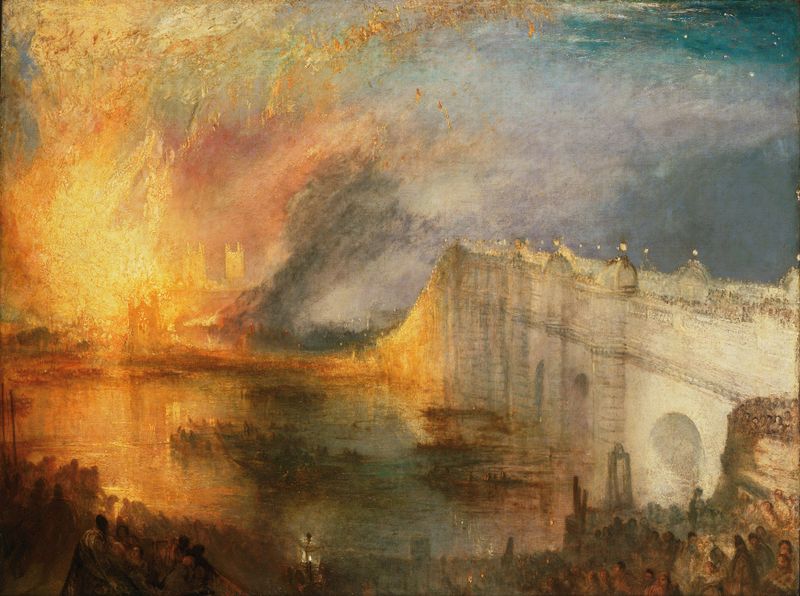
The Burning of the Houses of Lords and Commons, October 16, 1834
Joseph Mallord William Turner
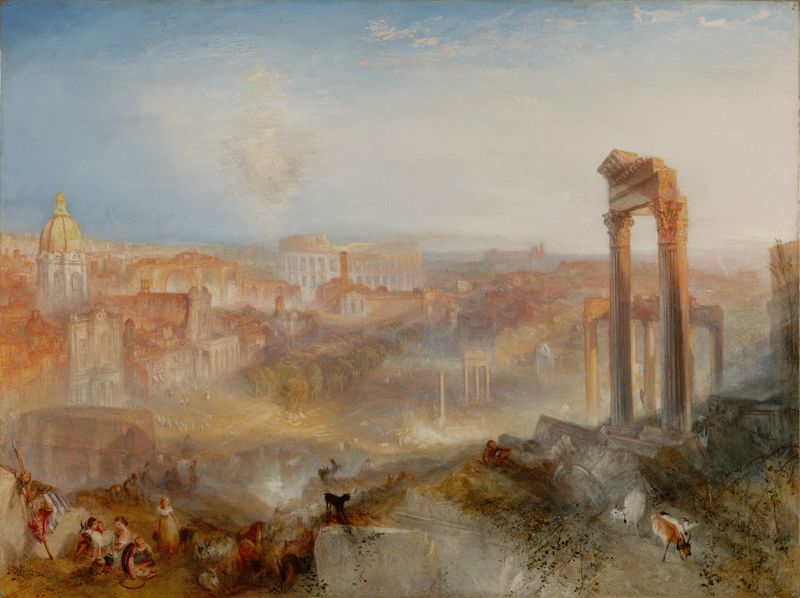
Modern Rome – Campo Vaccino
Joseph Mallord William Turner
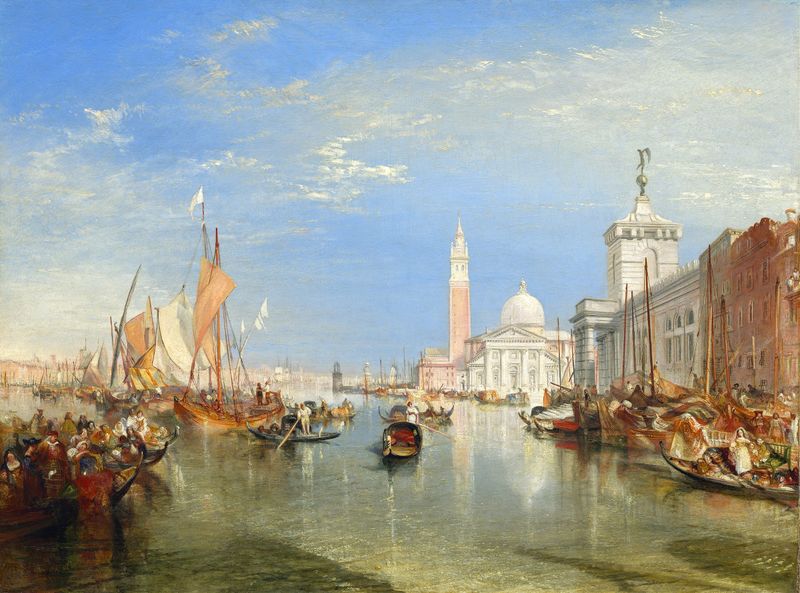
Venice – The Dogana and San Giorgio Maggiore
Joseph Mallord William Turner

The Burning of the Houses of Lords and Commons, 16 October 1834
Joseph Mallord William Turner
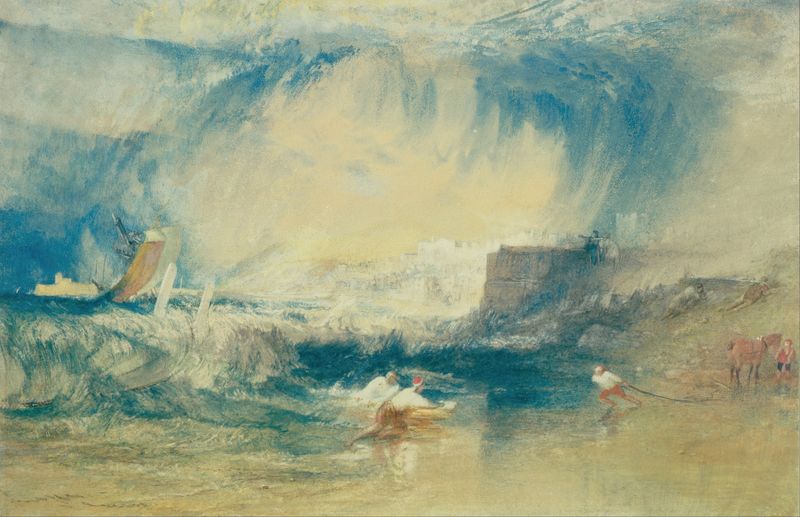
Lyme Regis, Dorsetshire, England
Joseph Mallord William Turner
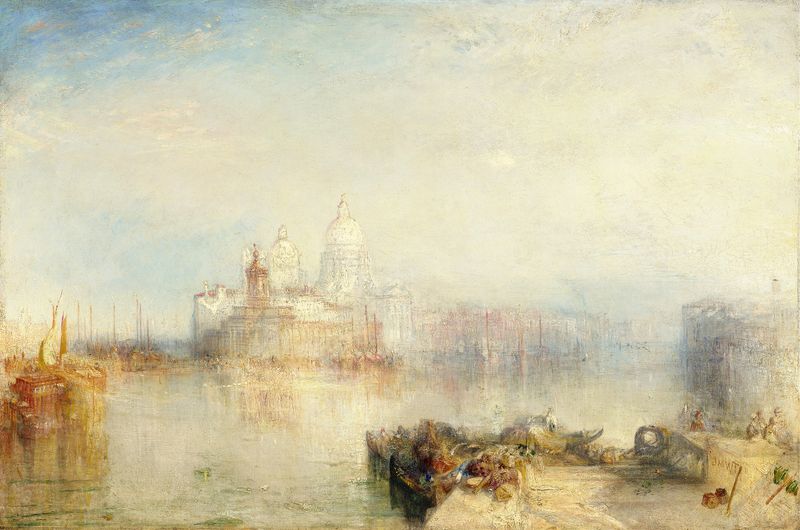
The Dogana and Santa Maria della Salute, Venice
Joseph Mallord William Turner
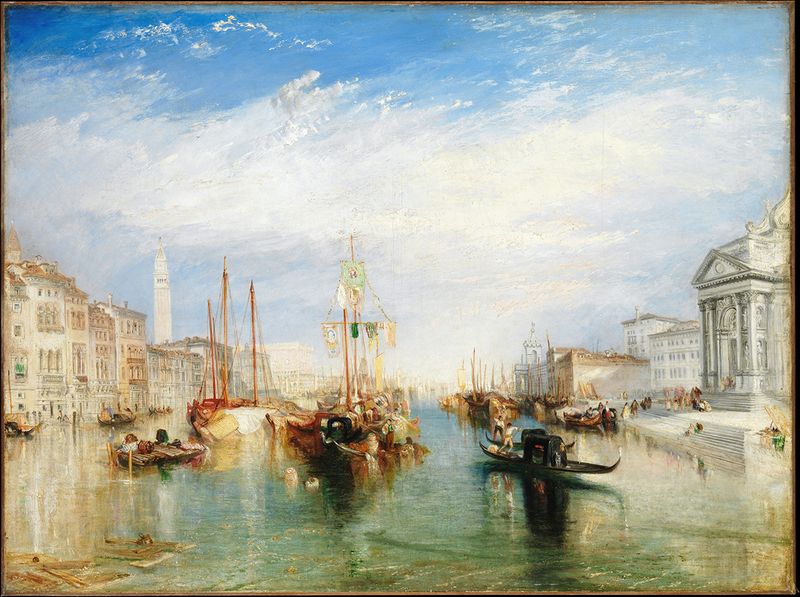
Venice, from the Porch of Madonna della Salute
Joseph Mallord William Turner
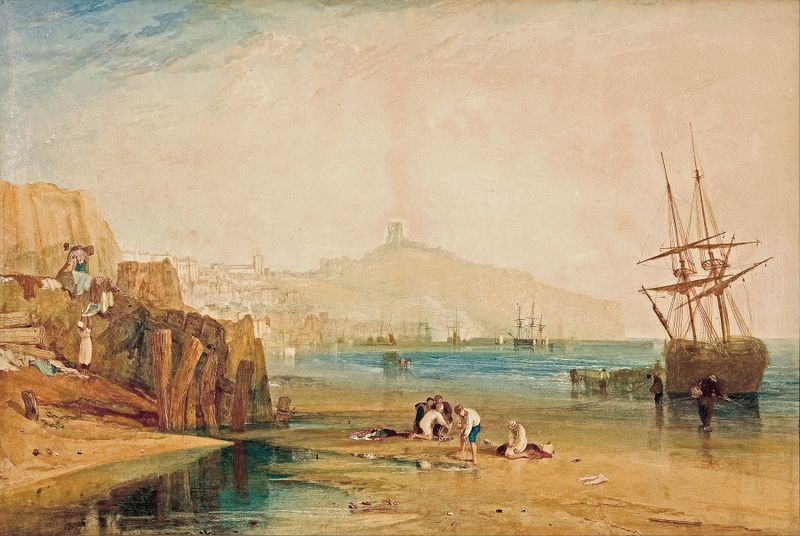
Scarborough town and castle; morning; boys catching crabs
Joseph Mallord William Turner
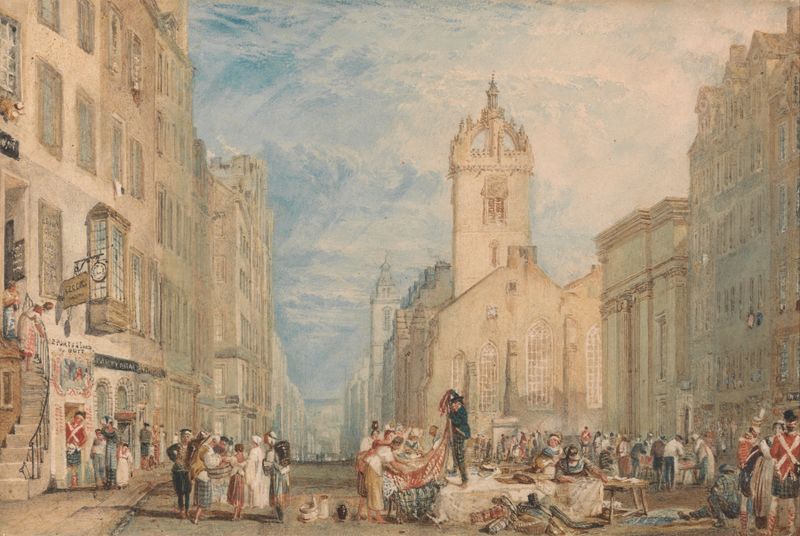
High Street, Edinburgh
Joseph Mallord William Turner




