Vandfald under muret hvælving — History & Facts
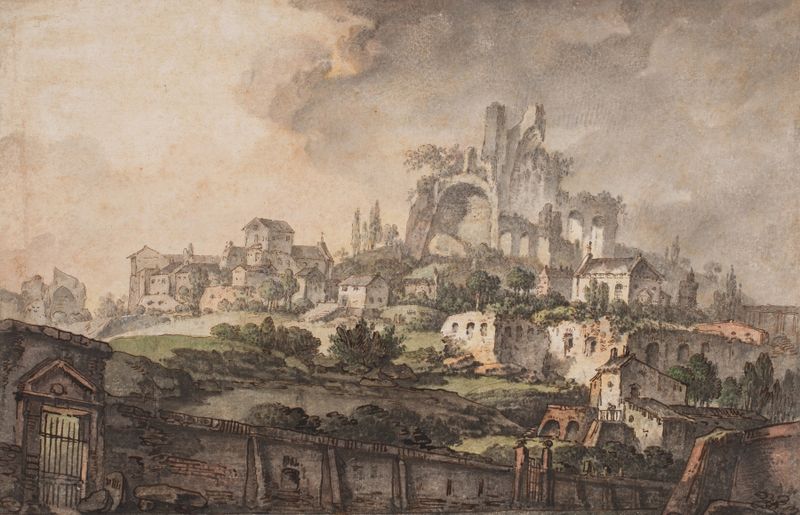
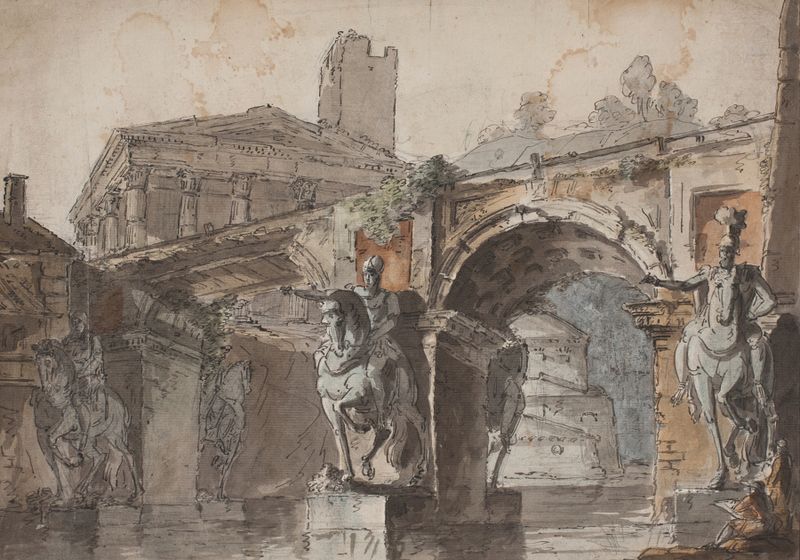
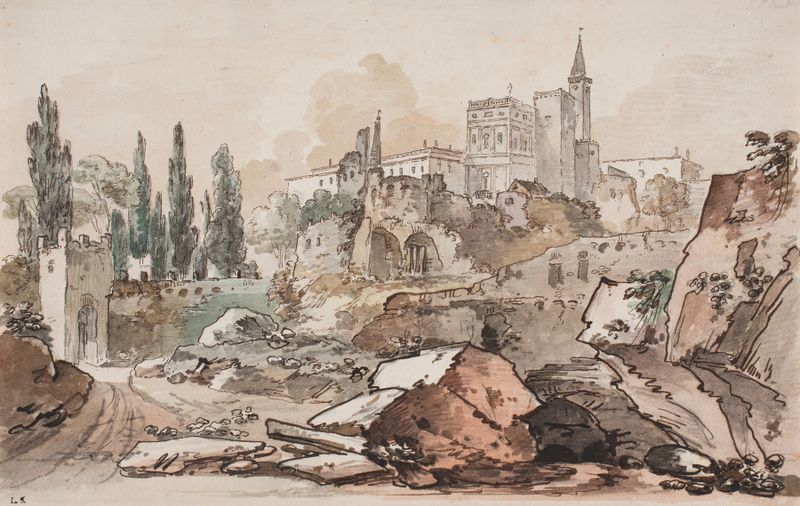
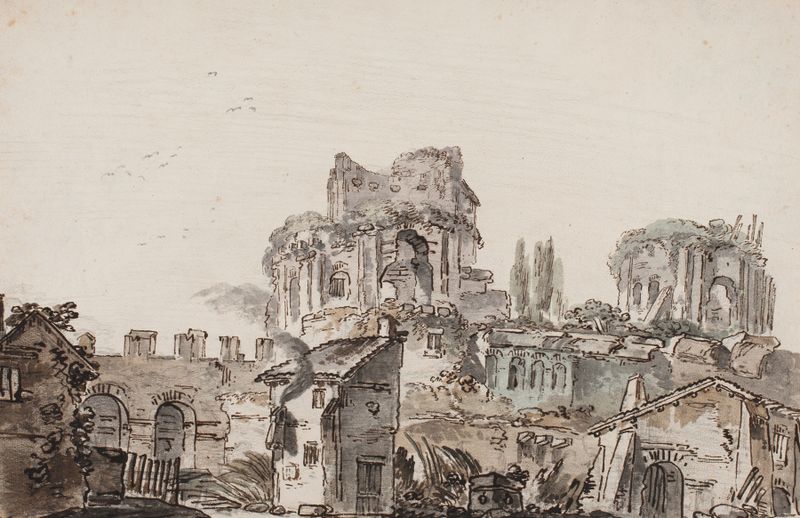
When did color learn to lie? This question lingers in the silence that envelops Vandfald under muret hvælving, evoking a sense of profound introspection. The stillness of the scene belies an underlying tension, suggesting a world where every hue whispers untold stories just beneath the surface. Look to the left, where the cascading water flows gracefully down the rocks, its crystalline clarity contrasting with the darker, muted tones of the stone archway. Notice how the artist captures the delicate play of light on the water’s surface, creating a shimmering effect that draws the viewer in.
The composition is masterfully balanced, with the arch framing the waterfall, guiding the eye through a harmonious blend of natural elements. The earth-toned palette evokes a timeless quality, grounding the scene in a moment that feels both serene and poignant. Within this tranquil setting lies a tension between the free, flowing water and the immovable structure above it. The arch, solid and rigid, represents human intervention — a reminder of fragility in nature.
Simultaneously, the glistening droplets reflect not just light, but the paradox of existence: beauty and permanence locked in an eternal embrace. This juxtaposition invites contemplation about the transient nature of life, where silence often speaks louder than chaos. Created between 1730 and 1793, Vandfald under muret hvælving reflects a period in which Jens Petersen Lund was establishing his distinct style within the Danish artistic scene. As he painted in Denmark, the art world was shifting, moving towards romanticism, yet Lund remained anchored in the delicate depiction of nature, blending realism with a deep sensitivity to emotion.