
Variation 1916 N. 4 — History & Facts
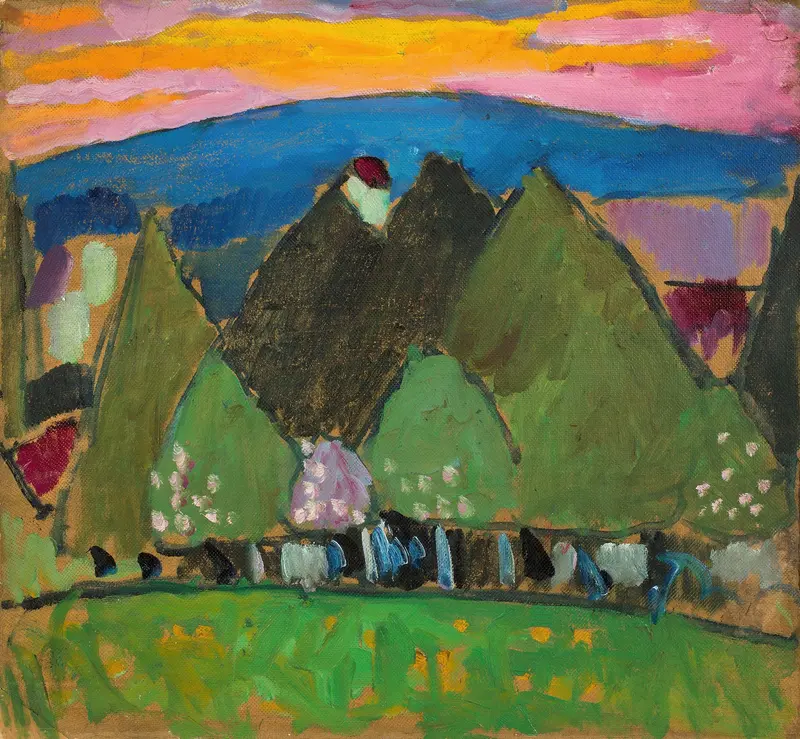
The first thing that seizes the eye in Variation 1916 N. 4 is its jubilant collision of color—patches of yellow, teal, orange, and plum that seem to pulse and tumble across the surface. Nothing here is literal, yet the forms feel alive, as if caught mid-dance.
The brushwork is energetic and direct, each stroke visible and purposeful, suggesting movement and rhythm rather than stillness. The larger shapes press and overlap, their boundaries blurred and sometimes bleeding into one another, while smaller dots and dashes animate the corners, like musical notes in a restless composition. The palette is bold but never harsh, the colors chosen as much for their emotional resonance as their visual harmony. This painting belongs to a world in upheaval—1916, the heart of the First World War, and the era when artists like Alexej von Jawlensky were searching for new ways to express the inner life.
Jawlensky, associated with the Expressionist movement, often turned to abstraction as a way to distill feeling into pure color and form. Such works were rarely made for grand patrons or public display; instead, they were private investigations, sometimes painted in series, each variation a meditation on mood and sensation. Today, Variation 1916 N.
4 is documented in the collection of lempertz.com, a quiet survivor from a time when painting sought not to mirror the world, but to transform it. Let your gaze linger and see how the colors begin to hum against one another, inviting you into their coded language.
More Artworks by Alexej von Jawlensky

Murnau
Alexej von Jawlensky
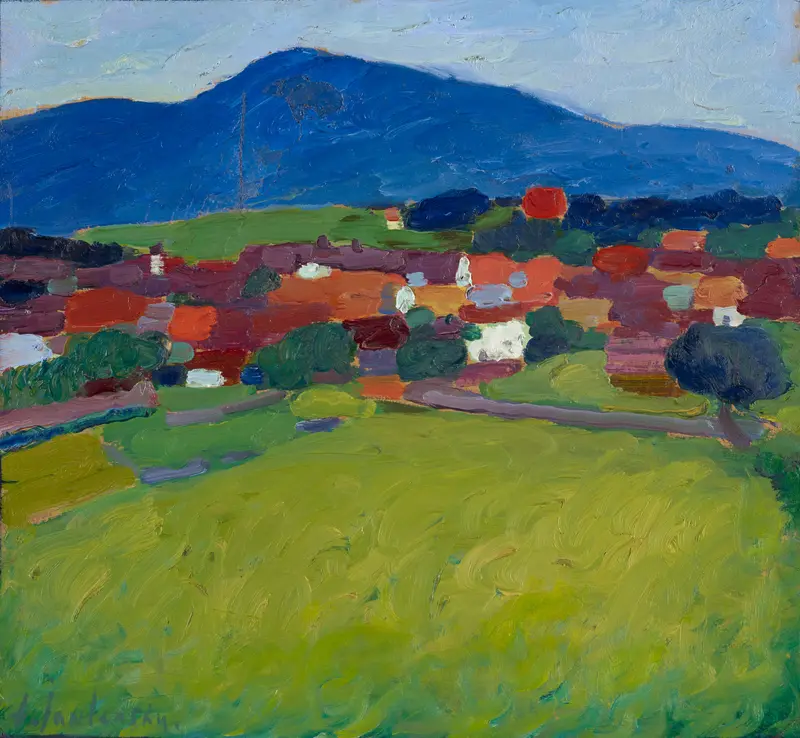
The Village Of Murnau
Alexej von Jawlensky
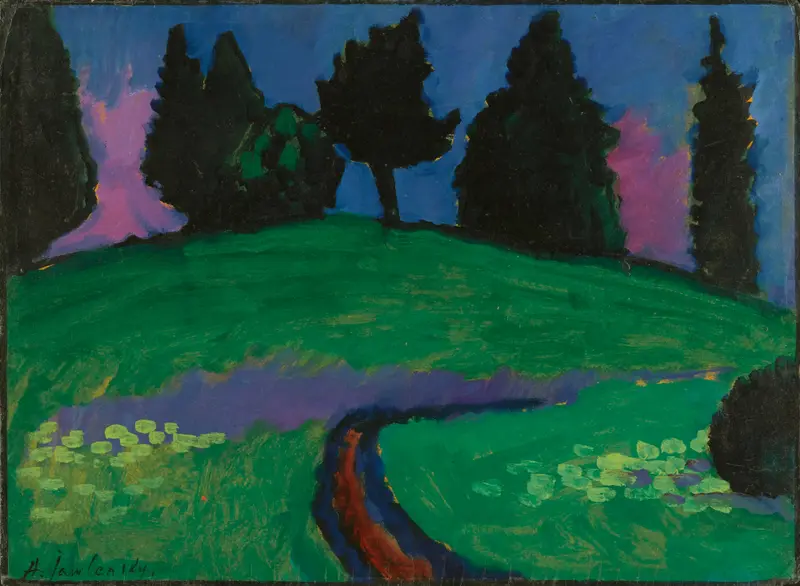
Dunkle Bäume über Grünem Hang (Dark Trees Over Green Slope)
Alexej von Jawlensky
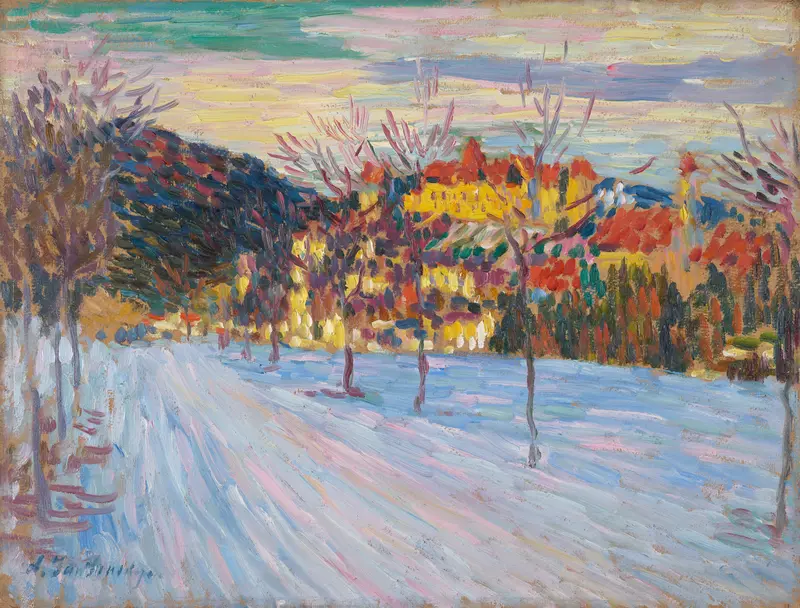
Füssen
Alexej von Jawlensky
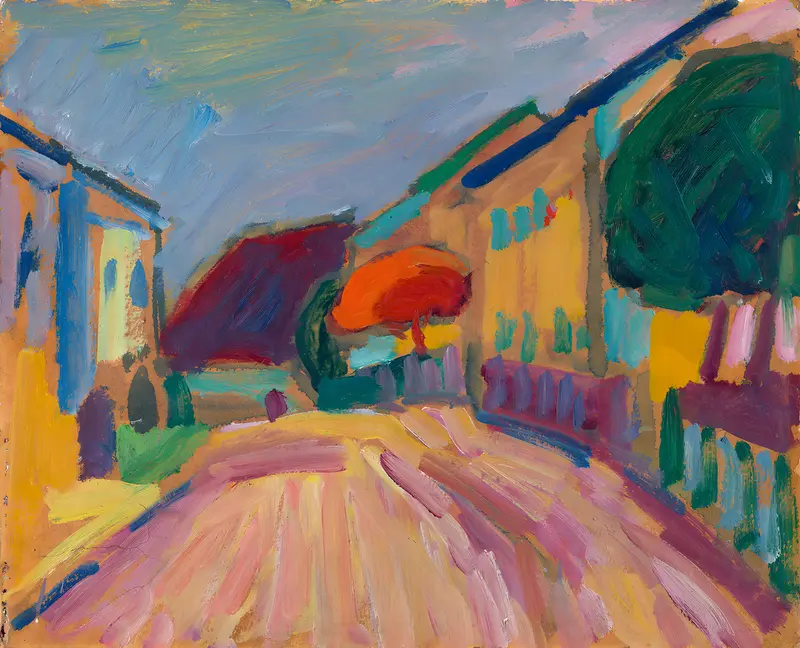
Sketch from Murnau
Alexej von Jawlensky
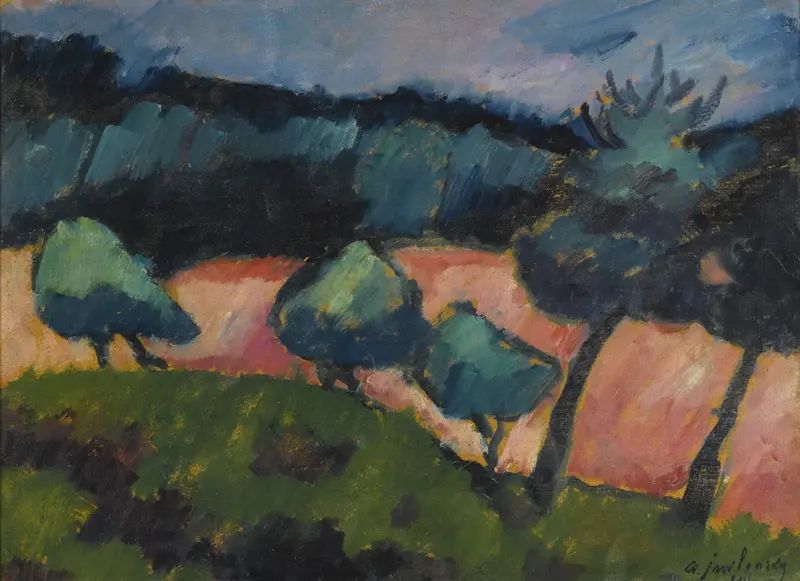
Bäume und Dünen in Prerow (Trees and dunes in Prerow)
Alexej von Jawlensky
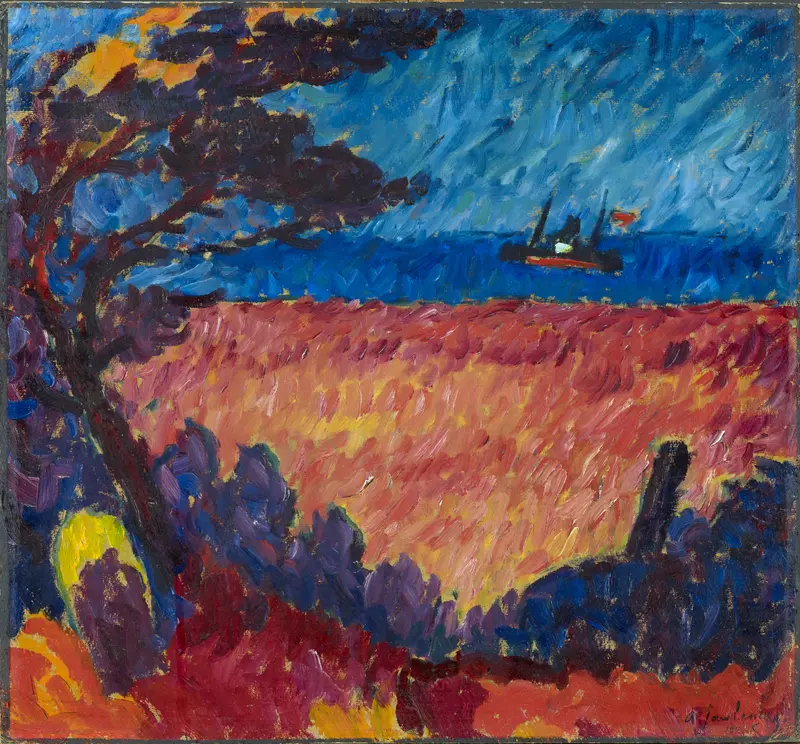
At The Baltic Sea
Alexej von Jawlensky
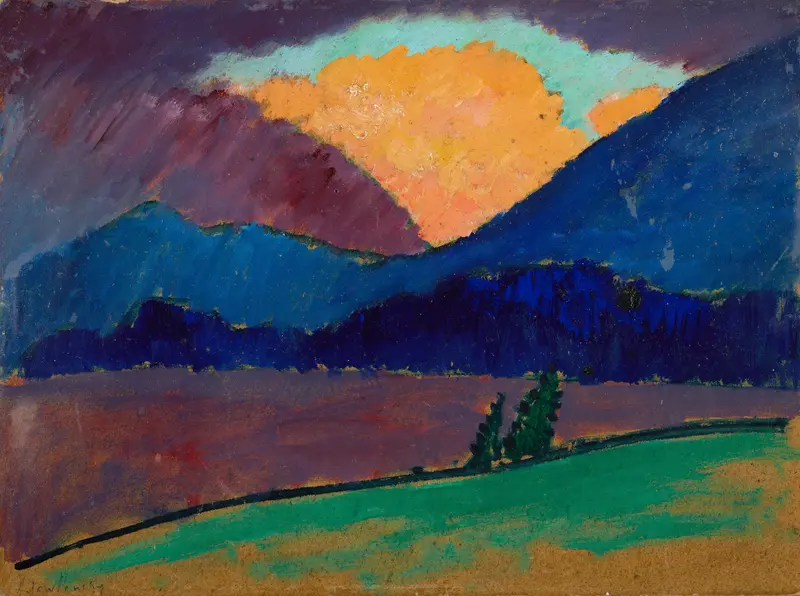
Summer evening in Murnau
Alexej von Jawlensky
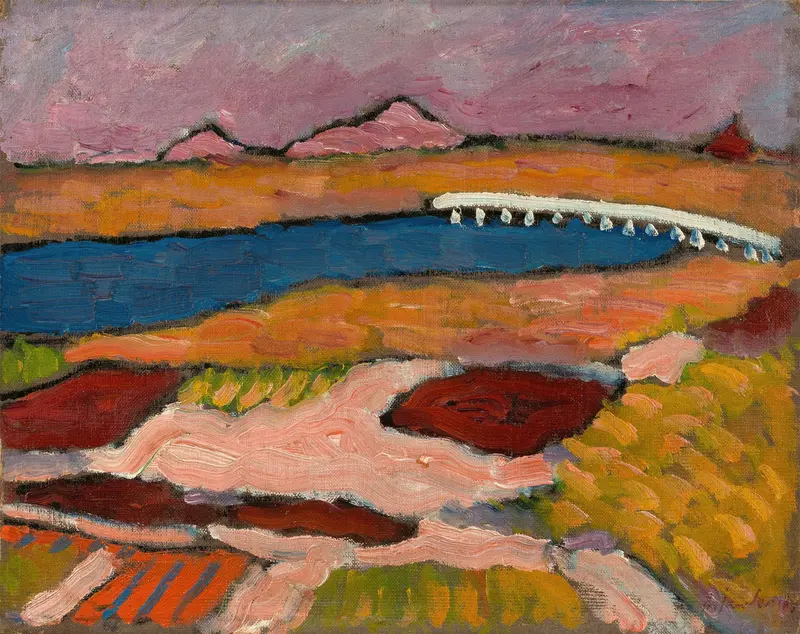
Prerow (Darß), Pommern
Alexej von Jawlensky
Landschaft mit Bäumen
Alexej von Jawlensky





