Vegetable-Analytic — History & Facts
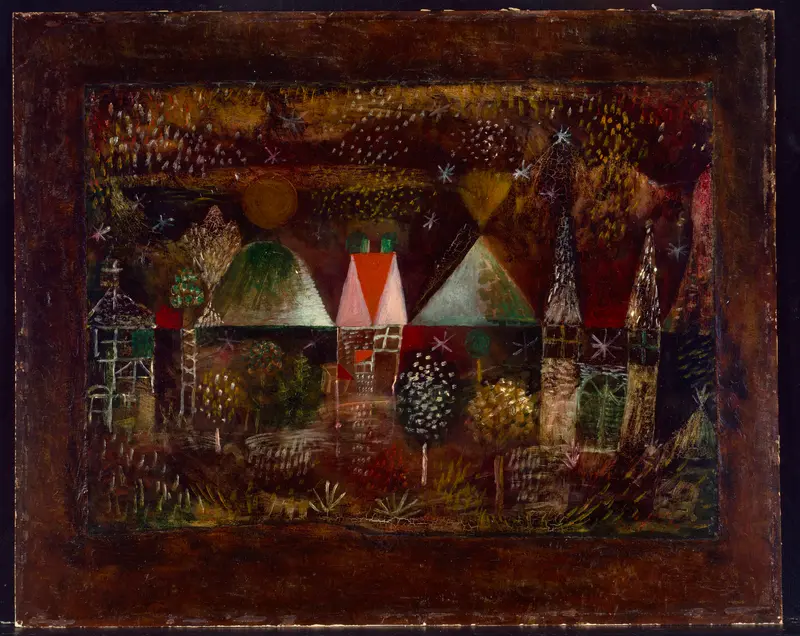
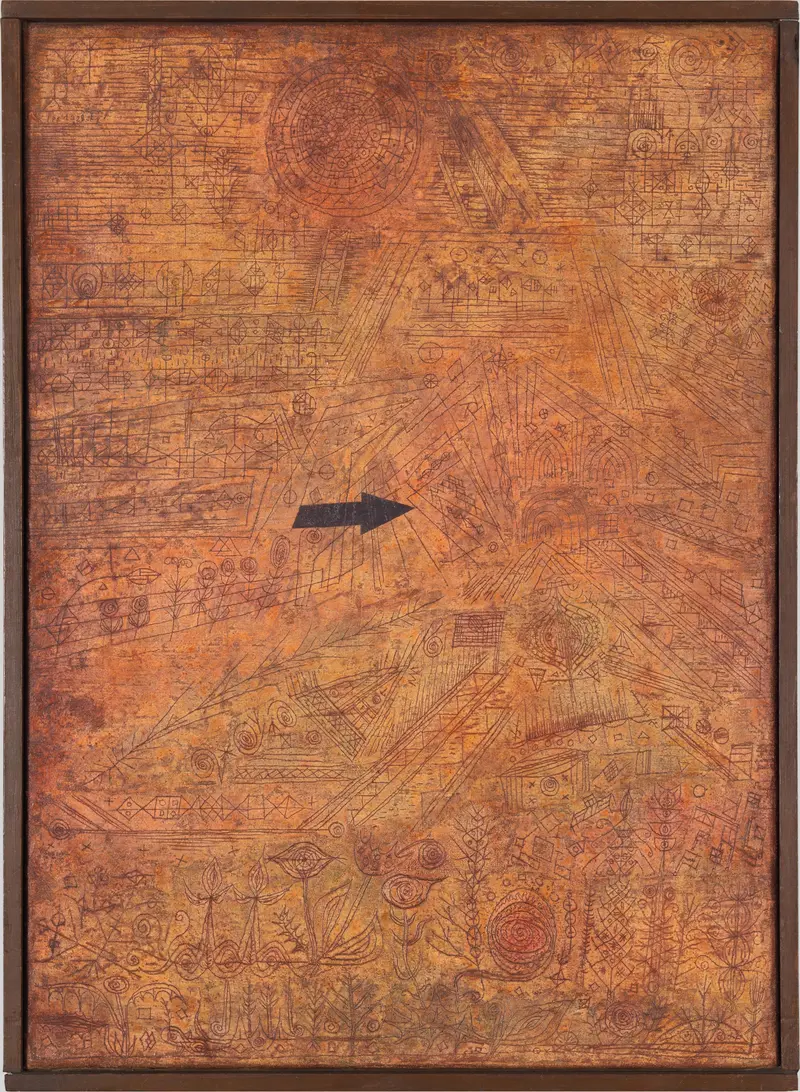
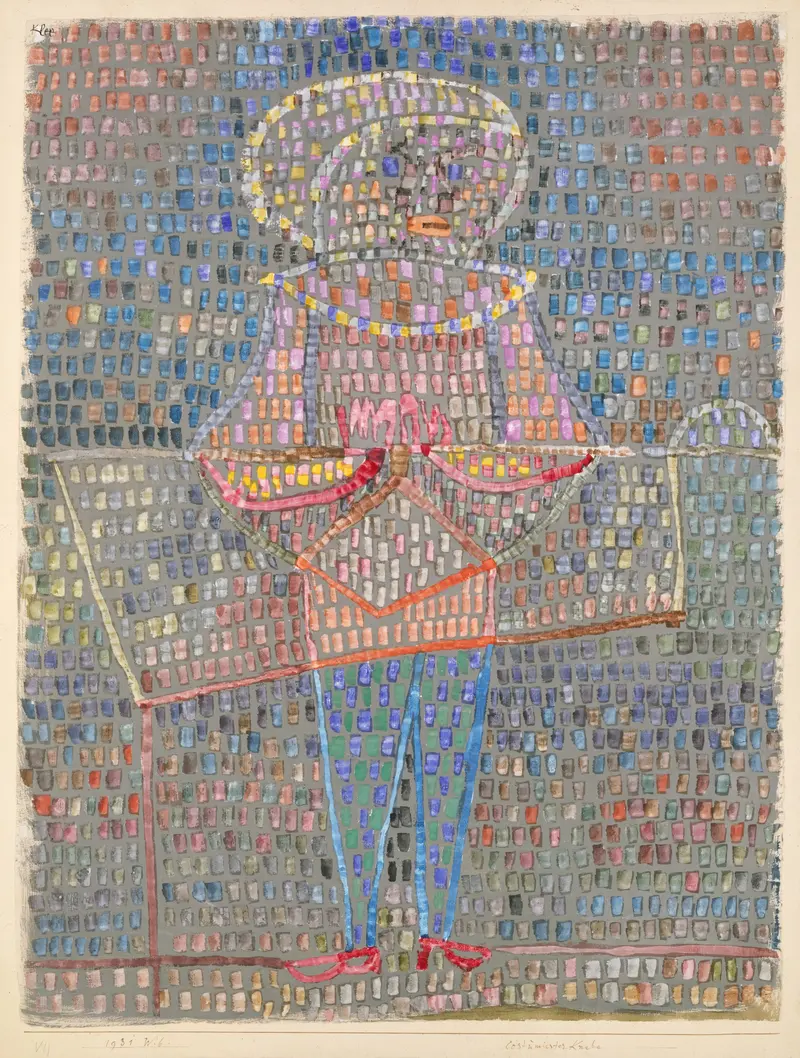
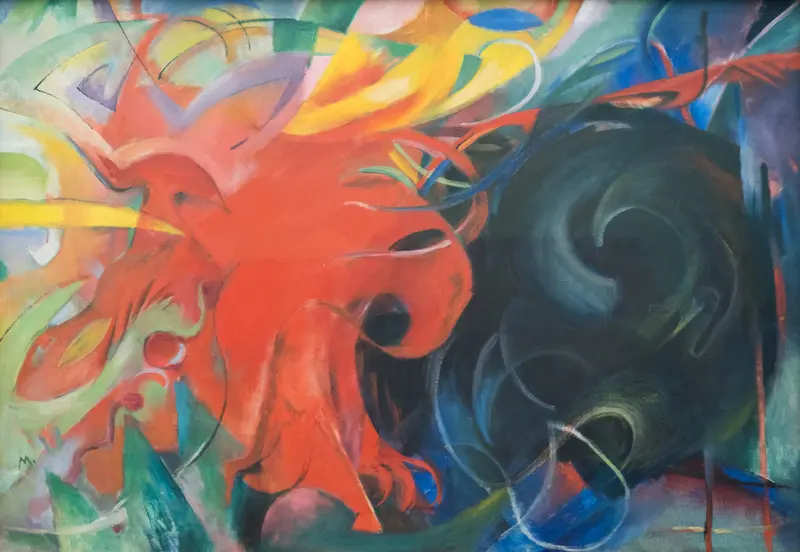
In Vegetable-Analytic, Paul Klee uses a vibrant palette of greens, yellows, and browns to depict abstract forms reminiscent of vegetables. The composition features organic shapes that seem to dance across the canvas, creating a lively rhythm. The background is a blend of soft hues, enhancing the overall sense of movement.
This work invites viewers to explore the relationship between nature and abstraction. The painting is characterized by Klee's unique style, which combines geometric shapes with fluid lines. The use of color is particularly striking, with bold contrasts that draw the eye. Klee often employed oil on canvas for his works, allowing for rich textures and depth.
The dimensions of Vegetable-Analytic are approximately 60 x 80 cm, making it a medium-sized piece. Created during the 1920s, Vegetable-Analytic reflects Klee's interest in the interplay between nature and abstraction. Klee was a key figure in the development of modern art, known for his playful approach to color and form. An interesting fact about this work is that it exemplifies Klee's belief that art should express the inner essence of objects rather than their outward appearance.
This painting is part of the collection at Kunsthaus Zürich.