
Vegetable Garden — History & Facts
In a sun-drenched field, workers bend low, their hands digging into the soil, while the scent of earth and labor fills the air. A gentle breeze stirs the leaves, whispering secrets of toil and desperation. The harmony is fragile, hinting at an underlying tension beneath the vibrant greens and earthy browns. Look to the center where the vivid patchwork of vegetables unfolds like a tapestry of life.
Notice how the light dances across the leaves, illuminating the rich reds, yellows, and greens, drawing your gaze to the heart of the garden. The careful brushstrokes create a sense of movement, as if the plants are reaching for the sun, while the figures appear almost ghostly in their labor, abstracted and merging with the land. The work encapsulates a delicate balance between the serenity of nature and the strain of human effort. The juxtaposition of the vibrant garden and the subdued presence of the workers hints at deep feelings of betrayal—perhaps a loss of connection to the land they cultivate.
Each plant, full of life, serves as a reminder of what is at stake, raising questions about the value of labor and the disconnect from its rewards. Painted in 1878 during a time of social upheaval in France, this piece reflects the artist's evolving relationship with Impressionism and his interest in the everyday lives of workers. Pissarro was grappling with his ideals of social justice amidst growing urbanization and industrialization, seeking to illuminate the dignity of manual labor while also critiquing the societal shifts that obscured it.
More Artworks by Camille Pissarro
Browse all →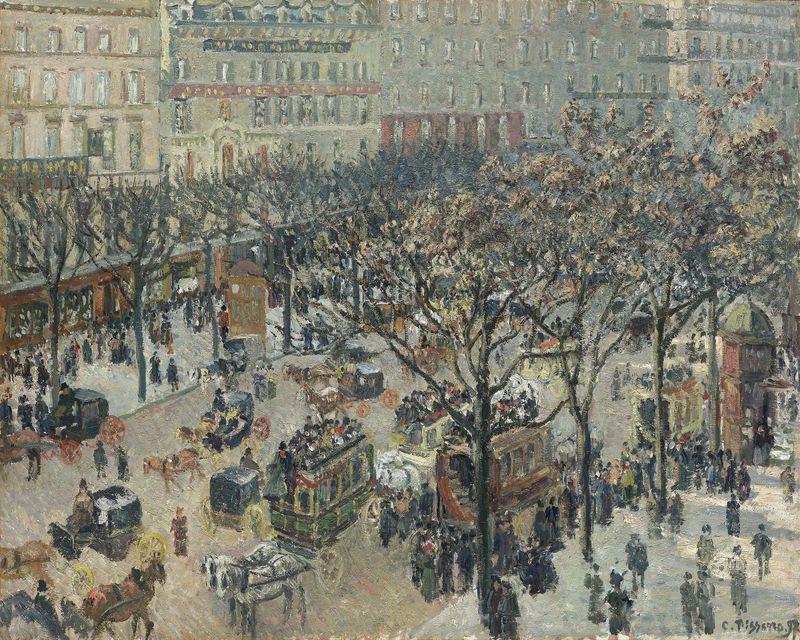
Boulevard des Italiens,Morning_Sunlight
Camille Pissarro
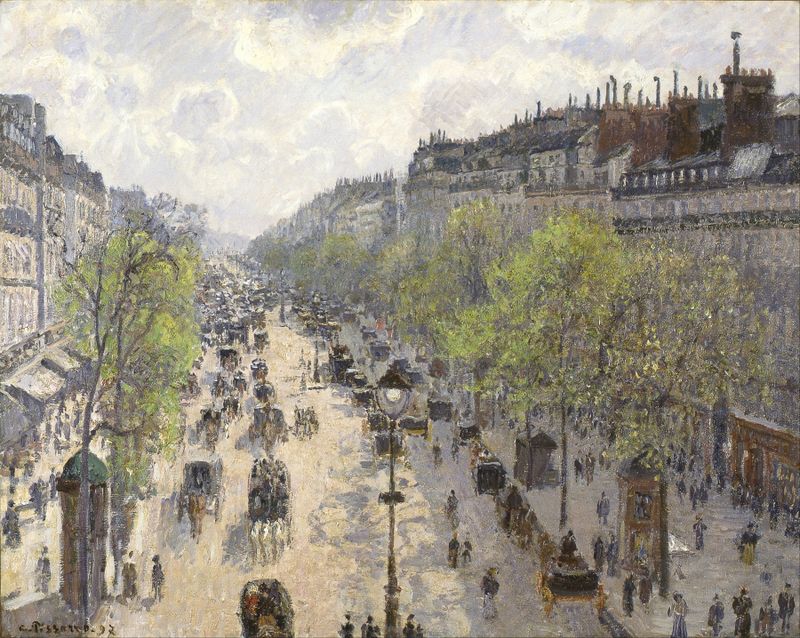
Boulevard Montmartre, Spring
Camille Pissarro
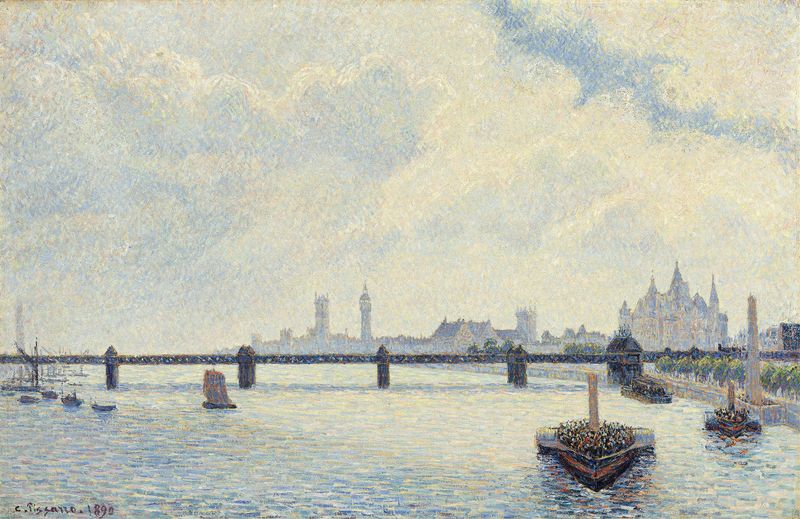
Charing Cross Bridge,London
Camille Pissarro
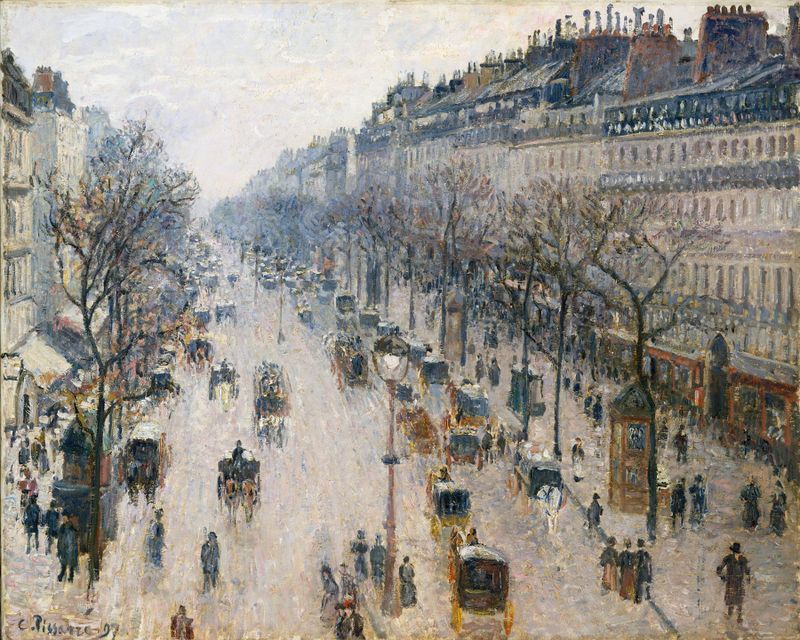
The Boulevard Montmartre on a Winter Morning
Camille Pissarro
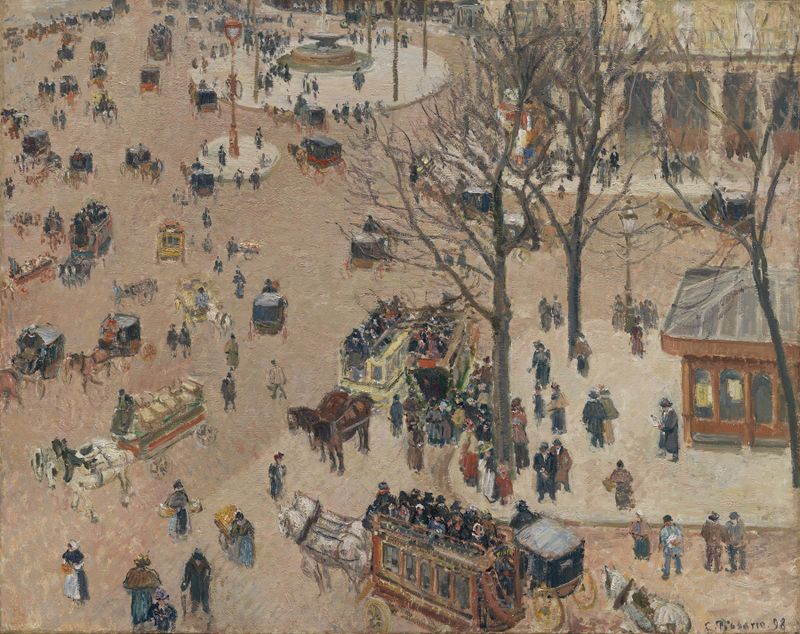
La Place du Théâtre Français
Camille Pissarro

Rue Saint-Lazare, Paris
Camille Pissarro
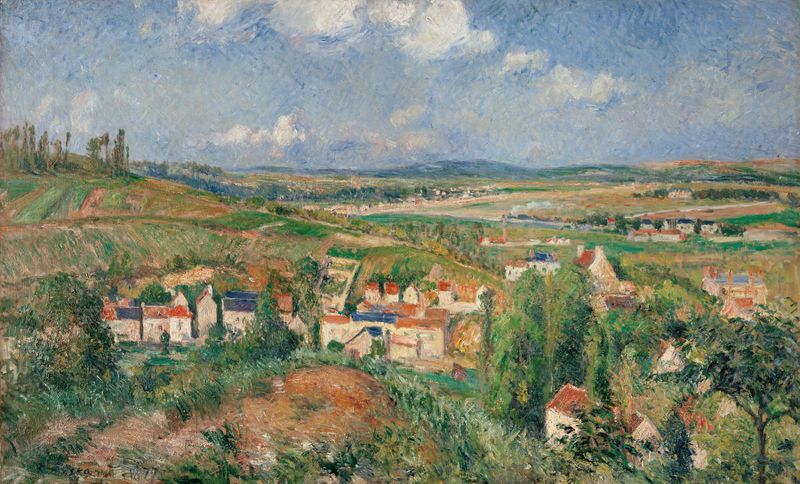
L’hermitage En Été, Pontoise
Camille Pissarro

Place du Theatre Francais,Fog Effect
Camille Pissarro
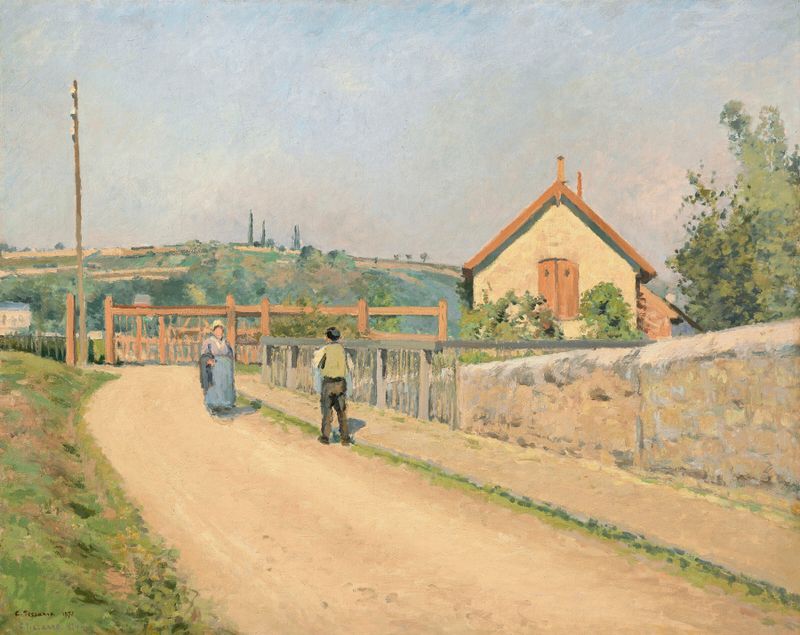
La barrière du chemin de fer, aux Pâtis près Pontoise
Camille Pissarro
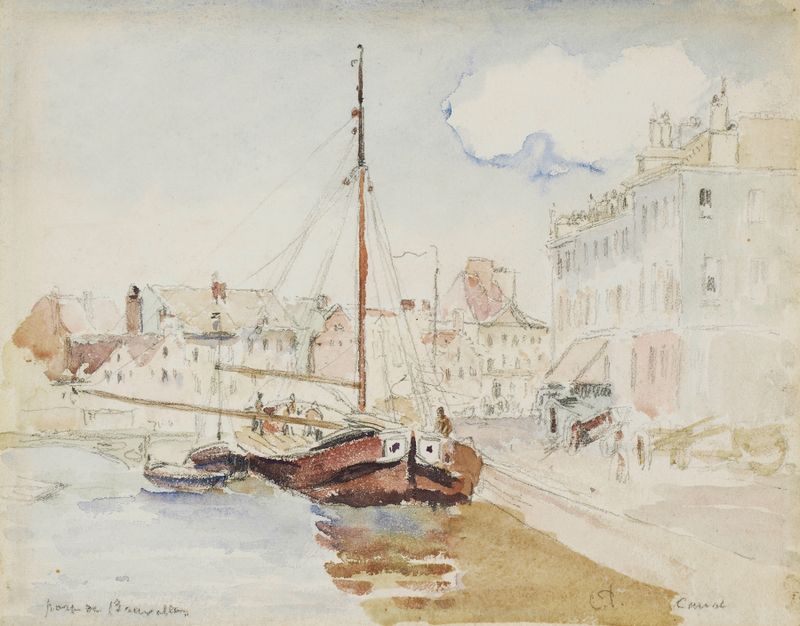
Port de Bruxelles
Camille Pissarro





