
Venetian Scene — History & Facts
Did the painter know this moment would outlive them? A fleeting glimpse of beauty, captured forever, whispers of transcendence in each brushstroke. Look to the foreground, where gentle waves lap against the shimmering gondola, its dark silhouette contrasting against the warm, golden light of the setting sun. The artist employs a rich palette of blues and oranges, blending them seamlessly to evoke a serene yet vibrant atmosphere. Notice how the reflections in the water create an interplay of colors, inviting your gaze to dance across the surface while drawing you into the tranquil embrace of Venice. Beneath the idyllic surface lies a tension between the ephemeral and the eternal.
The figures aboard the gondola, shrouded in mystery, hint at stories untold, their presence both anchoring and ethereal. The surrounding architecture stands resolute, yet the soft light suggests a world in transition—a moment bound by time and yet transcending it. This duality speaks to the beauty of life, where fleeting moments can resonate long after they have passed. In 1894, the artist found himself amidst a burgeoning movement that sought to intertwine realism with the ephemeral qualities of impressionism.
Living in New York yet drawing inspiration from his travels, Moran aimed to capture the essence of places that inspired awe. While painting this piece, he was navigating his own growth as an artist, as well as the evolving landscape of American art, which was beginning to embrace the Romantic ideals that defined his work.
More Artworks by Thomas Moran
Browse all →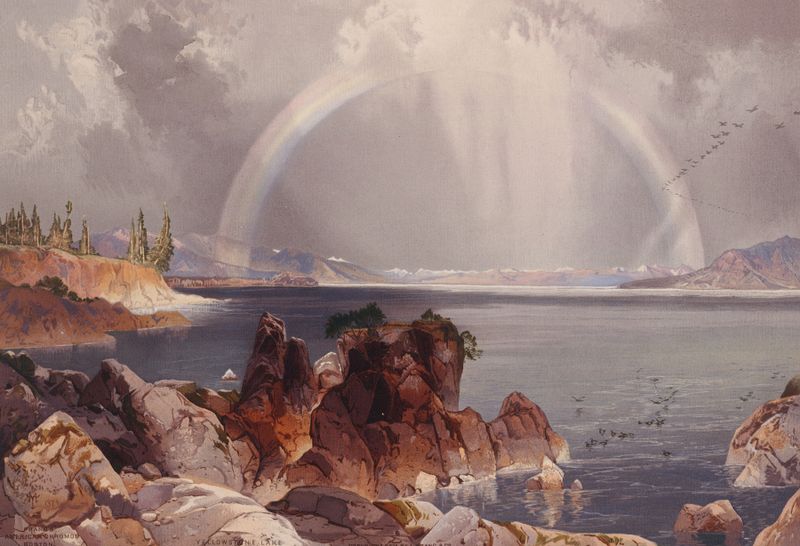
Yellowstone Lake
Thomas Moran

Grand Canyon of the Colorado River
Thomas Moran

Grand Canyon, Colorado River
Thomas Moran

The Towers of Tower Falls, Yellowstone
Thomas Moran
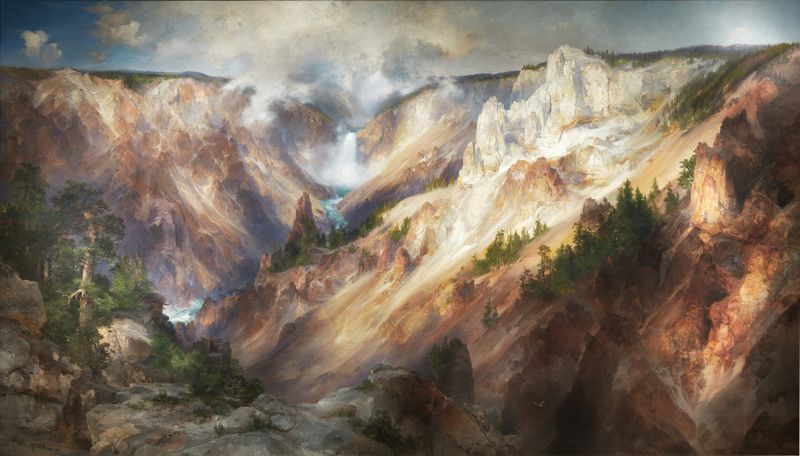
The Grand Canyon Of The Yellowstone
Thomas Moran

Mountain of the Holy Cross
Thomas Moran

Cliffs Of The Upper Colorado River, Wyoming Territory
Thomas Moran
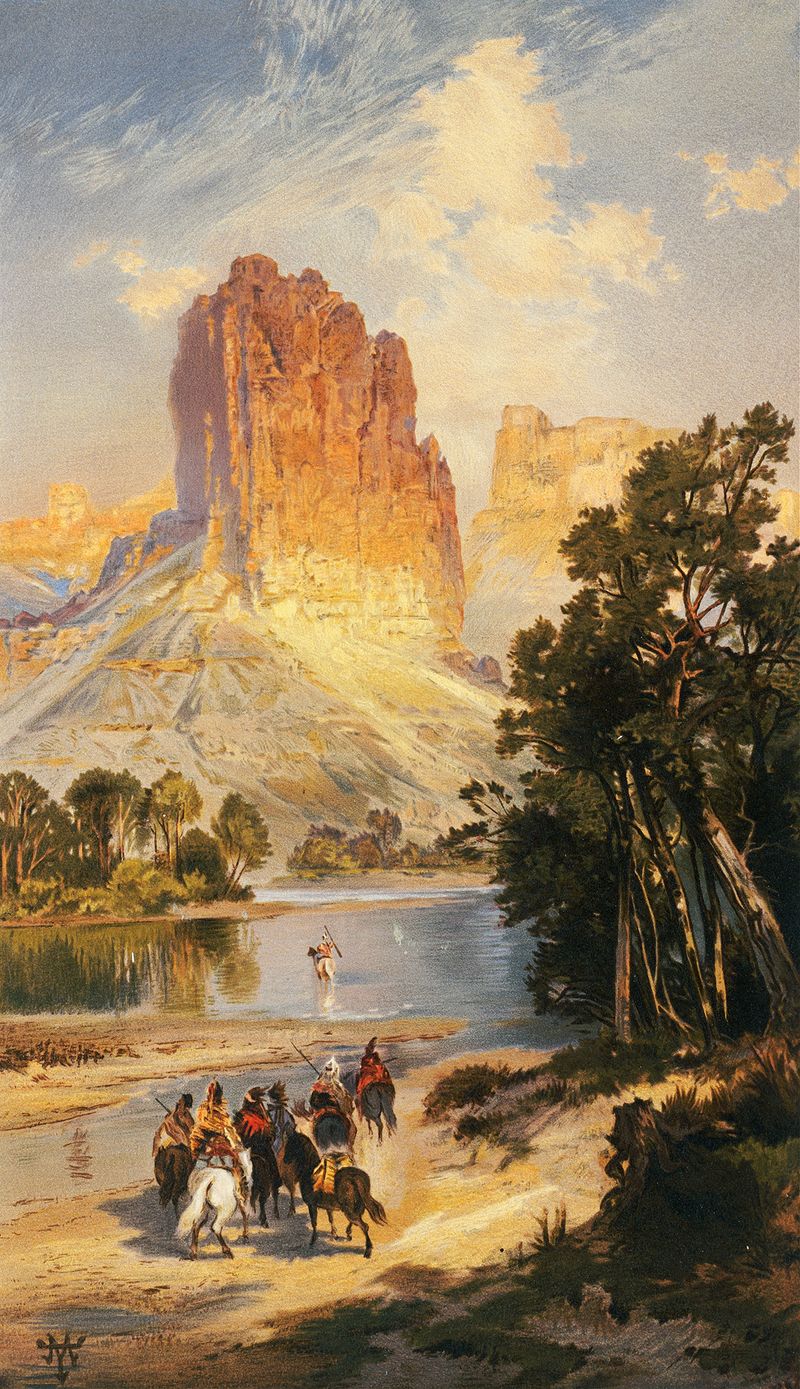
Cliffs of the Upper Colorado River, Wyoming Territory
Thomas Moran

Mammoth Hot Springs, Yellowstone
Thomas Moran
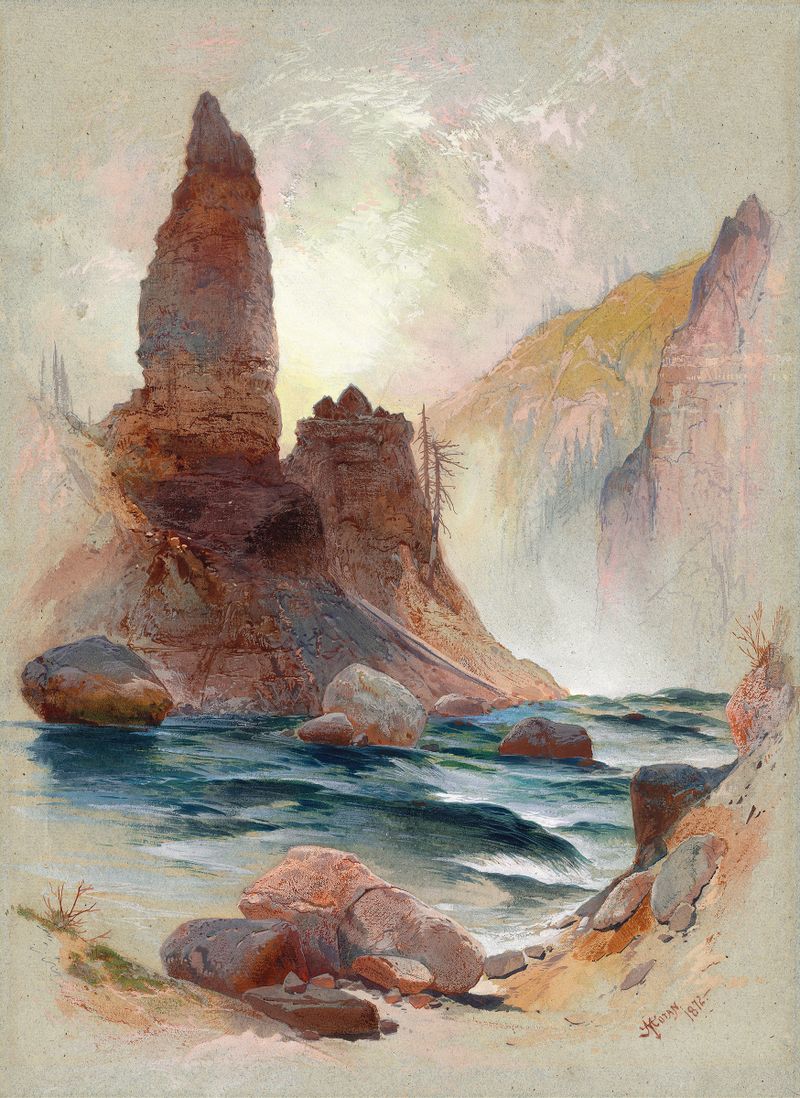
Tower at Tower Falls, Yellowstone
Thomas Moran





