
Venetian Soldiers Attacking Constantinople (recto) — History & Facts
The first thing that grips the viewer in Venetian Soldiers Attacking Constantinople (recto) is the sense of chaos and momentum, as if the whole surface of the painting is swept up in a single, unstoppable surge. The figures, rendered in swift, almost skeletal strokes, seem to tumble forward with the force of a wave, their limbs tangled and their faces lost in shadow. The great red banners slice diagonally across the scene, signaling both the violence of conquest and the authority of the attackers.
Light flashes on bodies and weapons, drawing the eye upward to a distant cross and the suggestion of a great arched doorway, hinting at both the sacred and the profane in this moment of assault. The palette is dominated by earthy reds and ochres, which lend the scene a feverish intensity, while the crowded composition refuses the viewer any place to rest. Created between 1598 and 1605, this work belongs to a moment when Venetian artists were fascinated by the drama of history and the spectacle of battle. Large-scale scenes like this were often commissioned by civic authorities or wealthy patrons eager to celebrate Venice’s military past and its mythic status as a bulwark of Christendom.
While the details of this particular painting’s commission and journey remain obscure, its presence today in the National Gallery of Art—made possible by open access initiatives—invites us to imagine the world that produced it: a city of merchants and mercenaries, of artists competing to capture the energy of their age. Look again at the tumult in the foreground and the distant, almost ghostly crowds above; in this swirl of bodies and banners, the ambitions and anxieties of late sixteenth-century Venice come vividly to life.
More Artworks by Tintoretto
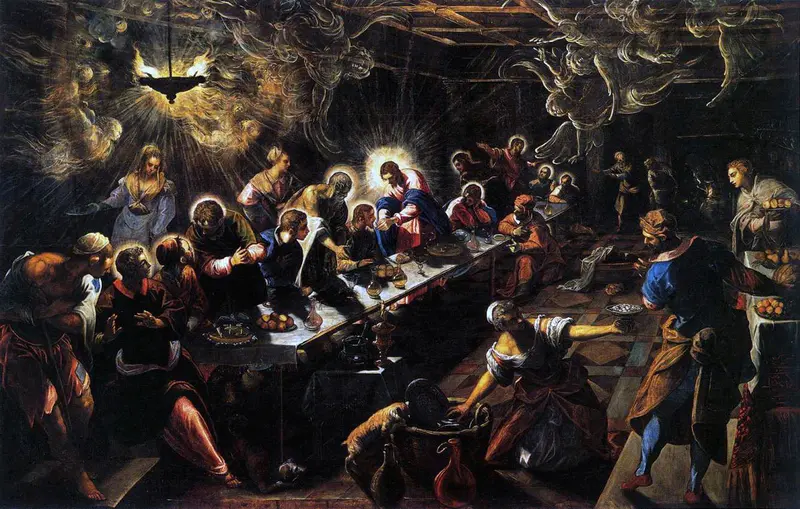
The Last Supper
Tintoretto
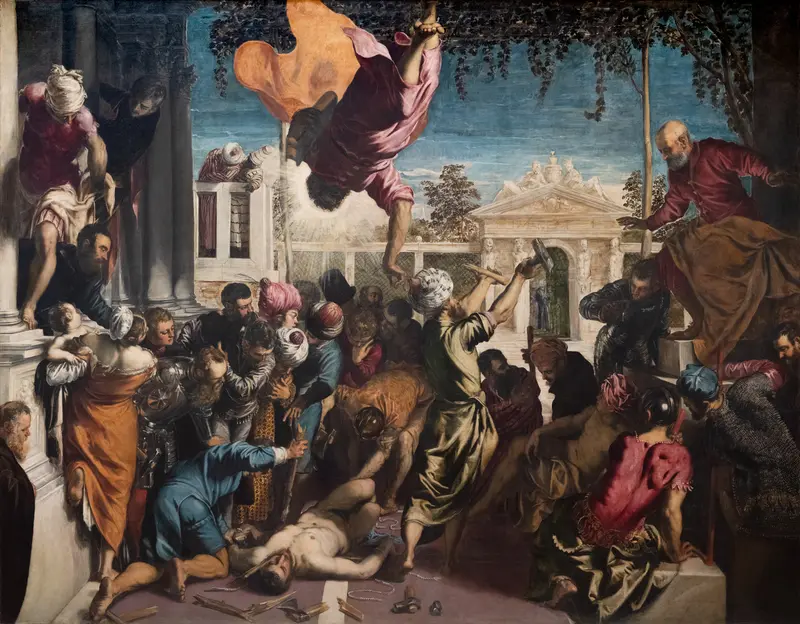
The Miracle of the Slave
Tintoretto
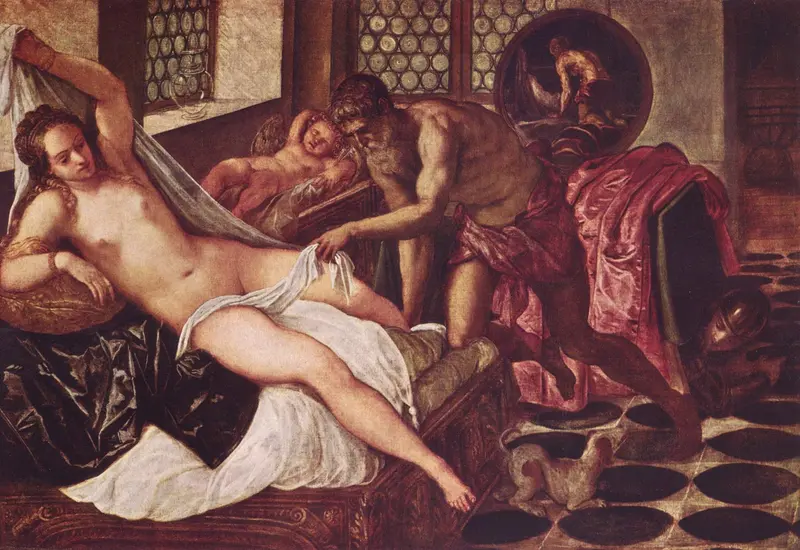
Venus and Mars Surprised by Vulcan
Tintoretto

Adoration of the Shepherds
Tintoretto
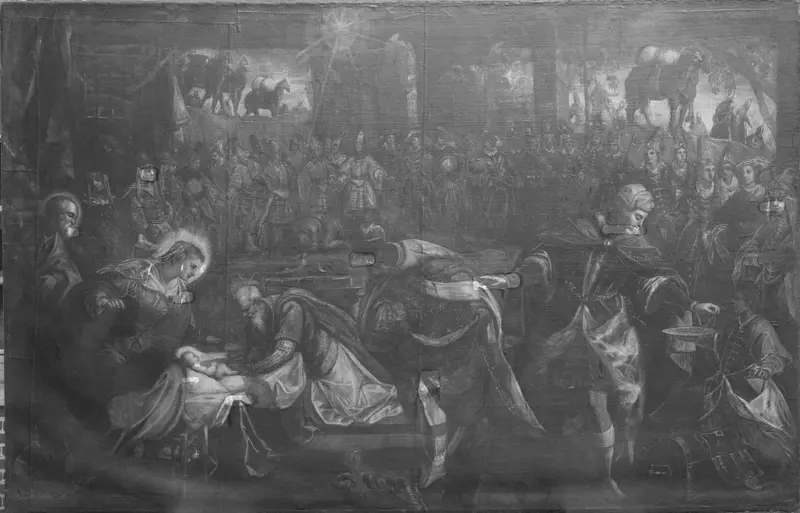
Adoration of the Magi
Tintoretto
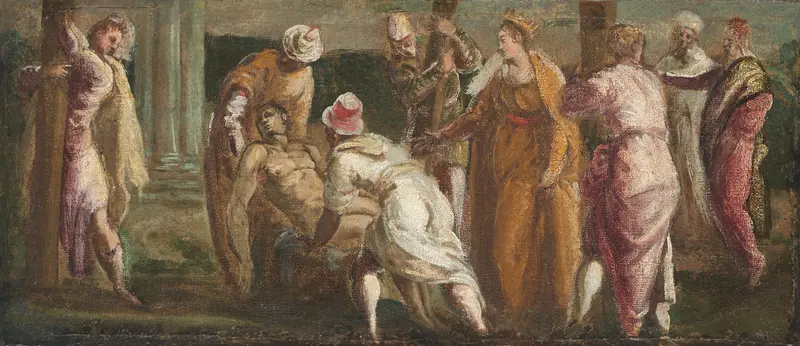
Saint Helen Testing the True Cross
Tintoretto
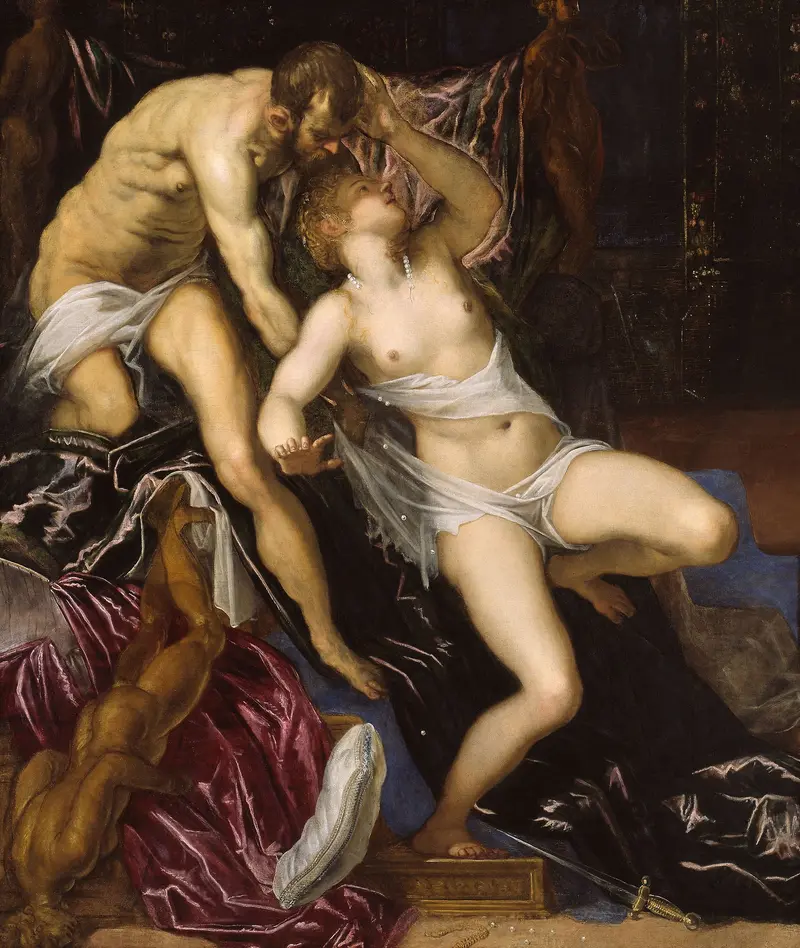
Tarquin and Lucretia
Tintoretto
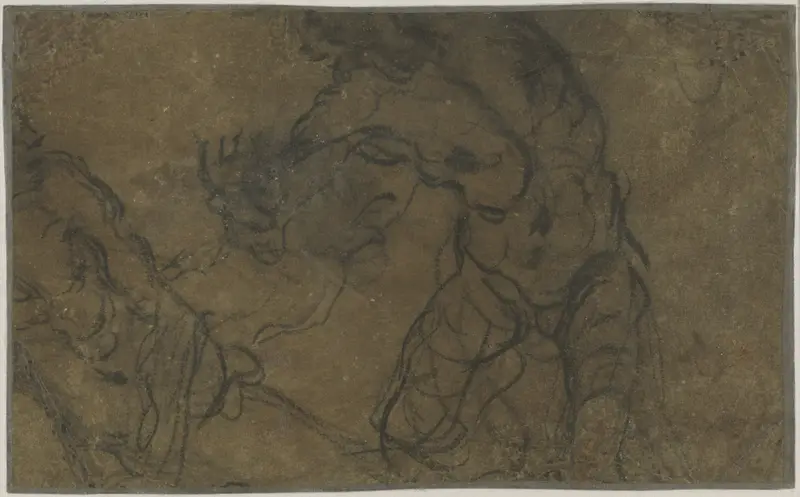
Two Male Figures in Motion (verso)
Tintoretto
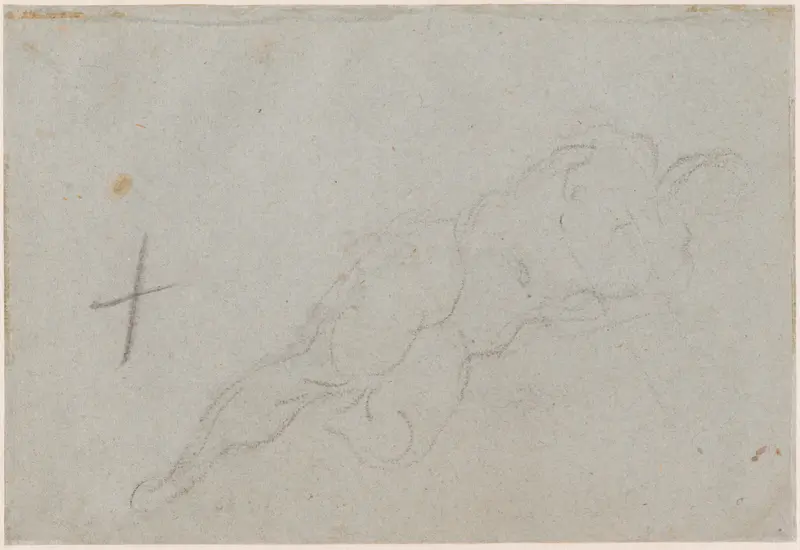
A Female Nude [verso]
Tintoretto
Veduta Kopra
Tintoretto





