Venterol — History & Facts
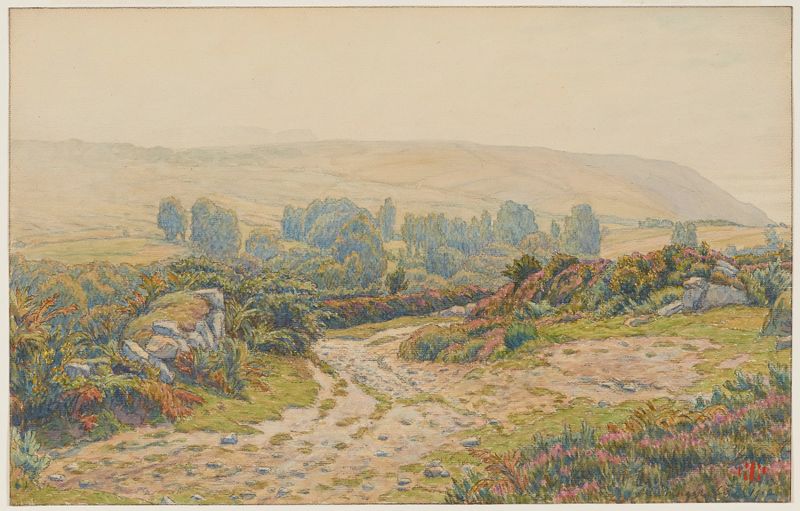
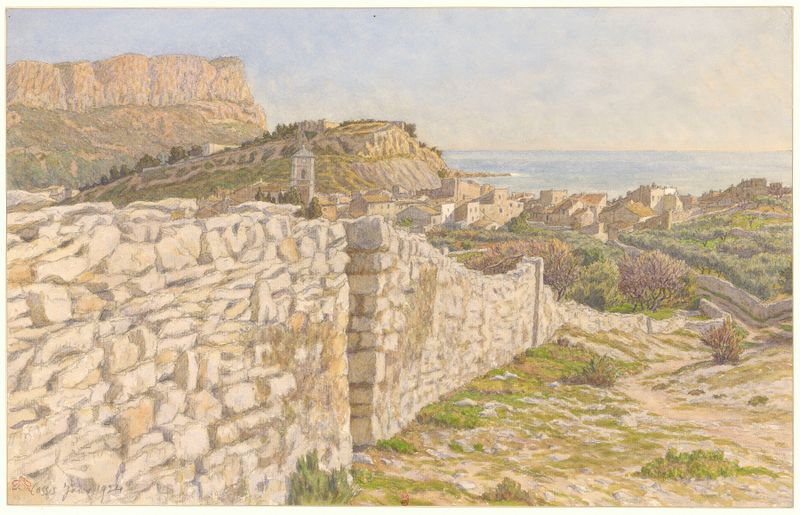
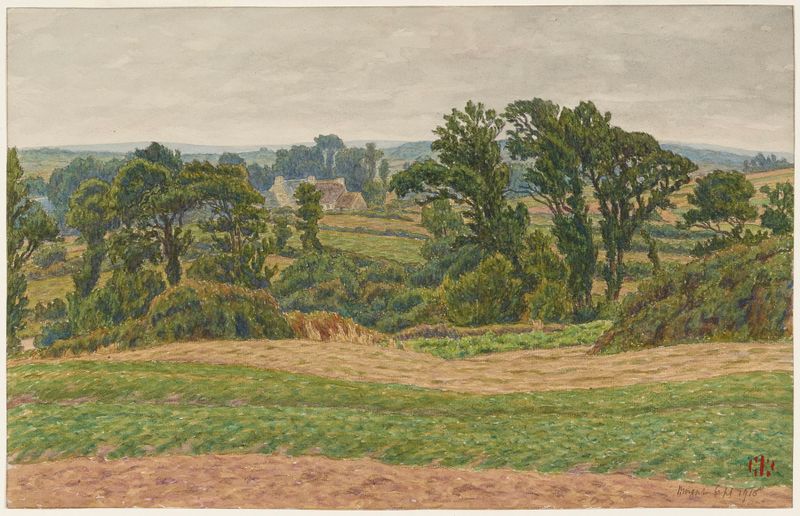
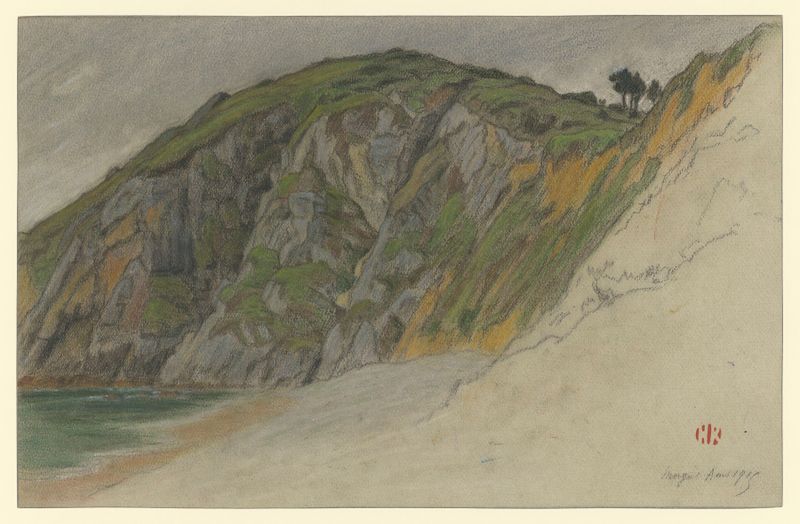
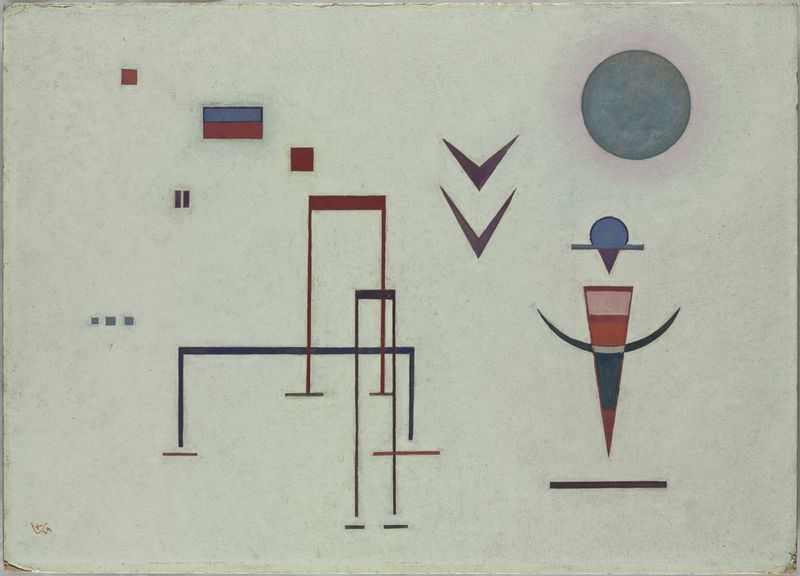
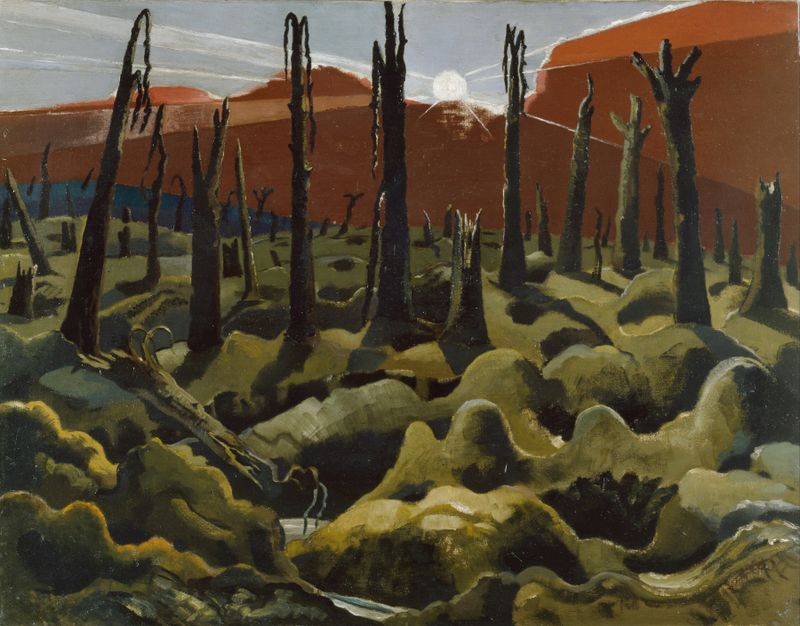
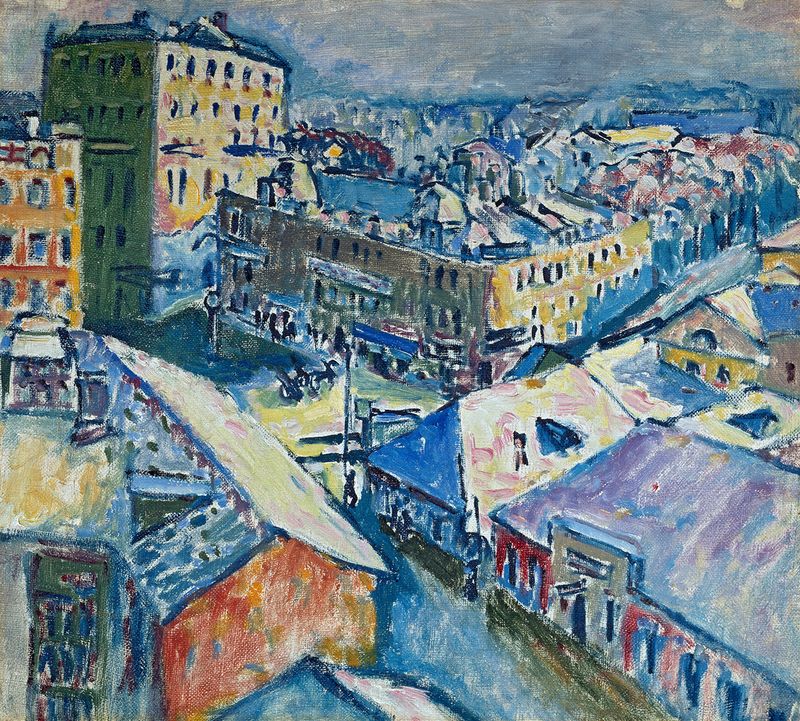
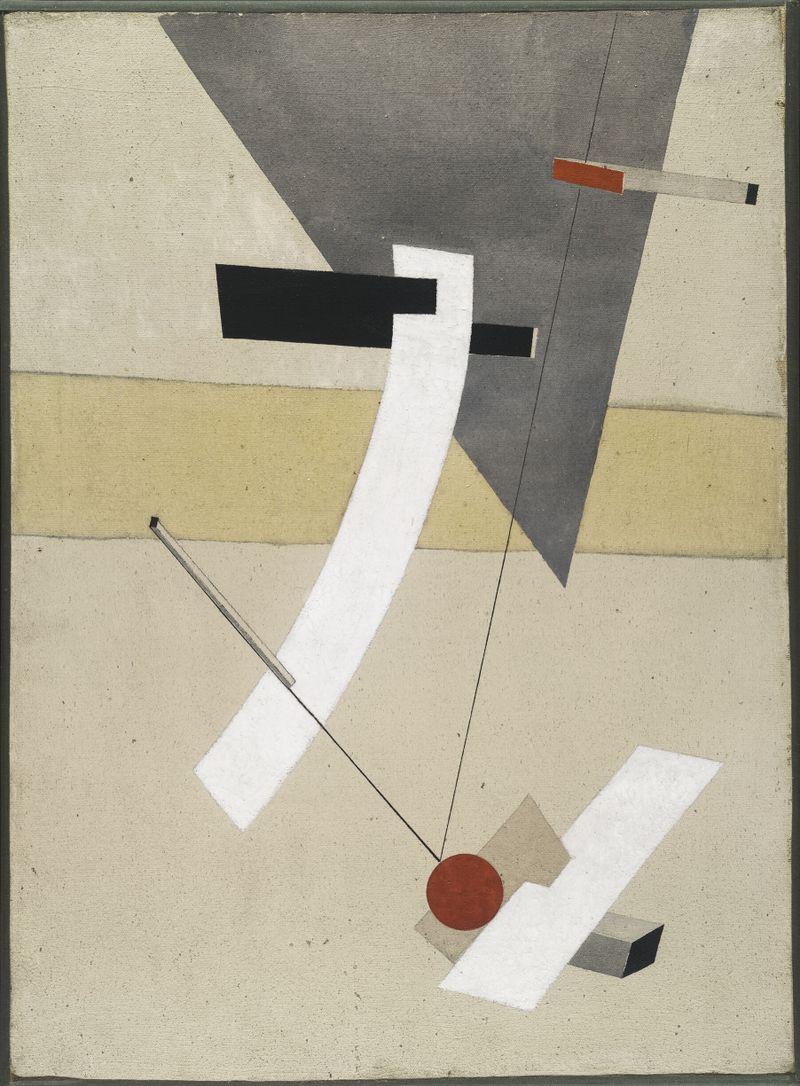
In the stillness of a blank surface, fear lurks beneath layers of untouched paint, yearning for expression and understanding. Focus on the deep, brooding blues and greens that envelop the canvas, drawing your gaze to the swirling forms that seem alive yet detached. The composition balances chaos and calm, with sweeping lines hinting at movement, as if the viewer might be swept into the painting’s depths. The muted color palette contrasts starkly with the vibrant strokes that suggest hidden energy, inviting contemplation of what lies beneath the surface. Look closely at the subtleties within the texture; the brushwork reveals a tension between restraint and release.
Each stroke embodies an emotional weight, suggesting a struggle that resonates with the viewer's own fears. The interplay of light and shadow evokes a sense of unease, mirroring the dichotomy of hope and despair that permeates the human experience. Henri Rivière created Venterol in 1929, a period marked by personal turmoil and shifting artistic landscapes. Living in France during a time of political and social upheaval, he sought to navigate the complexity of his emotions through his art.
This piece reflects not only his internal battles but also the broader existential dilemmas artists faced in an increasingly uncertain world.