Discover insights about this artwork
Vénus de Milo — History & Facts
In Vénus de Milo, Paul Cézanne presents a reinterpretation of the classical figure. The painting features soft, muted colors, with a focus on earthy tones that evoke a sense of warmth. The figure of Venus is depicted with a simplified form, emphasizing her curves and contours.
The background is abstract, allowing the viewer to focus on the figure itself. Cézanne employs oil on canvas to create this work, utilizing his signature brushstrokes that blend colors seamlessly. The dimensions are approximately 60 x 80 cm, making it a medium-sized painting that invites close examination. The texture of the paint is rich, with visible strokes that add depth and movement to the composition.
This technique is characteristic of the Post-Impressionist style, which seeks to capture the essence of the subject rather than a realistic representation. Paul Cézanne was a pivotal figure in the transition from Impressionism to modern art. His Vénus de Milo reflects his interest in form and structure, often seen in his still lifes and landscapes. An interesting fact about this work is that it was inspired by the ancient Greek statue of the same name, yet Cézanne's interpretation diverges significantly, showcasing his unique artistic vision.
This painting exemplifies his exploration of color and form, which would influence many future artists.
More Artworks by Paul Cézanne
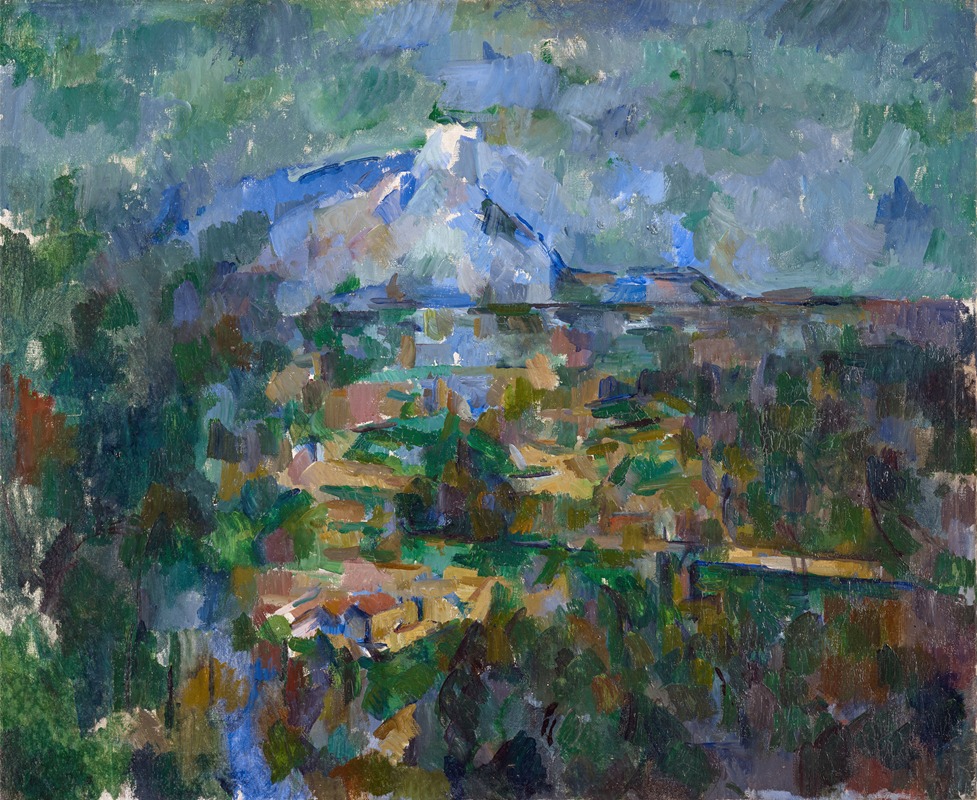
The Mont Sainte-Victoire Seen From Les Lauves
Paul Cézanne
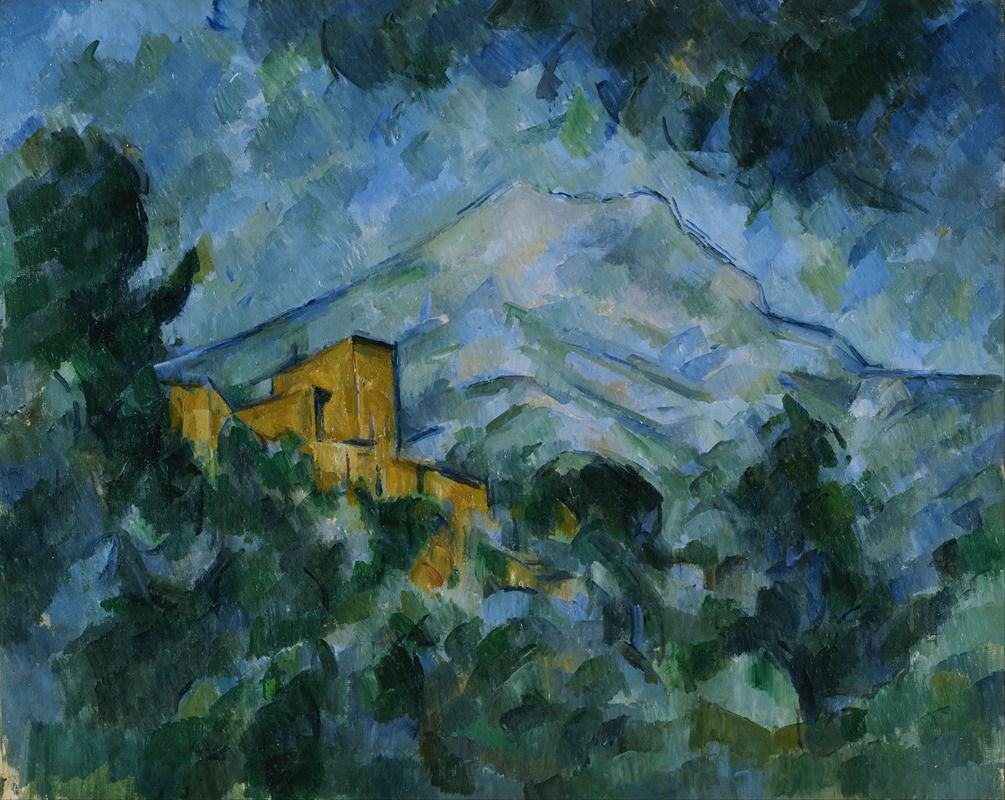
Mont Sainte-Victoire and Château Noir
Paul Cézanne
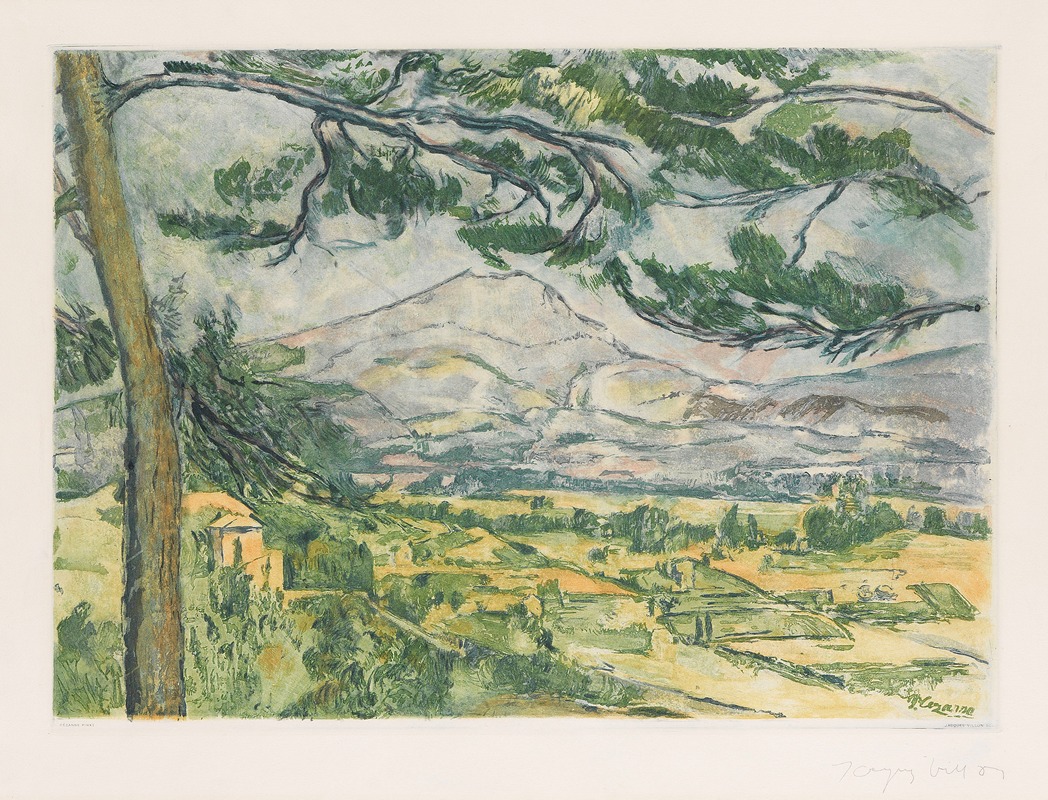
La Montagne Sainte-Victoire
Paul Cézanne
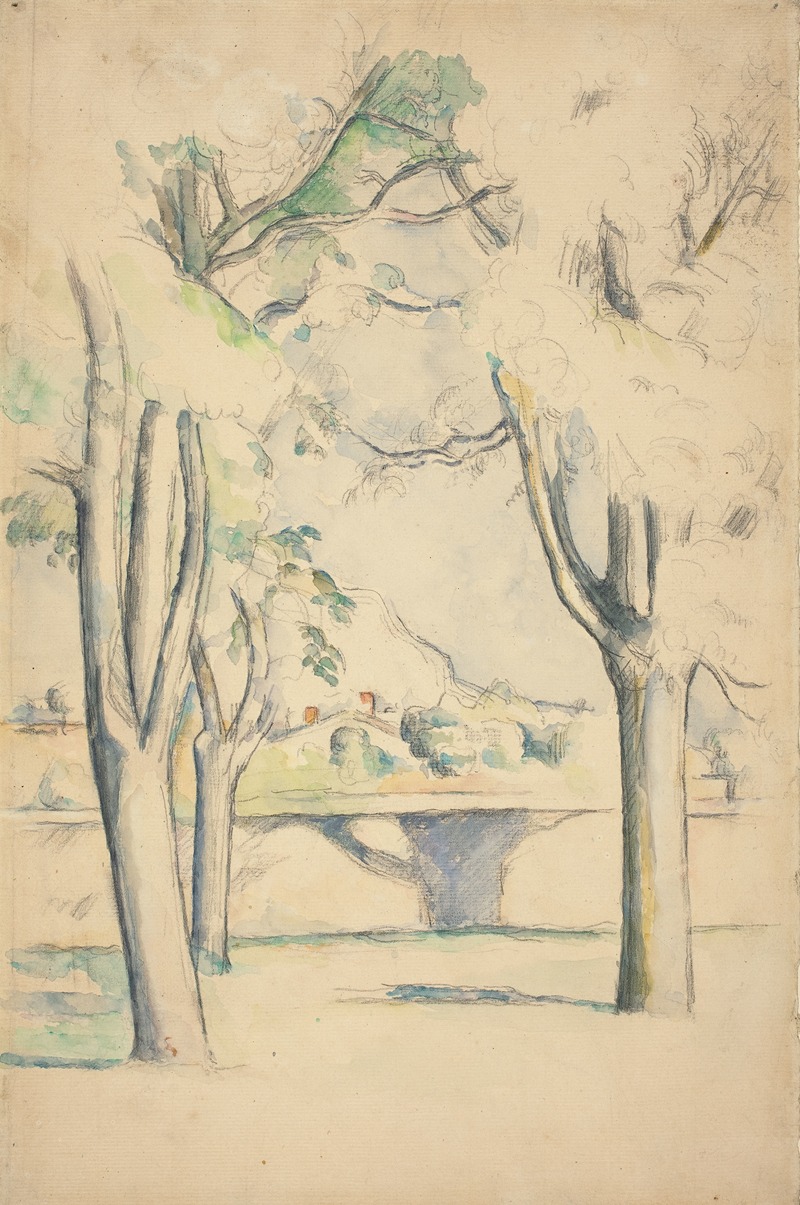
Mont Sainte-Victoire Seen beyond the Wall of the Jas de Bouffan
Paul Cézanne
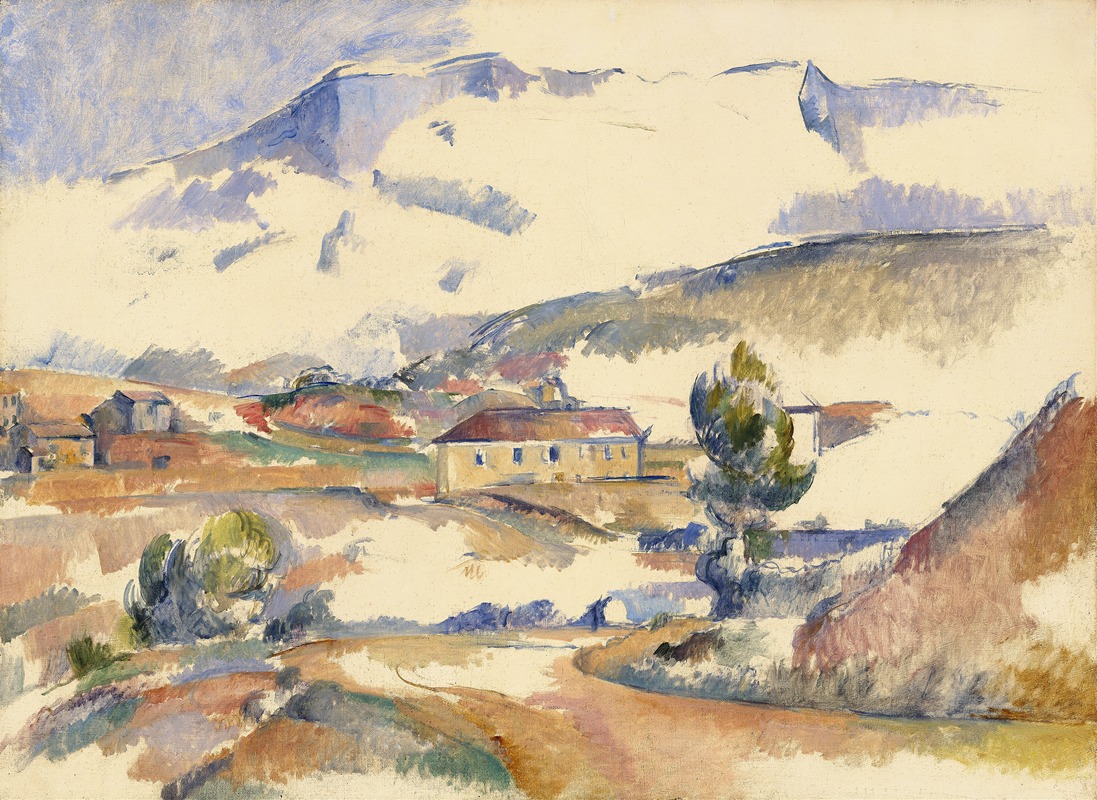
Montagne Sainte-Victoire,from near Gardanne
Paul Cézanne
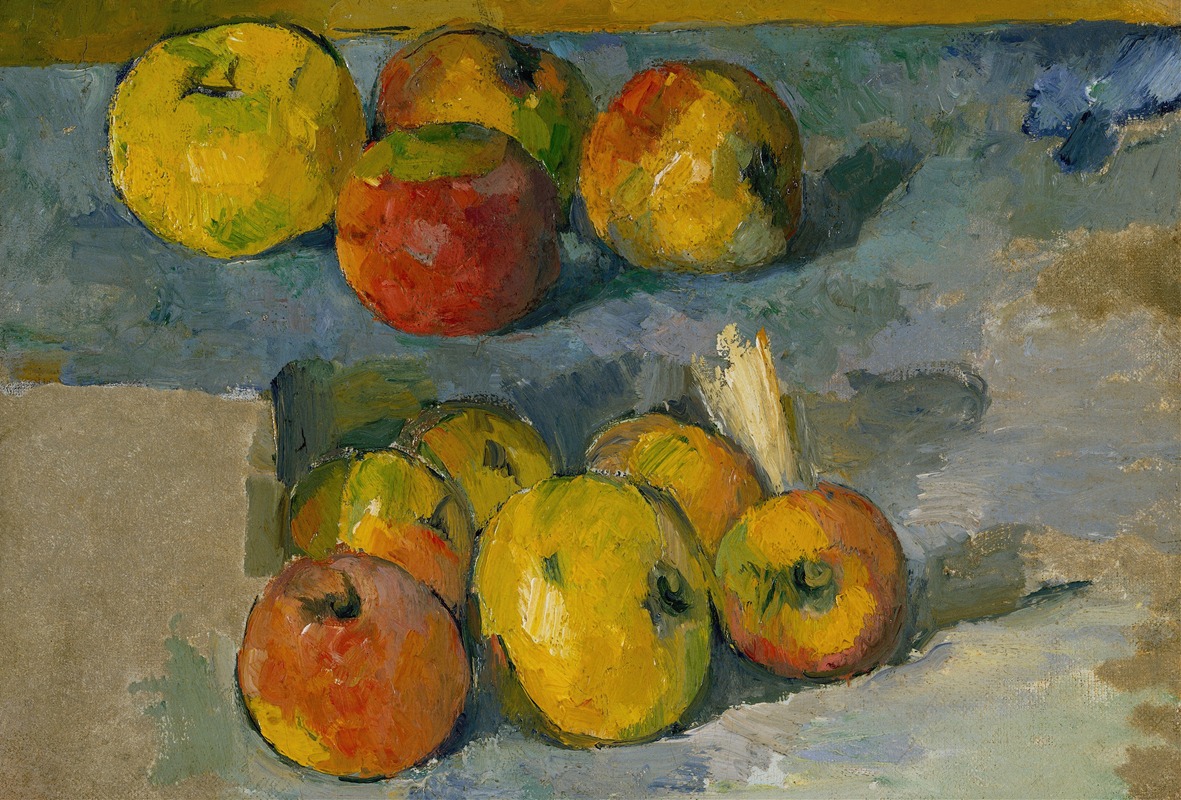
Apples
Paul Cézanne
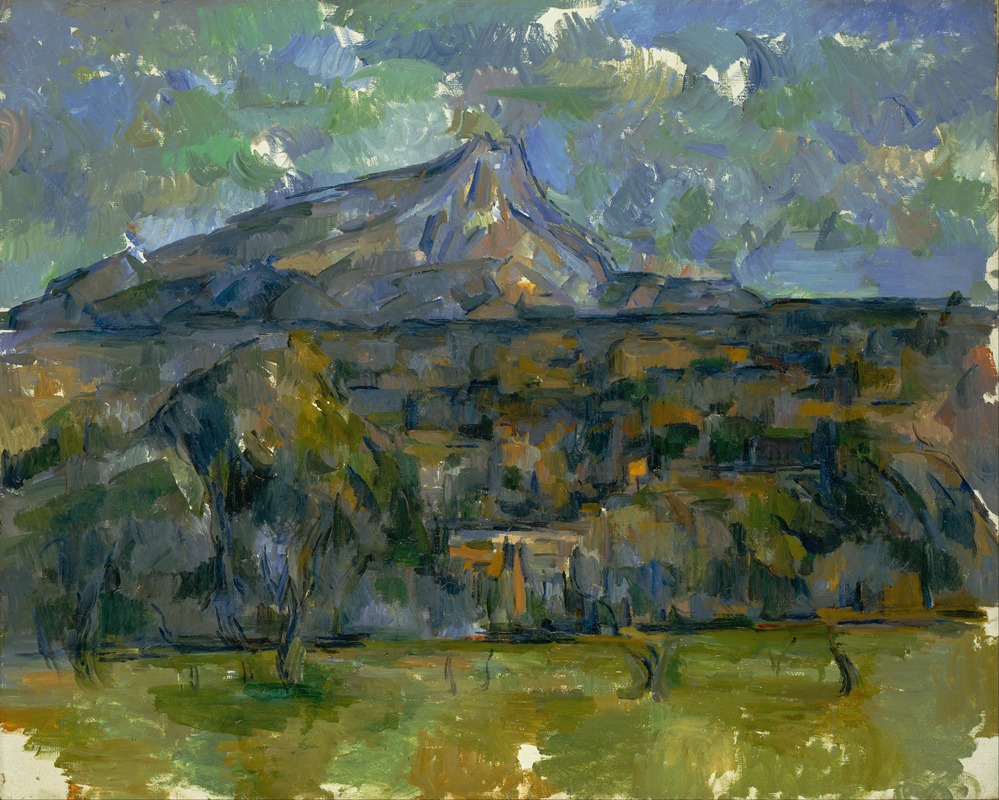
Mont Sainte-Victoire
Paul Cézanne
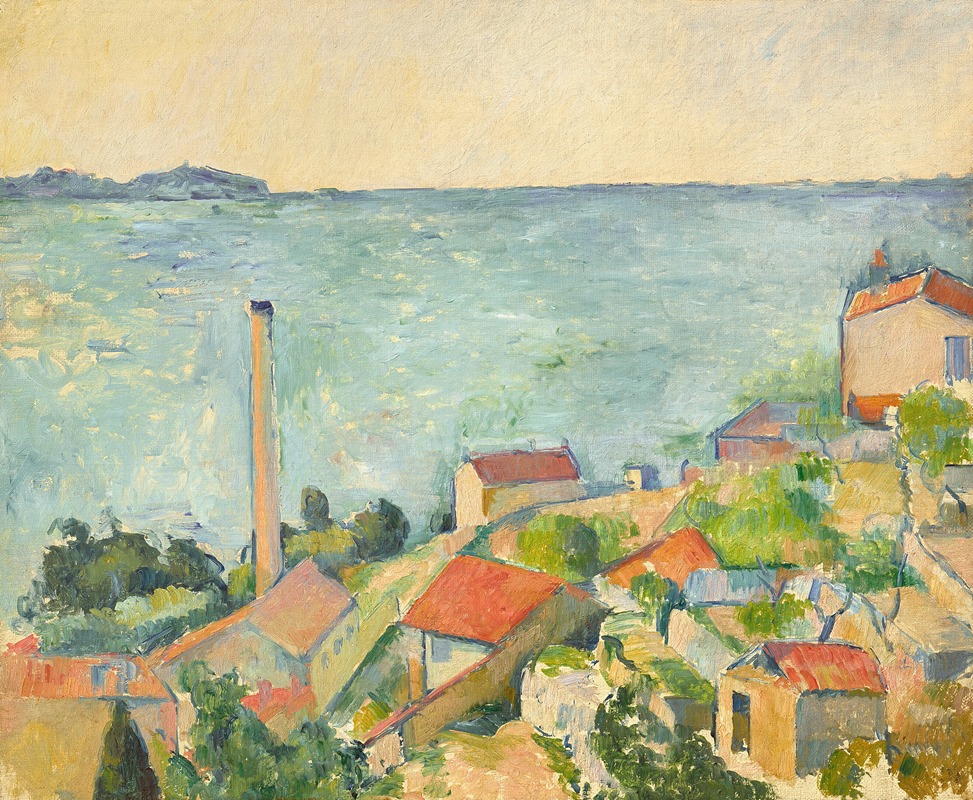
La mer à l’Estaque
Paul Cézanne
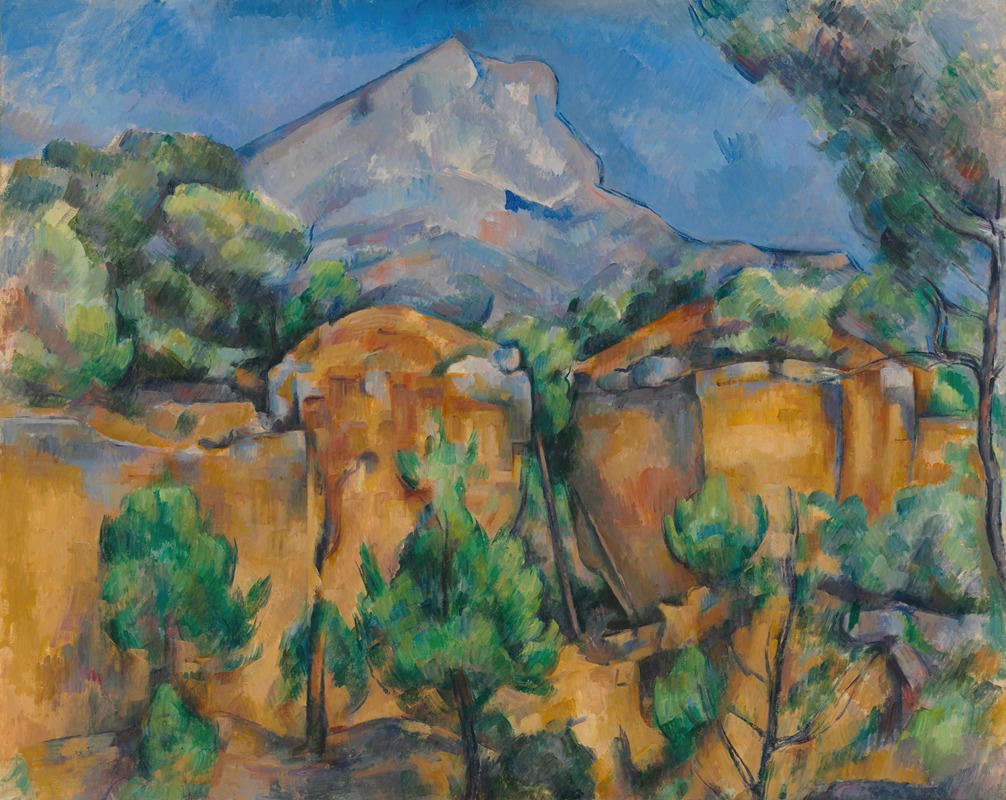
La Montagne Sainte-Victoire vue de la carrière Bibémus
Paul Cézanne
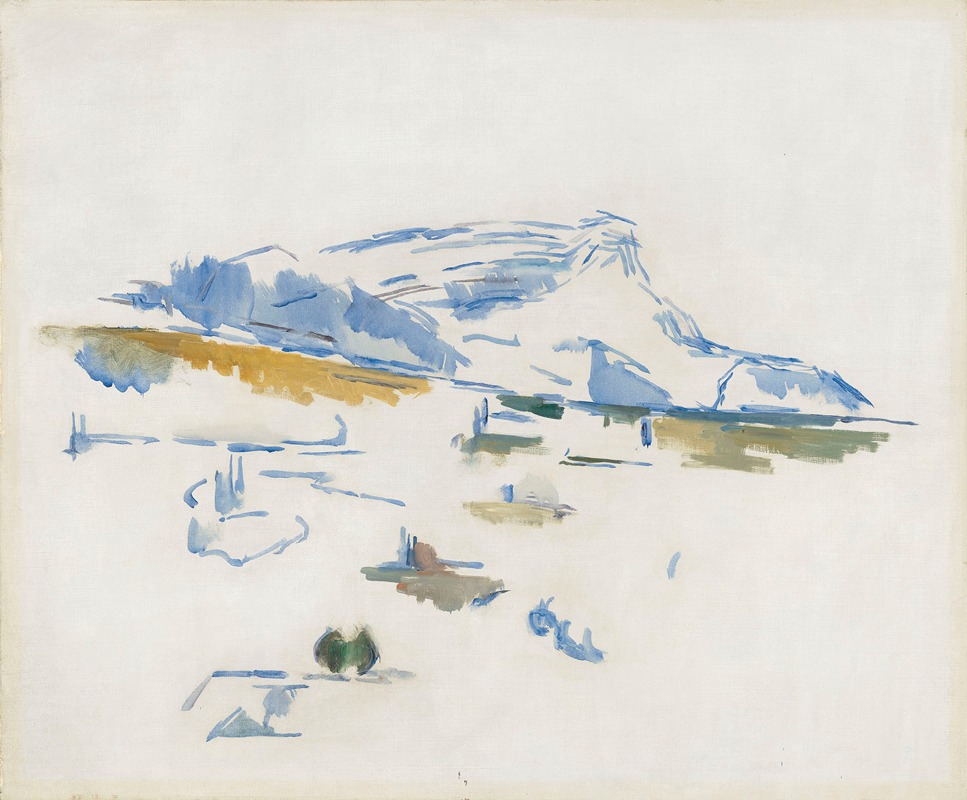
La Montagne Sainte-Victoire vue des Lauves
Paul Cézanne