Discover insights about this artwork
Venus Frigida — History & Facts
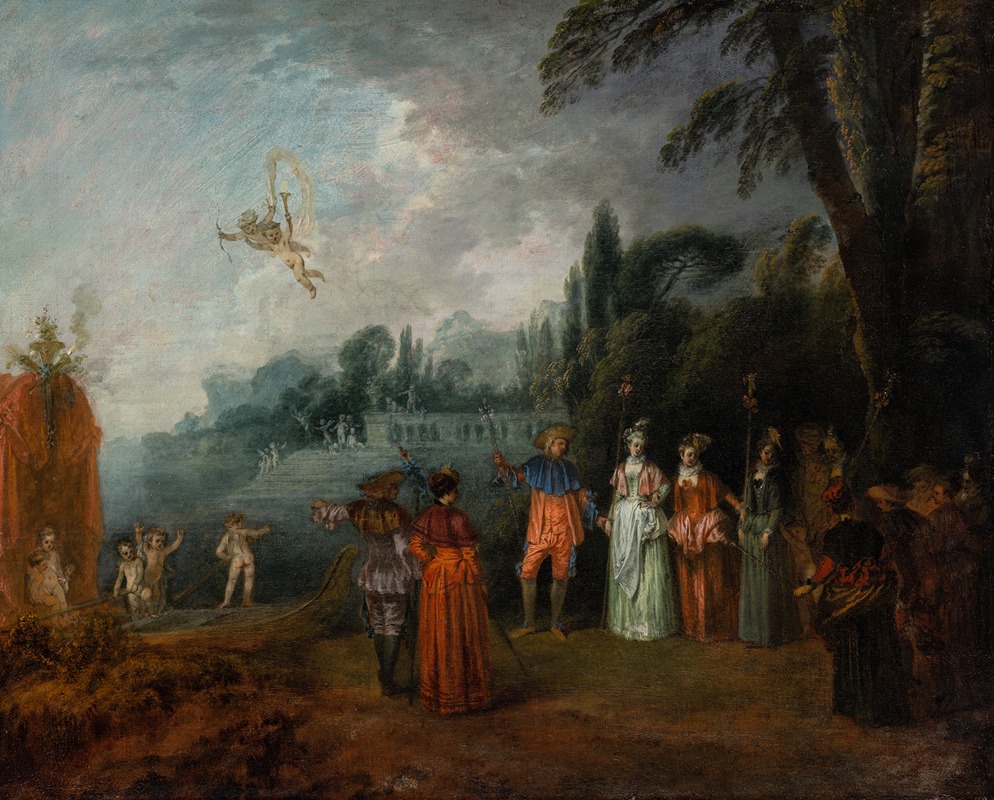
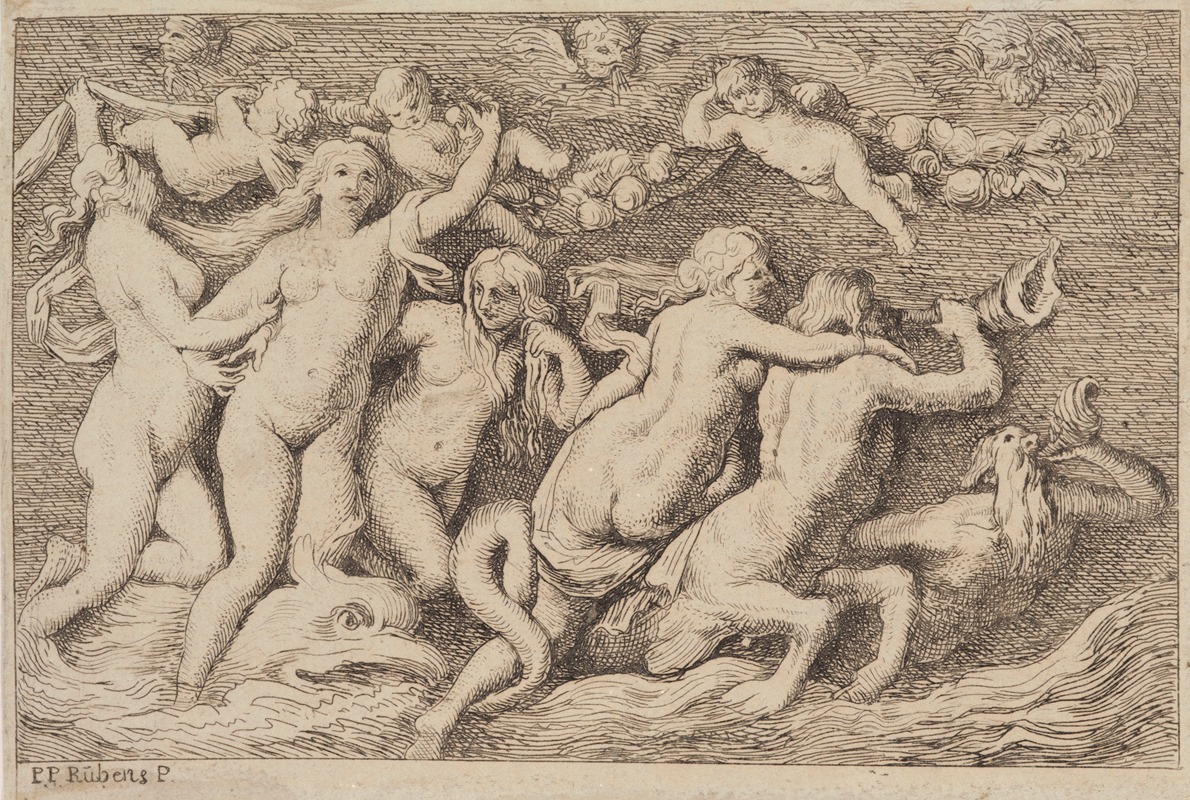
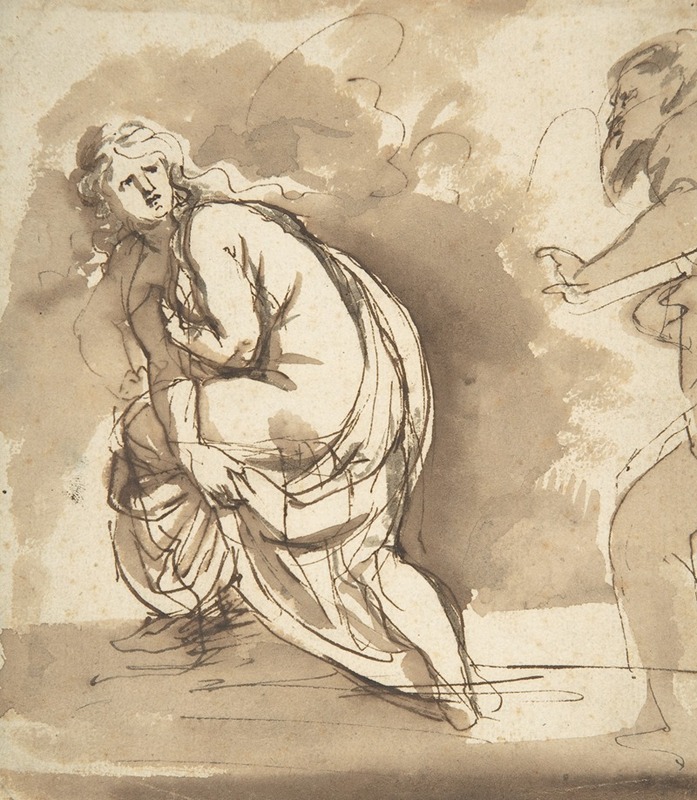
In Venus Frigida, Peter Paul Rubens presents a striking depiction of the goddess Venus. The painting features a cool color palette dominated by blues and whites, creating a serene atmosphere. Venus is portrayed in a calm and composed manner, surrounded by delicate drapery and soft light.
The overall setting is tranquil, emphasizing her beauty and grace. The painting is executed in oil on canvas, a common medium for Rubens' works. The dimensions are approximately 100 x 130 cm, allowing for a detailed portrayal of Venus and her surroundings. The brushwork is fluid, showcasing Rubens' skill in rendering textures and forms.
The use of light and shadow adds depth, enhancing the three-dimensional quality of the figures. Peter Paul Rubens was a leading figure of the Baroque period, known for his dynamic compositions and vibrant colors. Venus Frigida reflects his interest in mythology and the female form. An interesting fact about this work is that it contrasts with the traditional depiction of Venus as a warm and inviting figure, instead presenting her in a more reserved and frigid manner.
This painting exemplifies Rubens' ability to challenge conventions while still celebrating beauty.
More Artworks by Peter Paul Rubens
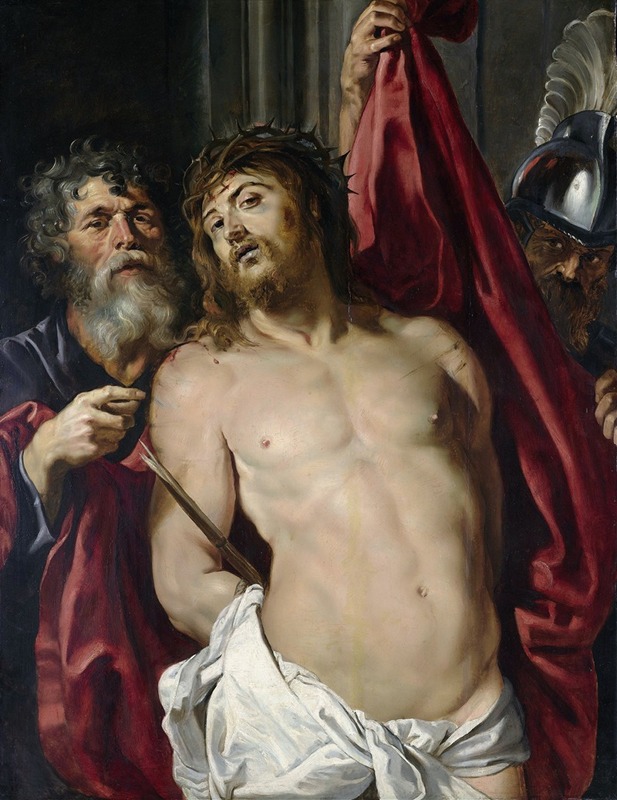
Ecce homo
Peter Paul Rubens
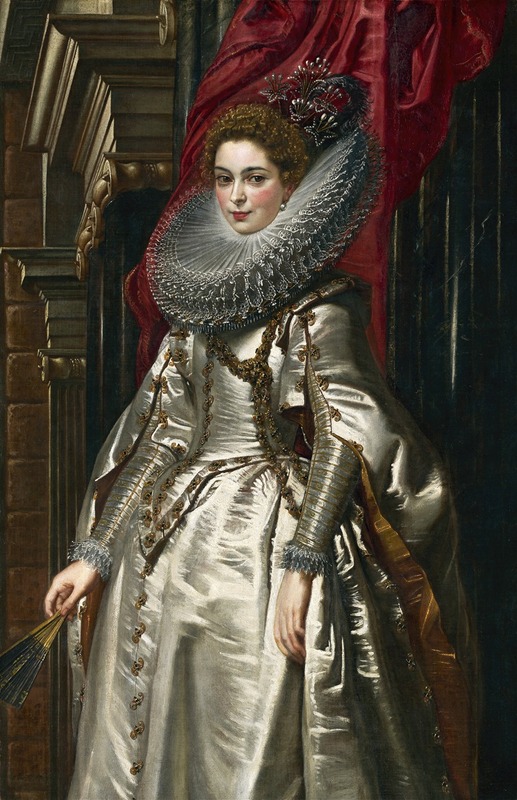
Marchesa Brigida Spinola Doria
Peter Paul Rubens
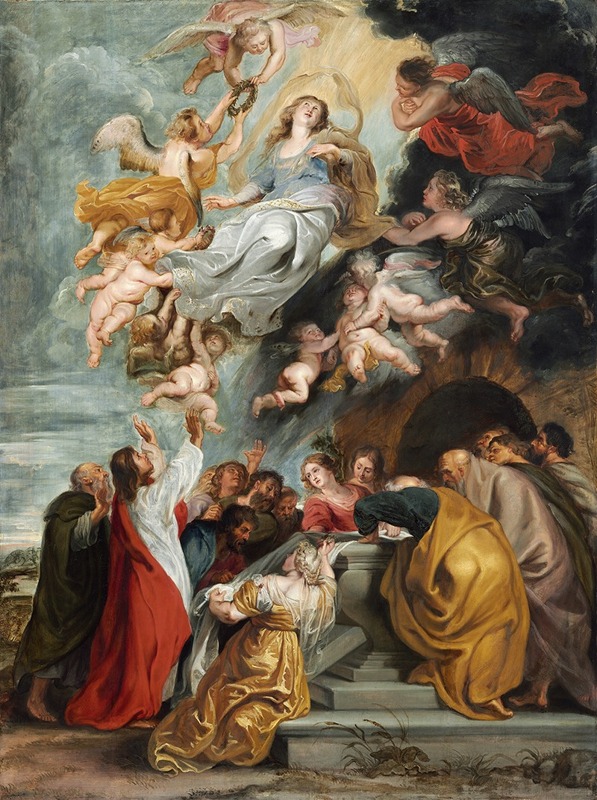
The Assumption of the Virgin
Peter Paul Rubens

Saint Teresa of Ávila Interceding for Souls in Purgatory
Peter Paul Rubens
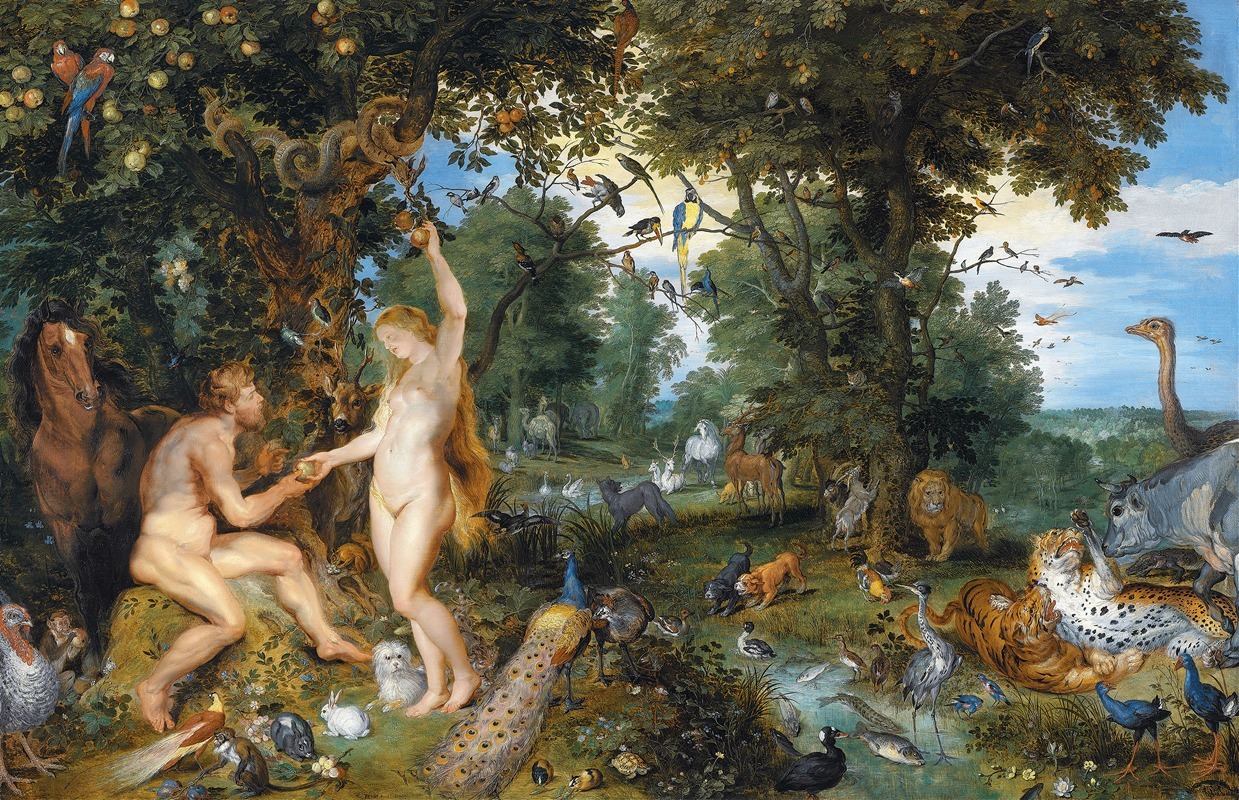
The Garden of Eden with the Fall of Man
Peter Paul Rubens
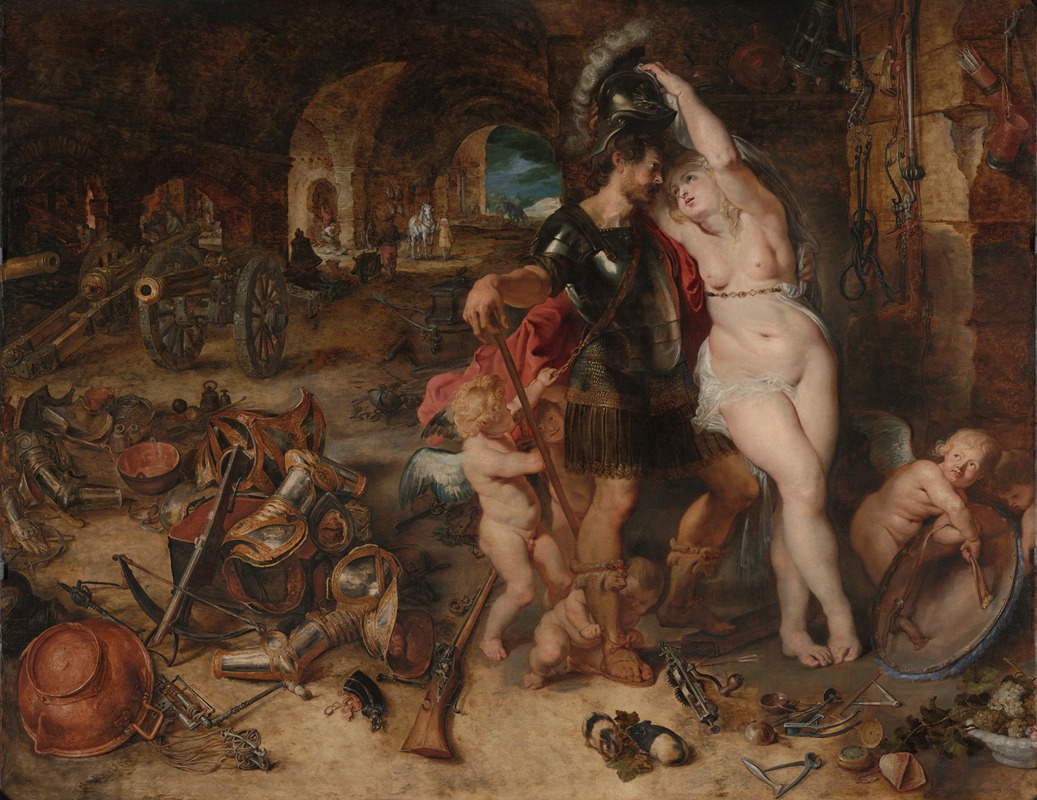
The Return From War,Mars Disarmed By Venus
Peter Paul Rubens
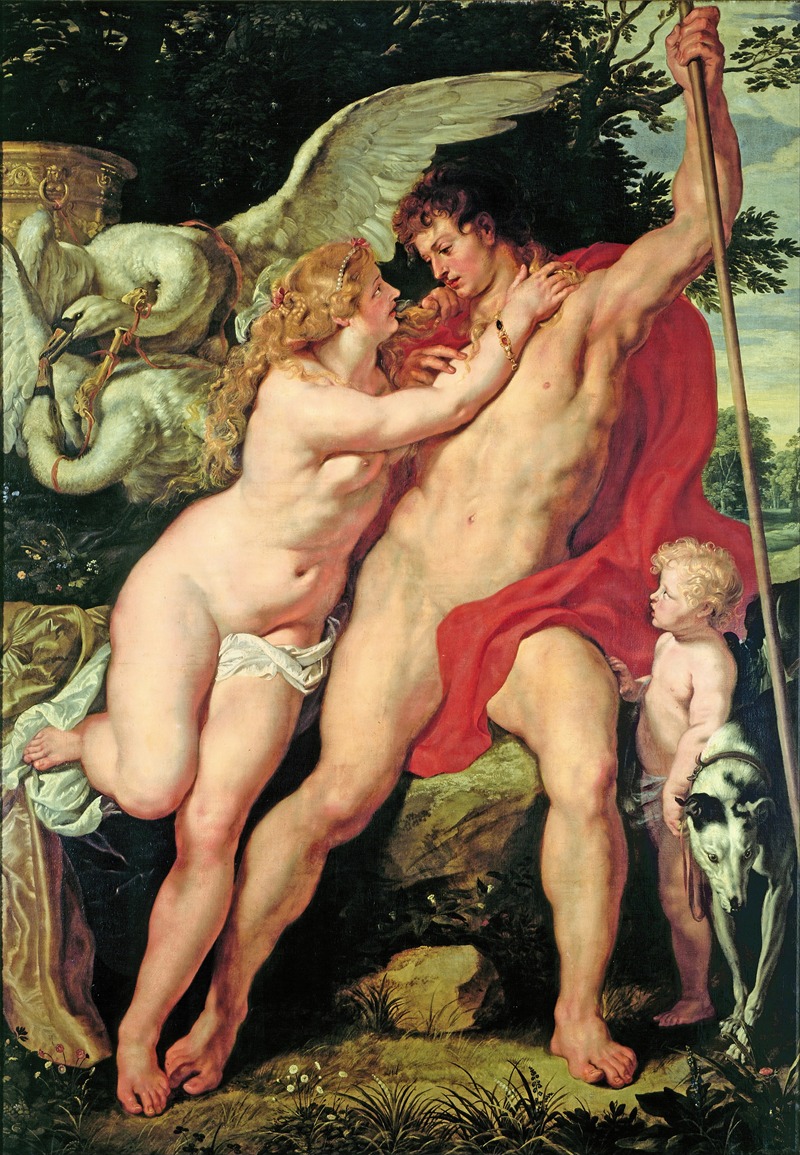
Venus and Adonis
Peter Paul Rubens
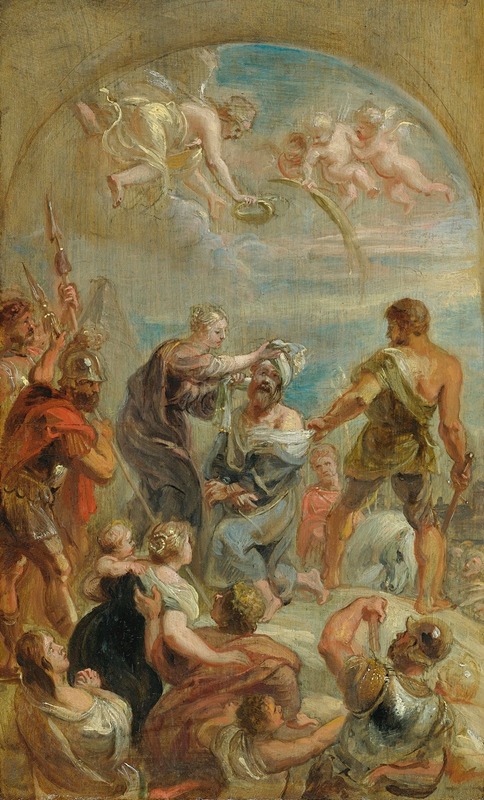
The Martyrdom Of Saint Paul
Peter Paul Rubens
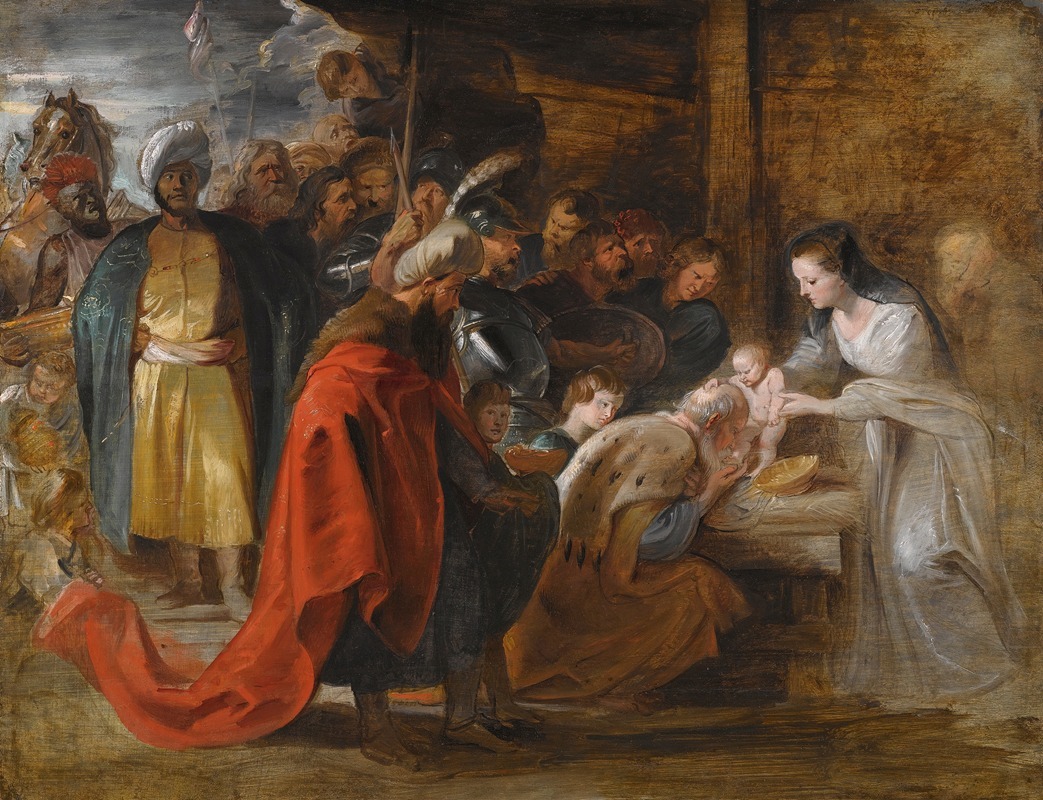
The Adoration Of The Magi
Peter Paul Rubens
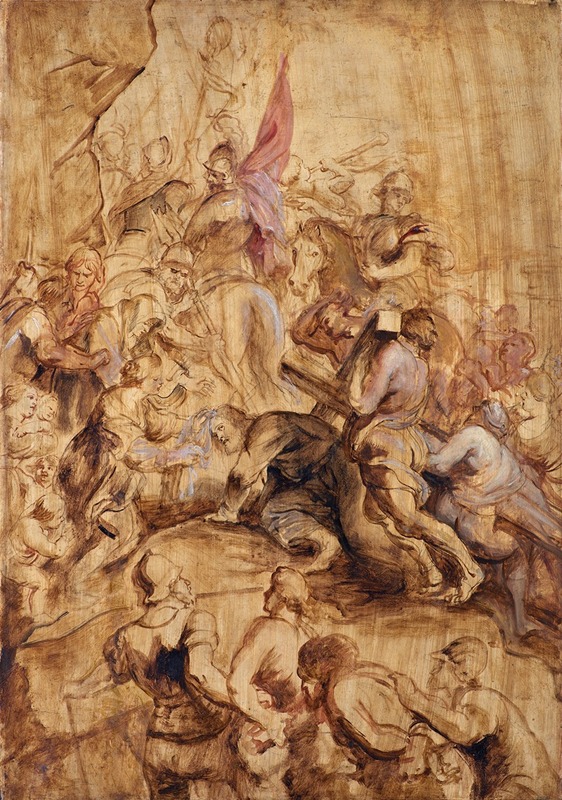
The Ascent to Calvary. The Bearing of the Cross
Peter Paul Rubens