
Vermont Hill — History & Facts
What if silence could speak through light? In Vermont Hill, Theodore Robinson masterfully captures the essence of solitude and the quiet grief that often accompanies reflection. Look to the left at the soft, undulating hills, their muted greens and browns stretching out towards the horizon. Notice how the light falls tenderly across the landscape, casting elongated shadows that dance between the blades of grass. The gentle brushstrokes evoke a sense of calmness, yet there’s an underlying tension as the distant trees stand still against the fading sky.
This interplay of color and light invites the viewer to delve deeper into the emotional landscape. Hidden within the serene exterior is a poignant contrast: the beauty of nature juxtaposed with an unspoken sense of loss. The paths winding through the hills suggest journeys taken, possibly ones never to be repeated, while the sky's soft hues of twilight resonate with the bittersweetness of memories. Here, silence speaks volumes, and every brushstroke carries the weight of unexpressed emotions, echoing the universal experience of grief. In 1894, Robinson painted this work while residing in rural Vermont, a time when Impressionism was gaining momentum in the United States.
The artist found himself deeply influenced by the natural beauty surrounding him, as well as the emotional weight of personal experiences. This period in his life was marked by a desire to capture the fleeting moments of light and the resonance of memory, reflecting both his artistic evolution and the broader shifts within the art world.
More Artworks by Theodore Robinson
Browse all →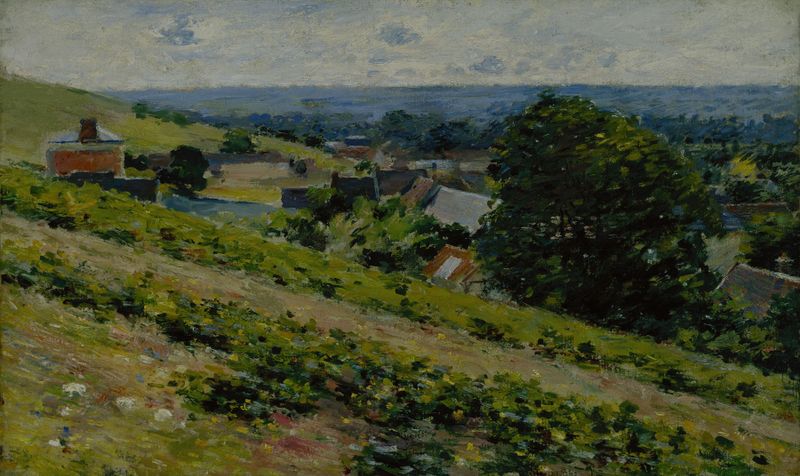
From the Hill, Giverny
Theodore Robinson

Giverny
Theodore Robinson

Old Church At Giverny
Theodore Robinson
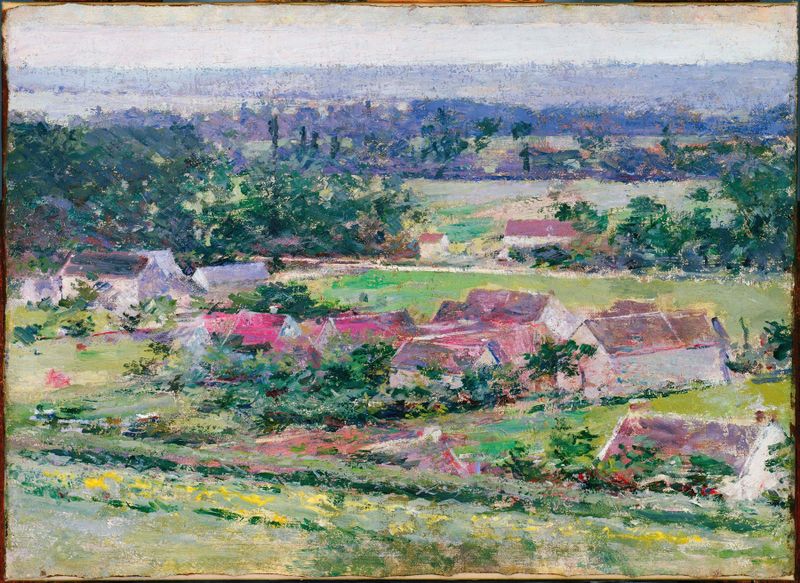
Giverny
Theodore Robinson
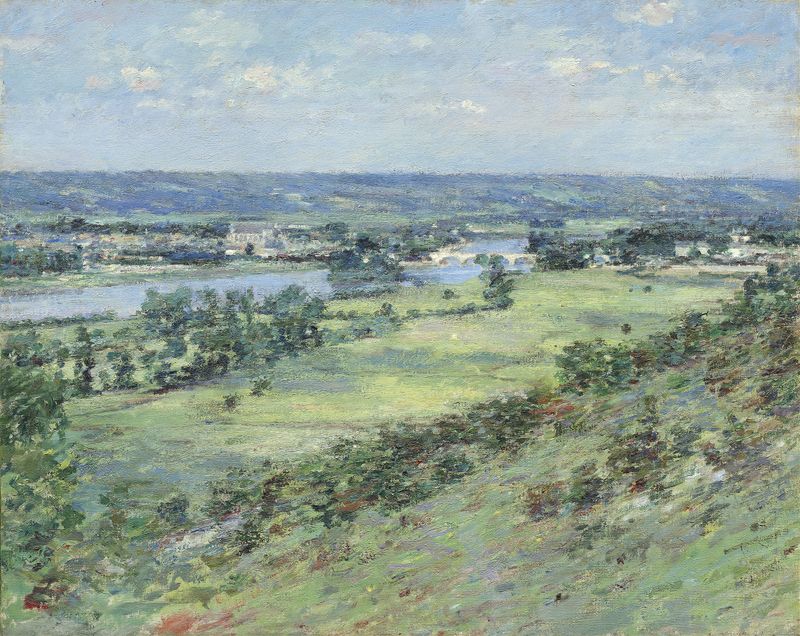
The Valley of the Seine,from the Hills of Giverny
Theodore Robinson
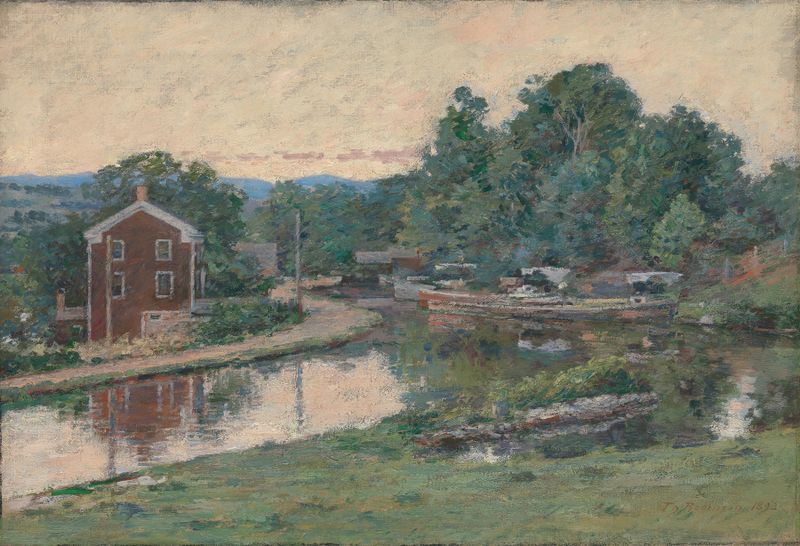
Evening at the Lock, Napanoch, New York
Theodore Robinson
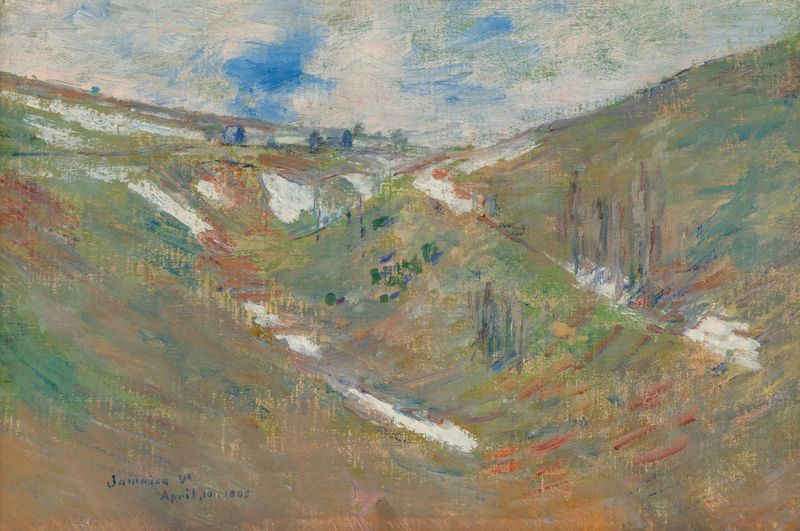
Jamaica, Vermont
Theodore Robinson
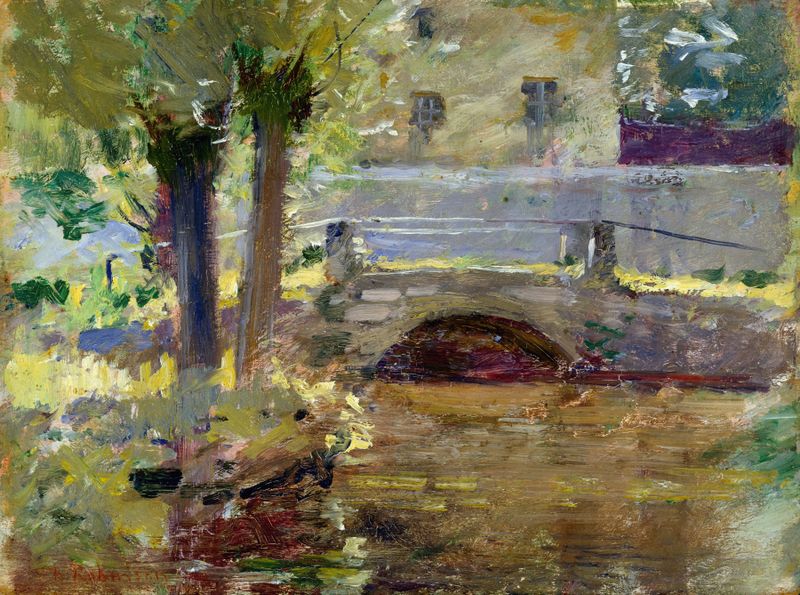
The Bridge at Giverny
Theodore Robinson

House In Virginia
Theodore Robinson
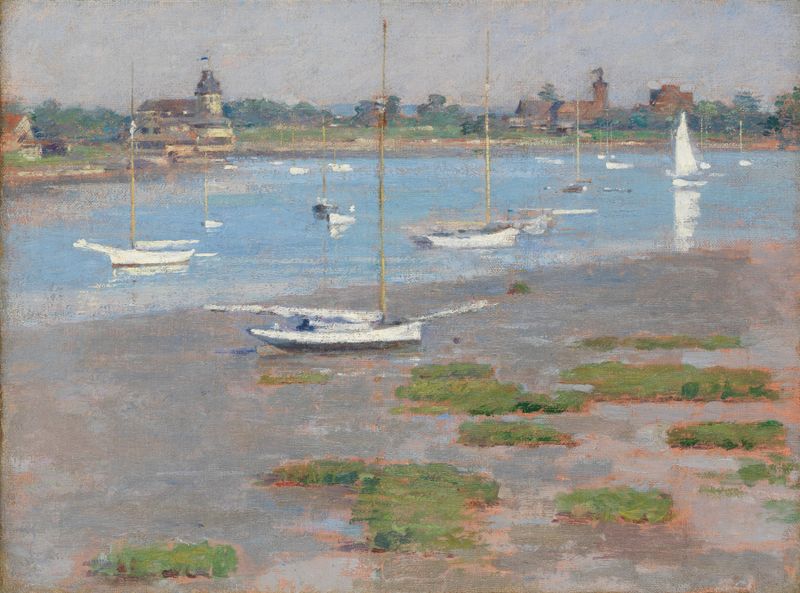
Low Tide, Riverside Yacht Club
Theodore Robinson





