
Verona — History & Facts
This notion resonates deeply within the layers of Verona, where transformation whispers from every brushstroke. The artwork invites an exploration of beauty's duality—its capacity to enchant and to conceal the deeper struggles beneath the surface. Focus on the elegant curves that trace the figures intertwined within the canvas, each movement capturing a moment of intimacy suspended in time. Notice how the soft, warm hues cradle the subjects, while the occasional burst of gold hints at something more profound.
The artist’s deft application of light and shadow creates a dance, drawing the eye to the expressions that speak volumes—joy intertwined with sorrow, love shaded with longing. Hidden within this tapestry are contrasts that reveal the tension of transformation. Look closely at the subtle eyes that reflect both hope and despair, the delicate hands that reach out yet seem hesitant. It is here that the beauty morphs into something more complex, suggesting that the metamorphosis of love often comes with unspoken trials.
The gilded elements may dazzle, yet they also serve as a reminder that not all that glitters is free from pain. During the years 1888 to 1934, the artist was immersed in a world of evolving artistic movements. Living in a time of social upheaval and cultural shifts, they explored the balance between traditional techniques and modern expressions. This period was marked by a burgeoning fascination with capturing emotional depth, making the creation of Verona a reflection of both personal and artistic transformation, ultimately inviting viewers to grapple with their own perceptions of beauty and pain.
More Artworks by Willem Adrianus Grondhout
Browse all →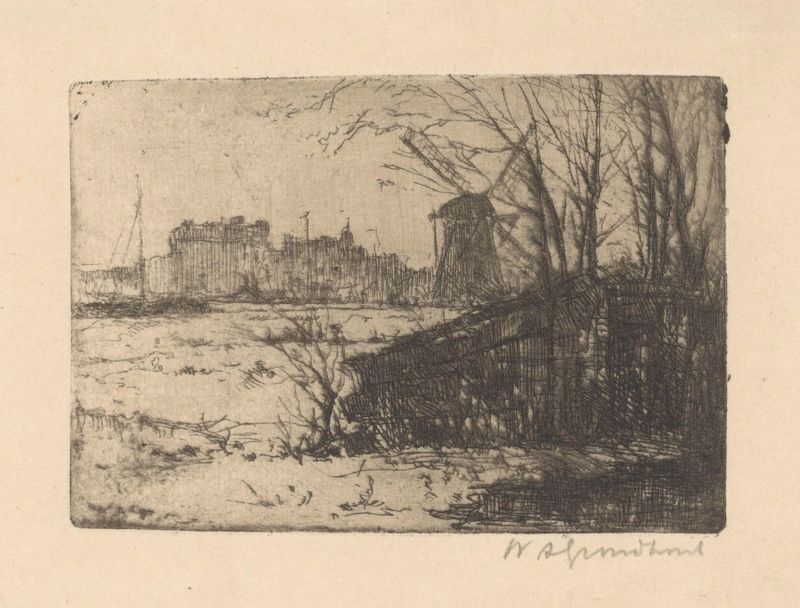
Landschap met molen in de Binckhorst in Den Haag
Willem Adrianus Grondhout
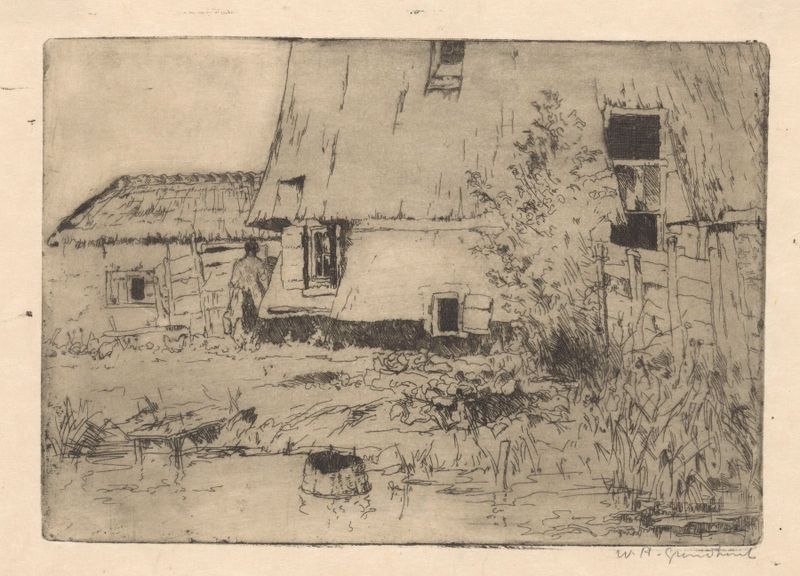
Voet van een molen in Voorburg
Willem Adrianus Grondhout
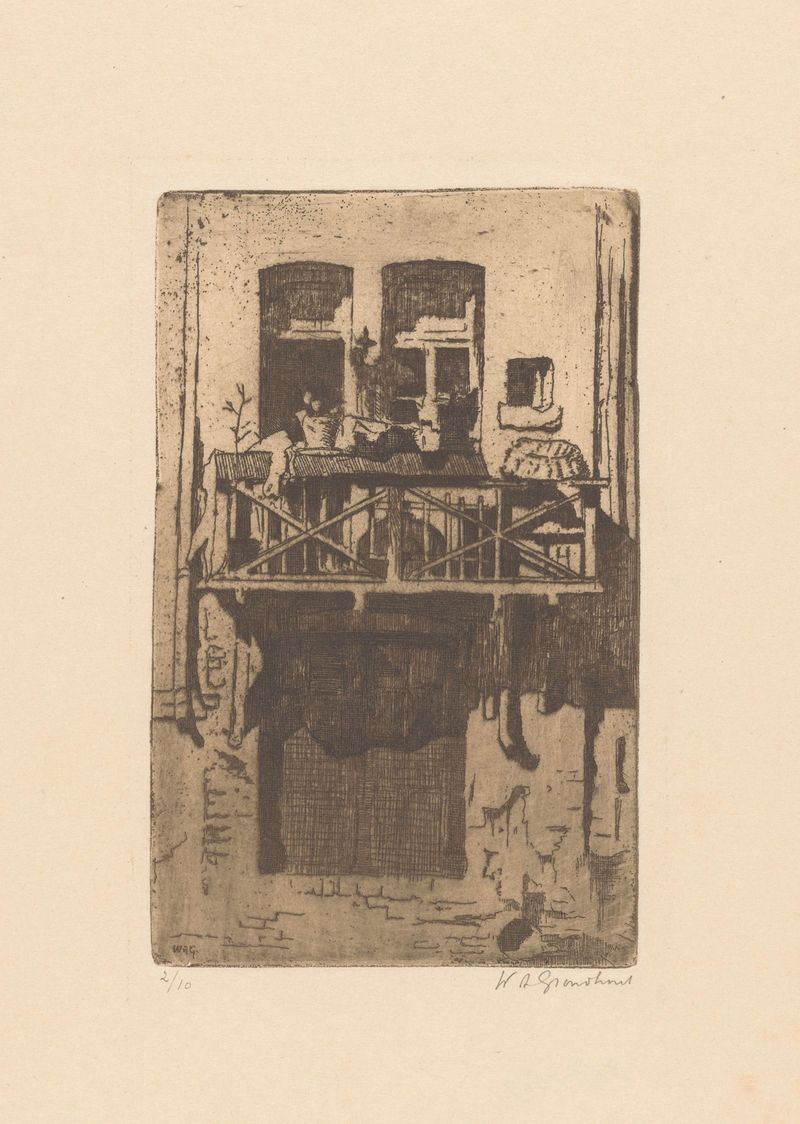
Balkon van een huis aan de Oudezijds Kolk in Amsterdam
Willem Adrianus Grondhout
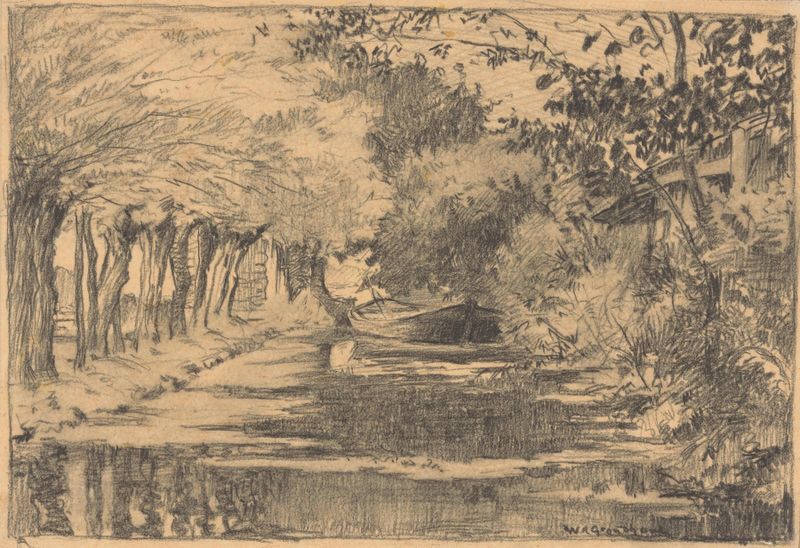
Broeksloot bij Voorburg
Willem Adrianus Grondhout
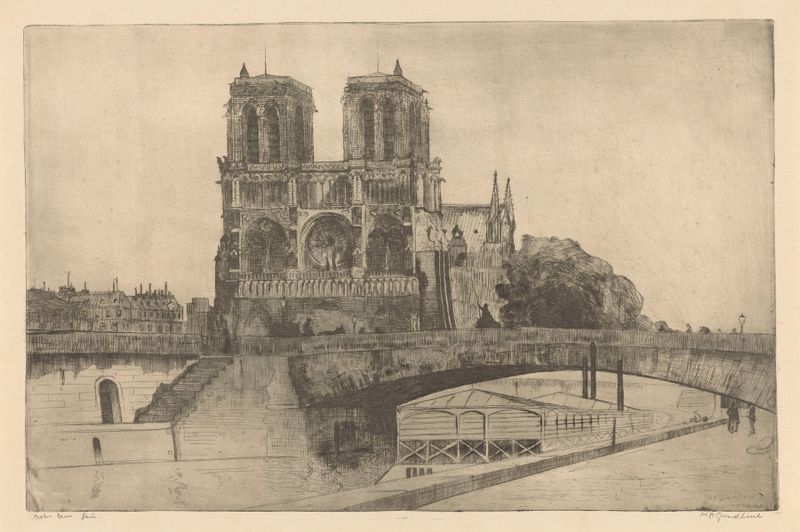
Notre-Dame, Paris
Willem Adrianus Grondhout
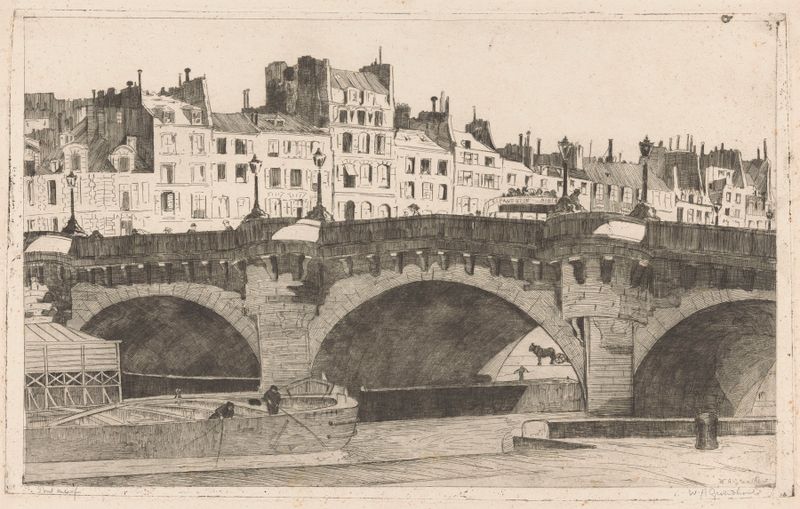
Pont Neuf
Willem Adrianus Grondhout
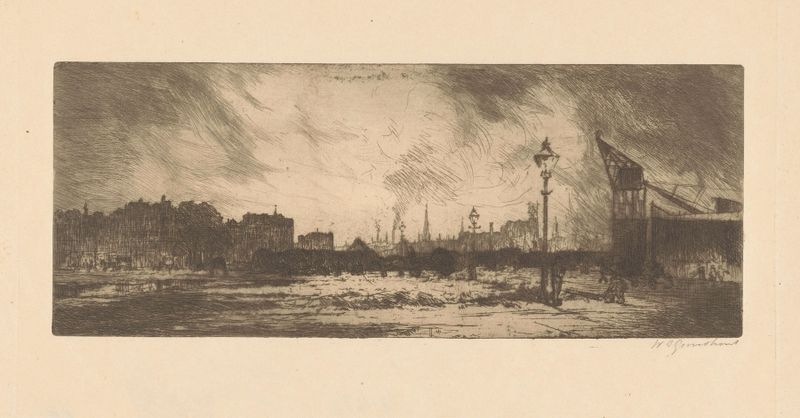
Havenkade met lantaarnpalen in Rotterdam
Willem Adrianus Grondhout
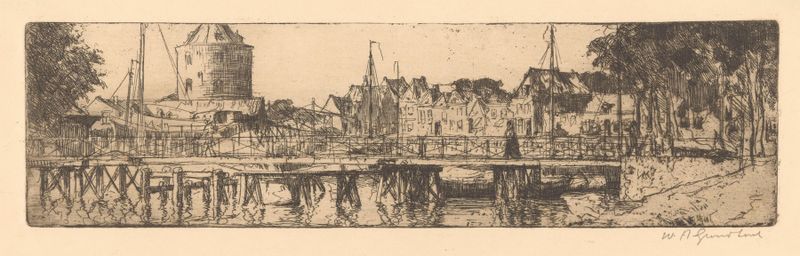
Enkhuizen
Willem Adrianus Grondhout
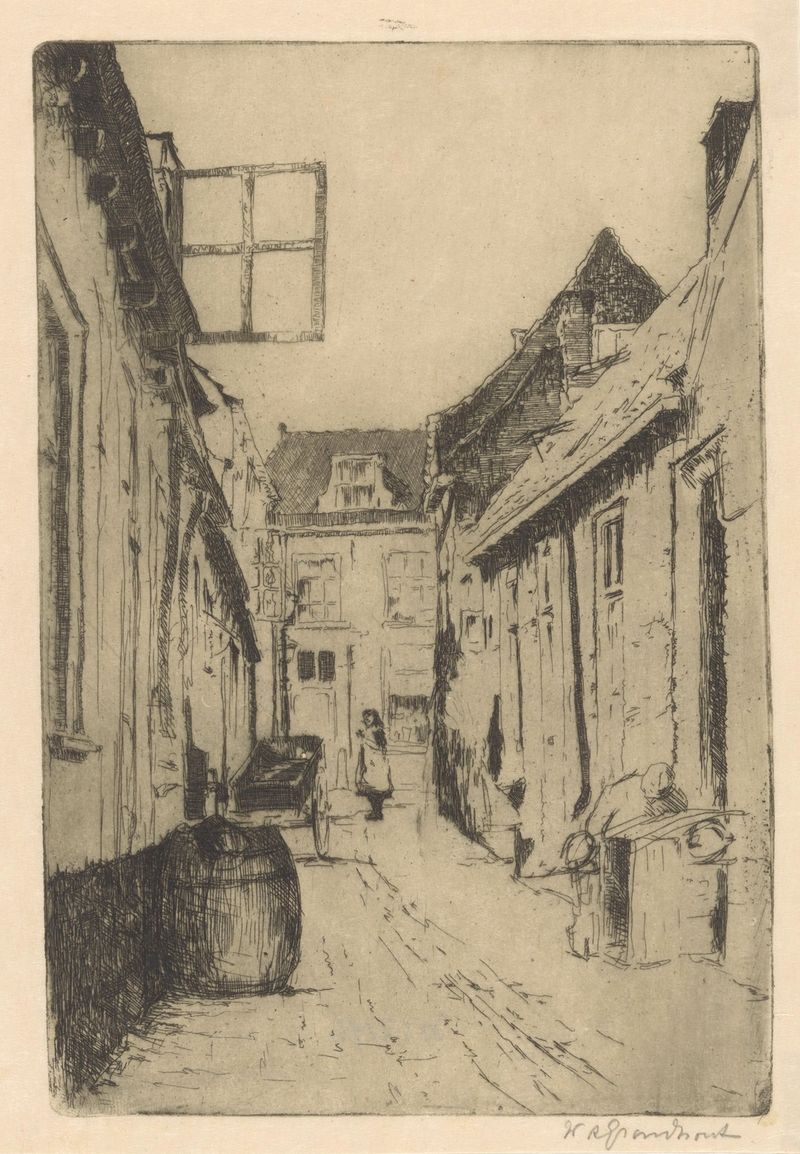
Straatje in Voorburg.
Willem Adrianus Grondhout
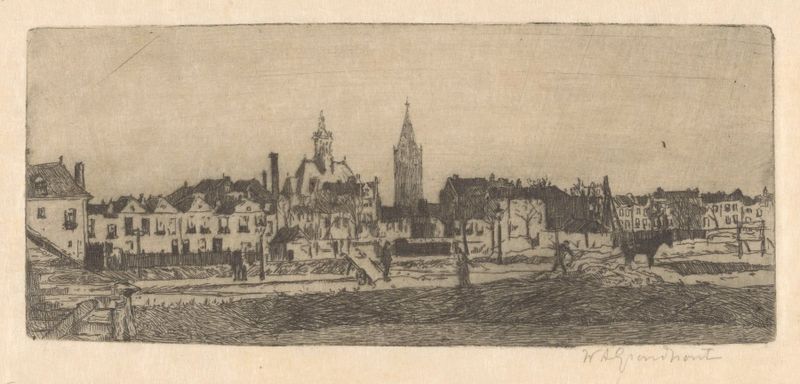
Delft
Willem Adrianus Grondhout





