
Verona — History & Facts
What if silence could speak through light? In Verona, the interplay of shadow and illumination captures a moment fraught with unspoken tension and potential violence, inviting the viewer to explore the complexity of emotion behind stillness. Focus on the somber hues that dominate the canvas, where muted browns and soft grays meld with hints of pale yellow. The eye is immediately drawn to the stark contrast between the illuminated figures and the enveloping darkness. Notice how the light falls upon a solitary figure standing at the edge, casting a long shadow that stretches ominously across the scene, a mere whisper of the surrounding chaos hidden beneath the surface.
The composition teeters on the edge of calm and turmoil, suggesting a narrative that lingers just out of reach. The starkness of the figures reveals a profound emotional tension; their posture hints at a looming confrontation, while their expressions remain unreadable, suggesting the weight of unspoken thoughts. The surrounding darkness not only amplifies the light but also serves as a reminder of the potential violence that resides just beyond perception. This stark juxtaposition between light and shadow evokes feelings of uncertainty and anticipation, engaging the viewer in a silent dialogue about the nature of conflict. Willem Adrianus Grondhout created Verona in 1932, a time marked by social upheaval and artistic experimentation in Europe.
Living in the Netherlands, Grondhout was influenced by the tensions of the interwar period, which informed his exploration of light and shadow as metaphors for human emotion. His approach reflects the broader movements in art at the time, where the psychological depth of a scene often surpassed mere representation, seeking to evoke the raw essence of the human experience.
More Artworks by Willem Adrianus Grondhout
Browse all →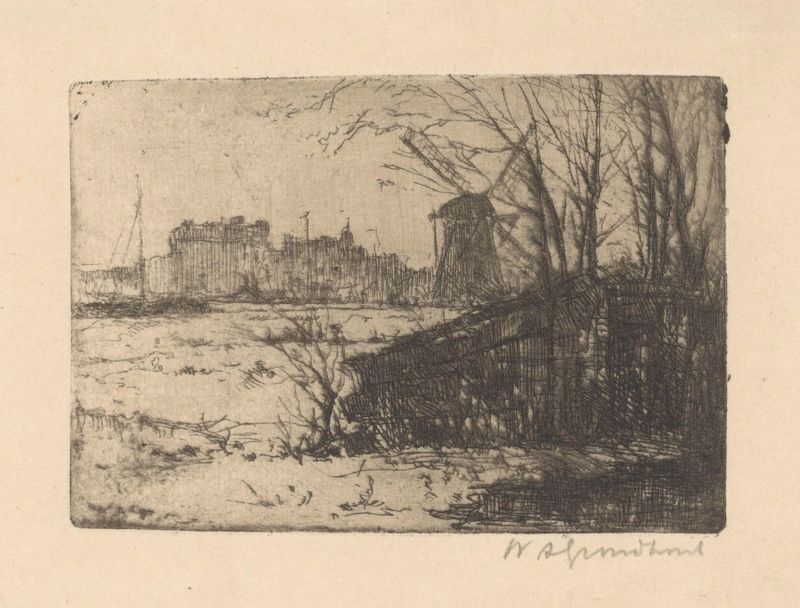
Landschap met molen in de Binckhorst in Den Haag
Willem Adrianus Grondhout
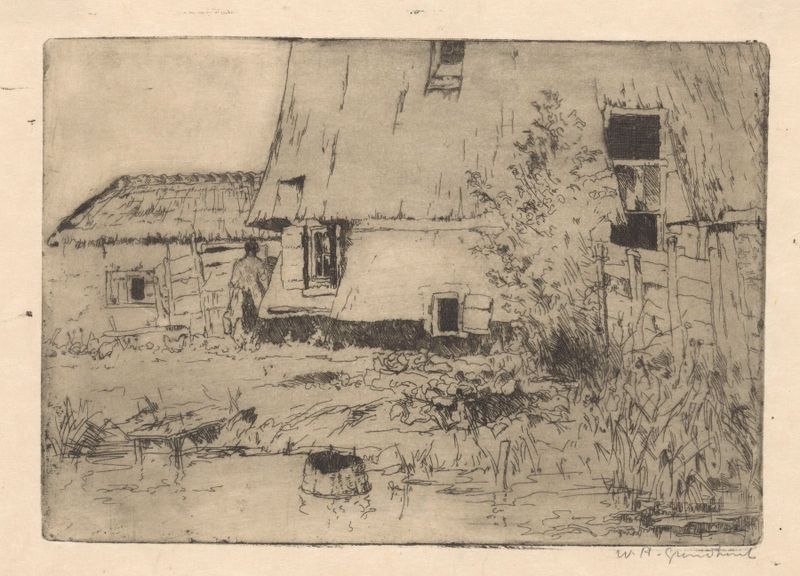
Voet van een molen in Voorburg
Willem Adrianus Grondhout
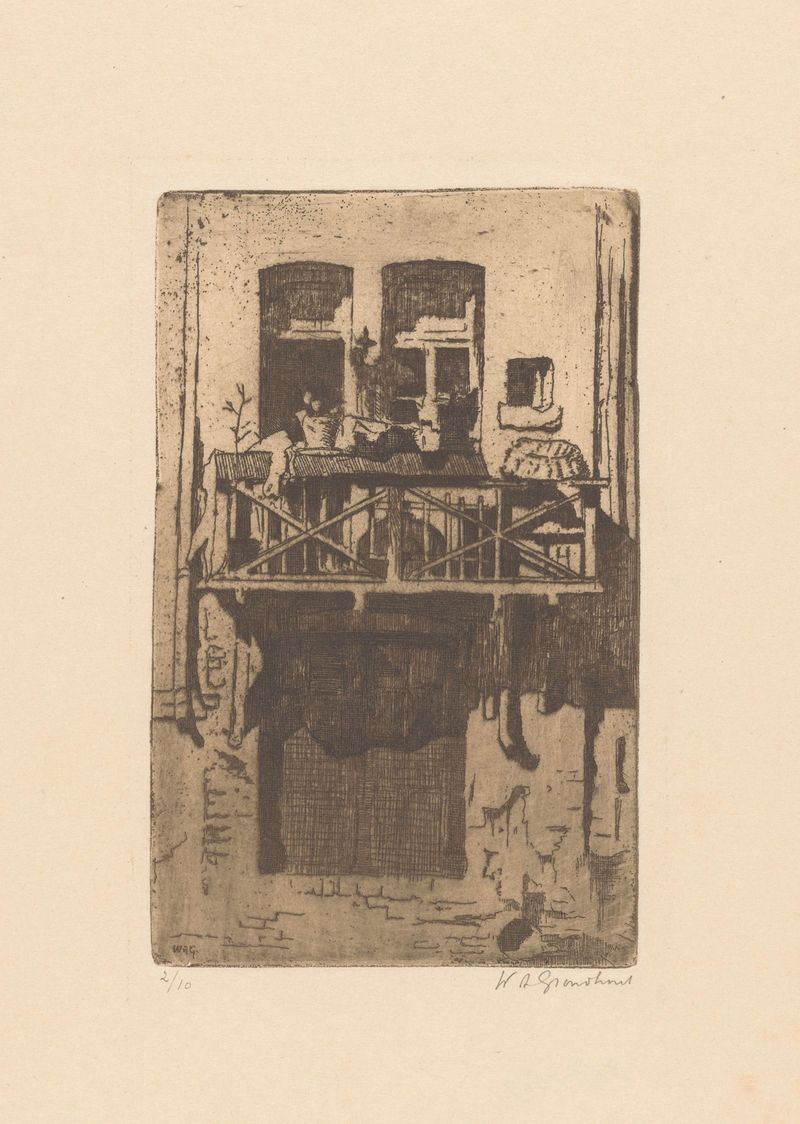
Balkon van een huis aan de Oudezijds Kolk in Amsterdam
Willem Adrianus Grondhout
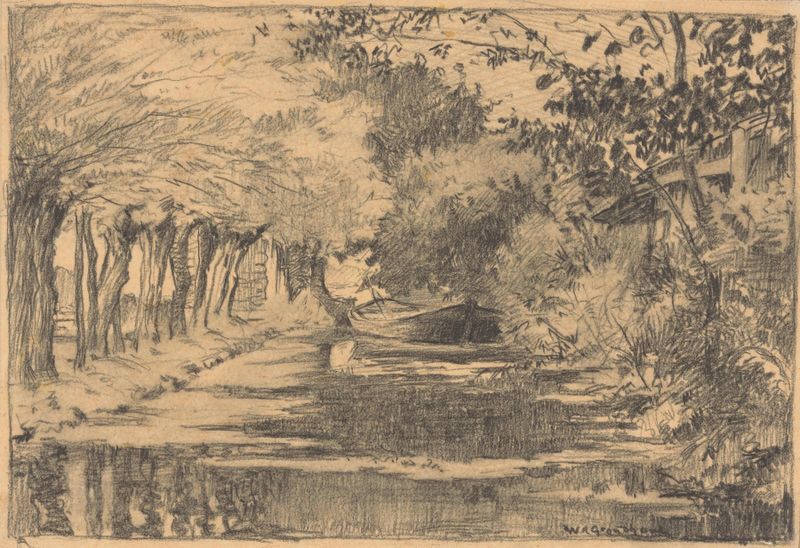
Broeksloot bij Voorburg
Willem Adrianus Grondhout
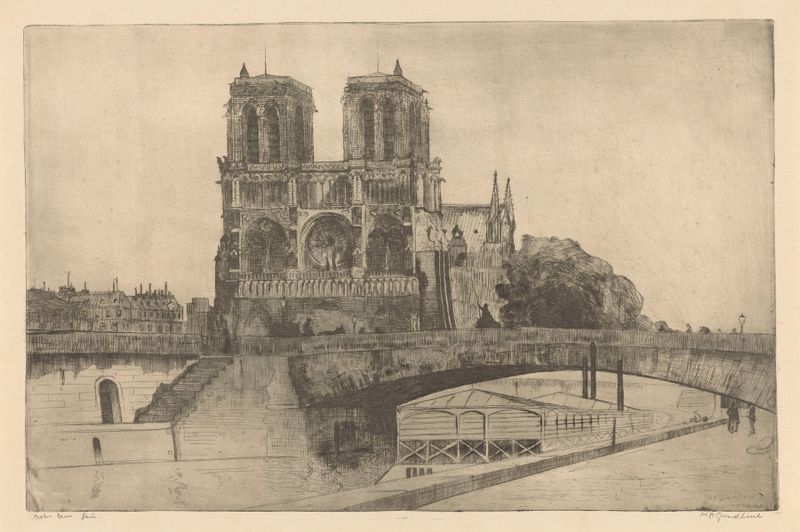
Notre-Dame, Paris
Willem Adrianus Grondhout
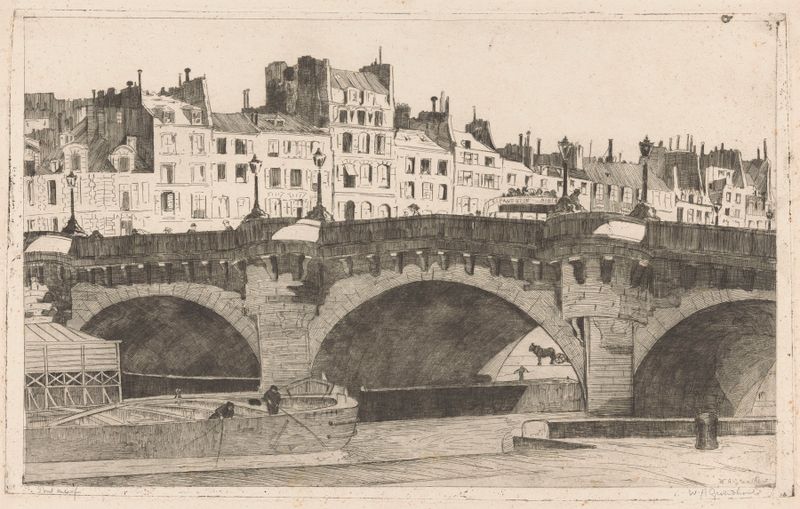
Pont Neuf
Willem Adrianus Grondhout
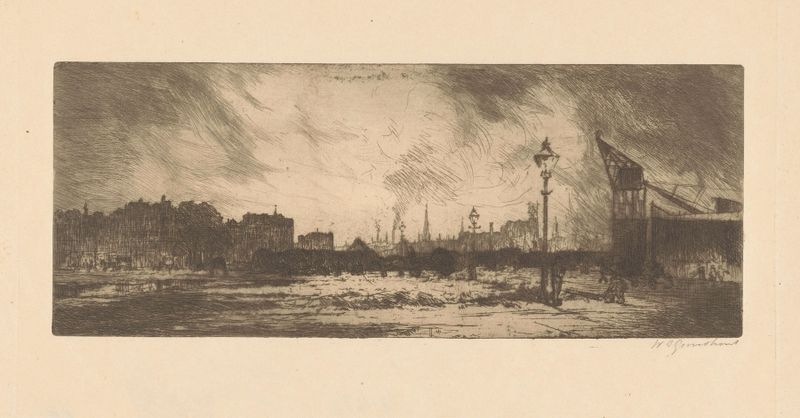
Havenkade met lantaarnpalen in Rotterdam
Willem Adrianus Grondhout
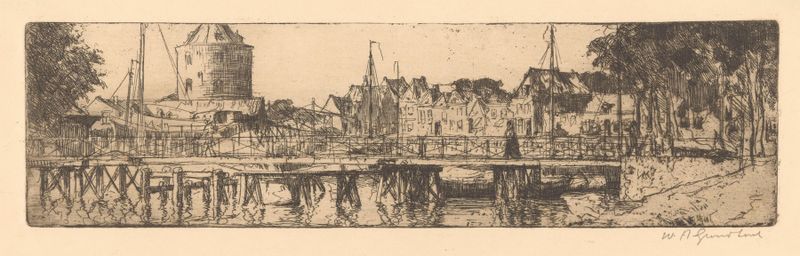
Enkhuizen
Willem Adrianus Grondhout
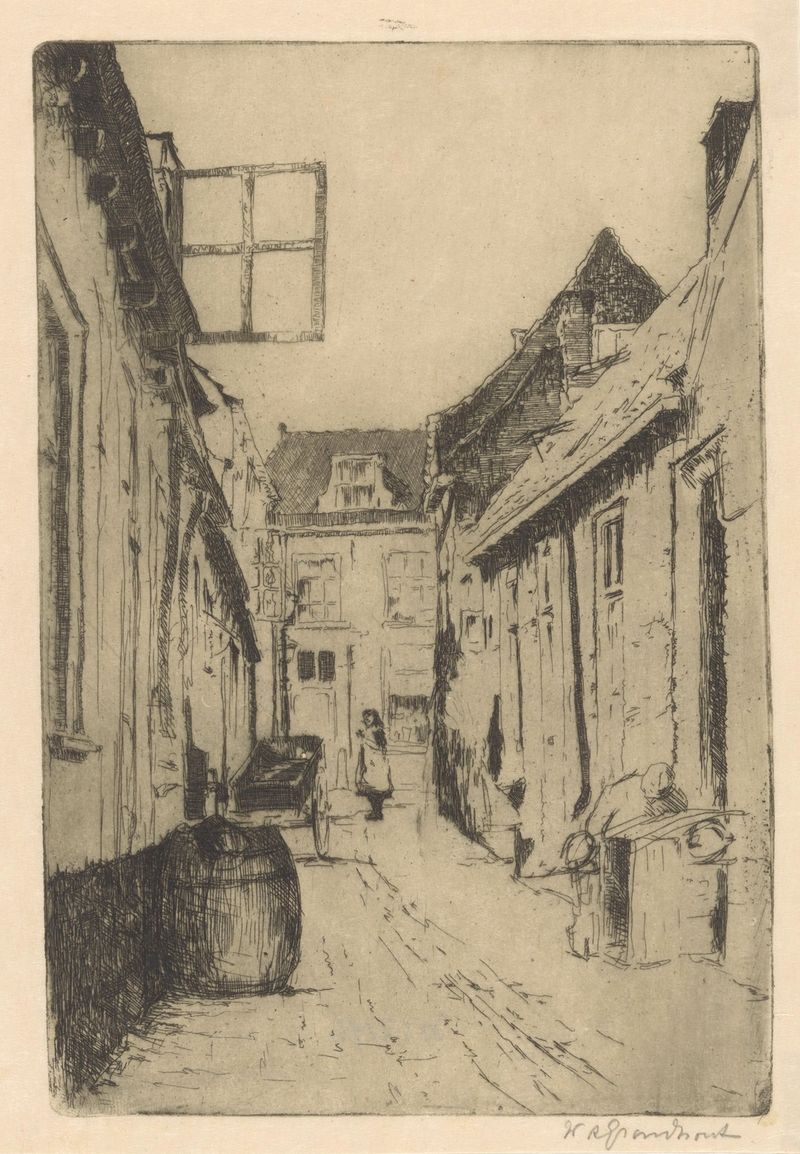
Straatje in Voorburg.
Willem Adrianus Grondhout
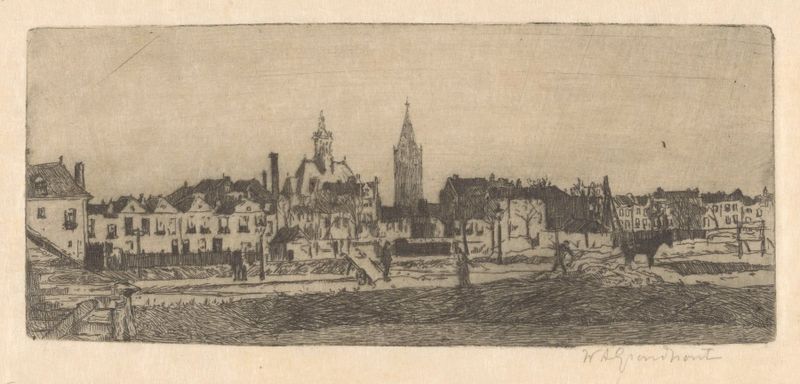
Delft
Willem Adrianus Grondhout





