
Versailles — History & Facts
In Versailles, the heart of the canvas beats with a vibrant celebration of life, where the mundane transcends into the extraordinary. The essence of joy and connection is captured in a moment that invites reflection on beauty and existence. Look to the center of the painting, where elegantly dressed figures engage in delightful conversation amidst the lush greenery. Notice how the light dances upon their garments, highlighting the delicate interplay of color.
The soft pastels create a dreamlike atmosphere, while Renoir’s fluid brushwork invites the viewer to step closer, almost hearing the laughter and whispers of those gathered. Every detail—from the shimmering leaves overhead to the textures of their clothing—pulls one deeper into this enchanting world. As you linger on the vibrant interactions, consider the contrast between the bustling life depicted and the serene backdrop of nature. The figures, lost in their revelry, represent a fleeting moment of happiness against the eternal beauty of Versailles itself.
There is a delicate tension between the ephemeral and the timeless, evoking a sense of nostalgia for the joyous yet transient experiences of life. In the early 1900s, Renoir was immersed in the Impressionist movement, striving to capture everyday moments infused with emotion. Painted during his years in Paris, Versailles reflects both a personal quest for artistic expression and a broader cultural appreciation for leisure and beauty in a rapidly changing world. This piece, rich with life and vibrancy, stands as a testament to the artist's enduring legacy.
More Artworks by Pierre-Auguste Renoir
Browse all →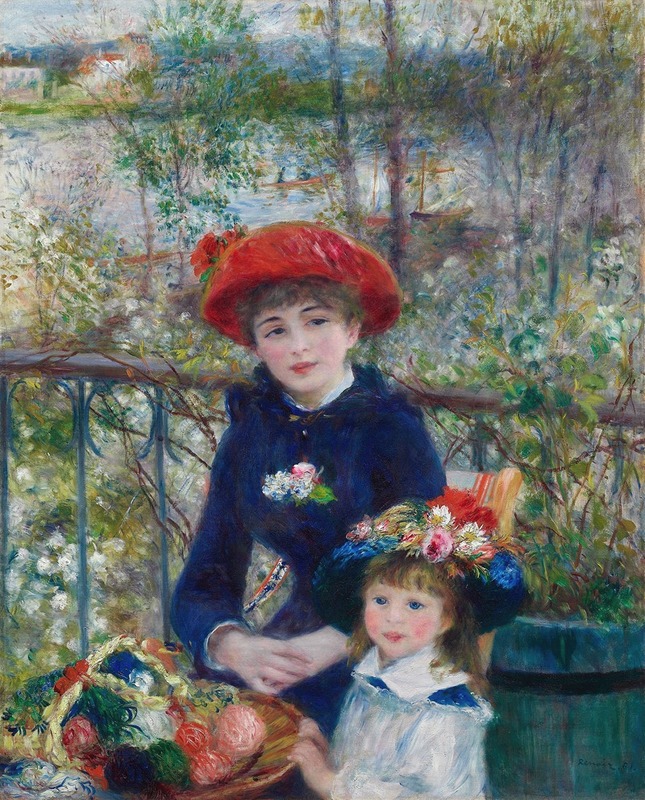
Two Sisters (On the Terrace)
Pierre-Auguste Renoir
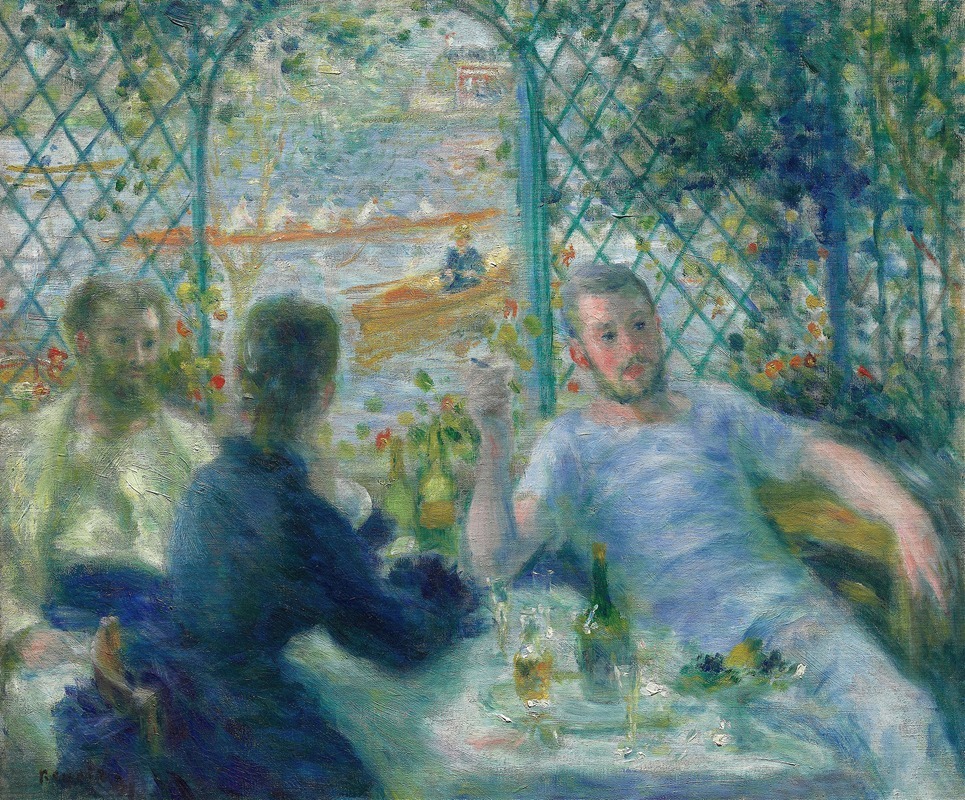
Lunch at the Restaurant Fournaise (The Rowers' Lunch)
Pierre-Auguste Renoir
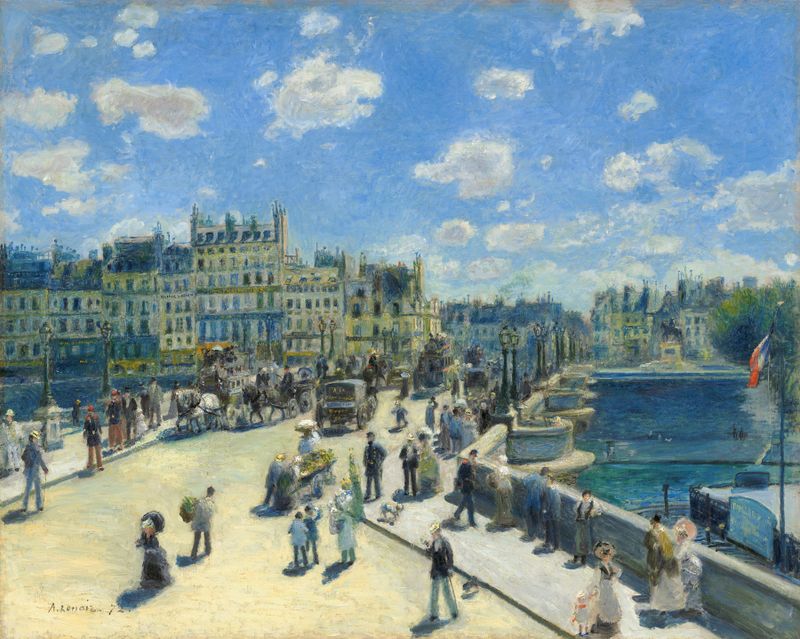
Pont Neuf, Paris
Pierre-Auguste Renoir
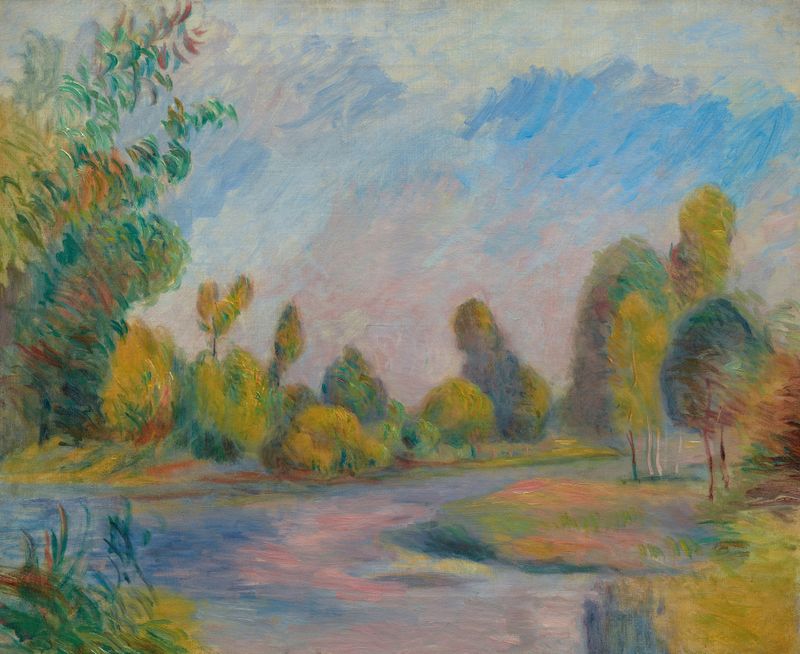
Au bord de la rivière
Pierre-Auguste Renoir

Near the Lake
Pierre-Auguste Renoir
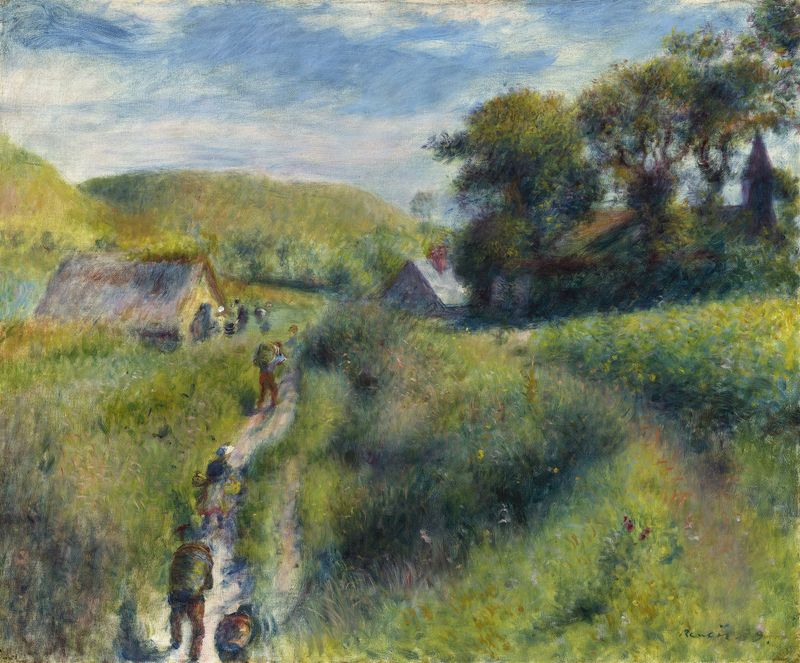
The Mussel Harvest
Pierre-Auguste Renoir

The Seine at Chatou
Pierre-Auguste Renoir
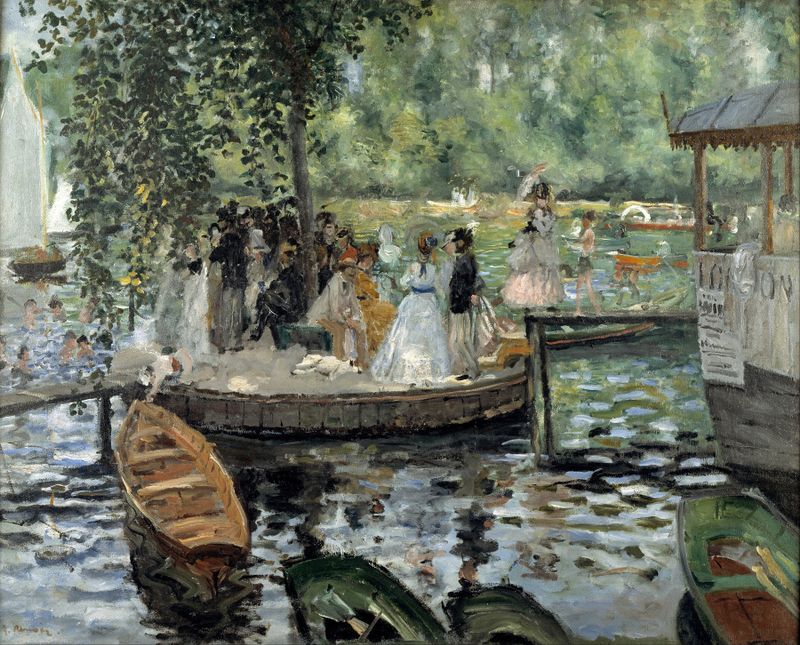
La Grenouillère
Pierre-Auguste Renoir
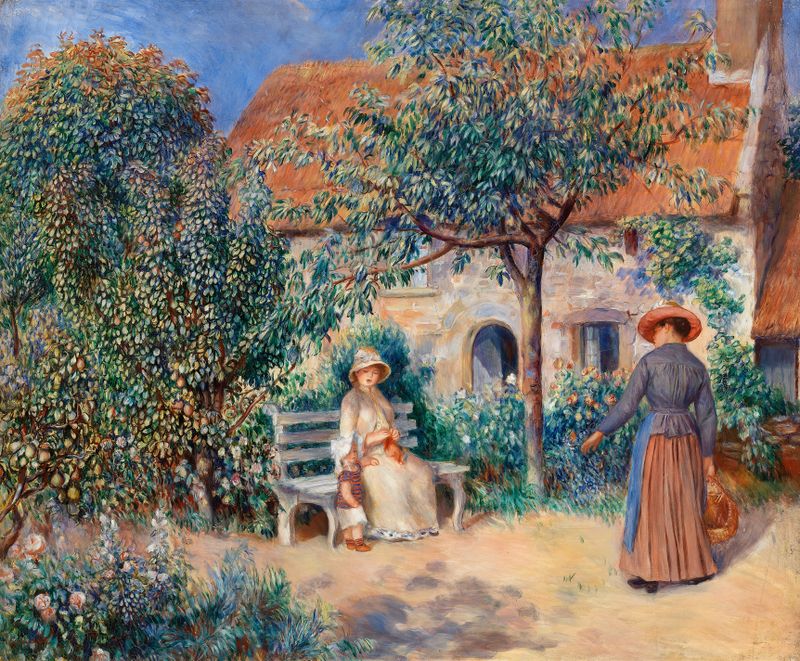
In Brittany (En Bretagne)
Pierre-Auguste Renoir
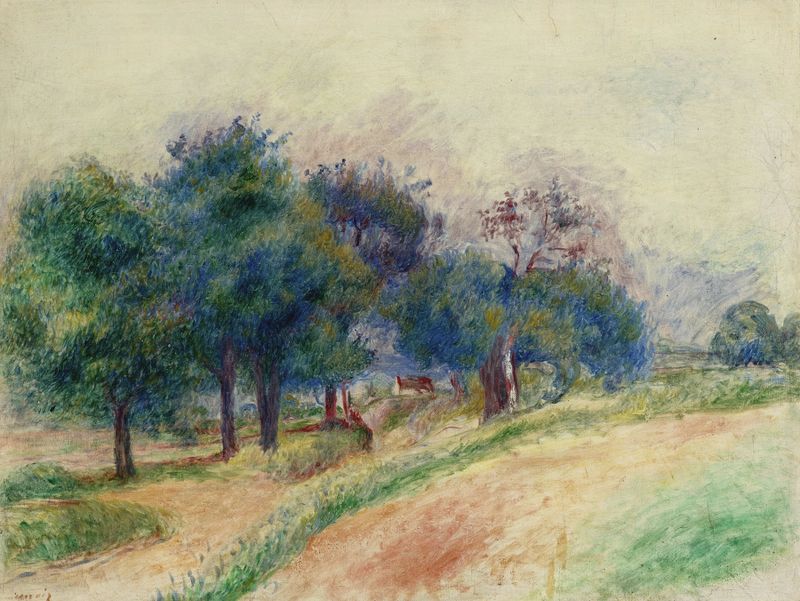
Paysage d’Essoyes
Pierre-Auguste Renoir





