
Verzoeking van Antonius met aanval door demonen — History & Facts
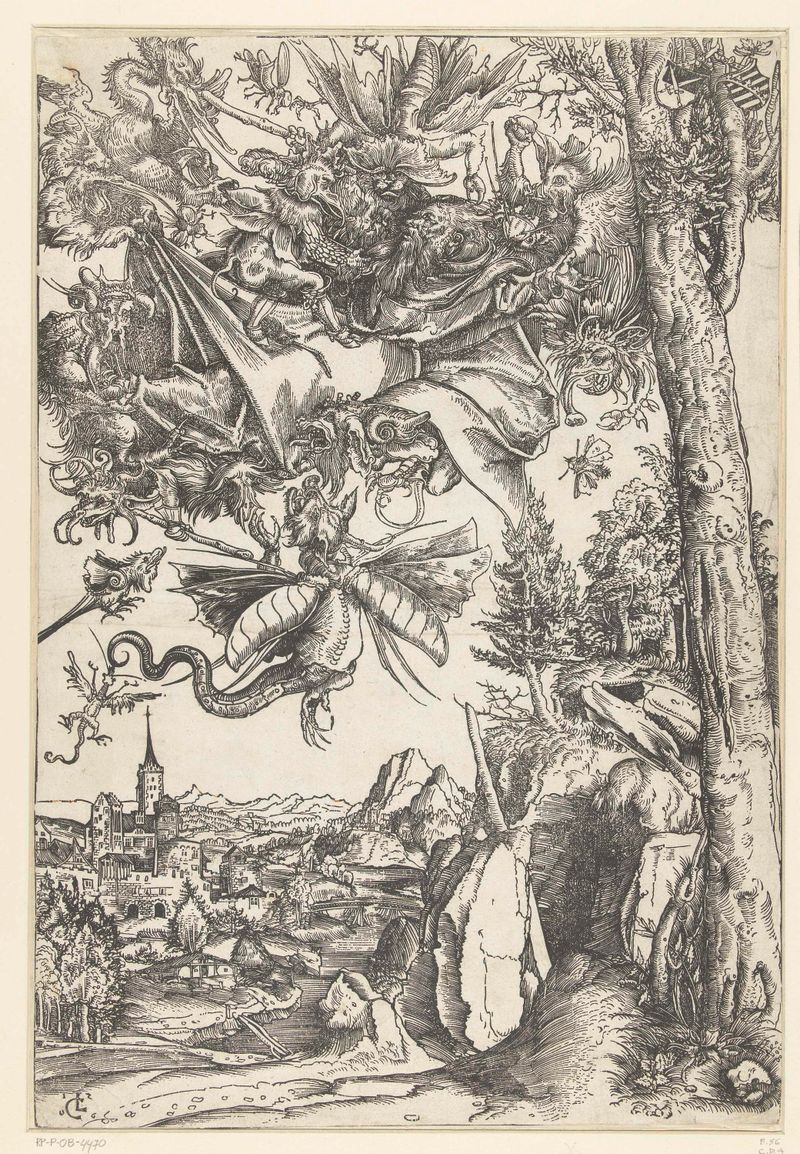
Could beauty survive in a century of chaos? The artwork invites the viewer to look at the rich palette of reds, greens, and golds that dominate the canvas. Focus on the sumptuous robes draped over the figure of Saint Anthony, their intricate patterns contrasting sharply with the dark, shadowy forms of the demons that loom about him. Notice how the light envelops the saint, illuminating his serene visage, as if to shield him from the madness that surrounds.
This careful play of color and light not only draws the eye but also creates a palpable tension between the divine and the demonic. Within this vivid tableau, the battle between temptation and faith unfolds. The grotesque figures of the demons, with their contorted bodies and exaggerated features, represent chaos and moral decay. In contrast, Anthony’s steady gaze and composed posture convey resilience and purity.
This juxtaposition speaks to a deeper truth: amid overwhelming darkness, the spirit of beauty and virtue can still shine through. The vibrant color choices further emphasize this struggle, suggesting that even in chaotic times, the ideals of faith and beauty endure. In 1506, Lucas Cranach (I) was navigating the shifting tides of the German Renaissance, a period marked by both artistic innovation and social upheaval. As he painted this work, he was establishing himself as a leading figure in the region, celebrated for his ability to blend religious themes with a distinctive aesthetic style.
The Reformation’s early ripples were already beginning to challenge the boundaries of art and faith, prompting Cranach to explore the tension between spirituality and the human experience more profoundly.
More Artworks by Lucas Cranach (I)
Browse all →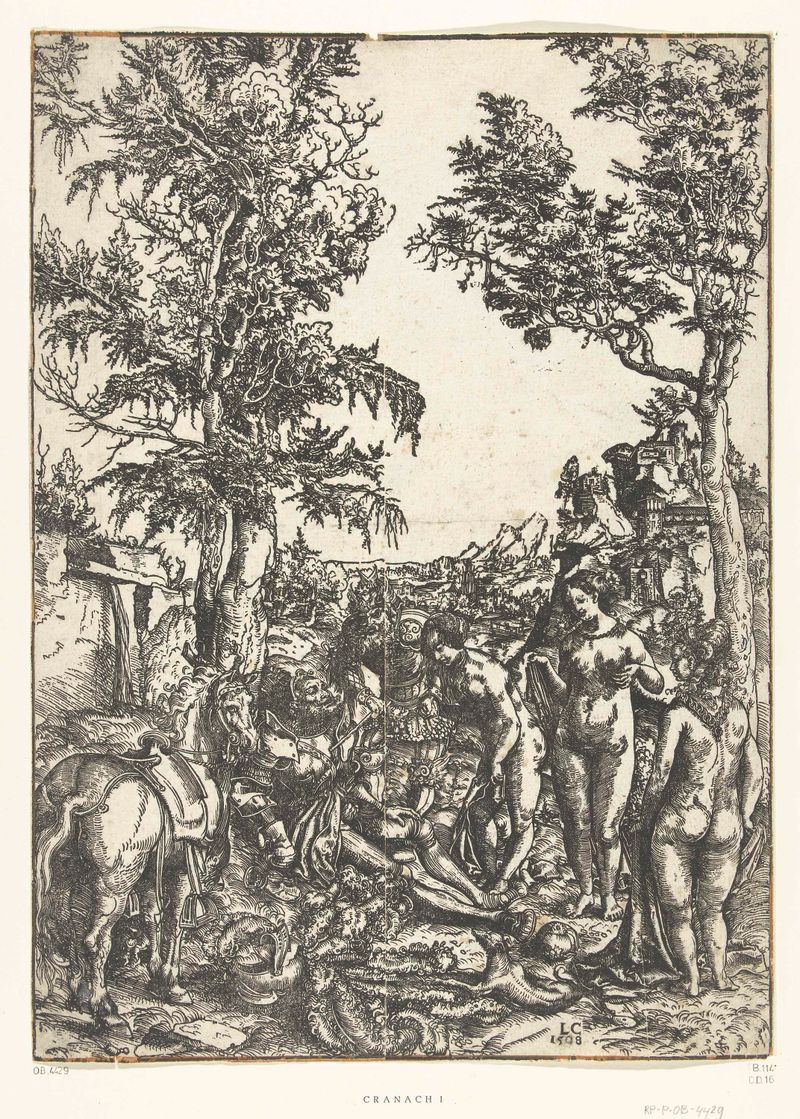
Oordeel van Paris
Lucas Cranach (I)
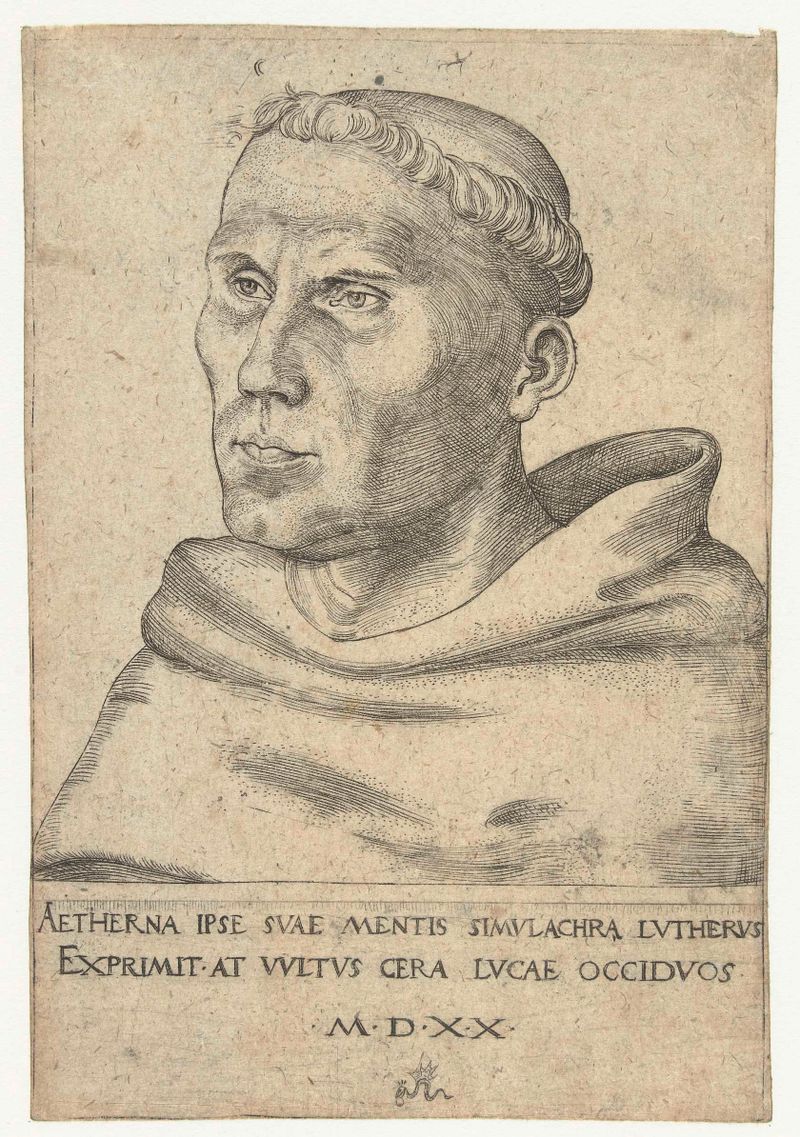
Portret van Martin Luther als Augustijner monnik
Lucas Cranach (I)
Verzoeking van Antonius met aanval door demonen
Lucas Cranach (I)

Christus en de Samaritaanse vrouw
Lucas Cranach (I)

Duits toernooi met twee edelmannen als ridders te paard
Lucas Cranach (I)
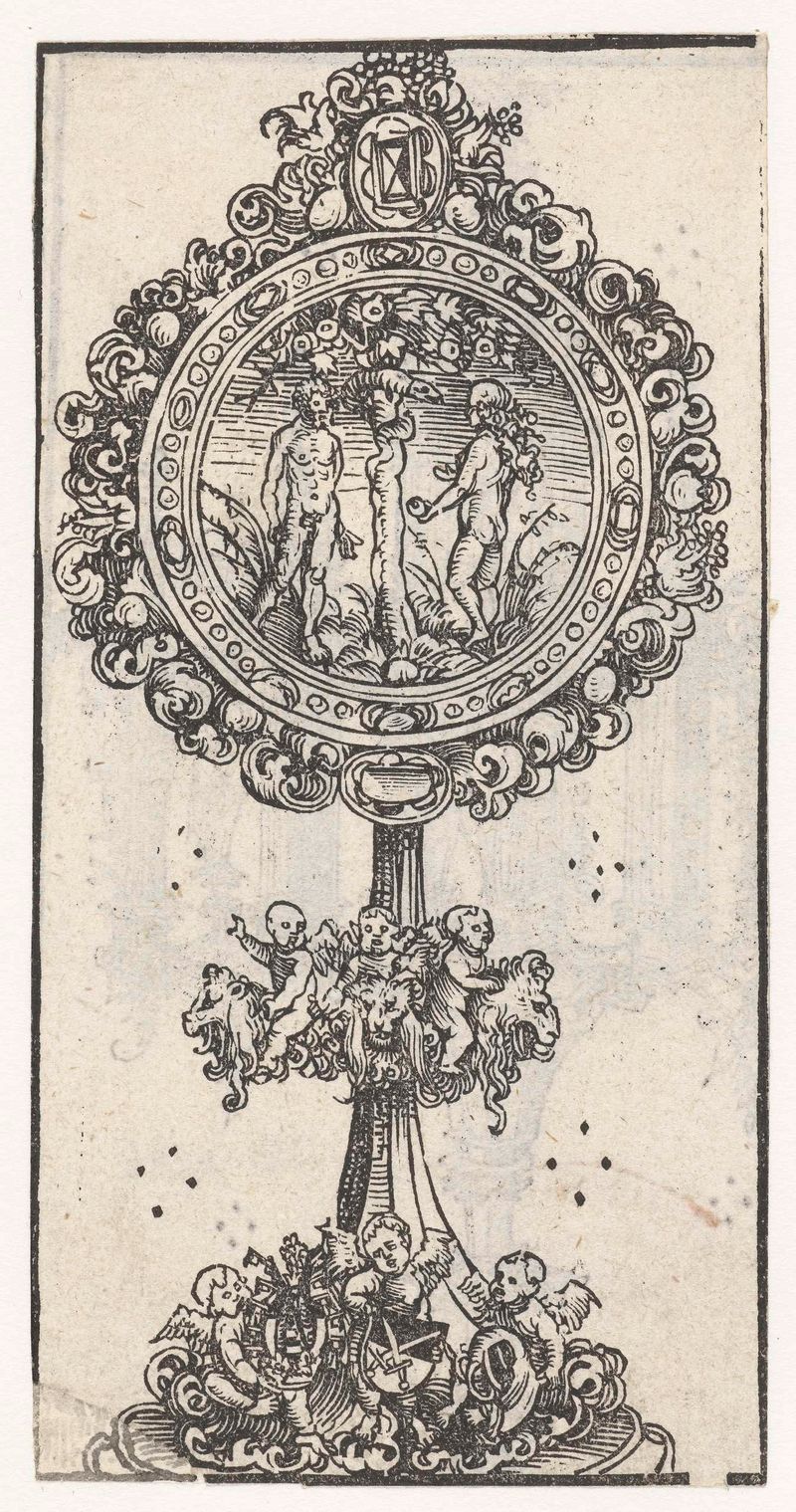
Reliekhouder met de verzoeking van Adam en Eva
Lucas Cranach (I)

Intocht van Christus in Jerusalem
Lucas Cranach (I)
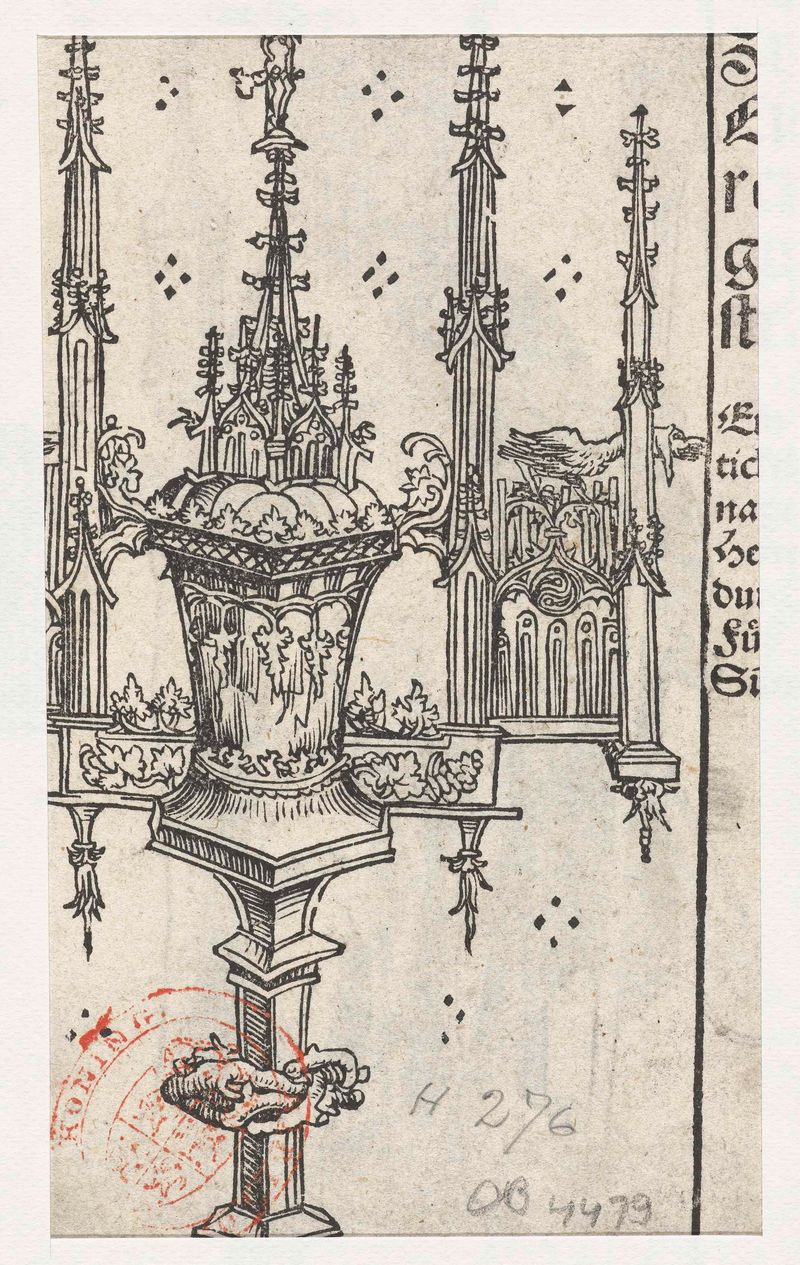
Monstrans met vogel (pelikaan)
Lucas Cranach (I)
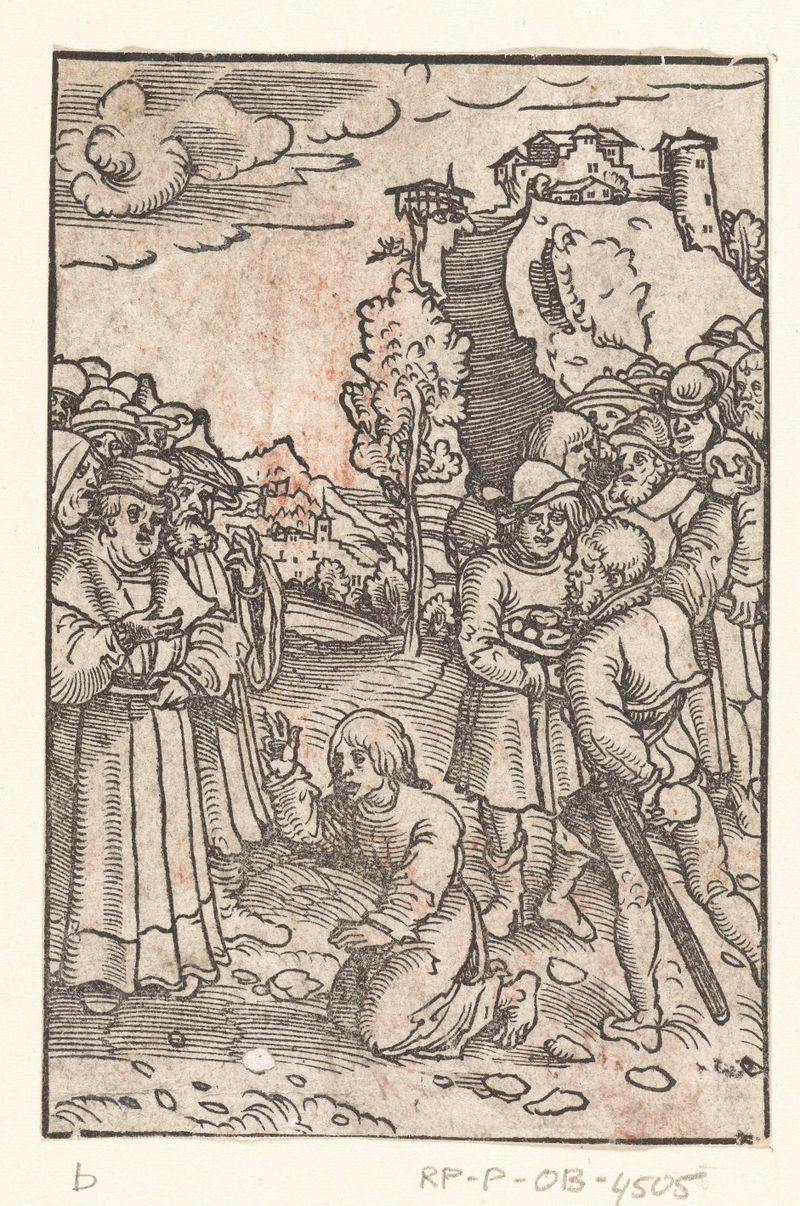
Steniging van Stefanus
Lucas Cranach (I)
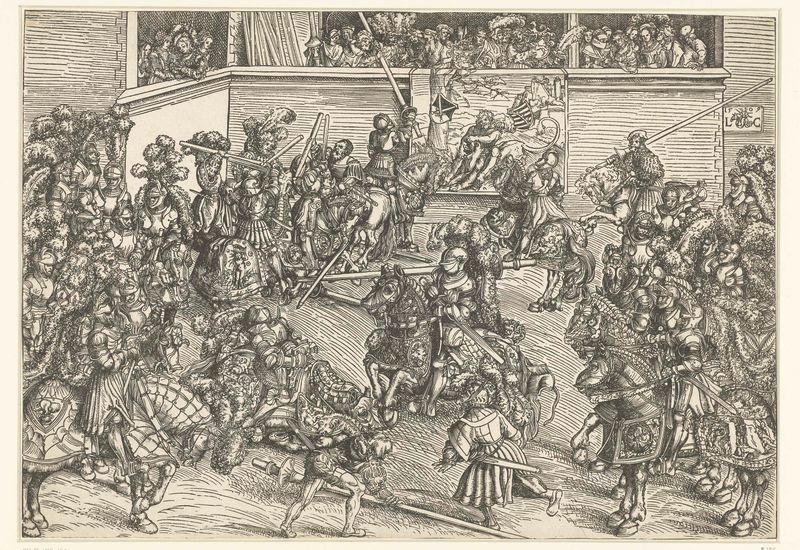
Toernooi van het keurvorstelijk hof van Saksen met wandtapijt Simson doodt de leeuw
Lucas Cranach (I)
More Religious Art
Browse all →
The Return of the Prodigal Son
Rembrandt van Rijn

The Garden of Earthly Delights
El Bosco

Count Orgaz’ funeral
El Greco

The Hundred Guilder Print: the central piece with Christ preaching, the plate arched
Rembrandt van Rijn

The Descent from the Cross
Rogier van der Weyden

The return of the prodigal son
Rembrandt van Rijn