
Verzoeking van Christus door de duivel — History & Facts
In the stillness of Verzoeking van Christus door de duivel, tension hums beneath the surface, capturing a moment of profound internal conflict as the divine meets the infernal. The artwork beckons us to confront the nature of temptation and the revolutionary forces that churn within the heart and mind. Look to the left at the figure of Christ, his serene countenance juxtaposed against the sinister form of the devil looming beside him. Notice how the artist employs a muted palette, with shades of deep blues and earthy tones that invoke a stark contrast between light and darkness, suggesting the duality of good and evil.
The delicate lines and meticulous detailing of the characters draw the viewer’s eye, inviting contemplation of the intense interplay between their expressions and postures. Hidden meanings ripple through the imagery, where the devil’s sly grin and outstretched hand imply a seductive allure, challenging the viewer to ponder the nature of temptation. The subtle tension in their gaze signifies more than a mere confrontation; it speaks to the personal revolutions we all face when confronted with moral dilemmas. The meticulously rendered background serves as a reminder of the world outside this fateful encounter, hinting at the societal upheavals of the time that echoed the conflict depicted. Georg Pencz created this work between 1534 and 1535 during a period marked by the Reformation in Europe, when questions of faith and authority were fervently debated.
Active in Nuremberg, he was influenced by the broader artistic movements of the time that sought to reconcile human emotion with religious themes. This painting reflects not only personal temptation but also the revolutionary spirit of an era in flux, where the clash of old beliefs and new ideas simmered just beneath the surface.
More Artworks by Georg Pencz
Browse all →
Parabel van de zaaier
Georg Pencz

Parabel van de arbeiders in de wijngaard
Georg Pencz
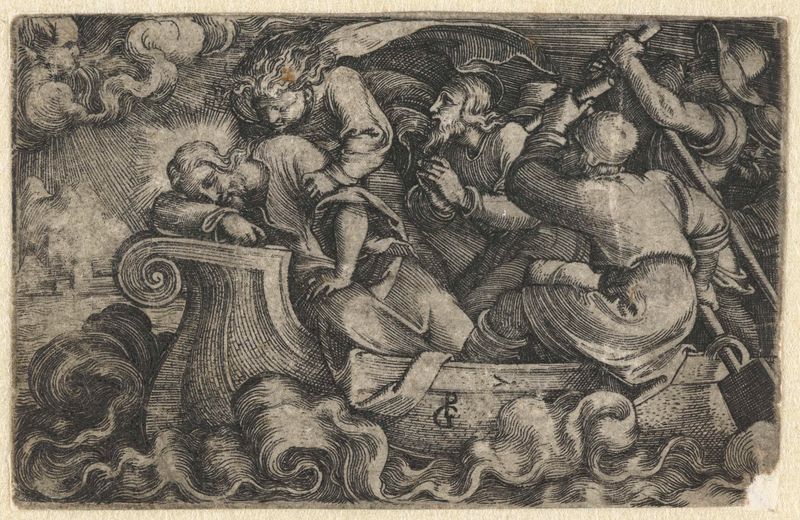
Discipelen wekken slapende Christus tijdens storm op Meer van Galilea
Georg Pencz

Afgunst (Invidia)
Georg Pencz
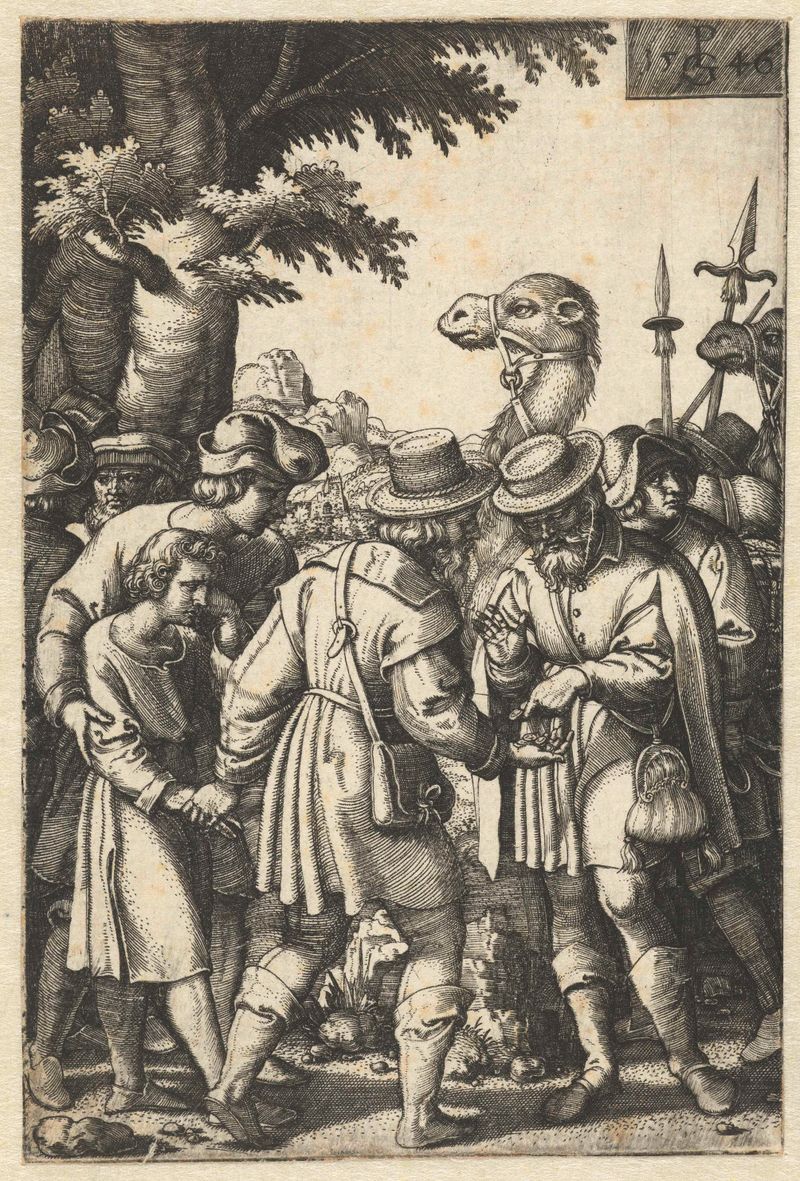
Jozef wordt verkocht aan kooplieden op weg naar Egypte
Georg Pencz

Aanbidding der koningen
Georg Pencz
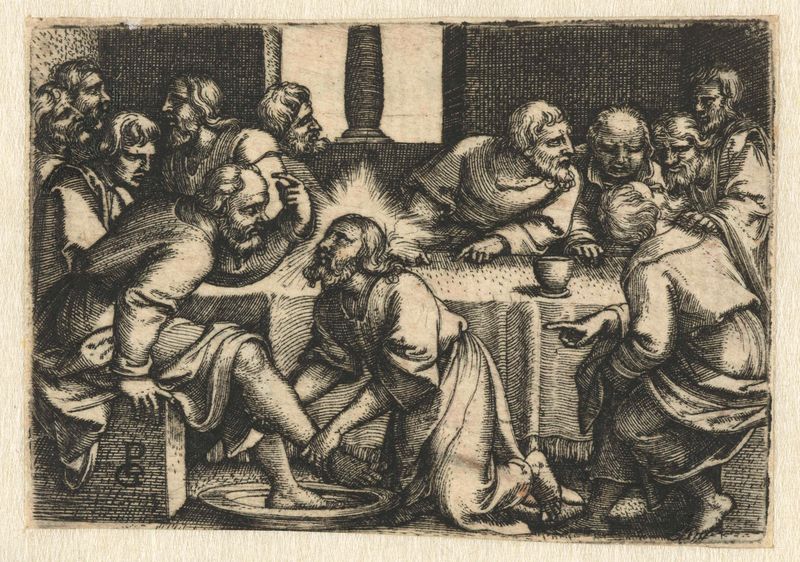
Petrus protesteert als Christus zijn voeten wast
Georg Pencz
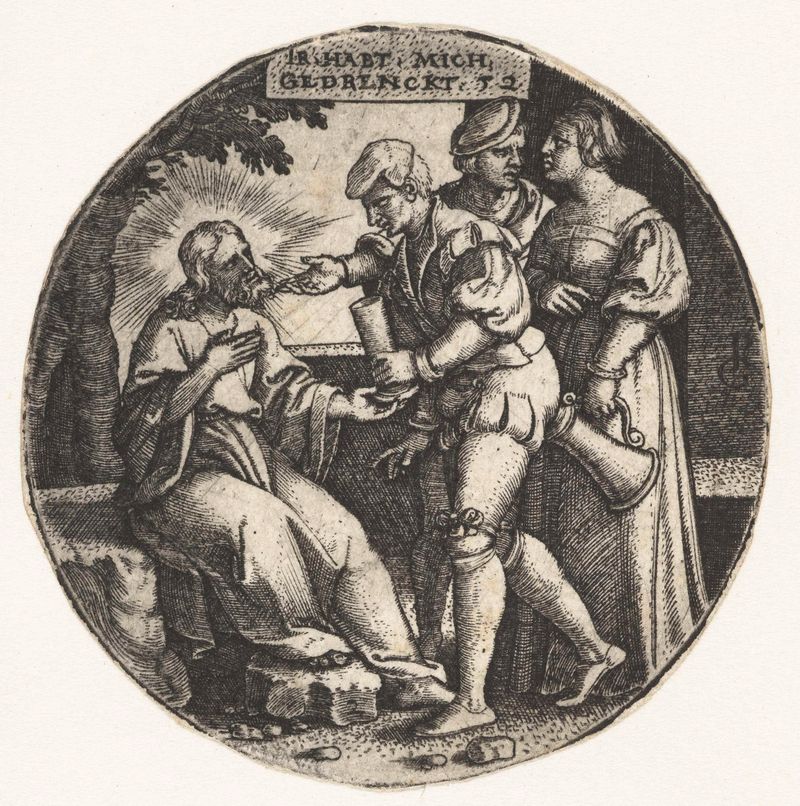
Christus heeft dorst en krijgt drinken aangeboden
Georg Pencz
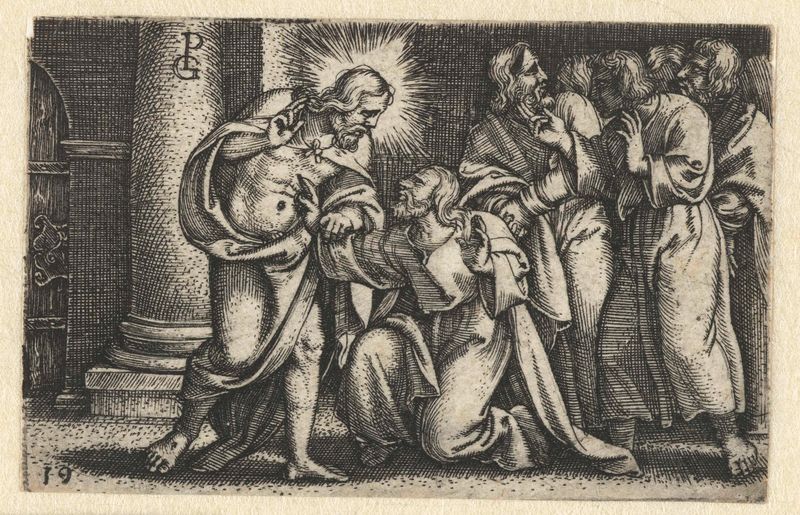
Ongelovige Thomas raakt wonden Christus aan
Georg Pencz

Offer van Abraham van Isaak
Georg Pencz
More Religious Art
Browse all →
The Return of the Prodigal Son
Rembrandt van Rijn

The Garden of Earthly Delights
El Bosco

Count Orgaz’ funeral
El Greco

The Hundred Guilder Print: the central piece with Christ preaching, the plate arched
Rembrandt van Rijn

The Descent from the Cross
Rogier van der Weyden

The return of the prodigal son
Rembrandt van Rijn