
Verzoeking van Christus in de wildernis — History & Facts
In Verzoeking van Christus in de wildernis, the tension between struggle and serenity is captured in a moment of divine balance. Look to the center of the piece where Christ, poised in contemplation, stands surrounded by the vast emptiness of the wilderness. The stark contrast of dark shadows and illuminated areas creates a sense of duality, inviting the viewer to explore both physical and spiritual realms. The delicate lines and intricate detailing of the foliage frame the figure, emphasizing his solitude while also representing the temptations that lurk within the wild.
Hollar’s mastery of etching allows the textures of skin and earth to resonate, drawing the eye to the harmonious interplay of light and darkness. Delve deeper into the image, and you’ll notice the subtle expressions on Christ's face—an embodiment of both resolve and vulnerability. The wild, untamed landscape symbolizes the chaos of temptation, while the calm demeanor of the figure suggests an inner strength, a balance between the two forces. Each element, from the swirling clouds to the distant horizon, reflects the constant struggle between earthly desires and spiritual elevation, inviting contemplation of one's own challenges. Wenceslaus Hollar created this artwork during a time of personal and artistic transition, likely between 1625 and 1664.
Living in the tumultuous landscape of 17th-century Europe, Hollar experienced the impact of the Thirty Years' War and the shifting tides of artistic movements. His dedication to the fine art of etching and the exploration of religious themes reflects the broader cultural dialogues of his time, marking a significant period in his artistic journey.
More Artworks by Wenceslaus Hollar
Browse all →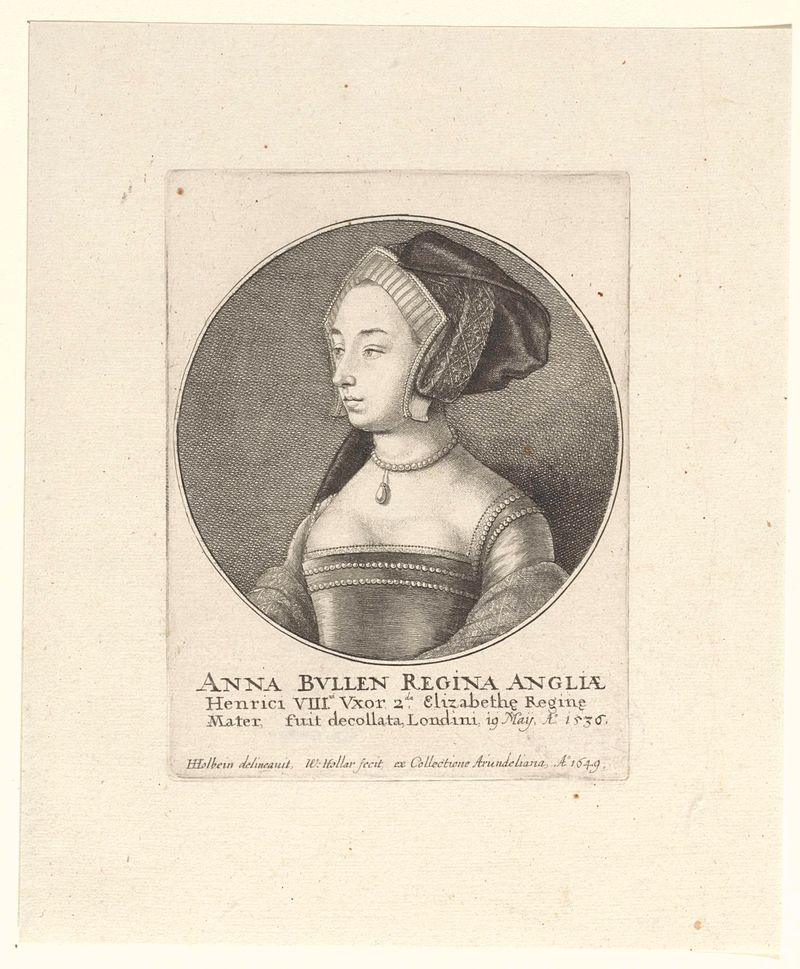
Portret van Anna Boleyn, koningin van Engeland
Wenceslaus Hollar
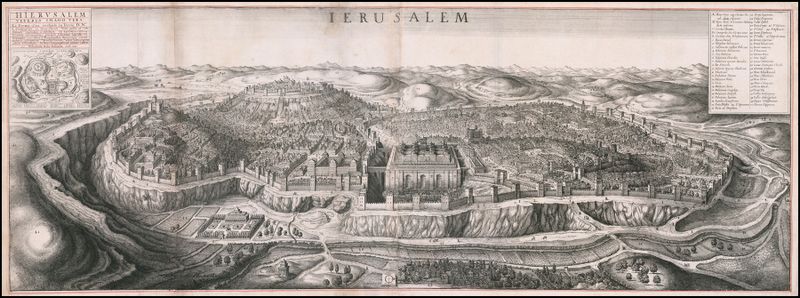
Bird’s eye view of Jerusalem
Wenceslaus Hollar
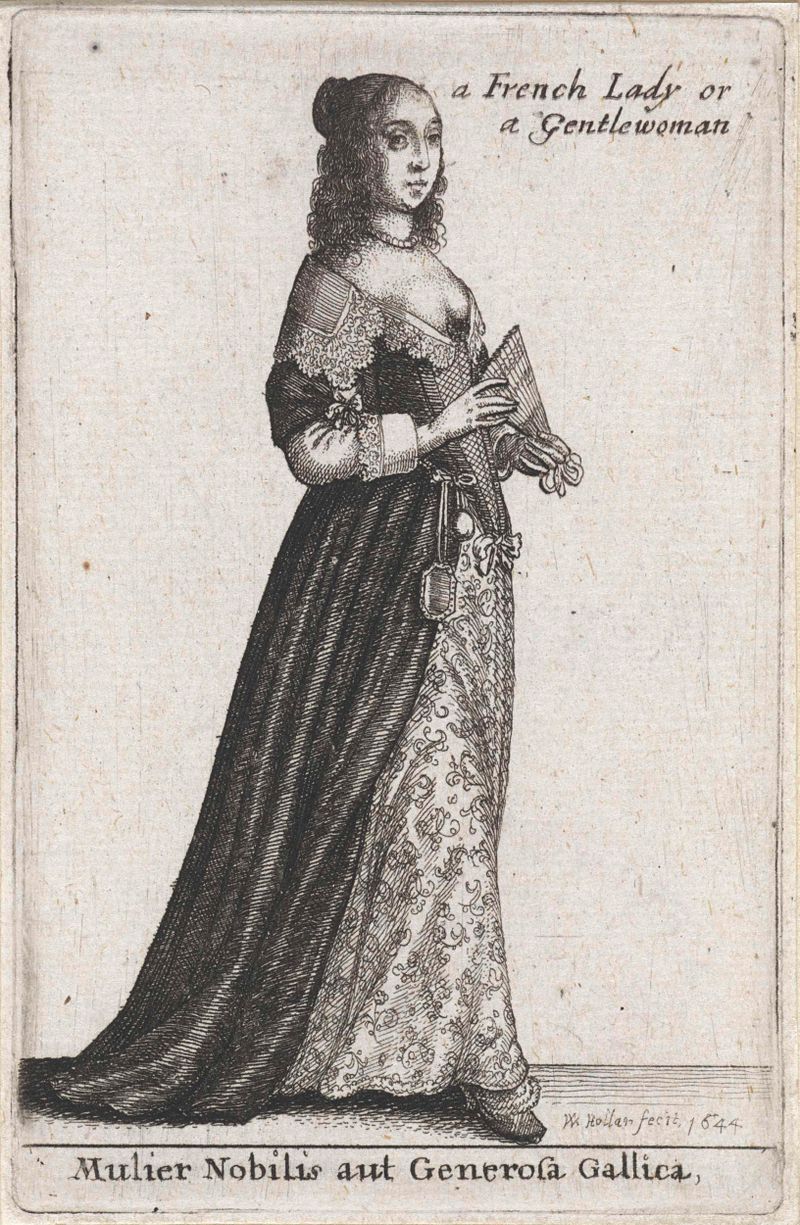
Mulier Nobilis aut Generosa Gallica / a French Lady or Gentlewoman
Wenceslaus Hollar
Titelprent voor: Ornatus Muliebris Anglicanus
Wenceslaus Hollar
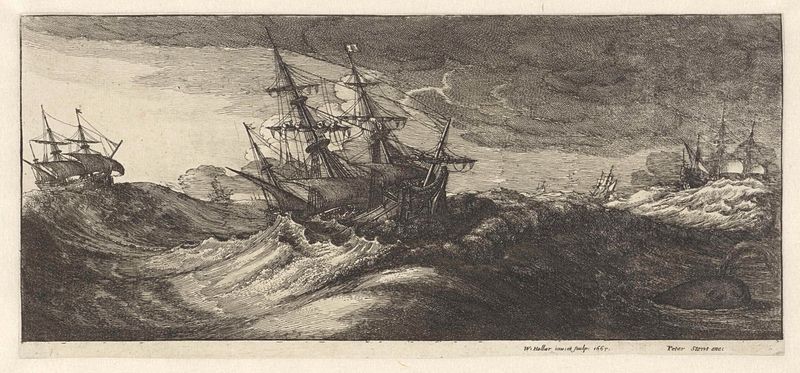
Oorlogsschepen en een walvis in een zeestorm
Wenceslaus Hollar
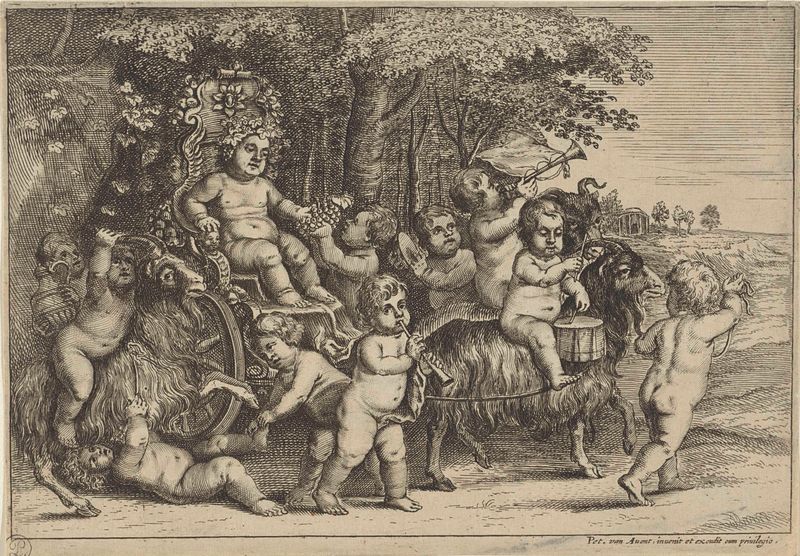
Optocht van bacchant en jongetjes op geiten
Wenceslaus Hollar
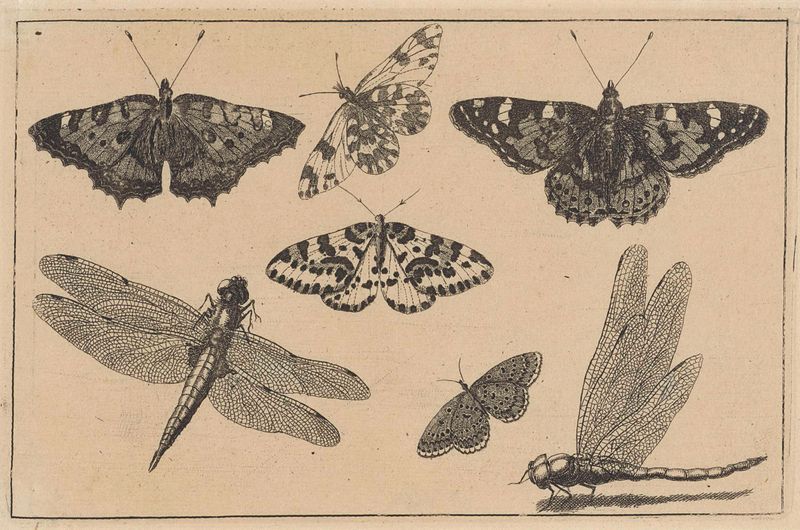
Twee libellen en vijf vlinders
Wenceslaus Hollar
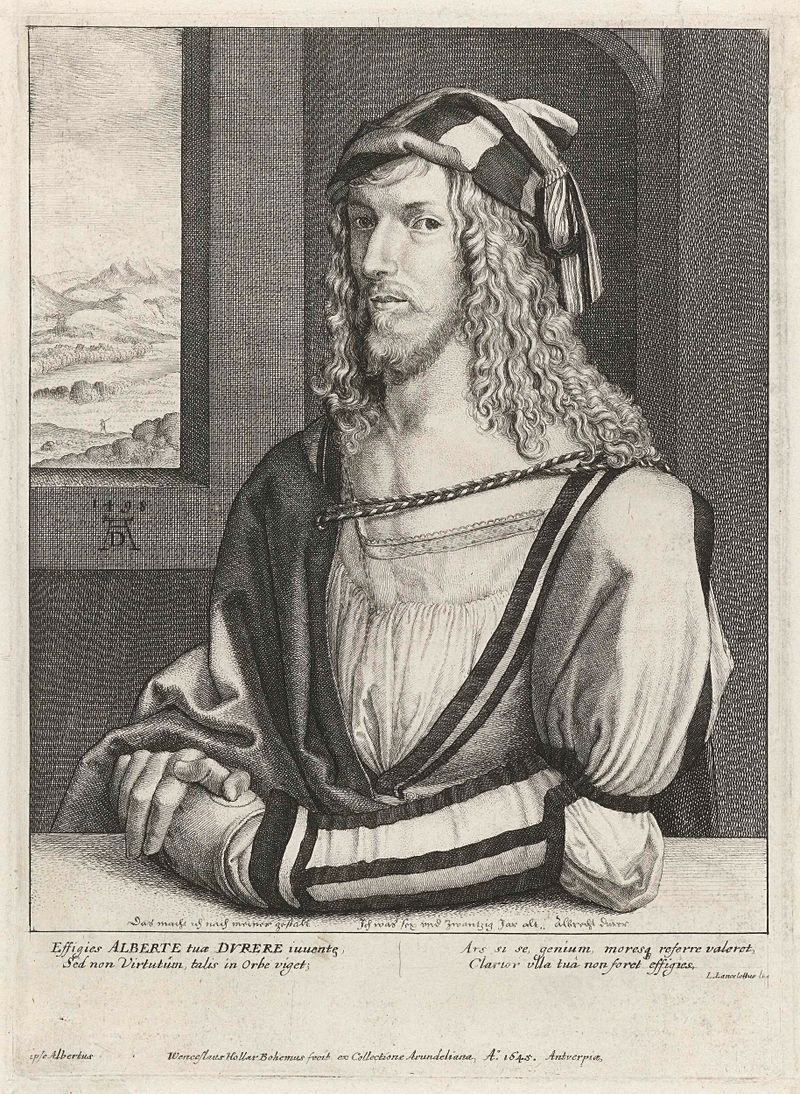
Portret van Albrecht Dürer
Wenceslaus Hollar
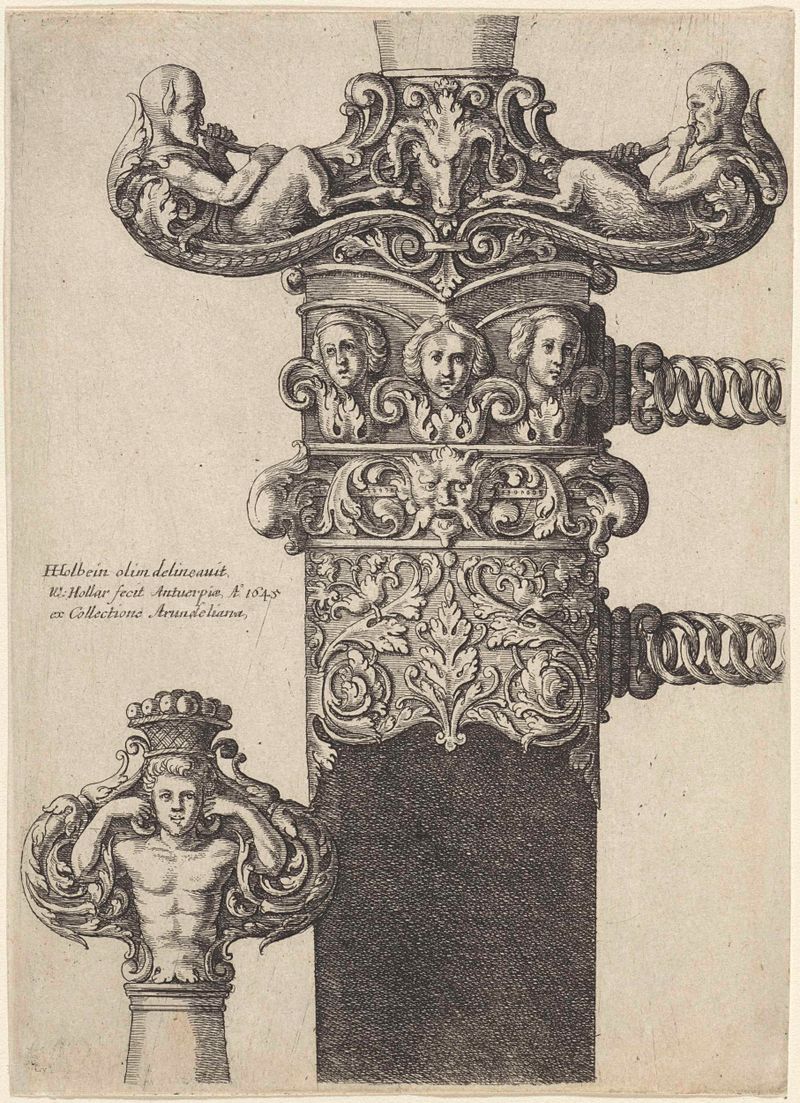
Ornamenteel ontwerp voor een dolk
Wenceslaus Hollar
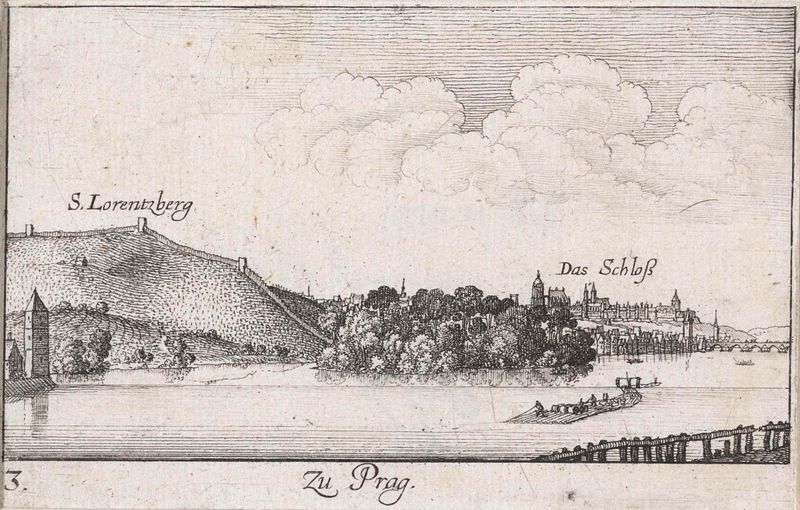
Gezicht op Praag vanaf de Moldau
Wenceslaus Hollar
More Religious Art
Browse all →
The Return of the Prodigal Son
Rembrandt van Rijn

The Garden of Earthly Delights
El Bosco

Count Orgaz’ funeral
El Greco

The Hundred Guilder Print: the central piece with Christ preaching, the plate arched
Rembrandt van Rijn

The Descent from the Cross
Rogier van der Weyden

The return of the prodigal son
Rembrandt van Rijn