Vestibule at Newby Hall — History & Facts
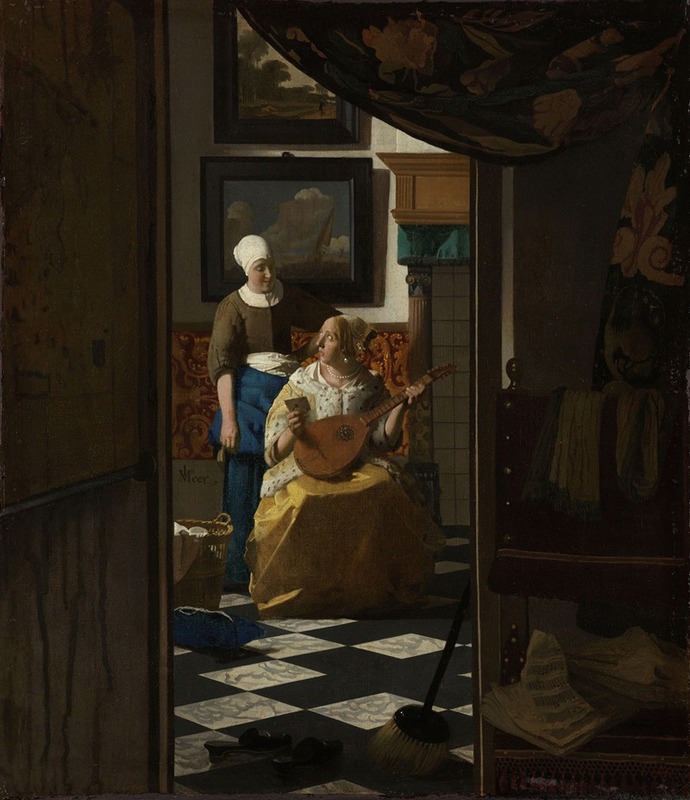
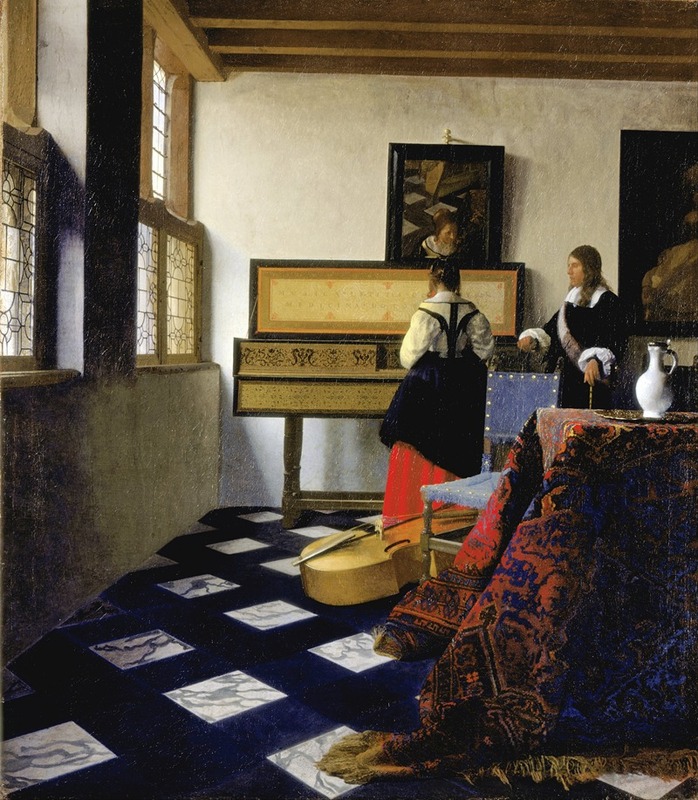
Within the stillness of Vestibule at Newby Hall, the whispers of a time on the brink of revolution echo through the carefully crafted spaces. Here, the elegance of architecture and the intimacy of human experience collide, creating a moment that transcends mere observation. Look to the left at the intricate detailing of the archways, where sunlight spills through the open doors, casting delicate shadows on the cool stone floor. Notice how the contrast between light and dark emphasizes the depth of the entryway, inviting viewers to step into the grandeur of a bygone era.
The rich colors of the surrounding decor, adorned with floral motifs, create a harmonious balance, while the careful composition draws the eye inward, urging us to explore what lies beyond. Beneath its serene exterior, the painting captures an undercurrent of tension — a world poised between tradition and the winds of change. The vestibule, a transitional space, symbolizes the threshold between the old and the new, while the meticulous detail reflects the artist's longing for permanence in an age of uncertainty. The artist's choice to depict this private yet grand space hints at the emotional weight of domestic life amidst the swirling forces of revolution. In 1813, John Buckler was immersed in the neoclassical movement, painting in England during a period marked by political upheaval and the Industrial Revolution's grasp.
His works often celebrated architecture and the beauty of the everyday, showcasing his deep appreciation for heritage and craftsmanship at a time when society was rapidly evolving. Buckler's keen eye for detail and narrative in Vestibule at Newby Hall embodies this struggle between the past and an uncertain future.
More Artworks by John Buckler
Browse all →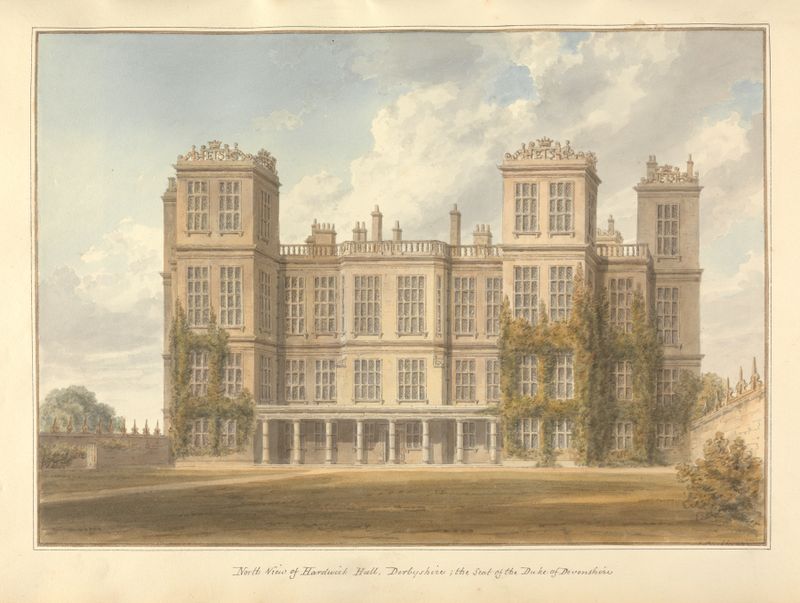
North View of Hardwick Hall, Derbyshire: the Seat of the Duke of Devonshire
John Buckler
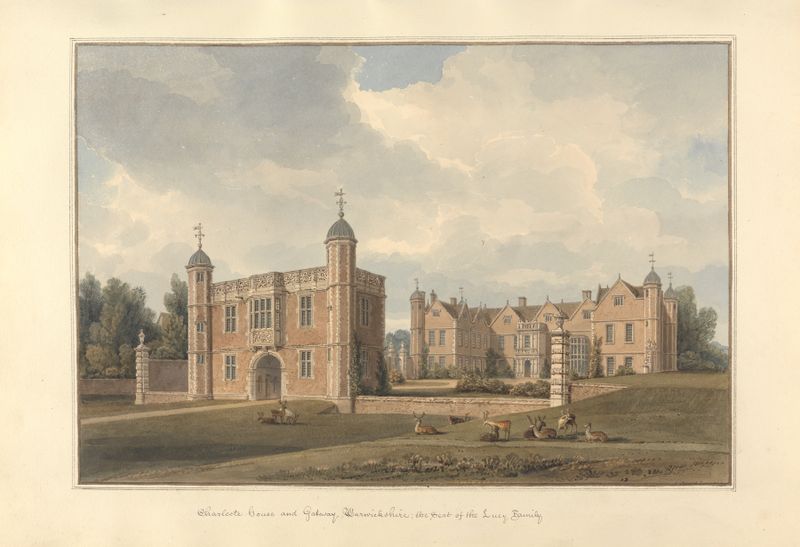
Charlcote house and Gateway, Warwickshire: the Seat of the Lucy Family
John Buckler

North East View of Holland House
John Buckler
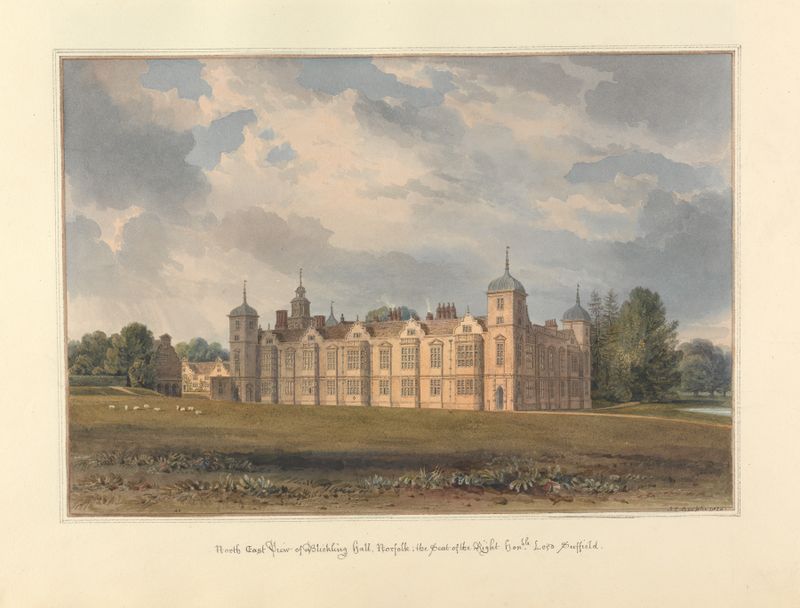
North East View of Blickling Hall, Norfolk: the Seat of the Right Hon’ble Lord Suffield
John Buckler
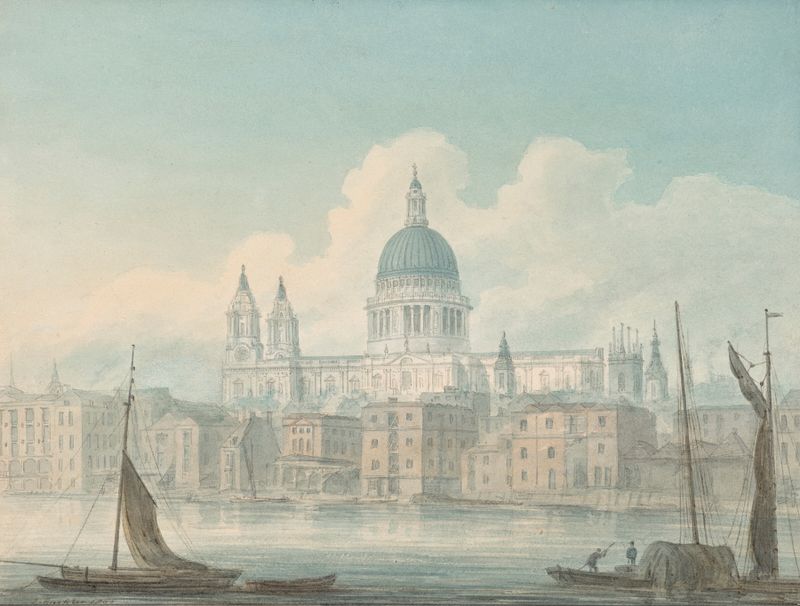
View of St Paul’s Cathedral, from the Southbank of the River Thames, London
John Buckler
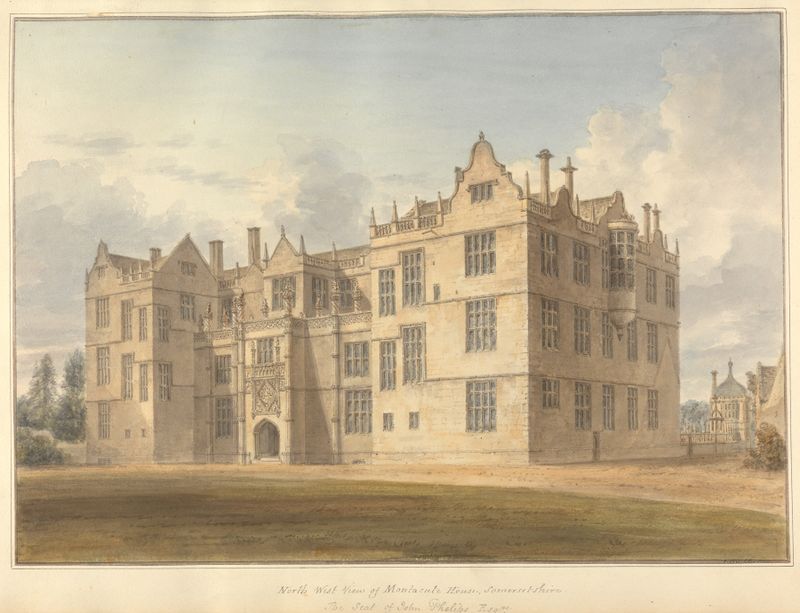
North West View of Montacute House, Somersetshire, The Seat of John Phelips Esqr.
John Buckler
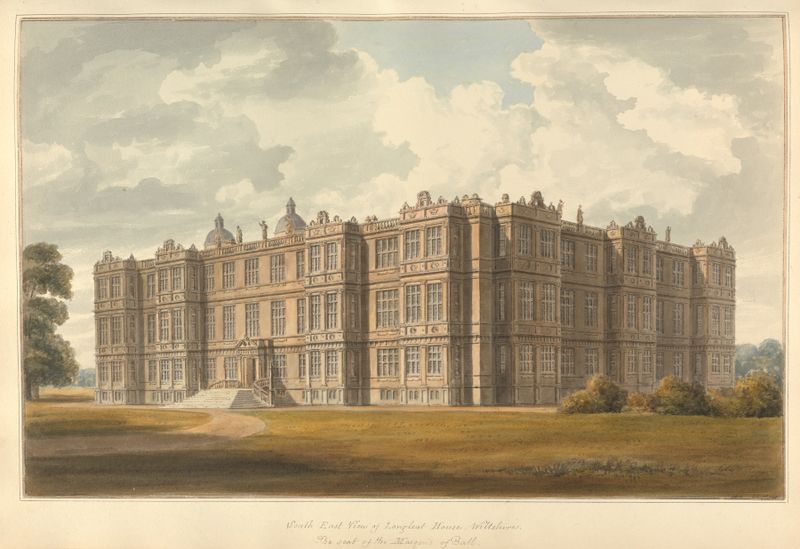
South East View of Longleat House, Wiltshire, the Seat of the Marquis of Bath
John Buckler
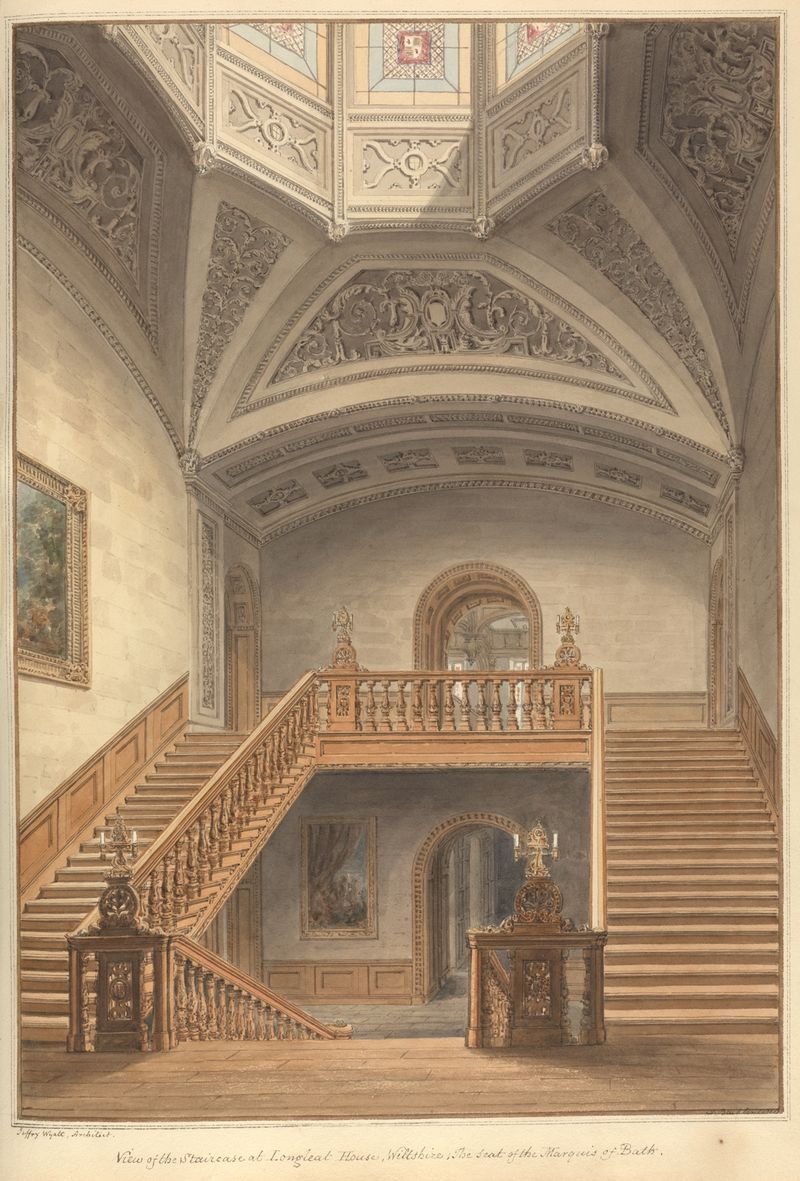
View of the Staircase at Longleat House, Wiltshire: the Seat of the Marquis of Bath
John Buckler
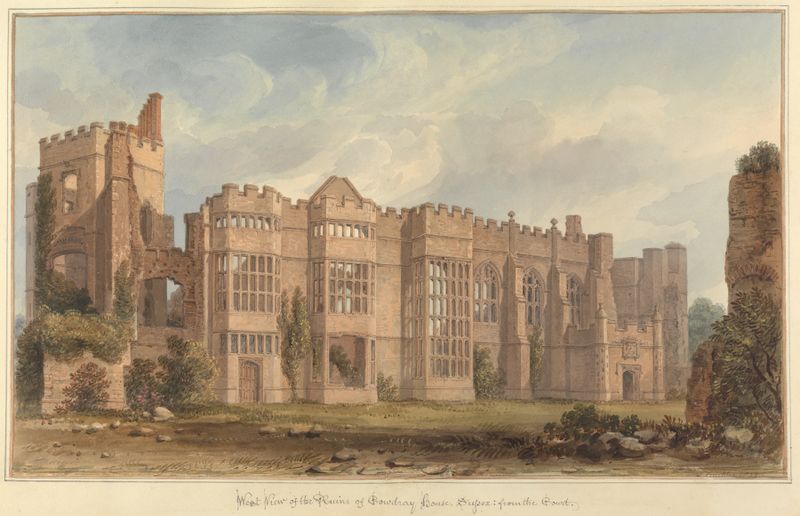
West View of the Ruins of Cowdray House, Sussex: from the Court
John Buckler
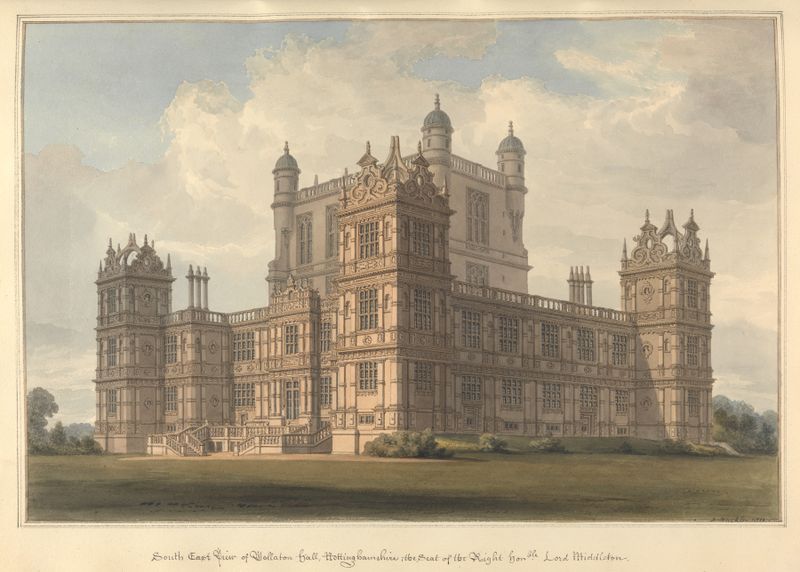
South East view of Wollaton hall, Nottinghamshire, the Seat of the Right honble. Lord Middleton
John Buckler