
Vesuvius and the Harbour of Naples — History & Facts
In the quiet embrace of a moment, awe hangs in the air, inviting the viewer into a world of wonder and contemplation. Look to the left at the powerful silhouette of Vesuvius, its ominous presence looming over the bustling harbor. The artist captures the warm, golden hues of late afternoon sun, casting a reflective shimmer on the water that dances like whispers upon the surface. Notice how the boats are delicately rendered, each vessel cradled by the gentle waves, while the vibrant palette speaks to the life and motion of a city thriving at the foot of a giant. Amidst the serene beauty lies an undercurrent of tension; the mountain stands as both a guardian and a harbinger of destruction, a reminder of nature’s duality.
The contrasting colors — the warm earth tones of the harbor juxtaposed with the cool, muted shades of the sky — evoke a sense of transience, hinting at the fragility of human existence in the shadow of nature’s might. Each brushstroke reflects not just a scene, but the intricate dance between civilization and the raw power of the natural world. In 1858, while creating this work, the artist found himself in Naples, a city buzzing with artistic revival and political change. It was a period of exploration and expression, where Romanticism and Realism collided, pushing boundaries in art.
Blaschnik captured a moment not just of beauty, but of a historical context that reverberated with the echoes of past eruptions, both literal and metaphorical, as he sought to depict the awe-inspiring relationship between humanity and the sublime.
More Artworks by Arthur Blaschnik
Browse all →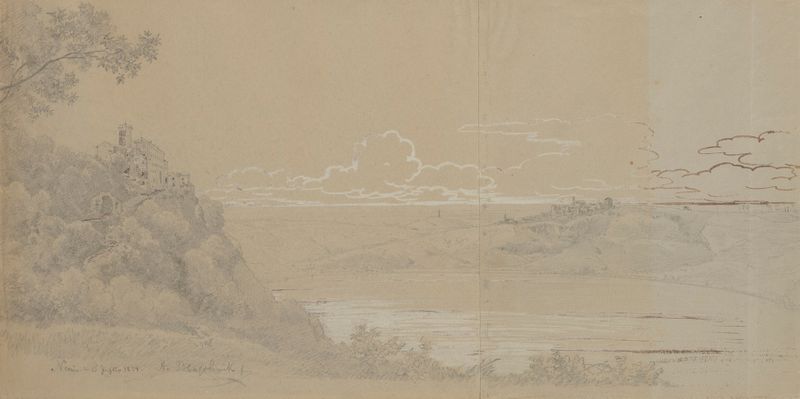
Palazzo Ruspoli by Lake Nemi, in the Distance the Town of Genzano di Roma
Arthur Blaschnik
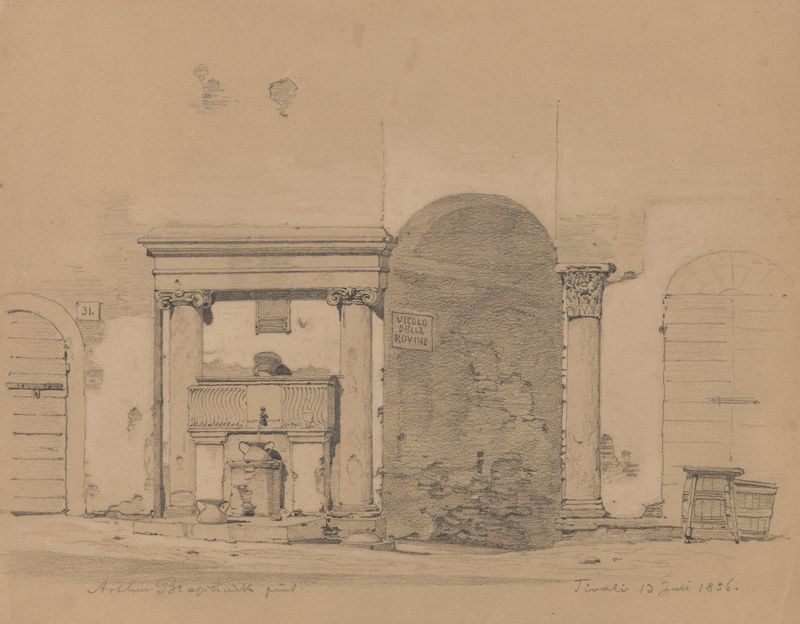
Gate Leading to Vicoli dei Grana near Piazza Palatina in Tivoli
Arthur Blaschnik
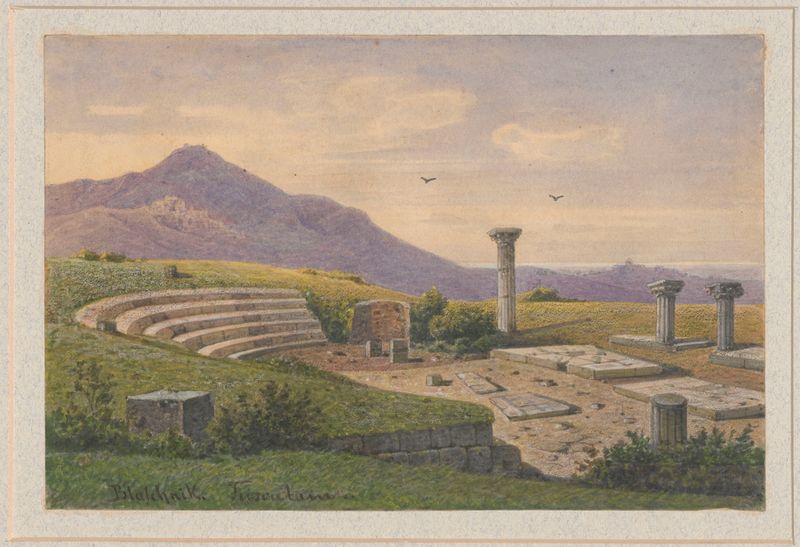
Amphitheatre in Tusculum
Arthur Blaschnik
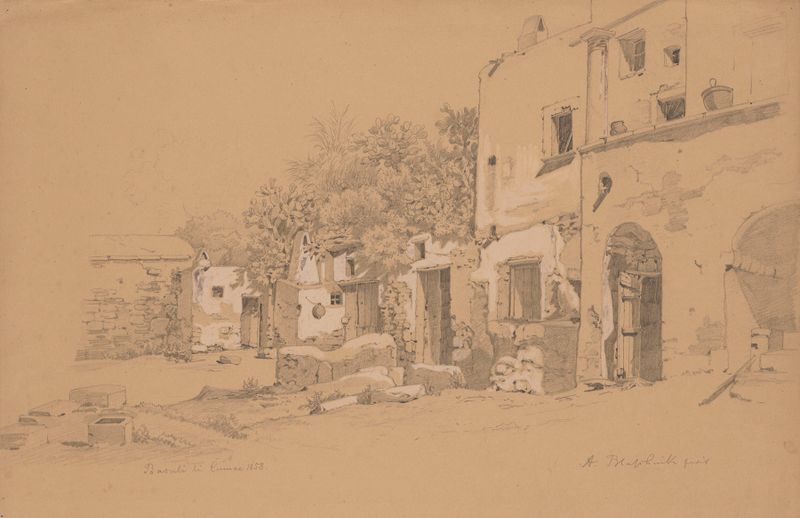
House and Outbuildings in Bacoli
Arthur Blaschnik
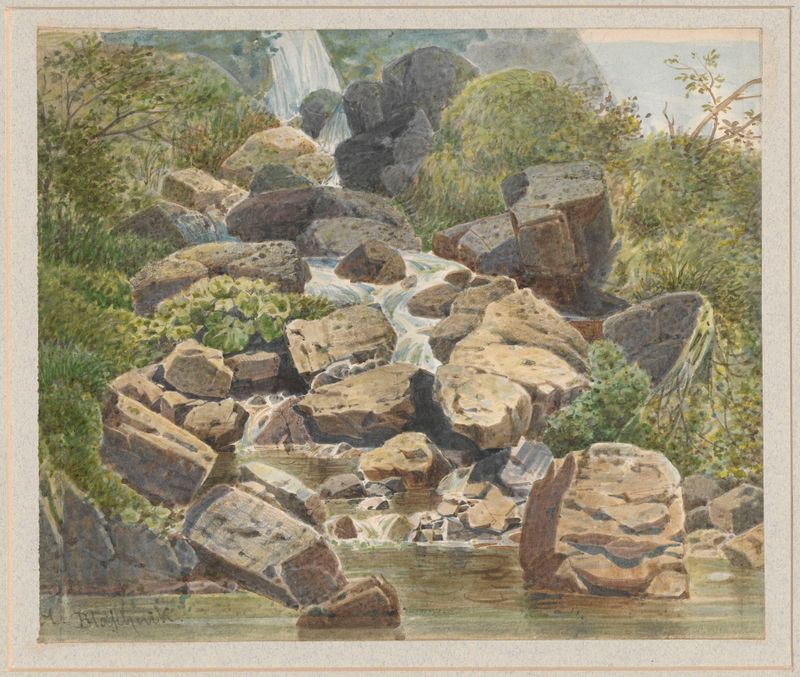
View of a small waterfall near Covigliaio, Tuscany
Arthur Blaschnik
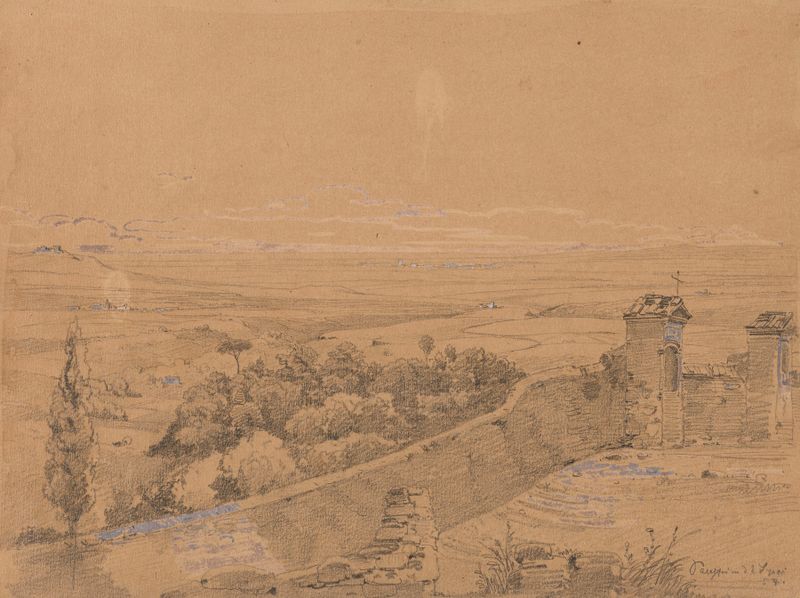
Landscape from the Vicinity of Palestrina
Arthur Blaschnik
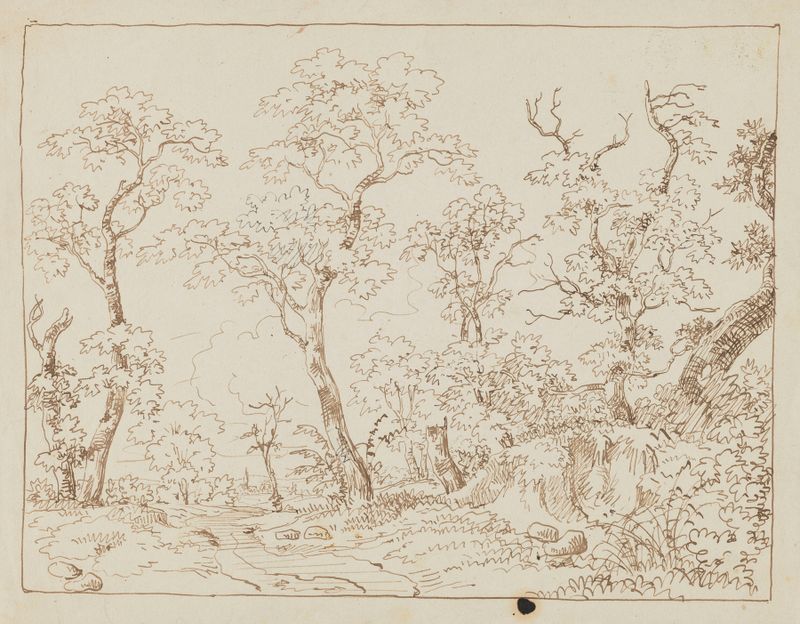
Studies of Trees, Landscape
Arthur Blaschnik
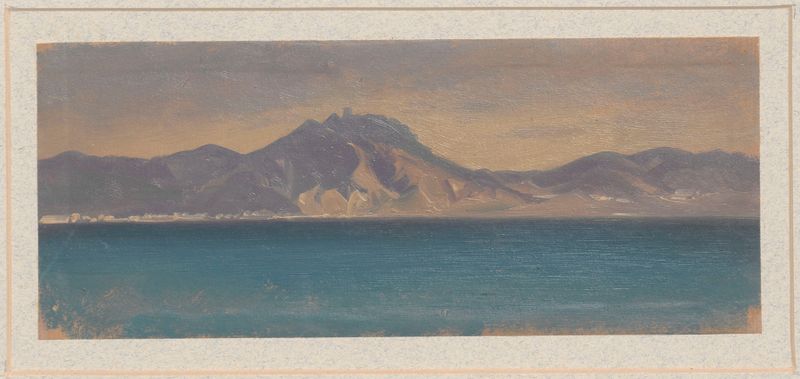
View of the Island of Capri
Arthur Blaschnik
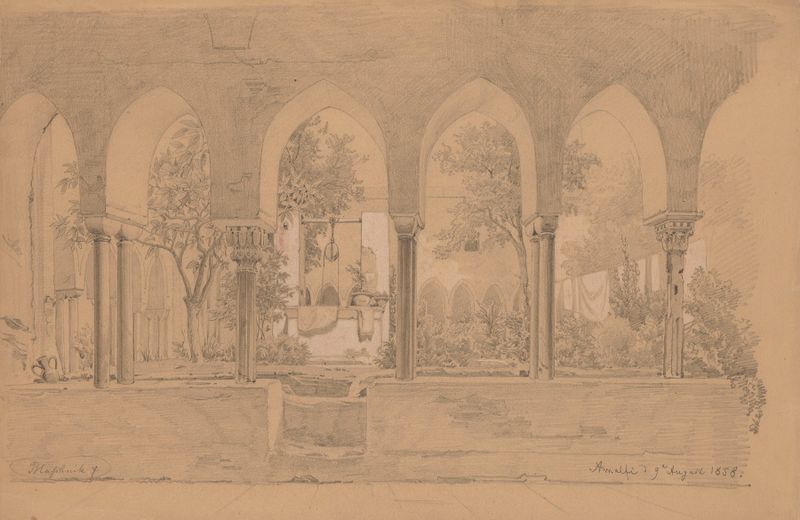
Cloister with Arcade Gallery in Amalfi
Arthur Blaschnik
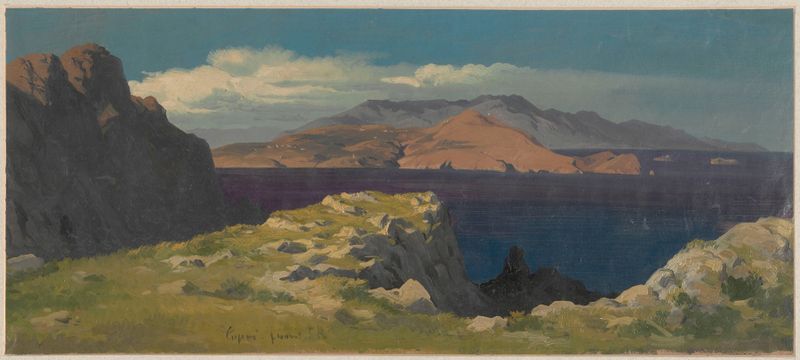
View of Capri
Arthur Blaschnik





