
Vesuvius at Dusk — History & Facts
What if silence could speak through light? The stillness of twilight whispers secrets across the canvas, inviting contemplation as day surrenders to night. Focus on the horizon, where the descending sun bleeds ochres and golds into the deepening blue of the evening sky. In the foreground, the rugged landscape cradles the dormant silhouette of the volcano, its presence both ominous and majestic. Notice how the soft, diffused light caresses the contours of the terrain, casting long shadows that stretch like yearning fingers toward the viewer, bridging the gap between the seen and the unseen. A juxtaposition emerges here: the serenity of sunset against the potential fury of Vesuvius.
This duality captures the essence of nature — the dormant threat that lies beneath the beauty. The smoke delicately curling from the mountain hints at an awakening, a reminder of the power that simmers beneath the surface. Such contrasts speak to the complexities of existence, where tranquility and turmoil coexist in a fragile balance. In 1872, Haseltine was deeply engaged with the landscapes of Italy, a period marked by a blend of Romanticism and emerging Impressionism.
Living in a time when the industrial revolution was reshaping Europe, his work reflected a yearning for the sublime beauty of nature amidst rapid change. This painting emerged during a moment of personal introspection, as he sought to capture both the magnificence and the latent power of Vesuvius, a subject that resonated profoundly in an era of transformation.
More Artworks by William Stanley Haseltine
Browse all →
Mill Dam in Traunstein
William Stanley Haseltine
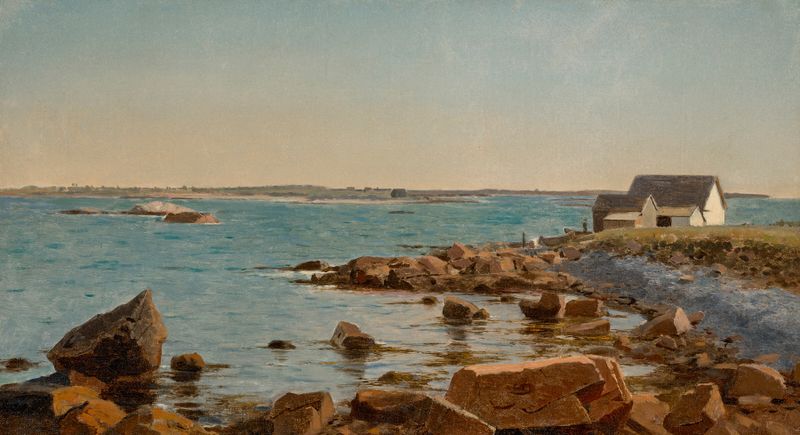
Nahant Coast
William Stanley Haseltine
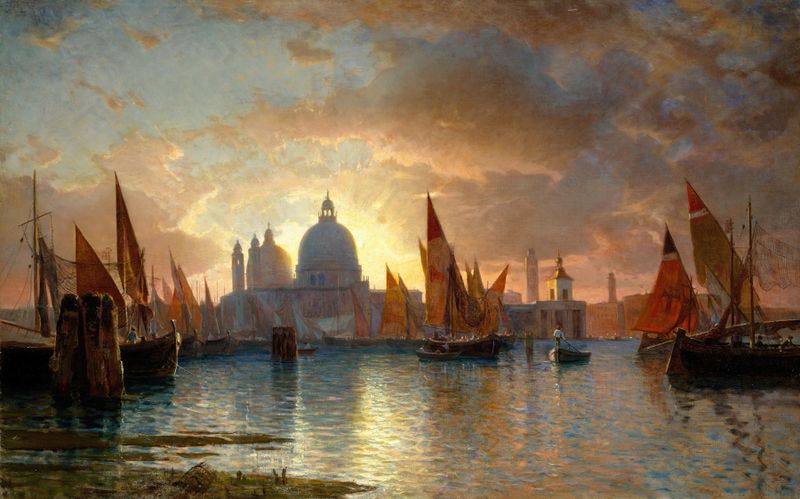
Santa Maria della Salute, Sunset
William Stanley Haseltine
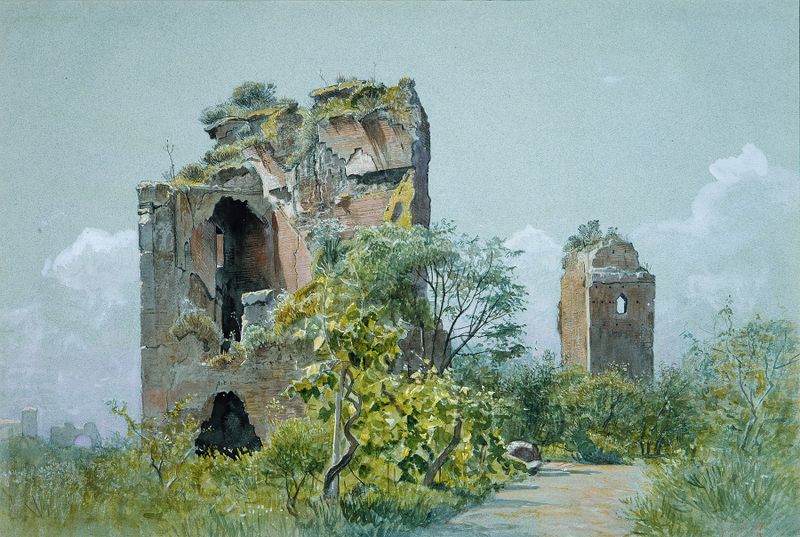
Baths of Trajan (Sette Sale, Villa Brancaccio, Rome)
William Stanley Haseltine
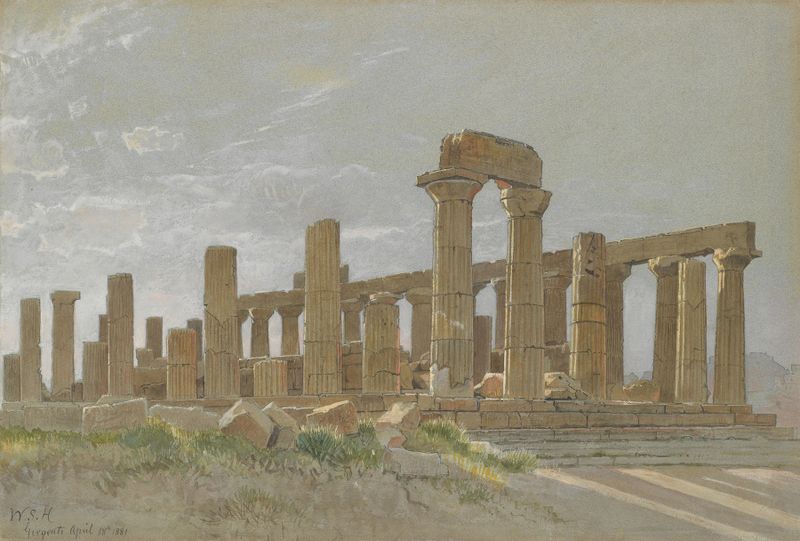
Girgenti (The Temple of Juno Lacinia at Agrigentum)
William Stanley Haseltine

Italian Hills
William Stanley Haseltine
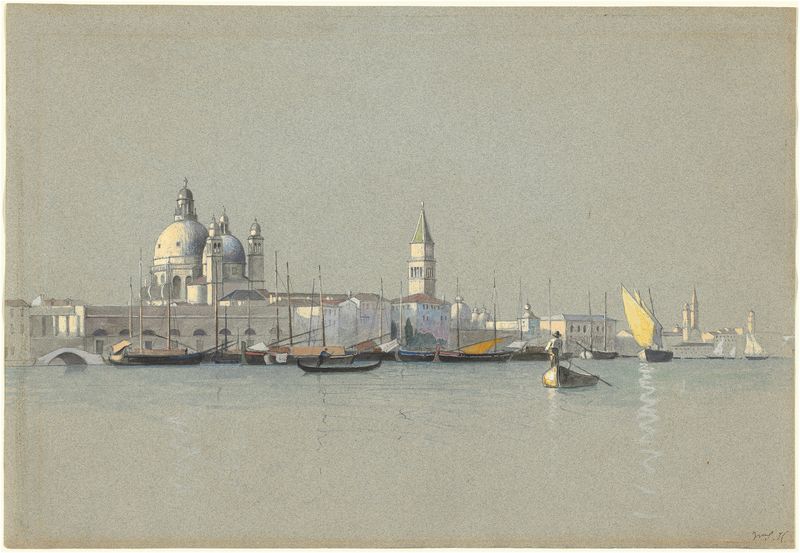
View across the Giudecca Canal toward the Salute and the Campanile of San Marco
William Stanley Haseltine
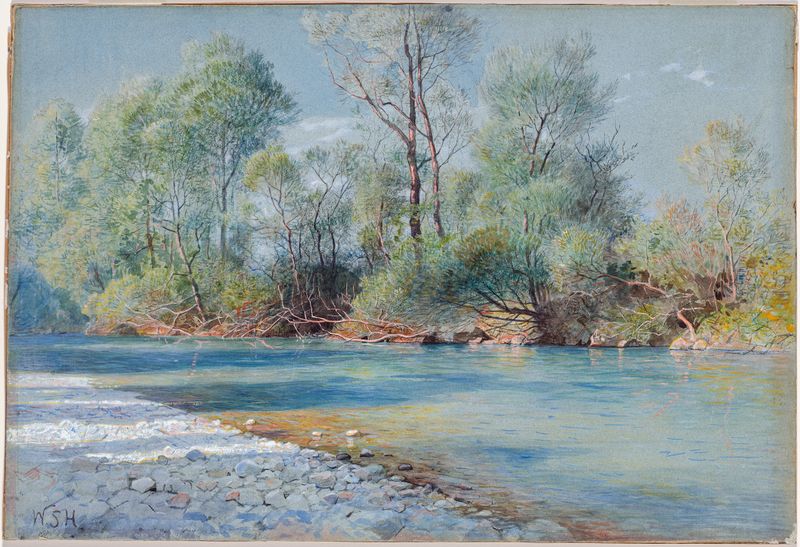
Traunstein River on the Road to Empfig, Bavaria
William Stanley Haseltine

Coast of Capri
William Stanley Haseltine
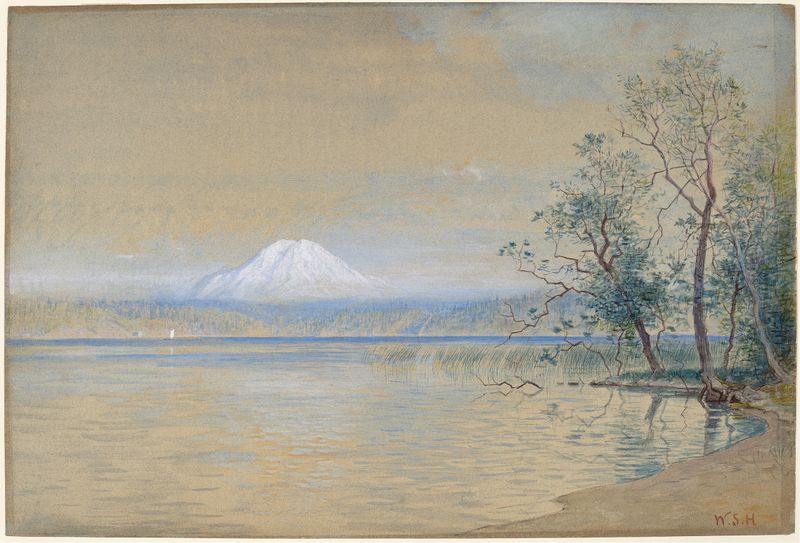
Mount Tacoma
William Stanley Haseltine





