
Via delle Tombe in Pompei, op de achtergond de Vesuvius — History & Facts
What if silence could speak through light? In the stillness of an ancient landscape, the vibrant hues of Pompeii whisper stories long forgotten, inviting the viewer into a world suspended in time. Look to the foreground where the sun-drenched Via delle Tombe beckons, its cobblestones warmed by the soft embrace of golden light. Notice the vibrant greens of the foliage that frame the road, a sharp contrast to the muted browns and grays of the weathered stones. The looming silhouette of Vesuvius in the background casts a shadow over the scene, a reminder of both beauty and destruction.
The artist’s deft brushwork creates a sense of depth, drawing the eye along the path as it meanders toward the horizon. Here, the color palette dances between serenity and foreboding. The lush greenery may symbolize life and renewal, while the dark, dormant volcano offers a poignant reminder of nature's unpredictability. The juxtaposition of light and shadow imbues the scene with a tension that speaks to the duality of existence—beauty intertwined with the threat of oblivion.
Each element of the composition encourages contemplation of history, drawing the viewer deeper into the narrative woven into the landscape. This work was created between 1870 and 1900, a time when travel to archaeological sites like Pompeii was becoming increasingly popular among both artists and tourists. Many artists sought to capture the remnants of a civilization buried by the catastrophic eruption of Vesuvius in 79 AD, reflecting a broader fascination with romanticized ruins and ancient histories. The artist, though unknown, participated in this movement, using light and color to evoke the poignant remnants of a once-thriving city.
More Artworks by Unknown Artist
Browse all →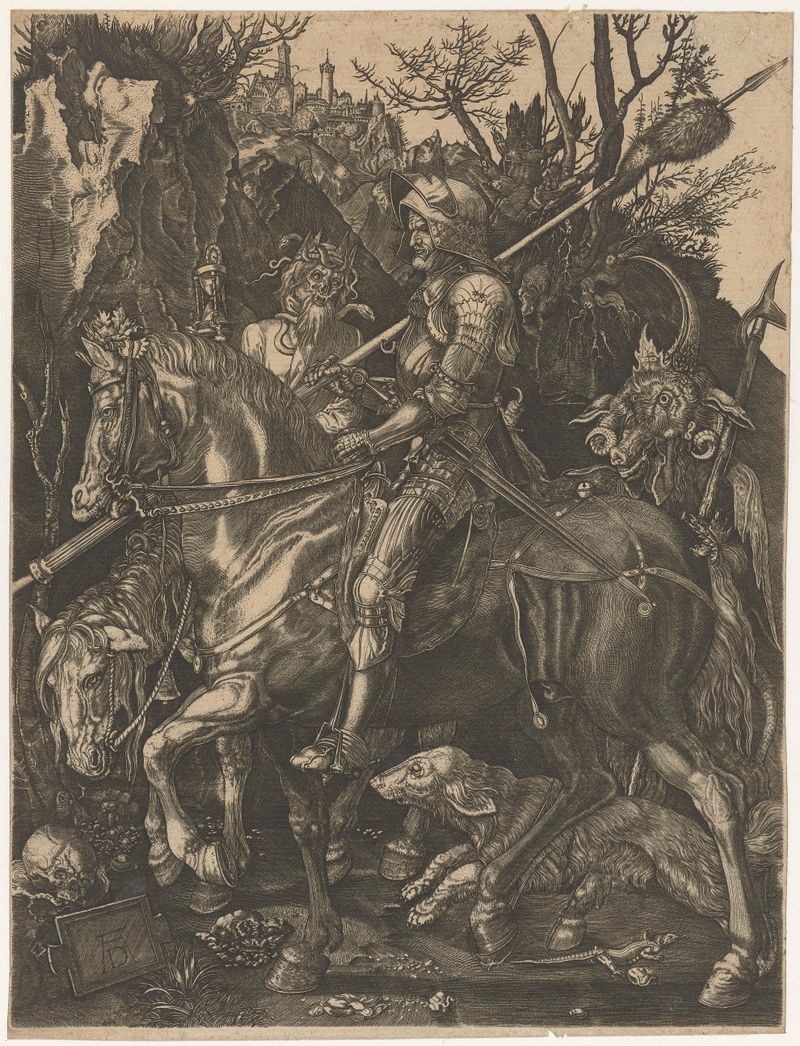
Ridder, Dood en Duivel
Unknown Artist
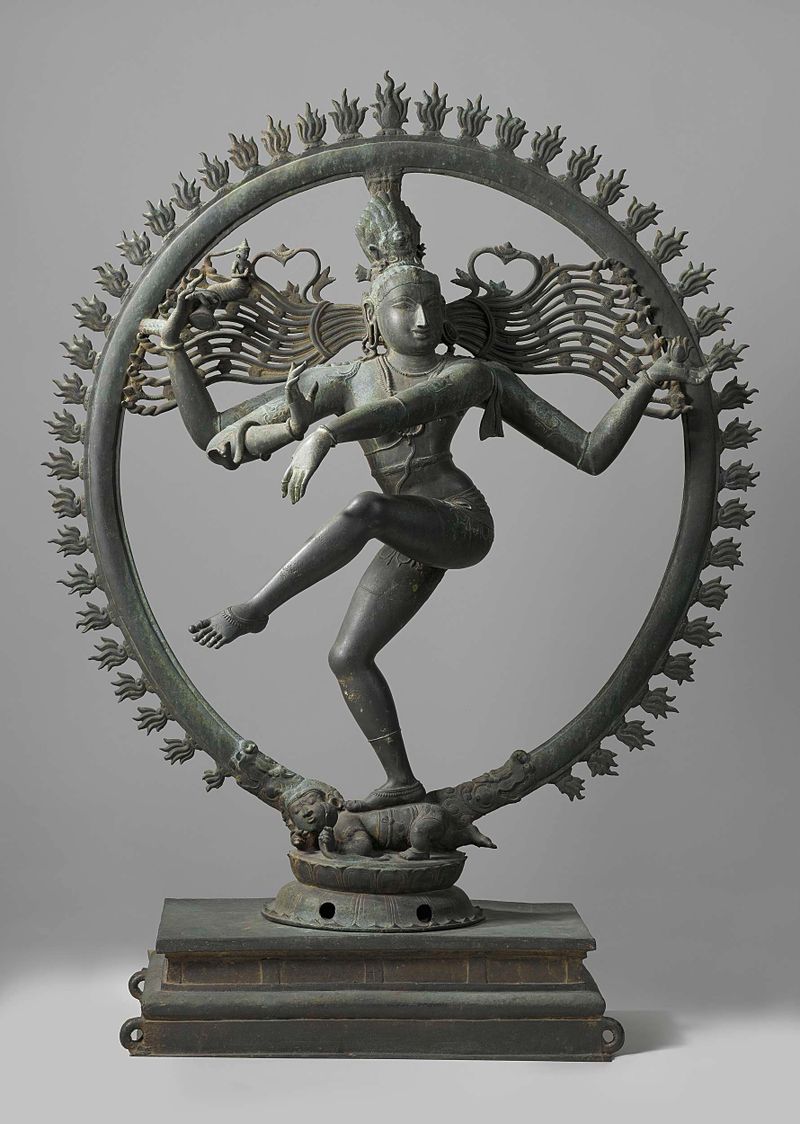
Shiva Nataraja
Unknown Artist
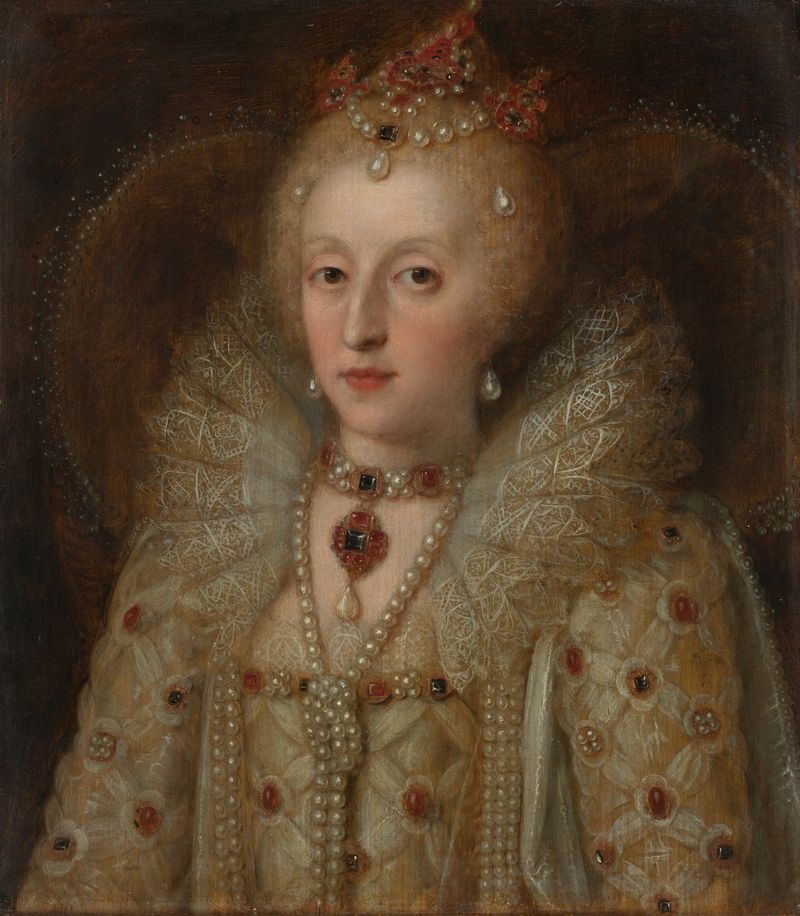
Portrait of Elizabeth I, Queen of England
Unknown Artist
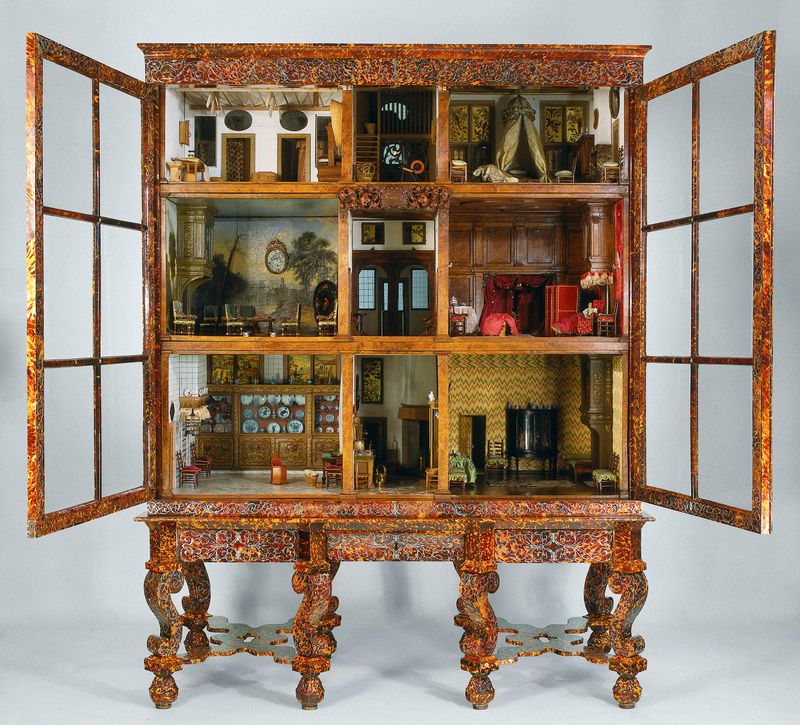
Dolls’ house of Petronella Oortman
Unknown Artist
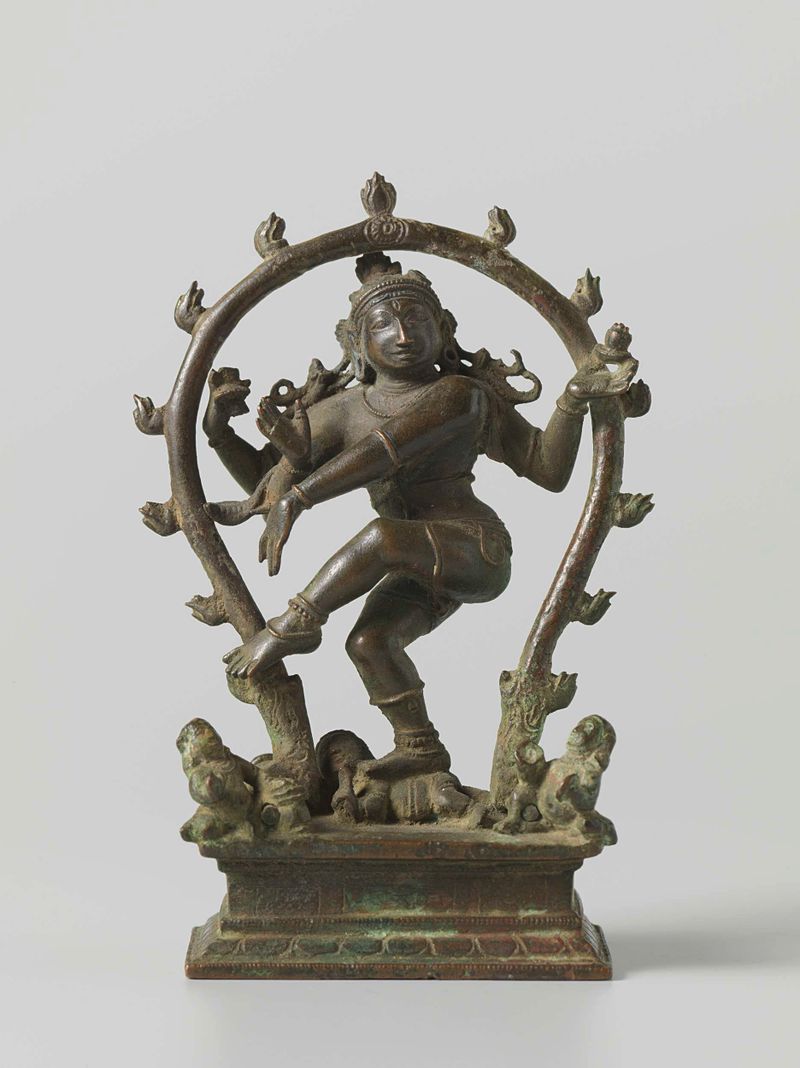
Shiva Nataraja
Unknown Artist

The Tale of Genji
Unknown Artist

The Tale of Genji
Unknown Artist

Cong
Unknown Artist
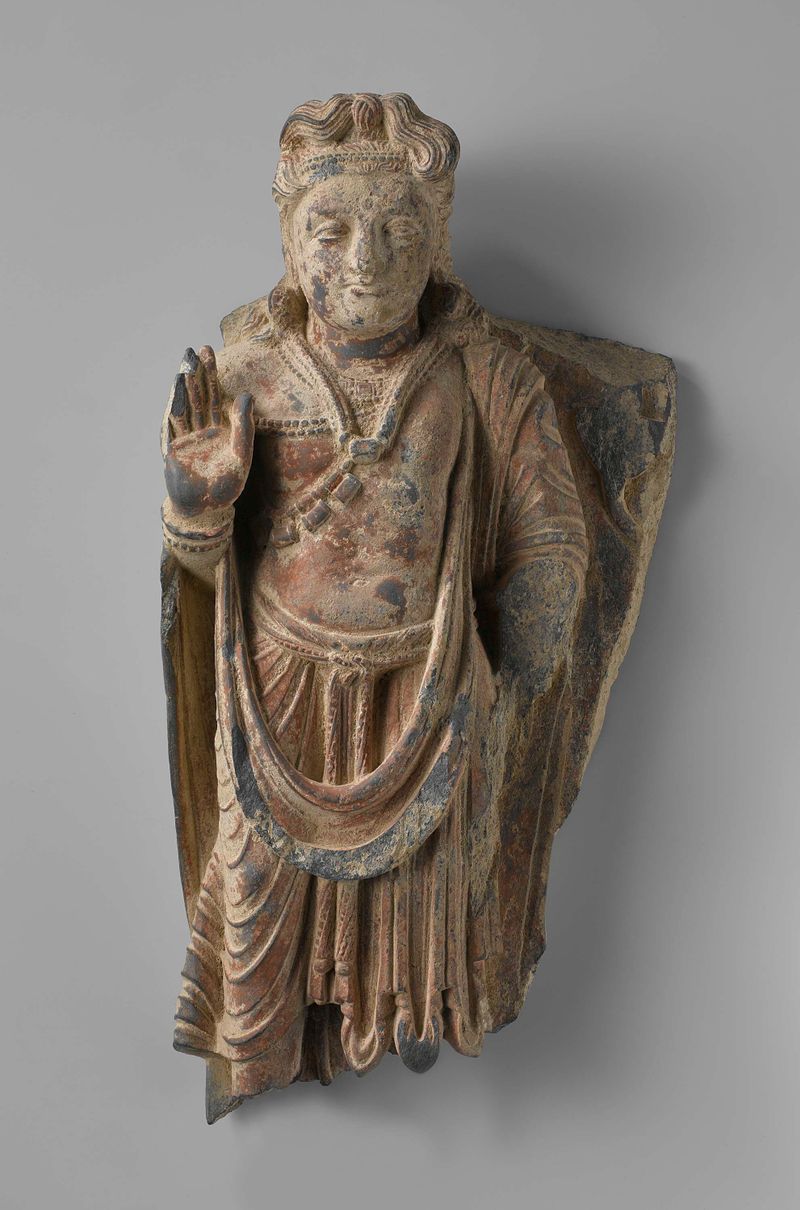
The bodhisattva Maitreya
Unknown Artist

Teabowl with a 'hare's fur' glaze
Unknown Artist





