Vieilles maisons à Bormes — History & Facts
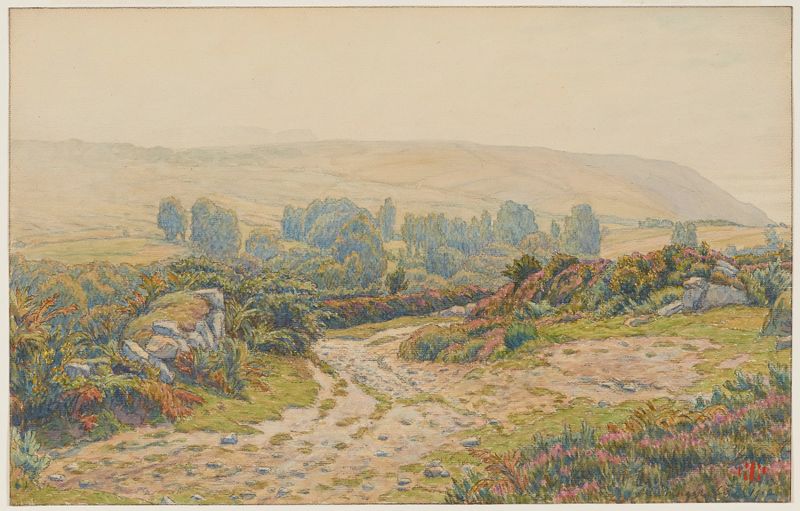
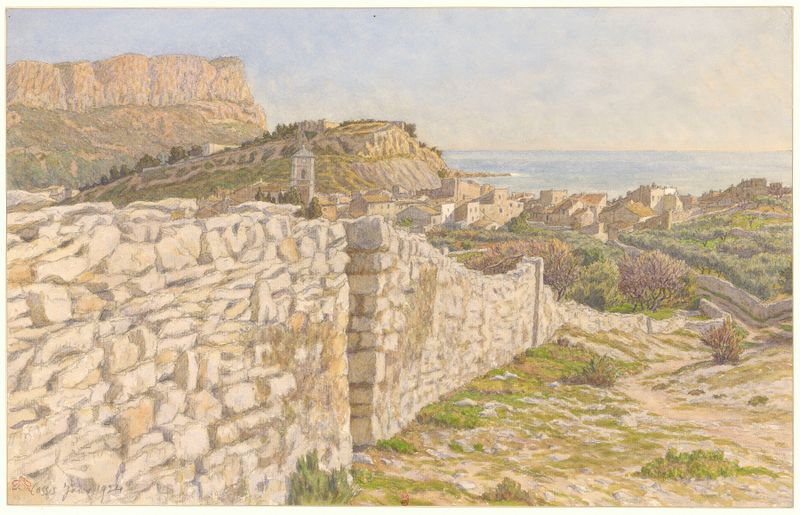
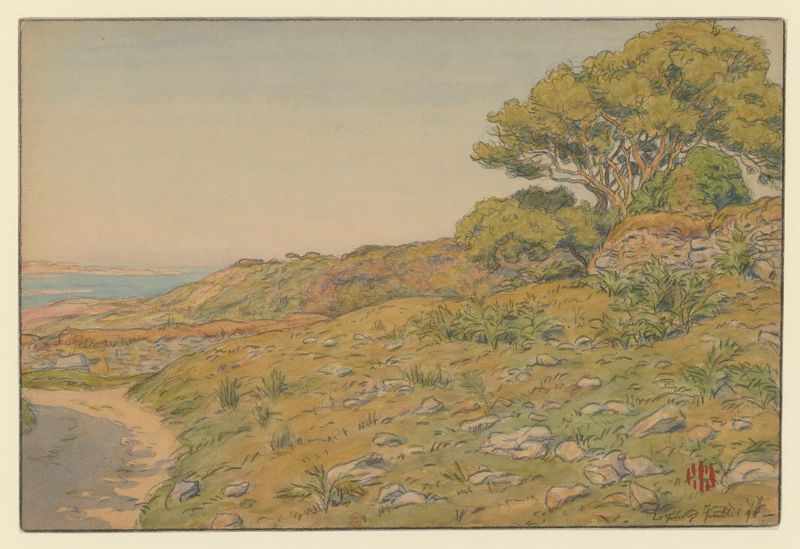
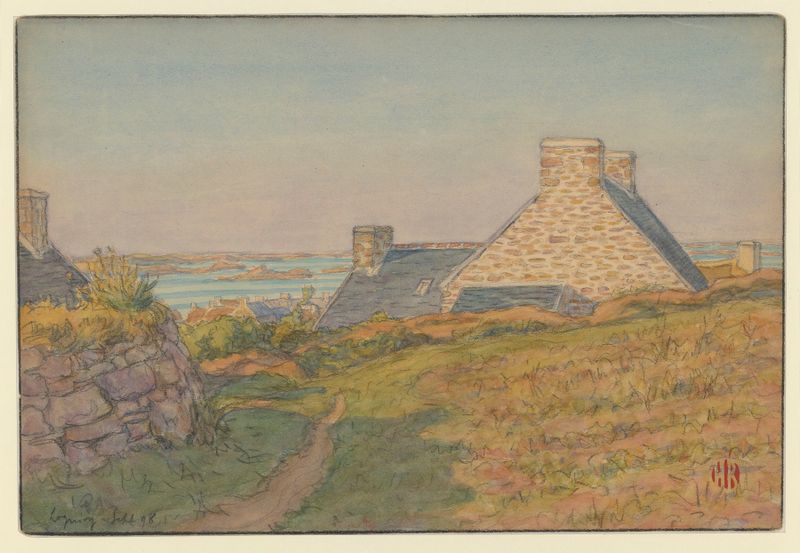
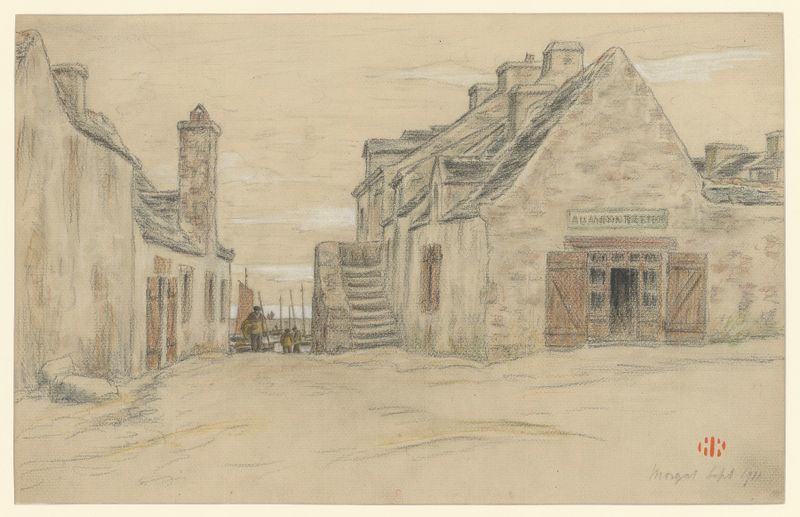
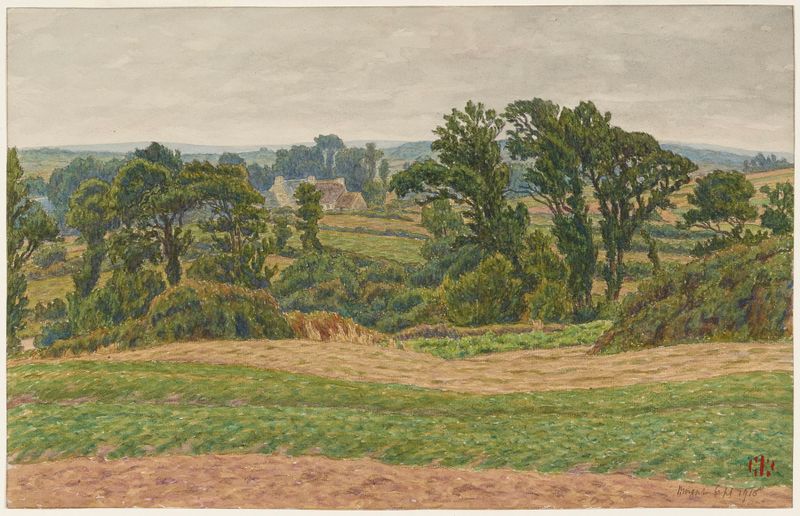
Could a single brushstroke hold eternity? In Vieilles maisons à Bormes, the essence of time and memory is woven into the very fabric of the landscape. Look to the left at the warm hues of ochre and burnt sienna, which breathe life into the weathered facades of the houses. The delicate interplay of light and shadow accentuates the textured surfaces, inviting you to explore each crevice and corner. Notice how the azure sky creates a sharp contrast against the earthy tones, evoking a sense of nostalgia that envelops the scene, drawing your gaze deeper into the tranquil village. Amid the vibrant colors, there lies a tension between the past and present.
The rustic houses, laden with stories, speak to the passage of time, as if they are guardians of secrets long forgotten. In the soft brushwork, invisible whispers echo the void it captures, suggesting that what is absent—memories, lives, laughter—holds as much significance as what is rendered on the canvas. There is beauty in decay, a poignant reminder of the transient nature of existence. Henri Rivière painted Vieilles maisons à Bormes in 1925 during a period marked by a growing interest in capturing the essence of everyday life.
Living in France, he became part of the artistic movement that sought to translate the ephemeral beauty of the world into tangible forms. At this time, the art world was shifting, embracing Impressionism and Post-Impressionism’s legacy, which influenced Rivière's approach to color and composition.