
View at Margate. — History & Facts
What if beauty was never meant to be finished? The stillness captured on canvas evokes an endless moment where the world holds its breath, inviting contemplation and quiet reflection. Look to the horizon, where the soft blues of the sky and sea converge, gently blurring the lines between land and water. The delicate strokes and subtle gradations create a serene atmosphere, punctuated by light wisps of cloud that drift lazily above. Notice how the sun casts a warm glow on the sandy beach, inviting the viewer to pause, to dwell in the tranquillity of this coastal scene.
Every detail, from the distant boats to the scattered figures along the shore, invites exploration without haste, as if time itself has slowed down. In the foreground, the figures are mere silhouettes, hinting at the simplicity of leisure and the universal human experience of enjoying nature. The contrast between the vibrant hues of the sea and the muted tones of the sand speaks to the balance between joy and solitude; it encourages a dialogue between the viewer and the serene landscape. Each brushstroke whispers of a deeper silence, hinting at the emotions that lie beneath the surface of this idyllic scene. Burney likely painted View at Margate during a time of exploration and artistic maturation in the late 18th century, as artists began to embrace the nuances of light and atmosphere.
Though the precise date remains uncertain, it is in this peaceful coastal town that he found inspiration, reflecting both personal introspection and the broader Romantic movement that championed the beauty of nature.
More Artworks by Edward Francis Burney
Browse all →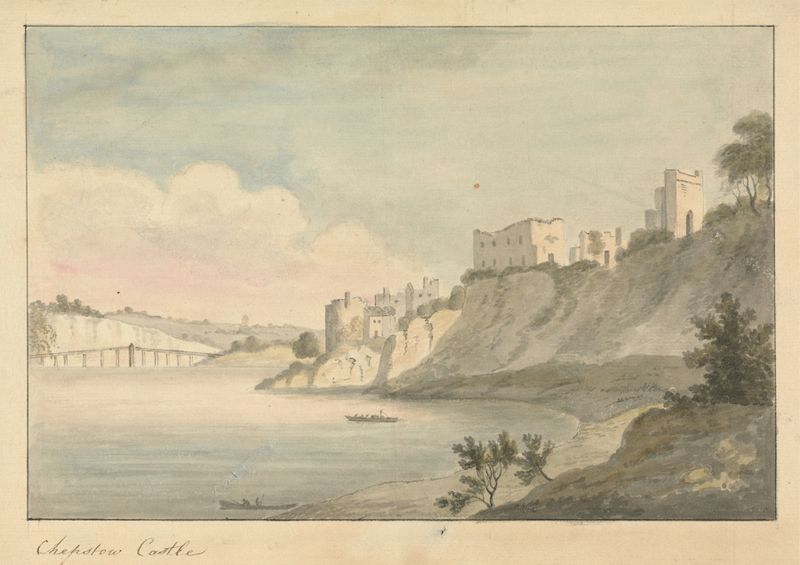
Chepstow Castle
Edward Francis Burney
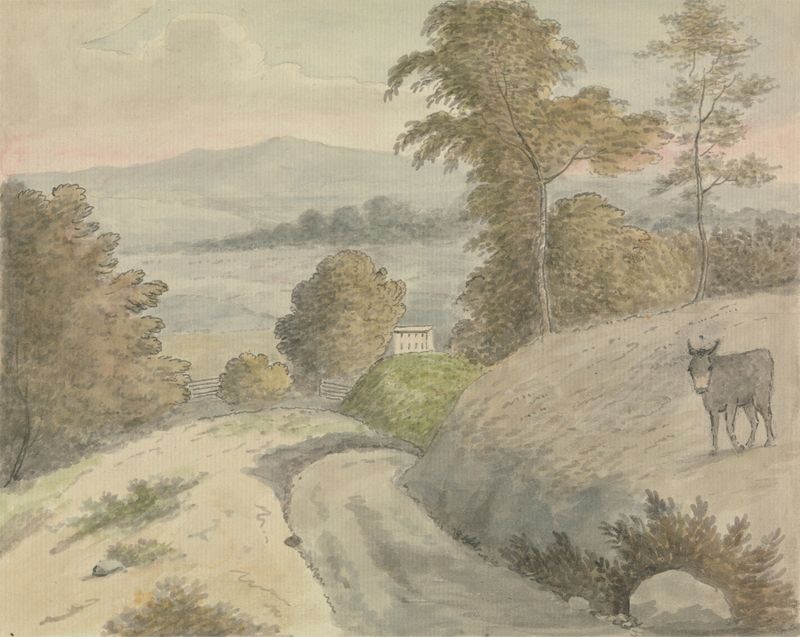
View in Surrey
Edward Francis Burney
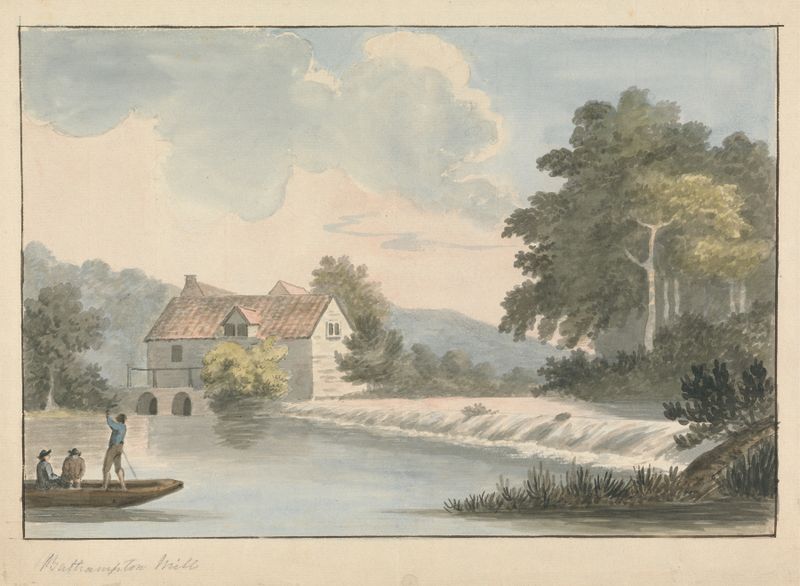
Bathampton Mill
Edward Francis Burney
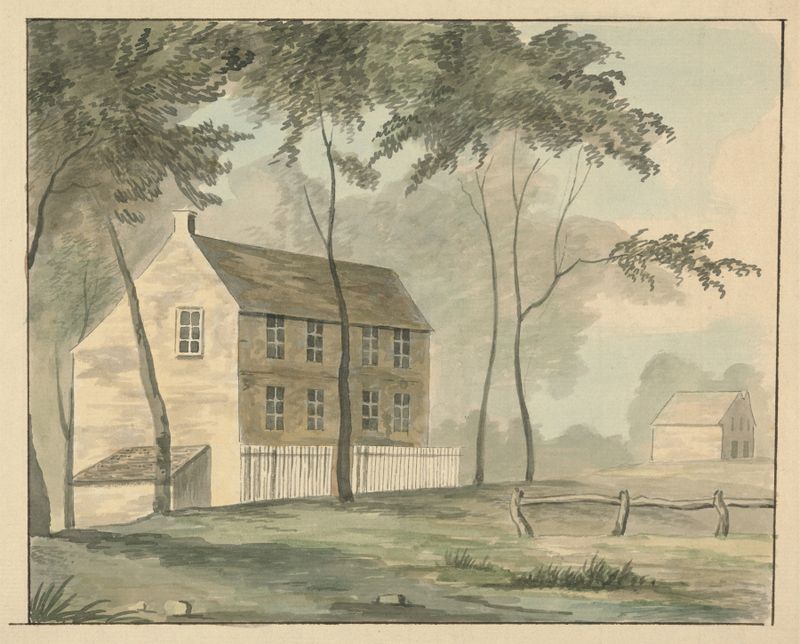
Country House.
Edward Francis Burney
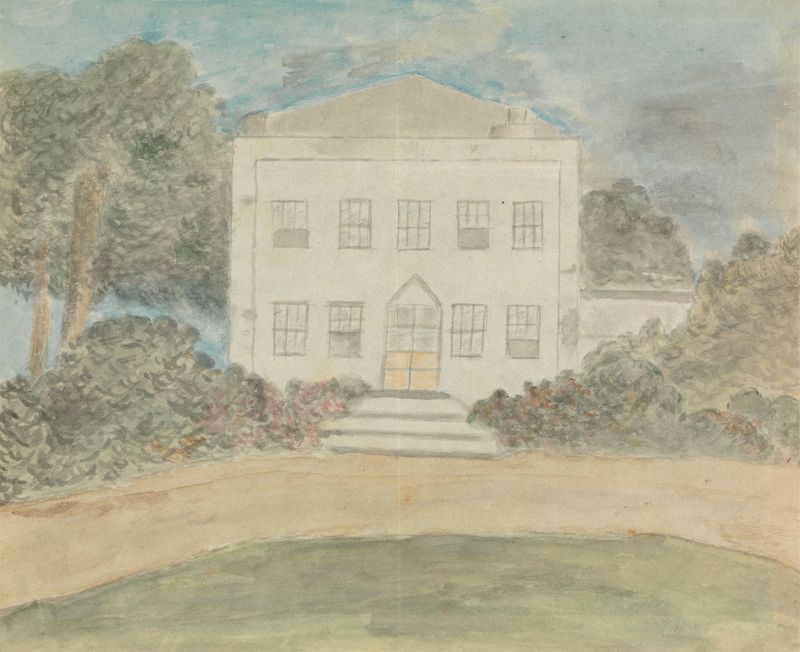
Country House
Edward Francis Burney
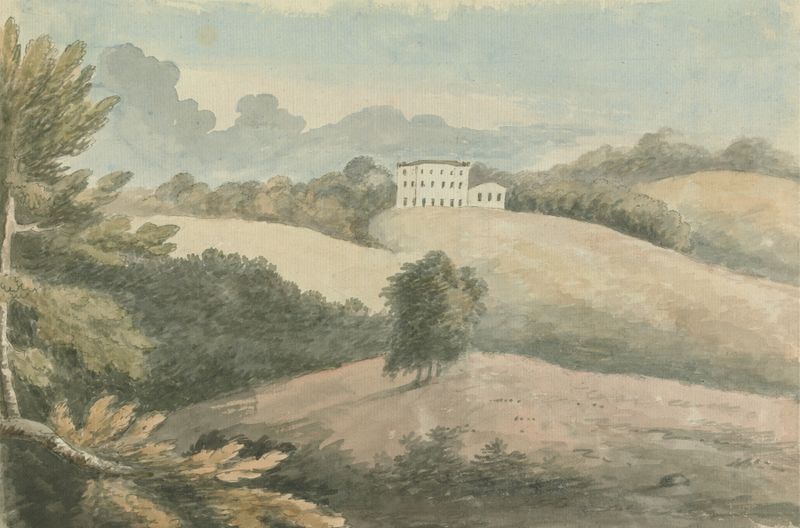
Mowbray Park
Edward Francis Burney
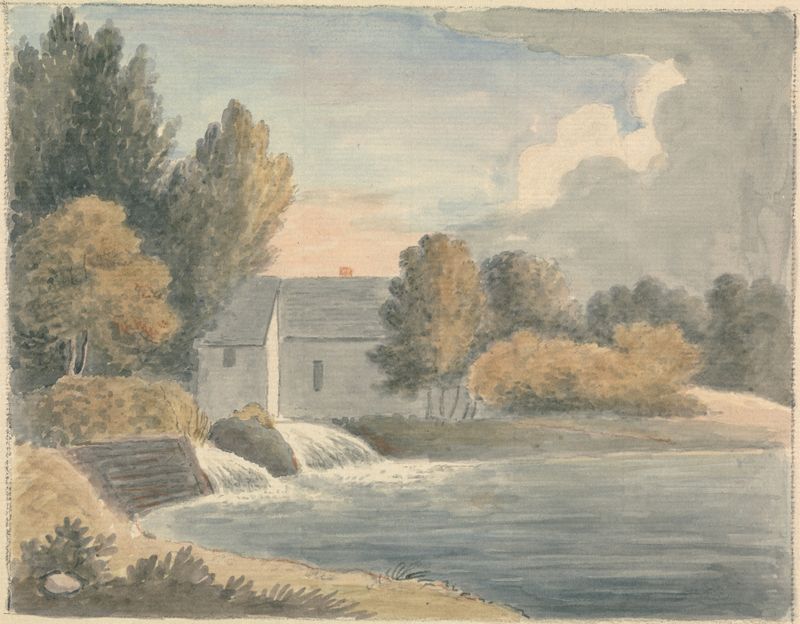
Bathampton Mill.
Edward Francis Burney
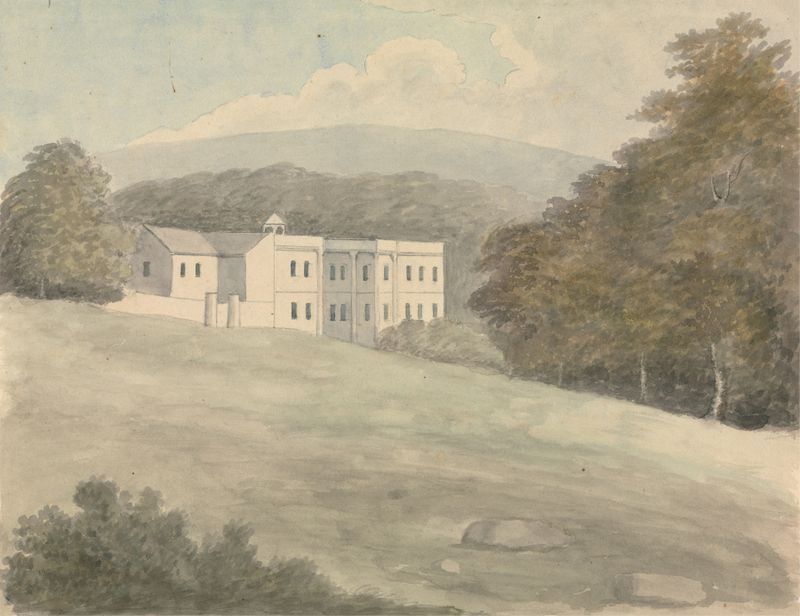
Norbury Park
Edward Francis Burney
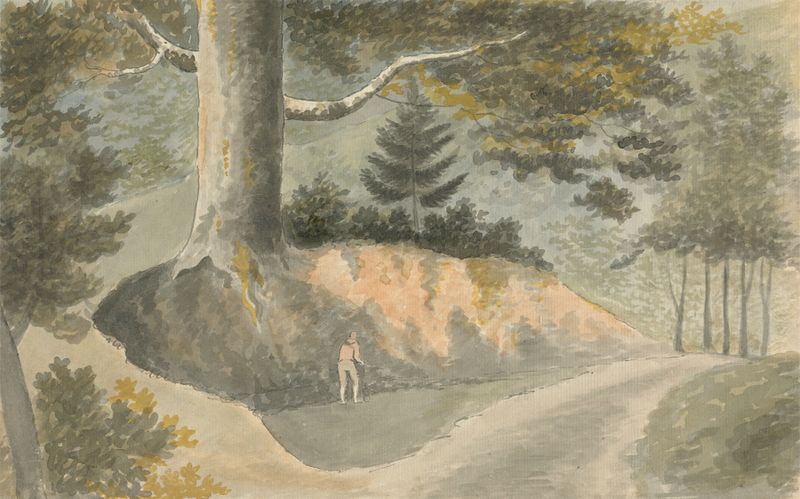
Road in the Forest
Edward Francis Burney
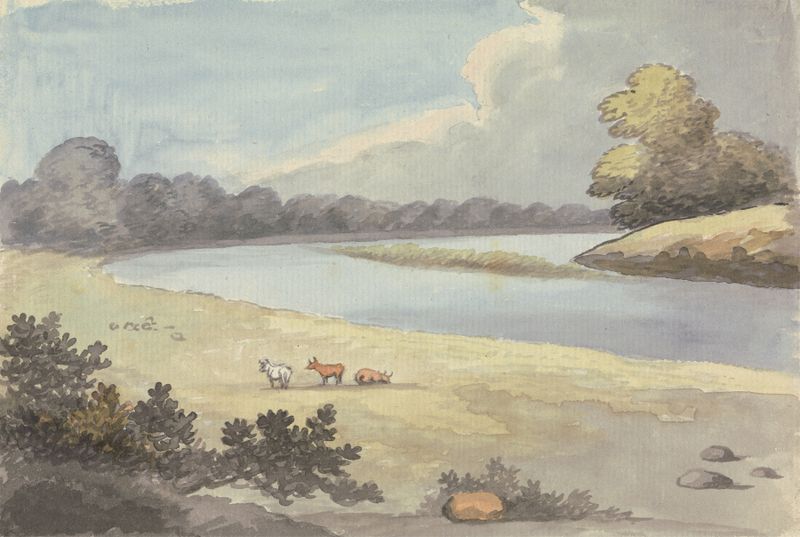
Richmond
Edward Francis Burney





