
View near Black Friars Bridge — History & Facts
Loneliness seeps through the canvas, whispering the unsung tales of the solitary soul amidst a bustling world. It invites us to ponder the weight of silence in our own existence. Focus on the sweeping sky occupying the upper third of the canvas, where soft blues blend seamlessly into wisps of white clouds. Notice how the delicate strokes convey a fleeting moment, while the muted earth tones of the foreground anchor the scene.
The bridge stretches across the Thames with an almost melancholic grace, guiding the eye towards the horizon where the city begins to fade into the distance. Each brushstroke carries a quiet serenity that enhances the feeling of solitude enveloping the landscape. Beneath the surface, contrasts emerge: the bustling life of the city versus the stillness of the water, the vibrancy of the sky clashing with the muted hues of the banks. The presence of solitary figures along the riverbank serves as poignant reminders of isolation.
Marlow skillfully captures this duality, suggesting that within the chaos of urban life, moments of profound stillness often go unnoticed, echoing the inherent loneliness of the human experience. In 1777, during a period of intense artistic development in England, Marlow painted this work while residing in London. The era was marked by the rise of Romanticism, which shifted focus towards nature and emotion. This painting reflects an evolving artistic vision, capturing the essence of both landscape and sentiment, as the artist sought to convey deeper emotional truths through his art.
More Artworks by William Marlow
Browse all →
Whitehall
William Marlow
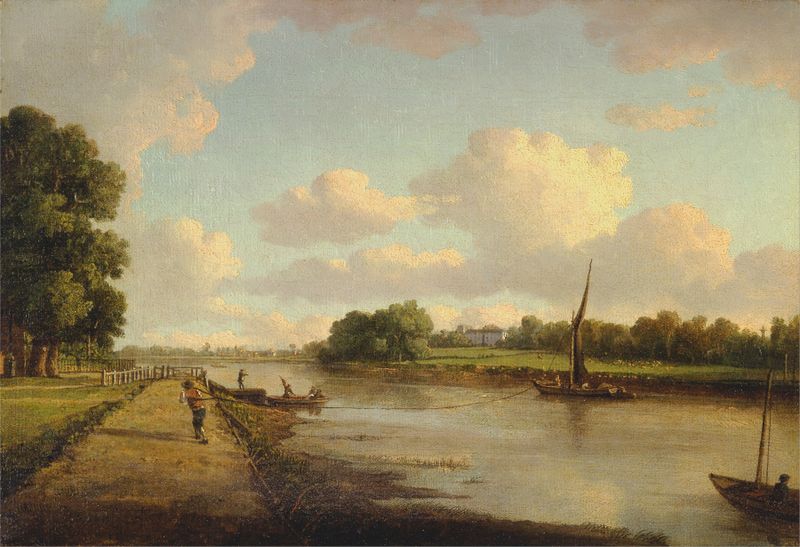
View on the River Thames at Richmond
William Marlow
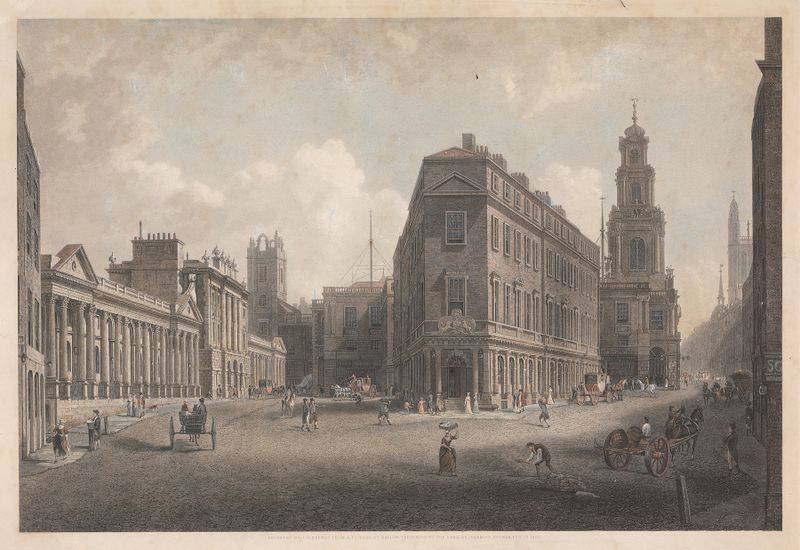
Bank of England Royal Exchange
William Marlow

The Thames At Richmond
William Marlow

The Arno towards the Ponte alle Grigio
William Marlow
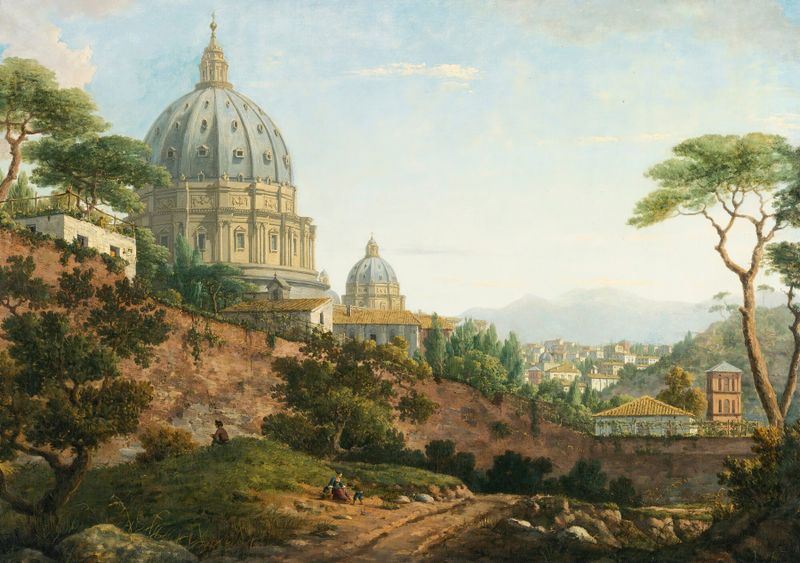
View Of Saint Peter’s, Rome
William Marlow
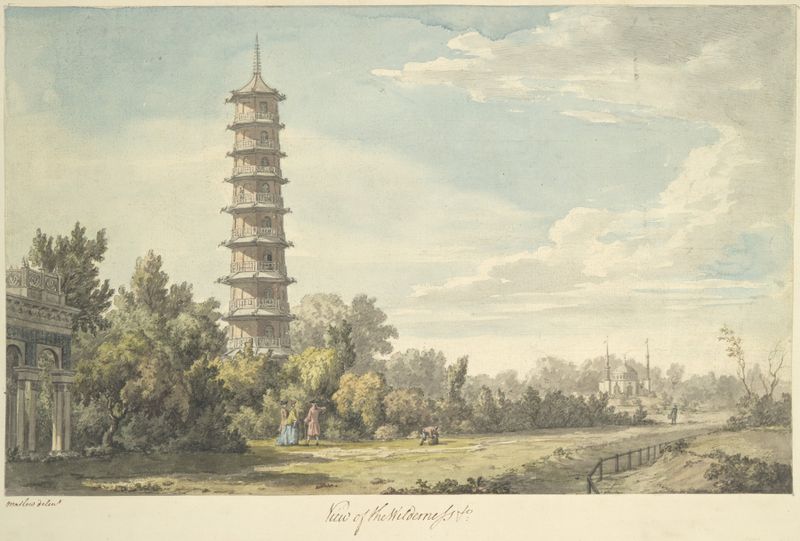
View of the Wilderness at Kew
William Marlow
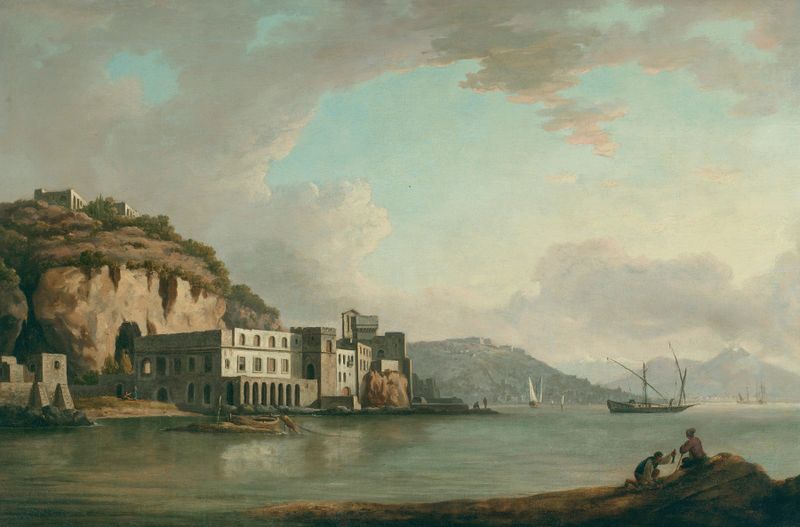
The Bay of Naples with Santa Maria degli Angeli
William Marlow

Nîmes from the Tour Magne
William Marlow
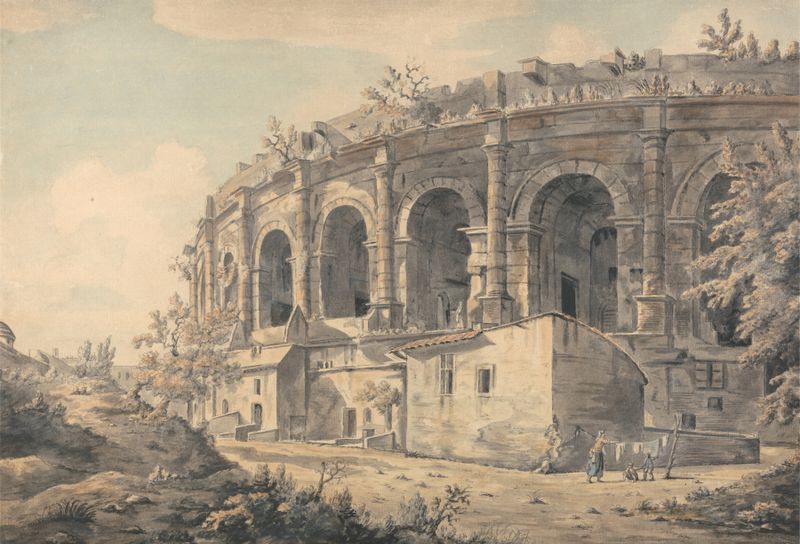
The Amphitheater at Nimes
William Marlow





