
View of Alkmaar — History & Facts
In the stillness of the landscape, whispers of betrayal linger just beneath the surface, waiting for a moment to be unveiled. Look to the left at the tranquil canal, where the water mirrors the somber clouds above, creating a sense of weight that pulls the eye. Notice how the green fields stretch out with a quiet vibrancy, contrasting with the darkened buildings on the horizon. The painter’s delicate brushwork captures the interplay of light and shadow, highlighting the intricate details of nature while suggesting an underlying tension in the serene setting. Delve deeper into the composition, where the towering clouds loom imposingly, hinting at impending change or disruption.
The quiet village in the distance represents stability, yet the layered textures of the foreground suggest a hidden complexity. Each brushstroke speaks to the duality of existence—beauty intertwined with unease, and the peacefulness of rural life masking the realities of human emotion. In 1675, the artist created this work amid a flourishing period for Dutch landscape painting, characterized by a keen observation of nature. Emerging from personal struggles, including the loss of a loved one, he sought solace in depicting his surroundings.
During this time, the art world was shifting, transitioning from the grand narratives of the Baroque to more intimate, personal representations, making View of Alkmaar a profound reflection of both his inner turmoil and the era's evolving artistic ethos.
More Artworks by Jacob van Ruisdael
Browse all →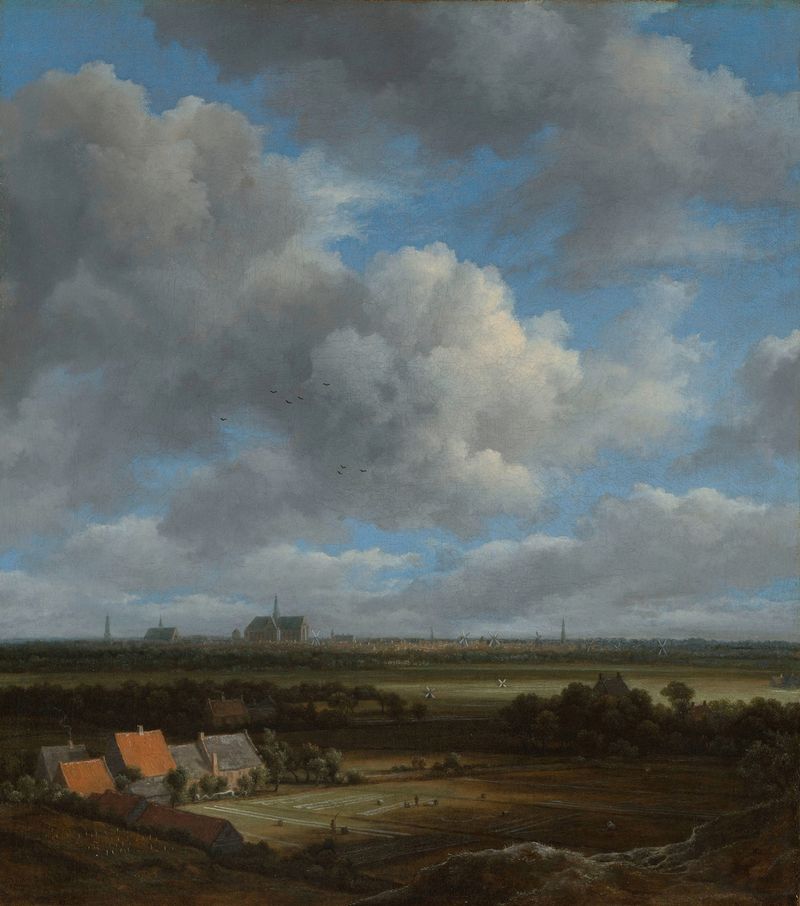
View of Haarlem from the Northwest, with the Bleaching Fields in the Foreground
Jacob van Ruisdael
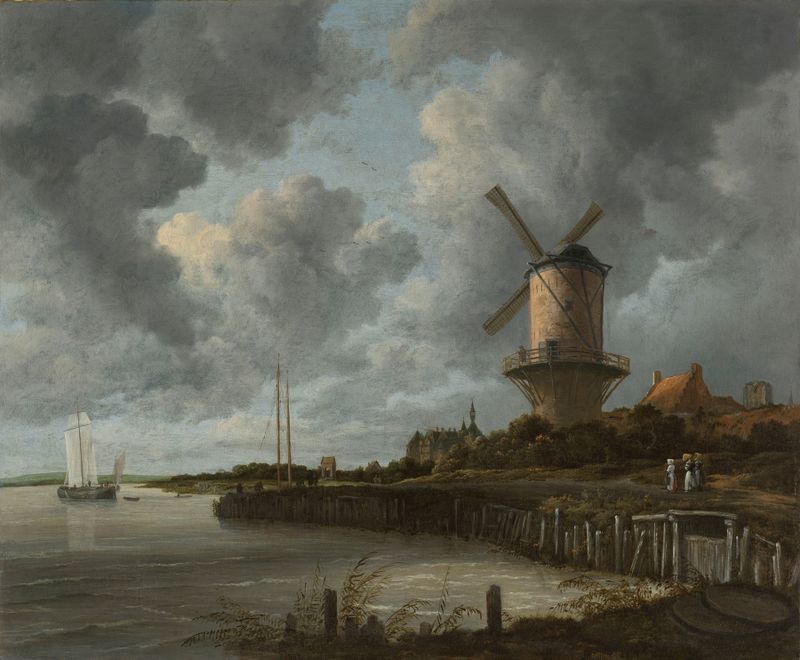
The Windmill at Wijk bij Duurstede
Jacob van Ruisdael
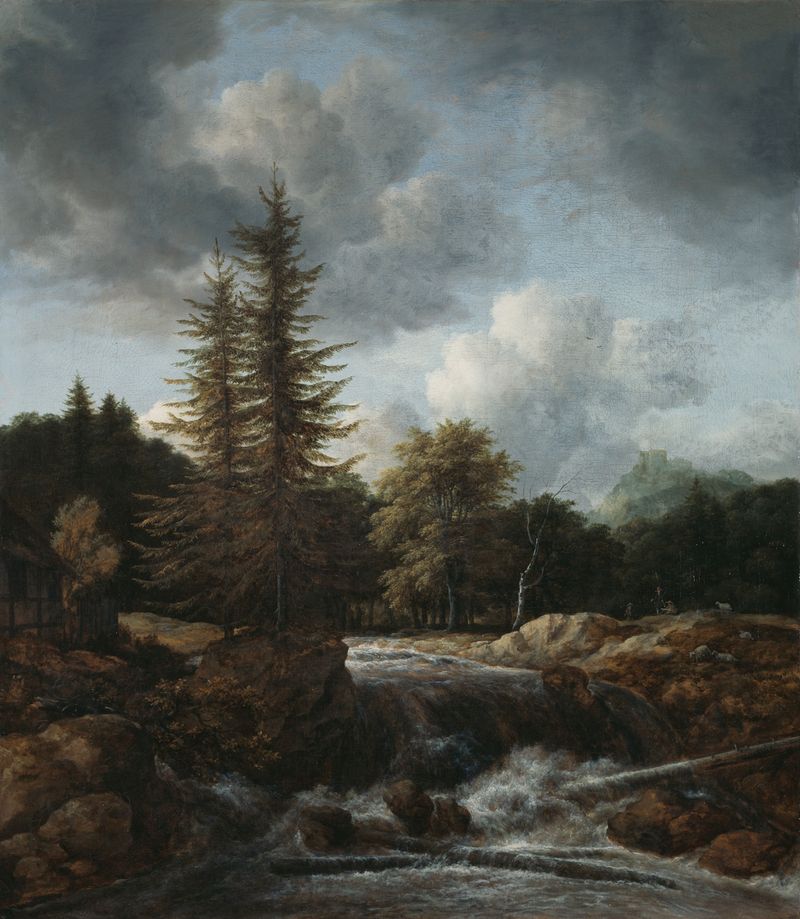
Landscape with Waterfall
Jacob van Ruisdael
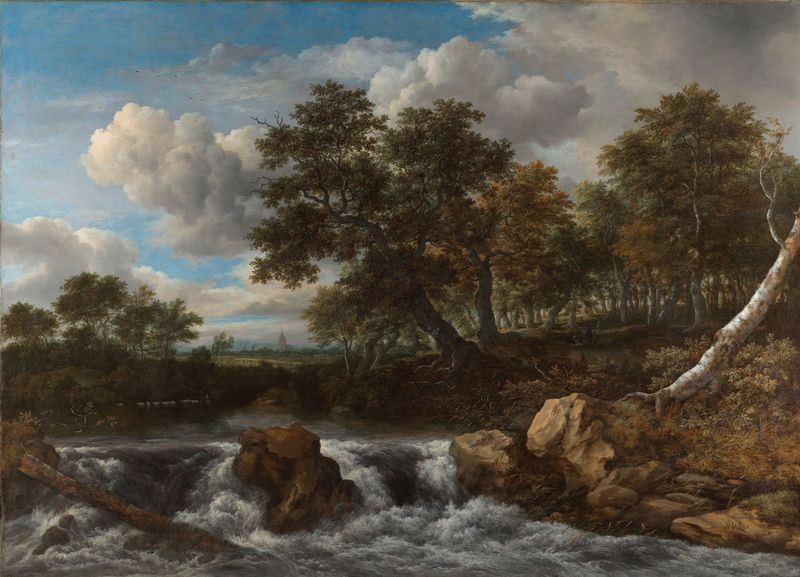
Landscape with Waterfall
Jacob van Ruisdael
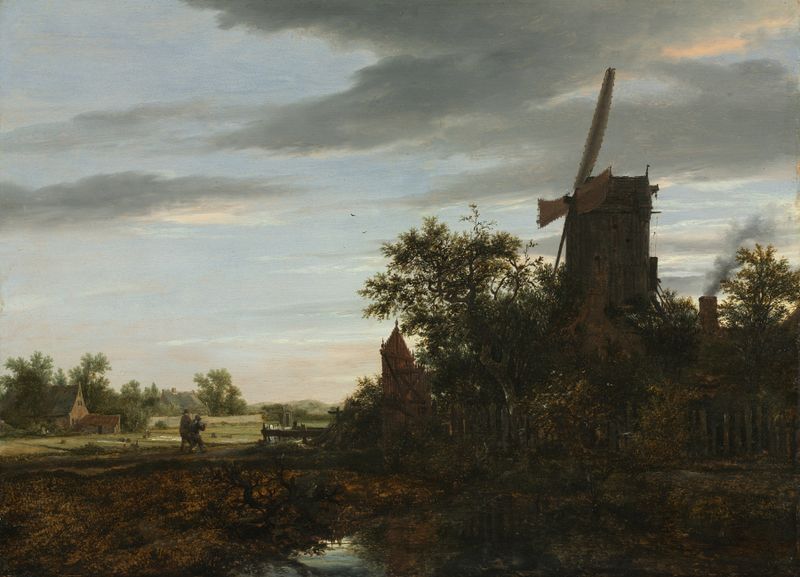
Landscape with a Windmill
Jacob van Ruisdael

Wooded hillside with a view of Bentheim Castle
Jacob van Ruisdael
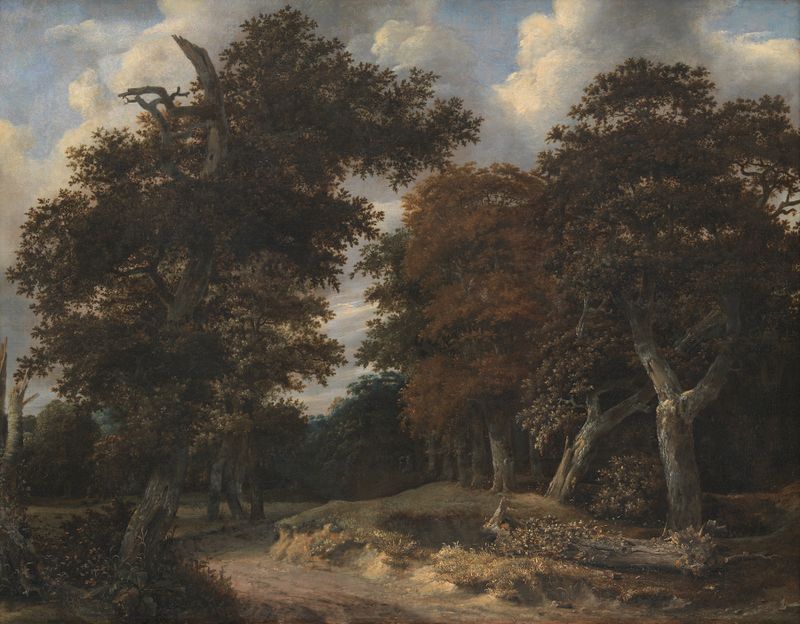
Road through an Oak Forest
Jacob van Ruisdael

Landscape with a Church
Jacob van Ruisdael

The Forest Stream
Jacob van Ruisdael

The Jewish Cemetery
Jacob van Ruisdael





