
View of Aschaffenburg — History & Facts
Could beauty survive in a century of chaos? The delicate interplay between nature and architecture in View of Aschaffenburg encapsulates this fragility, inviting deeper reflection on the passage of time. Look to the left at the magnificent, soaring towers of the fortress, painted with meticulous detail against a soft, pastel sky. The gentle strokes convey both the solidity of stone and the ephemeral quality of light as it glimmers on the river’s surface. Notice how the artist's palette balances earthy browns and greens with ethereal blues and grays, creating harmony in the chaos of the scene.
This composition draws the eye upward, suggesting a connection to the heavens even in the midst of earthly turmoil. In this artwork, contrasts emerge: the stillness of the water reflects a moment frozen in time, yet the wisps of clouds hint at the fleeting nature of beauty. The idyllic landscape around Aschaffenburg stands in stark contrast to the historical context of the 18th century, a period rife with political upheaval. The painting evokes a sense of longing for permanence in a world where the only certainty is change, inviting viewers to ponder the resilience of beauty against the chaos of history. Christian Georg Schütz the elder painted this piece in 1786, during a time when artistic movements were evolving rapidly across Europe.
Living in Germany amidst the shifts of Enlightenment thought and the emerging Romantic era, he sought to capture both the grandeur of his surroundings and a deeper sense of introspection. This work reflects an artist navigating the delicate balance of representation and emotion, a true testament to the enduring power of art in shifting times.
More Artworks by Christian Georg Schütz the elder
Browse all →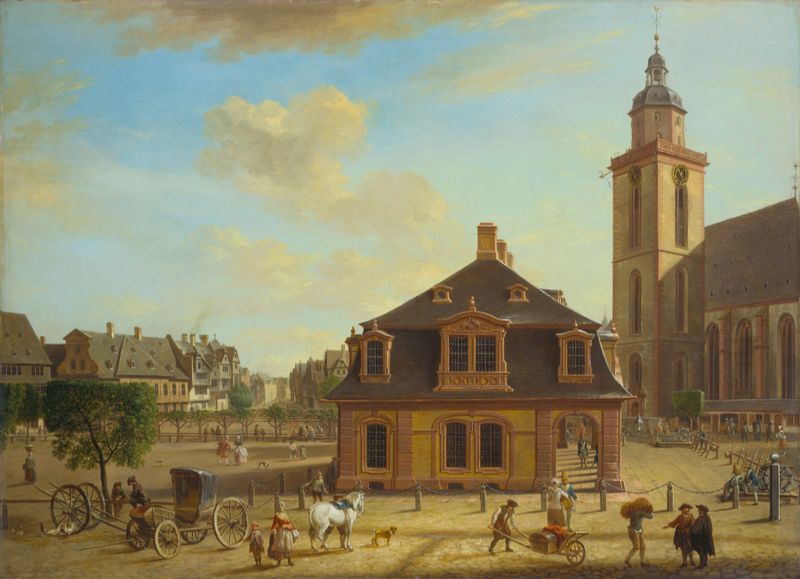
The Rossmarkt in Frankfurt
Christian Georg Schütz the elder
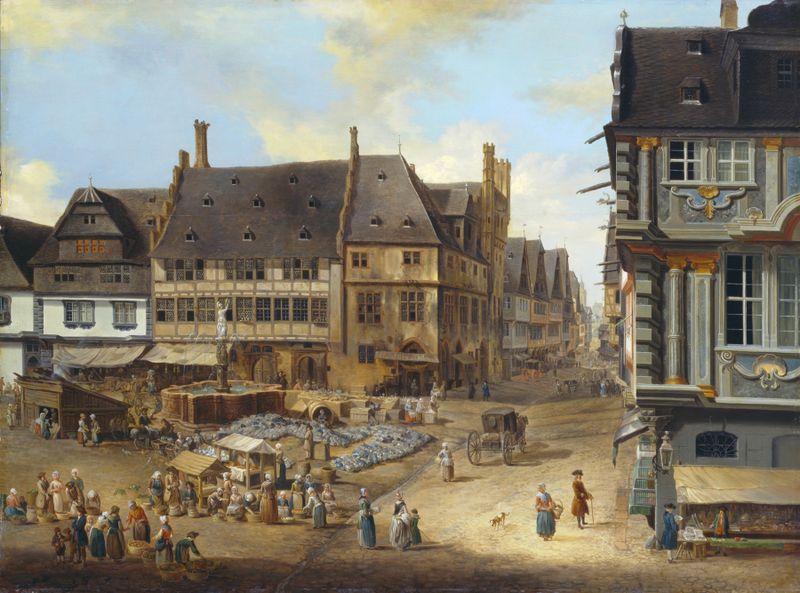
The Liebfrauenberg in Frankfurt
Christian Georg Schütz the elder
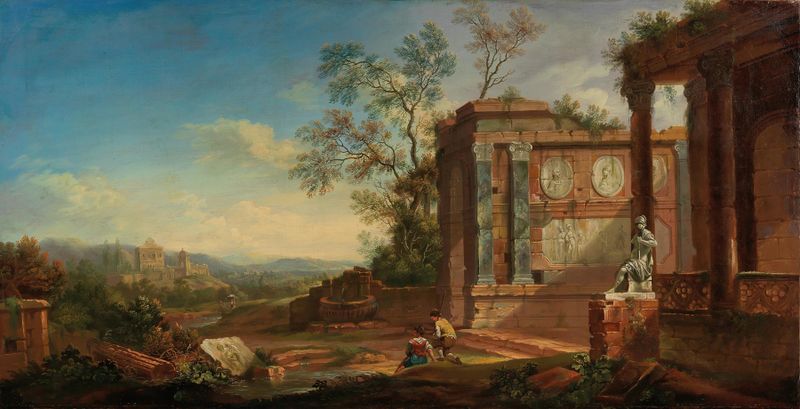
Gebirgige Flusslandschaft
Christian Georg Schütz the elder
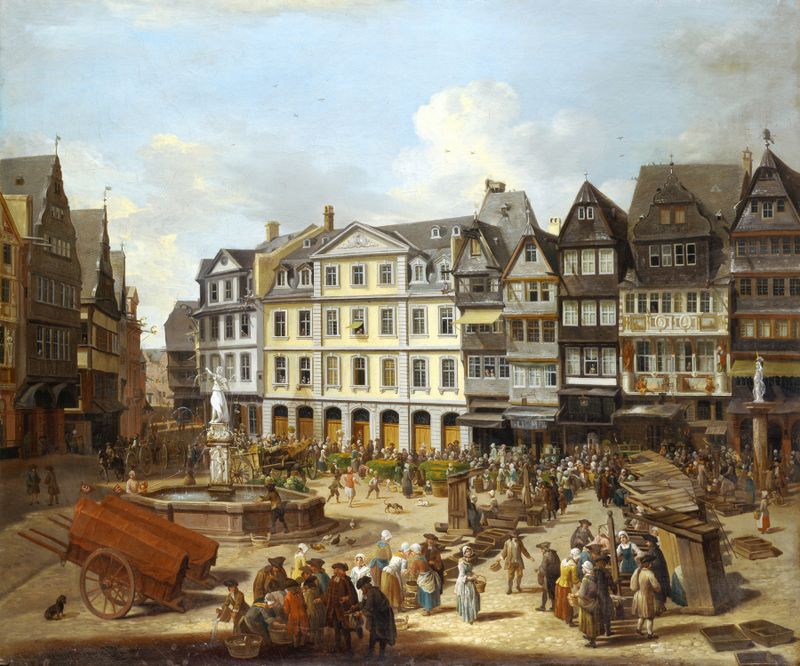
A Market on the Römerberg in Frankfurt
Christian Georg Schütz the elder
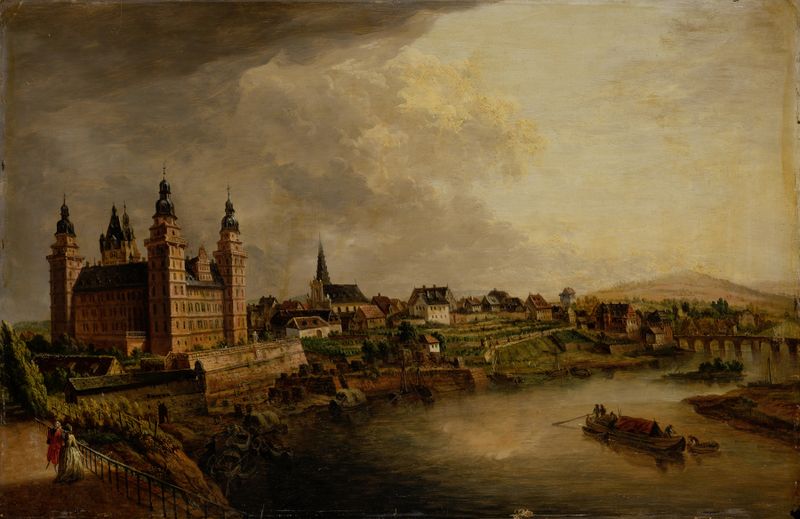
View of Aschaffenburg
Christian Georg Schütz the elder

Landscape with River.
Christian Georg Schütz the elder

River Landscape in the Morning Light
Christian Georg Schütz the elder

A Rhine landscape with a ferry, near Bonn with the Rolandsbogen, Drachenfels and the island of Nonnenwerth beyond
Christian Georg Schütz the elder
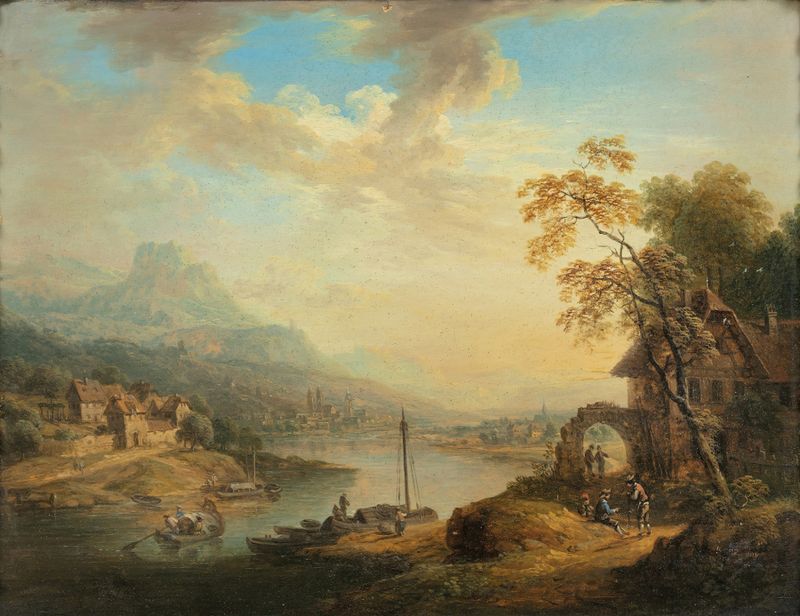
River Landscape
Christian Georg Schütz the elder

Flooded Woodlands near Oberrad
Christian Georg Schütz the elder
More Architecture Art
Browse all →
The statue of Liberty
Frédéric Auguste Bartholdi

View of Houses in Delft, Known as ‘The Little Street’
Johannes Vermeer

View of Houses in Delft, Known as ‘The Little Street’
Johannes Vermeer

The Cathedral in Rouen. The portal, Grey Weather
Claude Monet

The yellow house
Vincent van Gogh

The Church in Auvers-sur-Oise, View from the Chevet
Vincent van Gogh