
View of Bordeaux — History & Facts
Under the brush, chaos becomes grace. How does a fleeting moment transform into a timeless landscape? Gaze to the left at the gentle undulations of the hills, where soft strokes of green meet the serene blue of the river. Notice the delicate interplay of light across the water's surface, shimmering like diamonds scattered by an unseen hand.
The artist’s attention to detail invites you to trace the contours of the land, leading the eye through a carefully orchestrated dance of color and form. Here, the balance between nature and art becomes palpable, each hue harmonizing with its neighbors. Diving deeper, observe the contrasting textures that evoke distinct emotional realms. The rough, verdant patches of grass embody the raw energy of life, while the smooth, glassy water suggests tranquility and reflection.
This juxtaposition creates an internal dialogue about the duality of existence—chaos and serenity, movement and stillness. The carefully arranged clouds above serve as a reminder of the transient beauty of the moment, anchoring the scene in both time and space. In 1822, during a period of burgeoning Romanticism, the artist found himself immersed in the beauty of the French countryside. Residing in Bordeaux, he painted View of Bordeaux as a response to the changing landscape of art and society around him.
It was a time characterized by a yearning for nature, echoing the broader shifts in Europe toward emotional expression and appreciation of the sublime. Brascassat’s work resonates with the era's ideals, capturing not just a place, but a vision of balance amid the chaos of modern life.
More Artworks by Jacques-Raymond Brascassat
Browse all →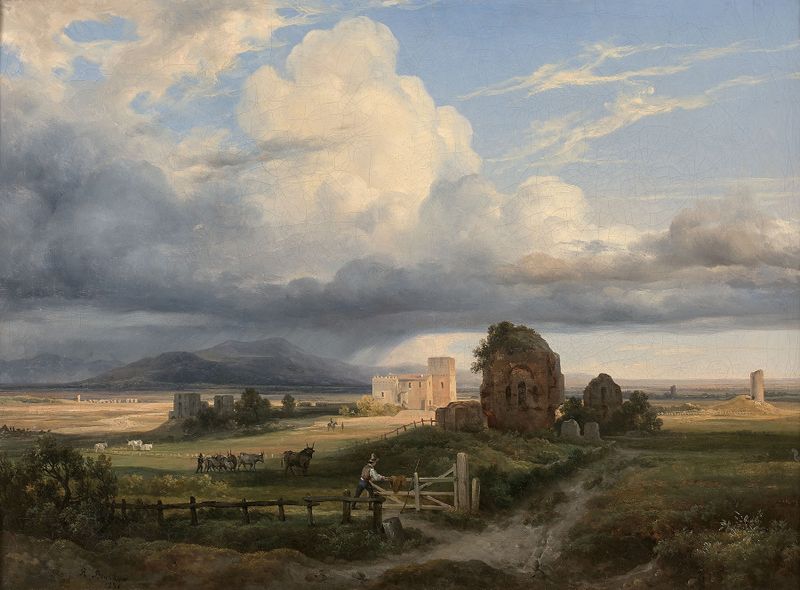
Vacher et son troupeau dans la campagne romaine, dans les environs de la via Appia
Jacques-Raymond Brascassat

Puits
Jacques-Raymond Brascassat

Paysage d’Italie
Jacques-Raymond Brascassat

Tour en bordure de mer
Jacques-Raymond Brascassat

Le Monastère
Jacques-Raymond Brascassat

Cascade et rochers
Jacques-Raymond Brascassat

Le Vieux chêne
Jacques-Raymond Brascassat

View of Bordeaux
Jacques-Raymond Brascassat
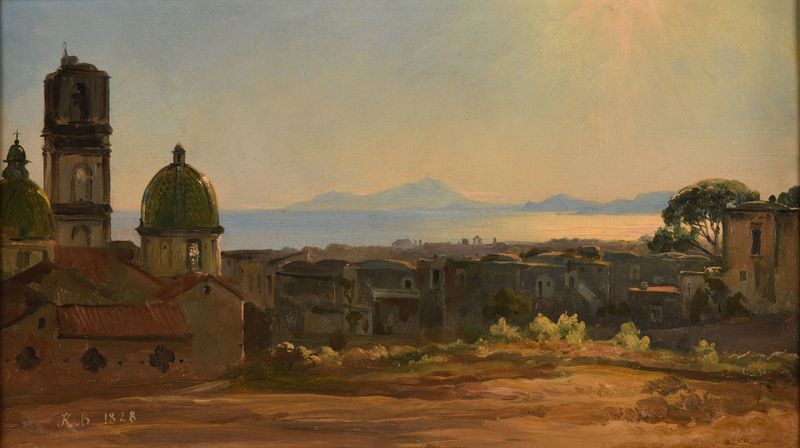
Vue de ville d’Italie
Jacques-Raymond Brascassat
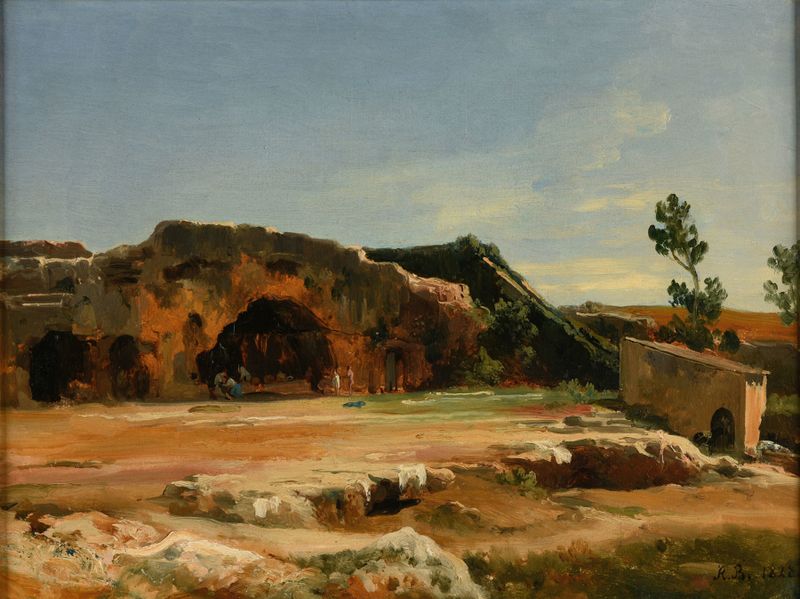
Grotte du Nymphée (Syracuse)
Jacques-Raymond Brascassat





